Bonamigo Thaliny, Campos Jaqueline Ferreira, Oliveira Alex Santos, Torquato Heron Fernandes Vieira, Balestieri José Benedito Perrella, Cardoso Claudia Andrea Lima, Paredes-Gamero Edgar Julian, de Picoli Souza Kely, Dos Santos Edson Lucas
Research Group on Biotechnology and Bioprospecting Applied to Metabolism (GEBBAM), Federal University of Grande Dourados, Dourados, MS, Brazil.
Faculty of Pharmacy, Braz Cubas University, Francisco Rodrigues Filho Avenue, Mogi das Cruzes, SP, Brazil.
PLoS One. 2017 Sep 12;12(9):e0183983. doi: 10.1371/journal.pone.0183983. eCollection 2017.
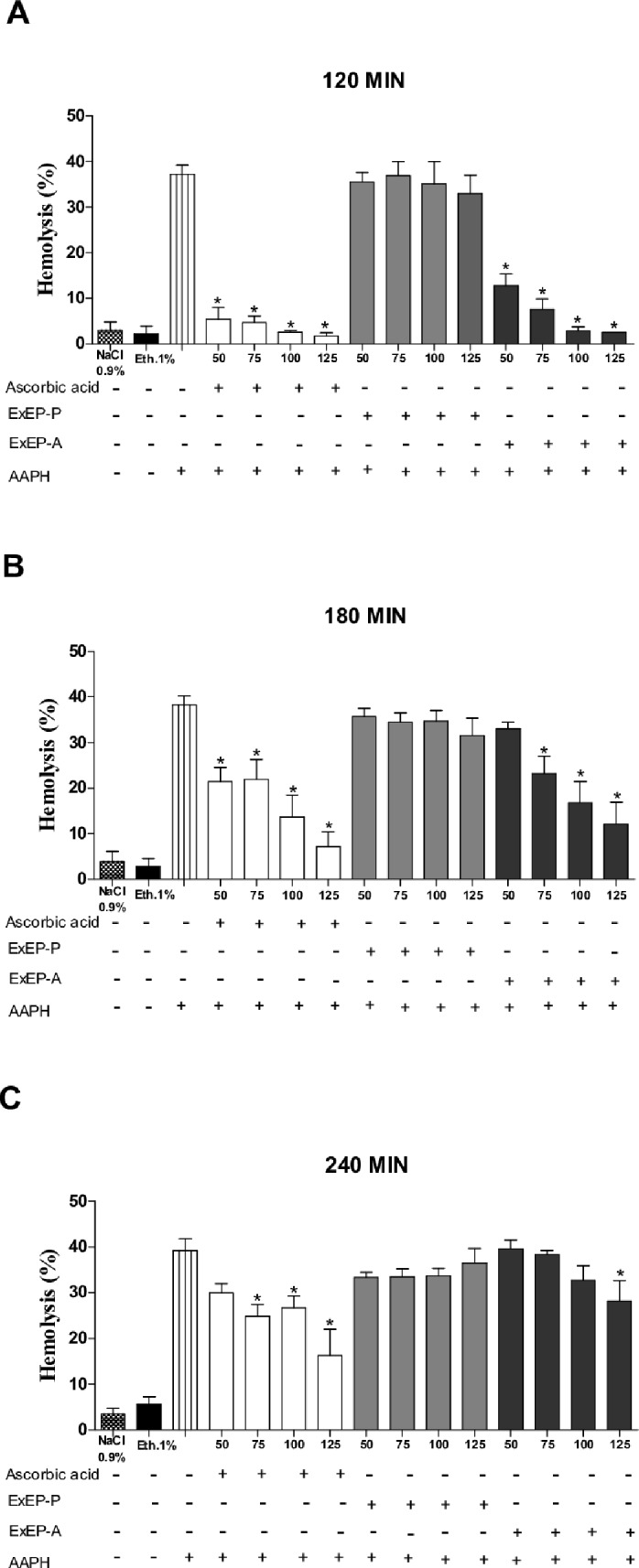
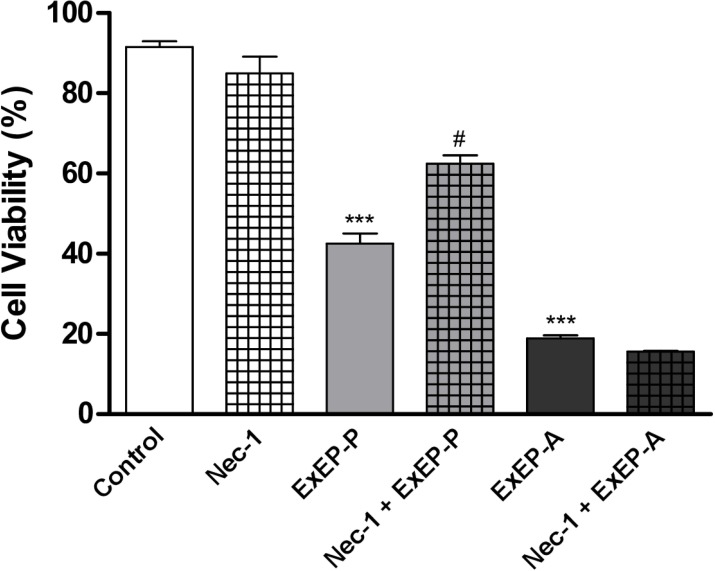
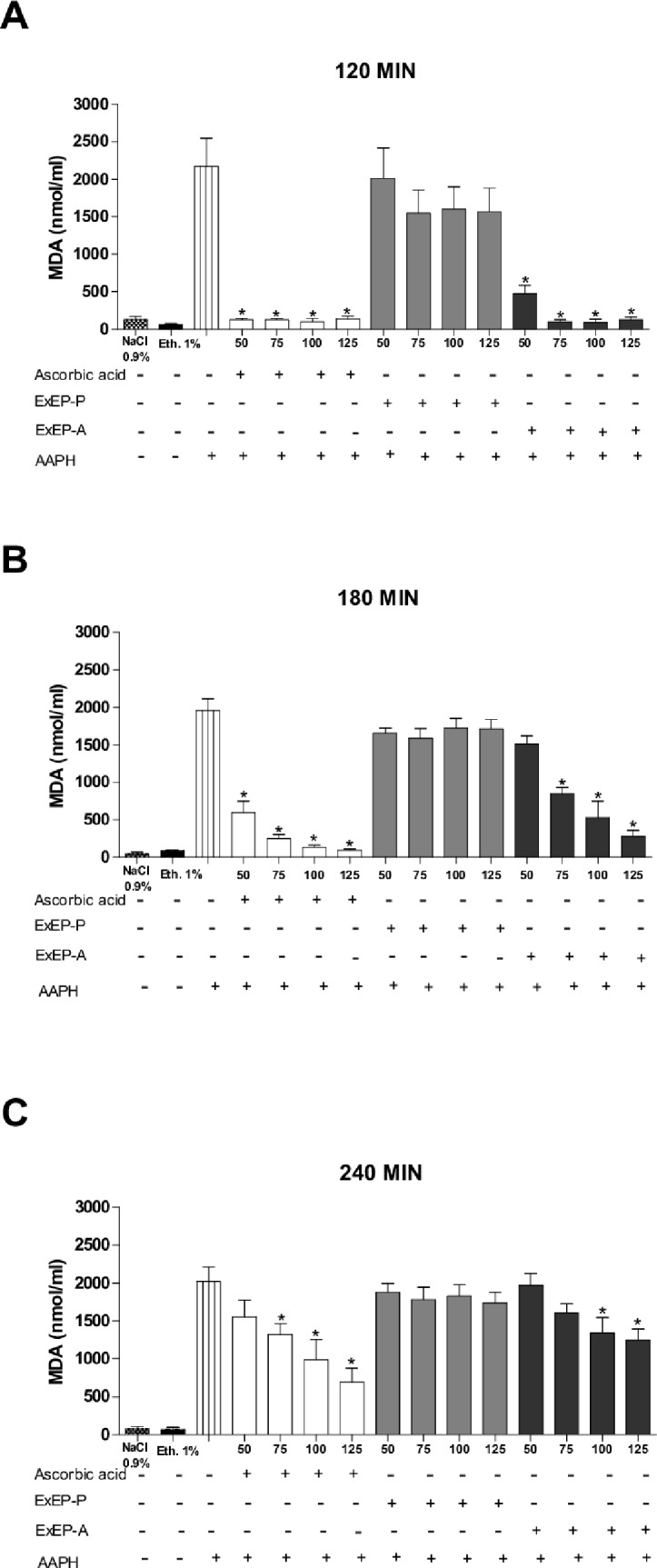
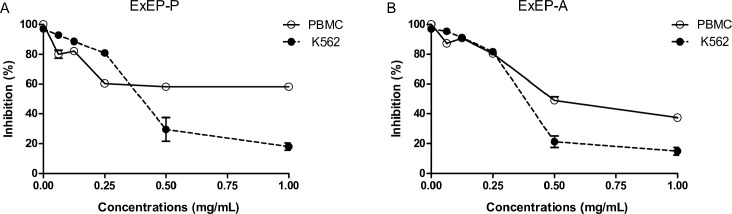
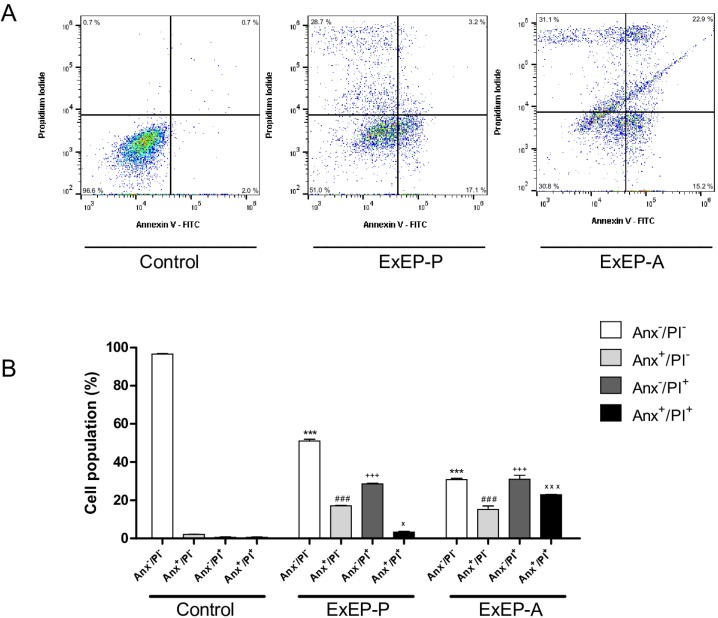
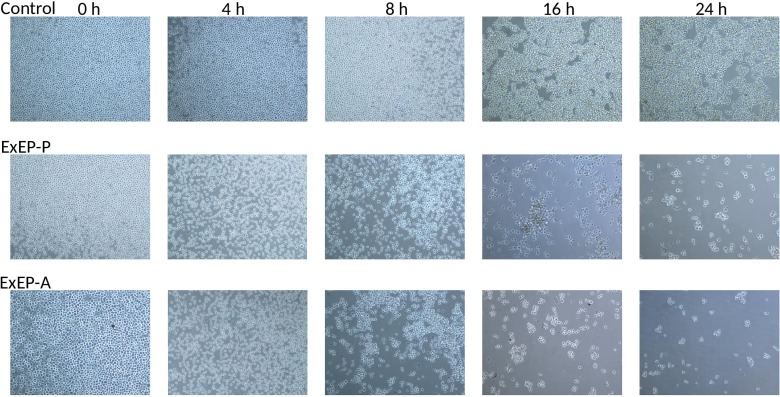
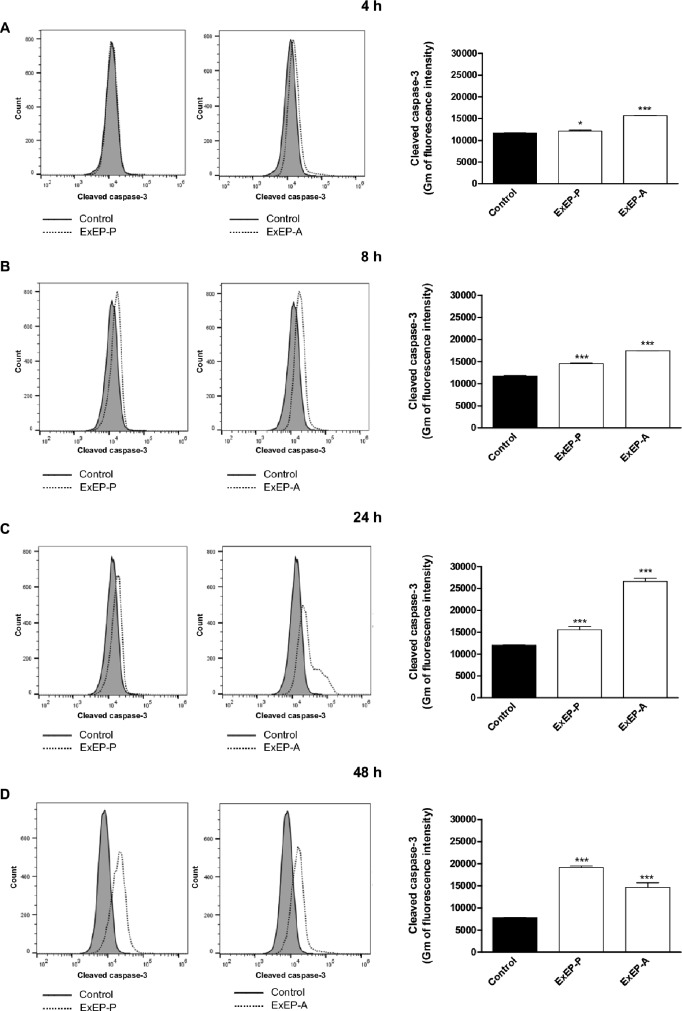
Propolis is a complex bioactive mixture produced by bees, known to have different biological activities, especially in countries where there is a rich biodiversity of plant species. The objective of this study was to determine the chemical composition and evaluate the antioxidant and cytotoxic properties of Brazilian propolis from the species Plebeia droryana and Apis mellifera found in Mato Grosso do Sul, Brazil. In the ethanolic extracts of P. droryana propolis (ExEP-P) and A. mellifera (ExEP-A) acids, phenolic compounds, terpenes and tocopherol were identified as major compounds. Both extracts presented antioxidant activity against the 2,2-diphenyl-1-picrylhydrazyl (DPPH) free radical, the maximum activities being 500 μg/mL (ExEP-P) and 300 μg/mL (ExEP-A). However, only ExEP-A was able to inhibit lipid peroxidation induced by the oxidizing agent 2,2'-azobis(2-amidinopropane) dihydrochloride (AAPH), which inhibited oxidative hemolysis and reduced the levels of malondialdehyde (MDA) in human erythrocytes for 4 h of incubation. The extracts also reduced the cell viability of the K562 erythroleukemia tumour line, with a predominance of necrotic death. Thus, it is concluded that the propolis produced by P. droryana and A. mellifera contain important compounds capable of minimizing the action of oxidizing substances in the organism and reducing the viability of erythroleukemia cells.
蜂胶是蜜蜂产生的一种复杂的生物活性混合物,已知具有不同的生物活性,尤其是在植物物种生物多样性丰富的国家。本研究的目的是确定巴西南马托格罗索州发现的来自德鲁里蜜蜂(Plebeia droryana)和意大利蜜蜂(Apis mellifera)的蜂胶的化学成分,并评估其抗氧化和细胞毒性特性。在德鲁里蜜蜂蜂胶(ExEP-P)和意大利蜜蜂(ExEP-A)的乙醇提取物中,酸、酚类化合物、萜类和生育酚被鉴定为主要化合物。两种提取物对2,2-二苯基-1-苦基肼(DPPH)自由基均表现出抗氧化活性,最大活性分别为500μg/mL(ExEP-P)和300μg/mL(ExEP-A)。然而,只有ExEP-A能够抑制由氧化剂2,2'-偶氮二异丁脒盐酸盐(AAPH)诱导的脂质过氧化,AAPH在4小时的孵育中抑制了人红细胞的氧化溶血并降低了丙二醛(MDA)水平。提取物还降低了K562红白血病肿瘤细胞系的细胞活力,主要为坏死性死亡。因此,可以得出结论,德鲁里蜜蜂和意大利蜜蜂产生的蜂胶含有重要化合物,能够使生物体中氧化物质的作用最小化,并降低红白血病细胞的活力。