Tiwari Shalini, Prasad Vivek, Chauhan Puneet S, Lata Charu
Council of Scientific & Industrial Research-National Botanical Research InstituteLucknow, India.
Department of Botany, University of LucknowLucknow, India.
Front Plant Sci. 2017 Aug 29;8:1510. doi: 10.3389/fpls.2017.01510. eCollection 2017.
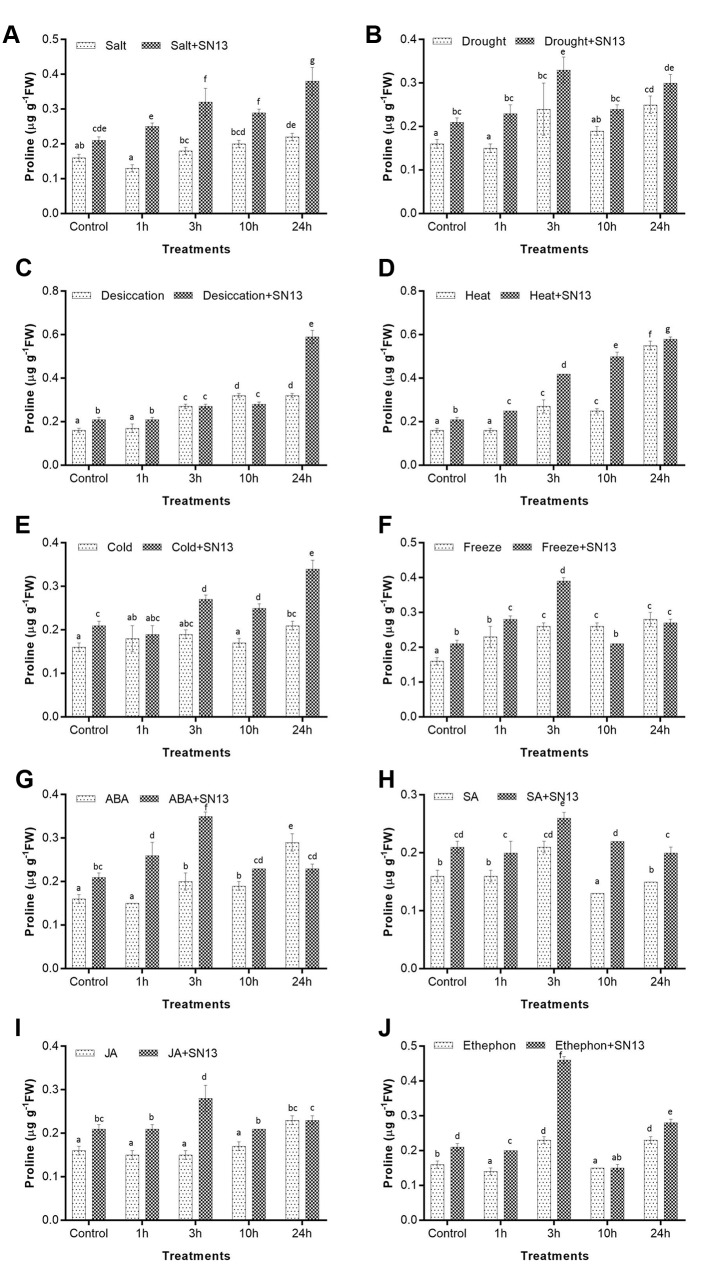
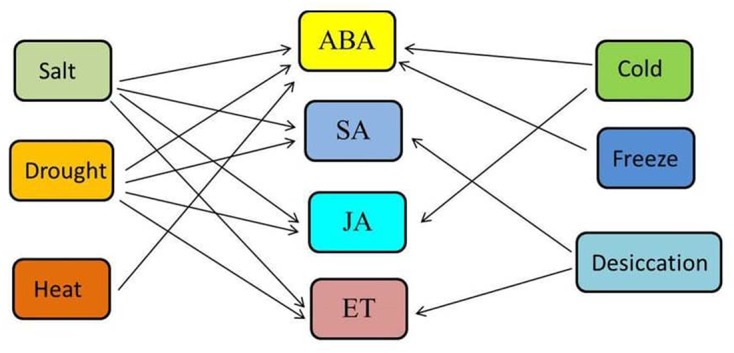
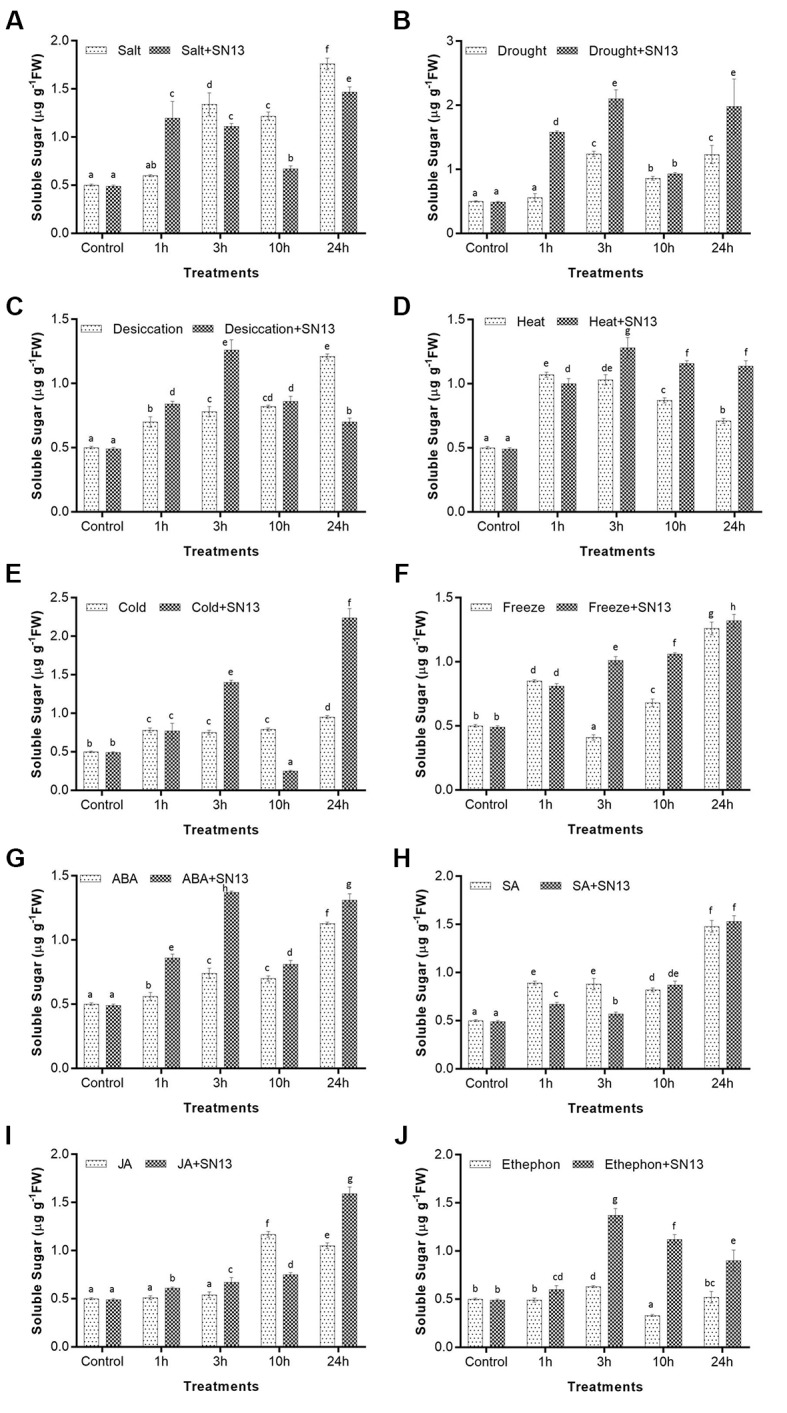
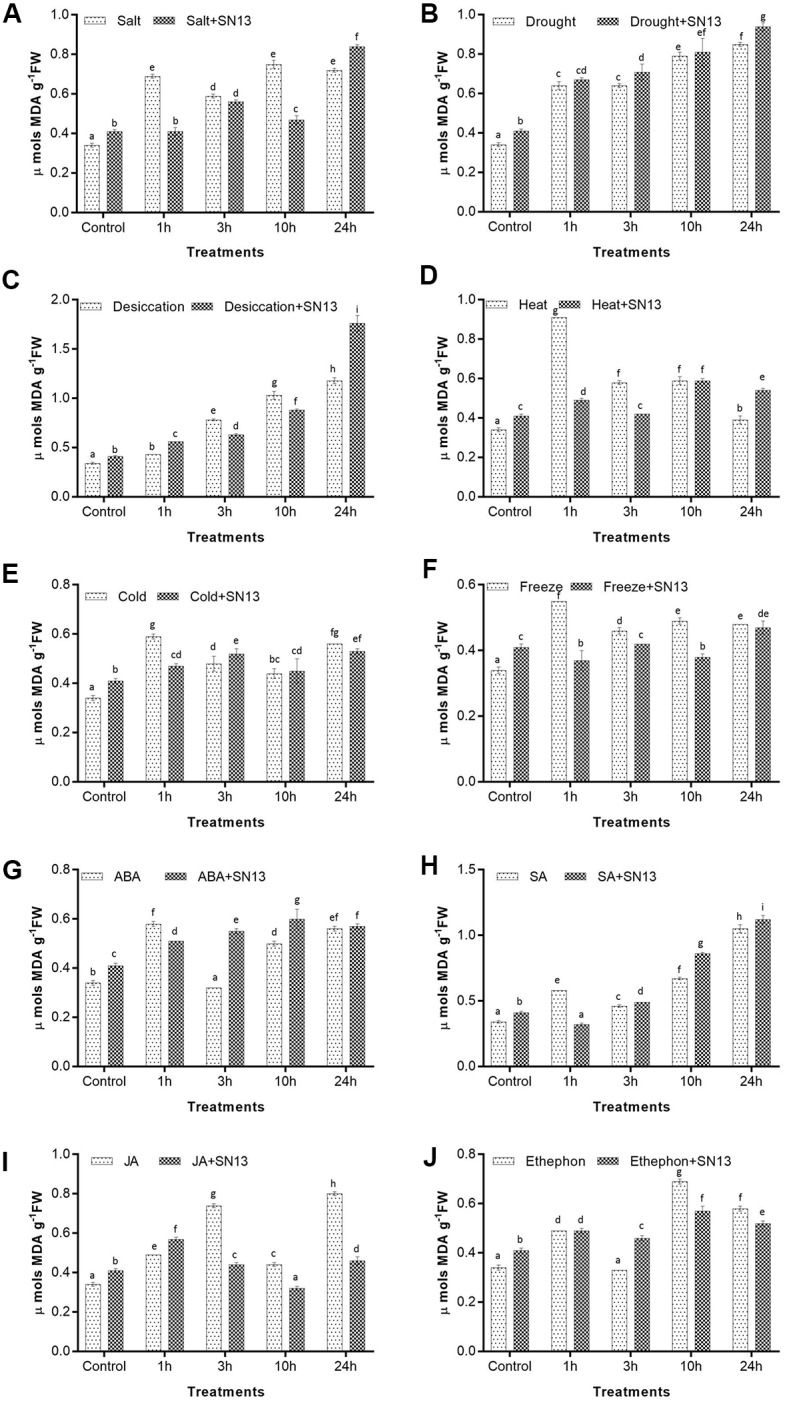
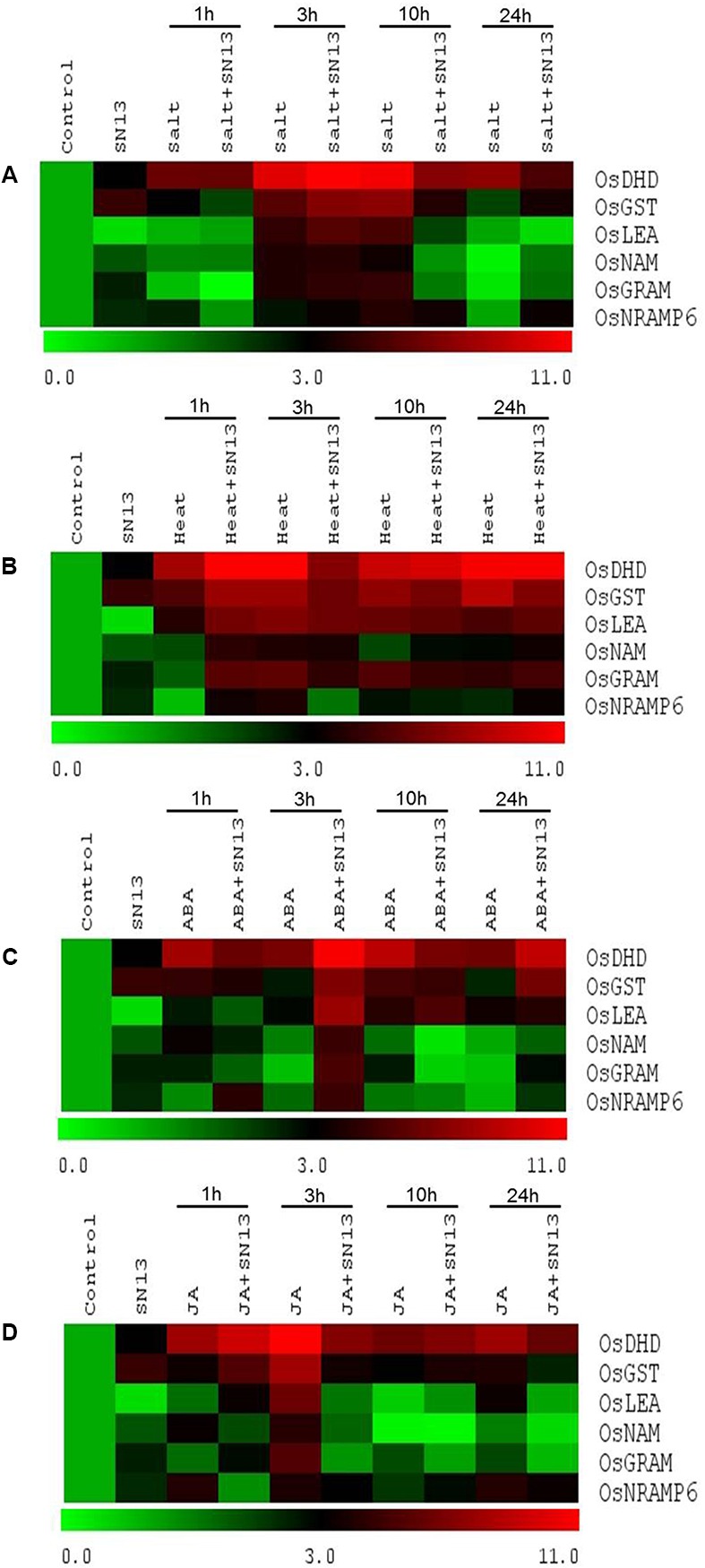
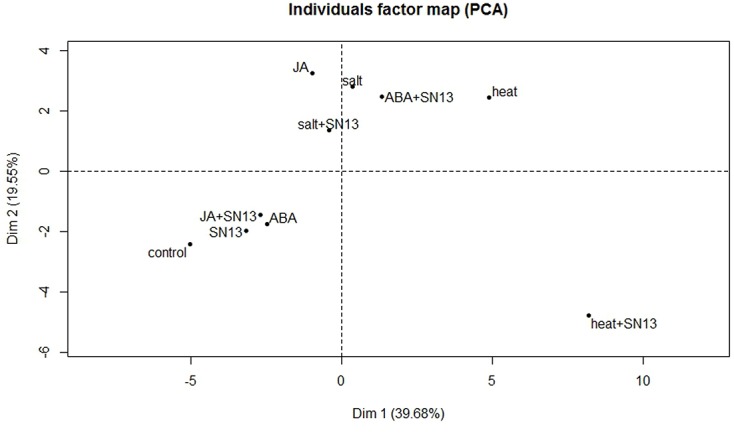
Being sessile in nature, plants have to withstand various adverse environmental stress conditions including both biotic and abiotic stresses. Comparatively, abiotic stresses such as drought, salinity, high temperature, and cold pose major threat to agriculture by negatively impacting plant growth and yield worldwide. Rice is one of the most widely consumed staple cereals across the globe, the production and productivity of which is also severely affected by different abiotic stresses. Therefore, several crop improvement programs are directed toward developing stress tolerant rice cultivars either through marker assisted breeding or transgenic technology. Alternatively, some known rhizospheric competent bacteria are also known to improve plant growth during abiotic stresses. A plant growth promoting rhizobacteria (PGPR), NBRI-SN13 (SN13) was previously reported by our lab to confer salt stress tolerance to rice seedlings. However, the present study investigates the role of SN13 in ameliorating various abiotic stresses such as salt, drought, desiccation, heat, cold, and freezing on a popular rice cv. Saryu-52 under hydroponic growth conditions. Apart from this, seedlings were also exogenously supplied with abscisic acid (ABA), salicylic acid (SA), jasmonic acid (JA) and ethephon (ET) to study the role of SN13 in phytohormone-induced stress tolerance as well as its role in abiotic and biotic stress cross-talk. All abiotic stresses and phytohormone treatments significantly affected various physiological and biochemical parameters like membrane integrity and osmolyte accumulation. SN13 also positively modulated stress-responsive gene expressions under various abiotic stresses and phytohormone treatments suggesting its multifaceted role in cross-talk among stresses and phytohormones in response to PGPR. To the best of our knowledge, this is the first report on detailed analysis of plant growth promotion and stress alleviation by a PGPR in rice seedlings subjected to various abiotic stresses and phytohormone treatments for 0, 1, 3, 10, and 24 h.
由于植物固着生长的特性,它们必须抵御各种不利的环境胁迫条件,包括生物胁迫和非生物胁迫。相比之下,干旱、盐碱化、高温和低温等非生物胁迫通过对全球植物生长和产量产生负面影响,对农业构成重大威胁。水稻是全球消费最广泛的主要谷物之一,其产量和生产力也受到不同非生物胁迫的严重影响。因此,一些作物改良计划旨在通过标记辅助育种或转基因技术培育耐胁迫水稻品种。此外,一些已知的根际活性细菌也被认为可以在非生物胁迫期间促进植物生长。我们实验室之前报道过一种植物促生根际细菌(PGPR),NBRI-SN13(SN13)可赋予水稻幼苗耐盐胁迫能力。然而,本研究调查了SN13在水培生长条件下对一种流行水稻品种Saryu-52缓解盐、干旱、干燥、热、冷和冷冻等各种非生物胁迫中的作用。除此之外,还向幼苗外源施加脱落酸(ABA)、水杨酸(SA)、茉莉酸(JA)和乙烯利(ET),以研究SN13在植物激素诱导的胁迫耐受性中的作用及其在非生物和生物胁迫相互作用中的作用。所有非生物胁迫和植物激素处理均显著影响了各种生理和生化参数,如膜完整性和渗透溶质积累。SN13还在各种非生物胁迫和植物激素处理下正向调节胁迫响应基因表达,表明其在胁迫和植物激素之间相互作用中对PGPR响应的多方面作用。据我们所知,这是第一份关于PGPR在经受0、1、3、10和24小时各种非生物胁迫和植物激素处理的水稻幼苗中促进植物生长和缓解胁迫的详细分析报告。