Department of Proteomics and Signal Transduction, Max Planck Institute of Biochemistry, 82152 Martinsried, Germany.
Cambridge Institute for Medical Research, University of Cambridge, Hills Road, Cambridge CB2 0XY, UK.
Cell Rep. 2017 Sep 12;20(11):2706-2718. doi: 10.1016/j.celrep.2017.08.063.
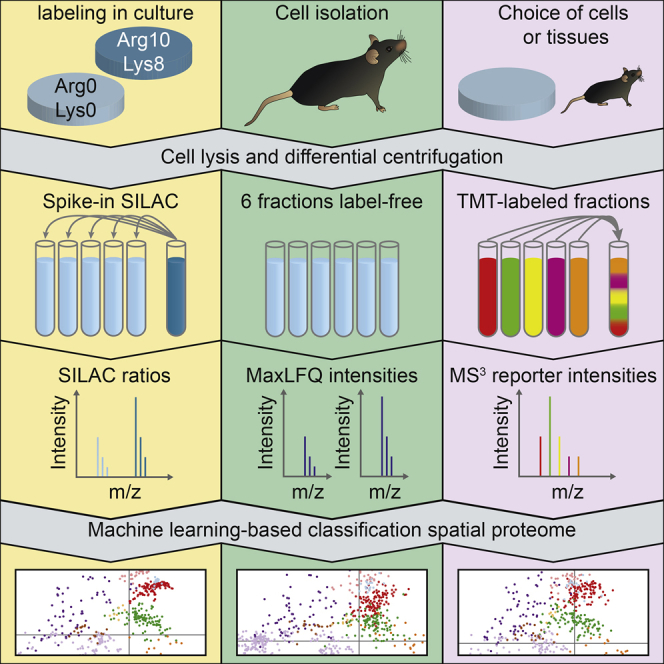
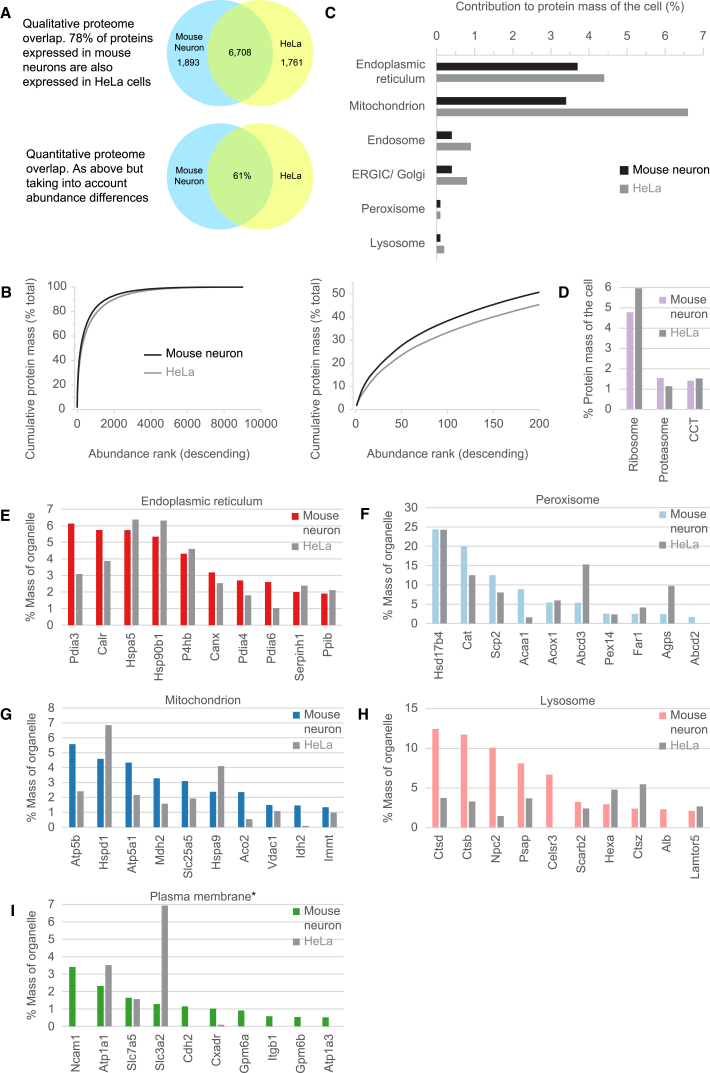
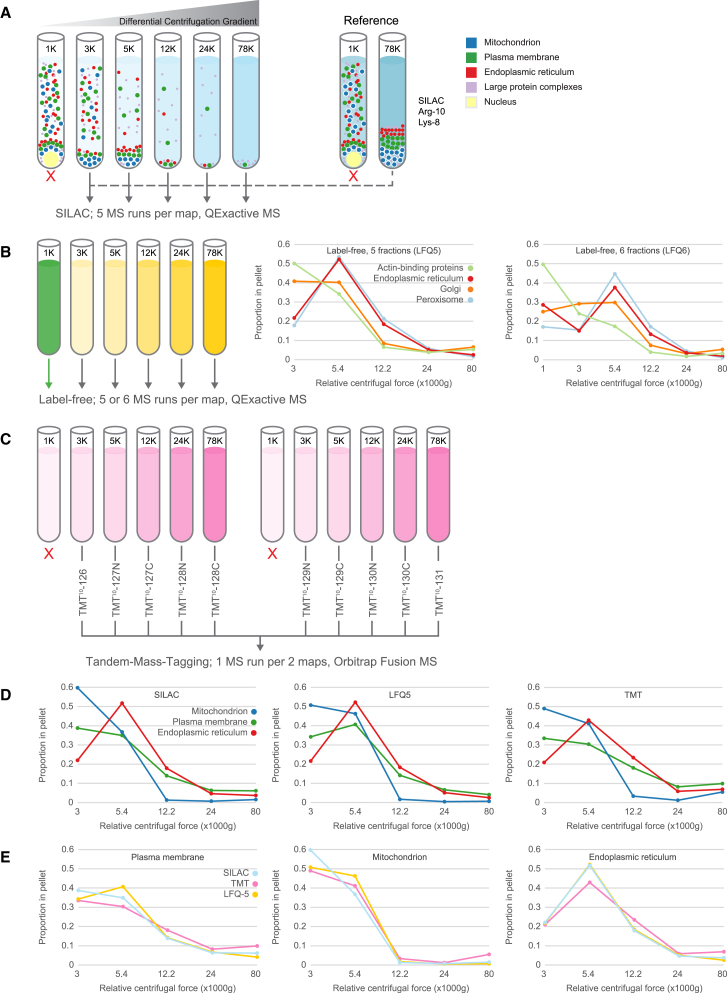
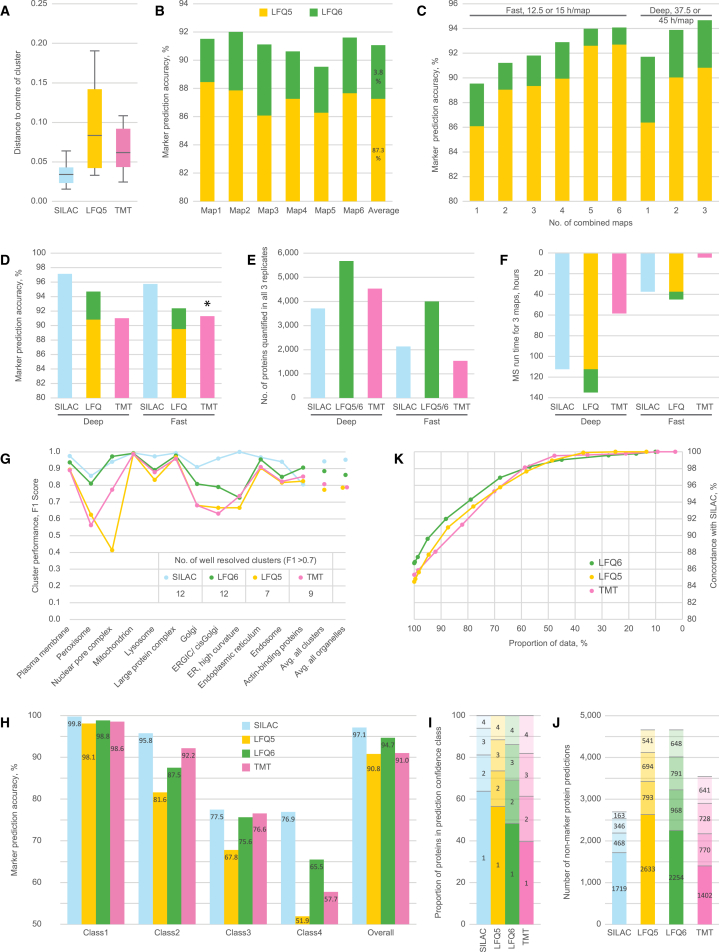
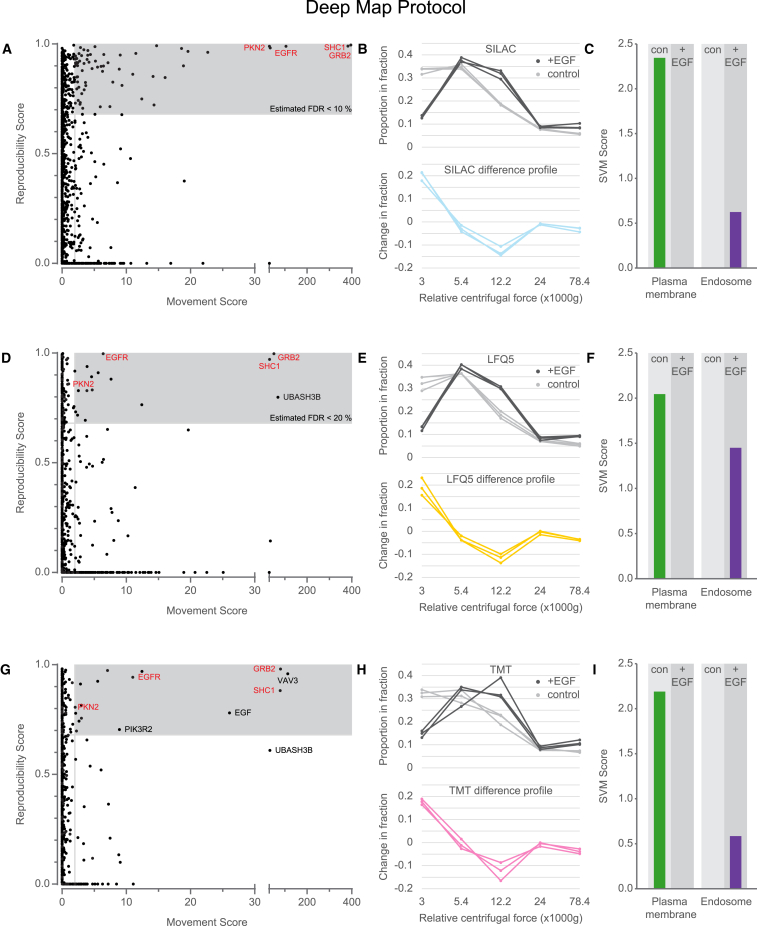
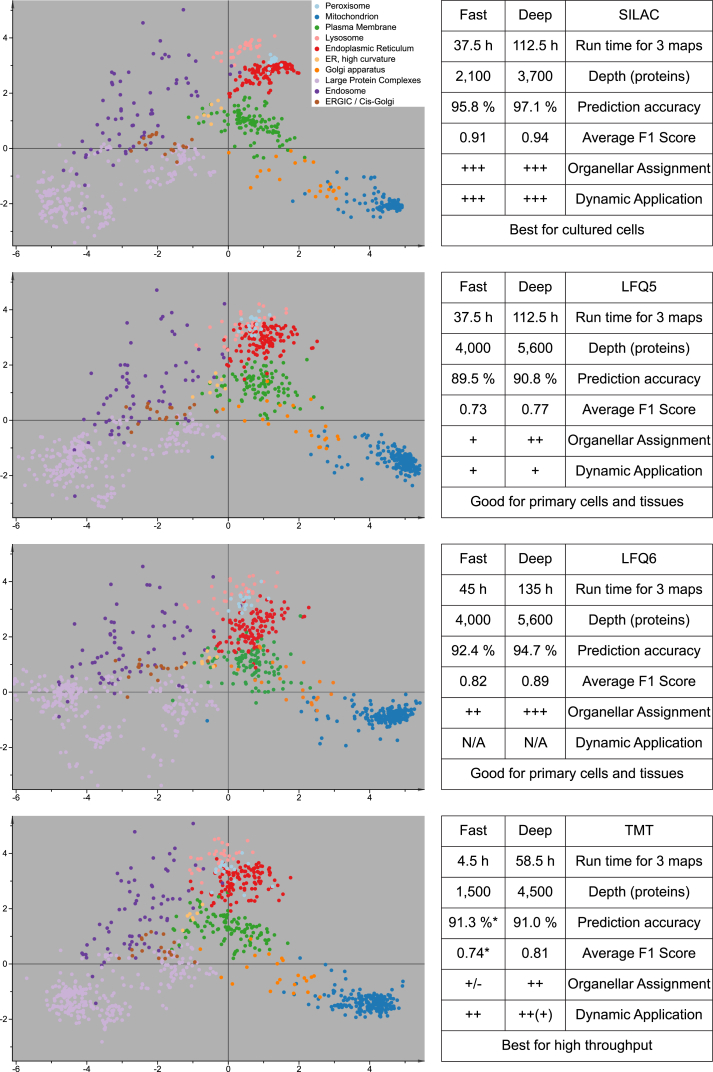
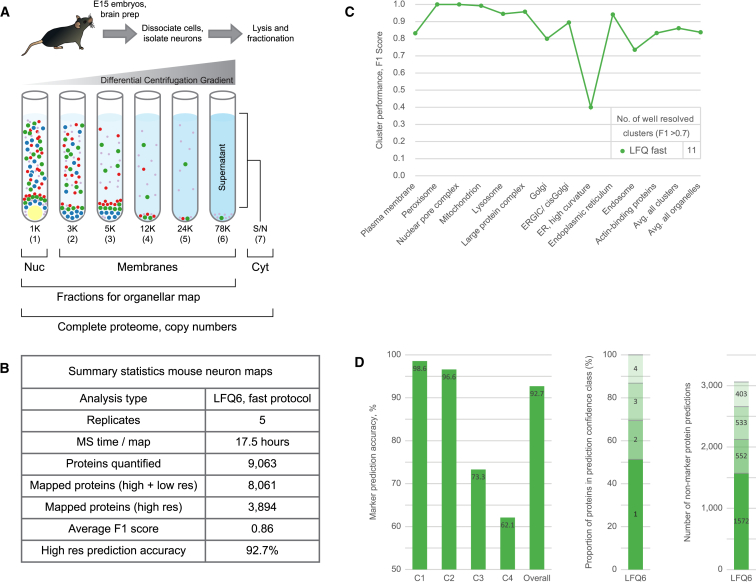
We previously developed a mass spectrometry-based method, dynamic organellar maps, for the determination of protein subcellular localization and identification of translocation events in comparative experiments. The use of metabolic labeling for quantification (stable isotope labeling by amino acids in cell culture [SILAC]) renders the method best suited to cells grown in culture. Here, we have adapted the workflow to both label-free quantification (LFQ) and chemical labeling/multiplexing strategies (tandem mass tagging [TMT]). Both methods are highly effective for the generation of organellar maps and capture of protein translocations. Furthermore, application of label-free organellar mapping to acutely isolated mouse primary neurons provided subcellular localization and copy-number information for over 8,000 proteins, allowing a detailed analysis of organellar organization. Our study extends the scope of dynamic organellar maps to any cell type or tissue and also to high-throughput screening.
我们之前开发了一种基于质谱的方法——动态细胞器图谱,用于确定蛋白质亚细胞定位,并在比较实验中鉴定易位事件。该方法使用代谢标记进行定量(稳定同位素标记的细胞培养氨基酸[ SILAC ]),因此最适合在培养中生长的细胞。在这里,我们已经将工作流程适应于无标记定量(LFQ)和化学标记/多重化策略(串联质量标记[TMT])。这两种方法对于生成细胞器图谱和捕获蛋白质易位都非常有效。此外,将无标记细胞器图谱应用于急性分离的小鼠原代神经元,提供了超过 8000 种蛋白质的亚细胞定位和拷贝数信息,从而可以对细胞器组织进行详细分析。我们的研究将动态细胞器图谱的范围扩展到任何细胞类型或组织,也扩展到高通量筛选。