Clavijo Paul E, Moore Ellen C, Chen Jianhong, Davis Ruth J, Friedman Jay, Kim Young, Van Waes Carter, Chen Zhong, Allen Clint T
Tumor Biology Section, Head and Neck Surgery Branch, National Institute on Deafness and Other Communication Disorders, National Institutes of Health, Bethesda, MD, USA.
Department of Otolaryngology-Head and Neck Surgery, Johns Hopkins School of Medicine, Baltimore, MD, USA.
Oncotarget. 2017 Jun 11;8(34):55804-55820. doi: 10.18632/oncotarget.18437. eCollection 2017 Aug 22.
Local immunosuppression remains a critical problem that limits clinically meaningful response to checkpoint inhibition in patients with head and neck cancer. Here, we assessed the impact of MDSC elimination on responses to CTLA-4 checkpoint inhibition.
Murine syngeneic carcinoma immune infiltrates were characterized by flow cytometry. Granulocytic MDSCs (gMDSCs) were depleted and T-lymphocyte antigen-specific responses were measured. Tumor-bearing mice were treated with MDSC depletion and CTLA-4 checkpoint blockade. Immune signatures within the human HNSCC datasets from The Cancer Genome Atlas (TCGA) were analyzed and differentially expressed genes from sorted human peripheral MDSCs were examined.
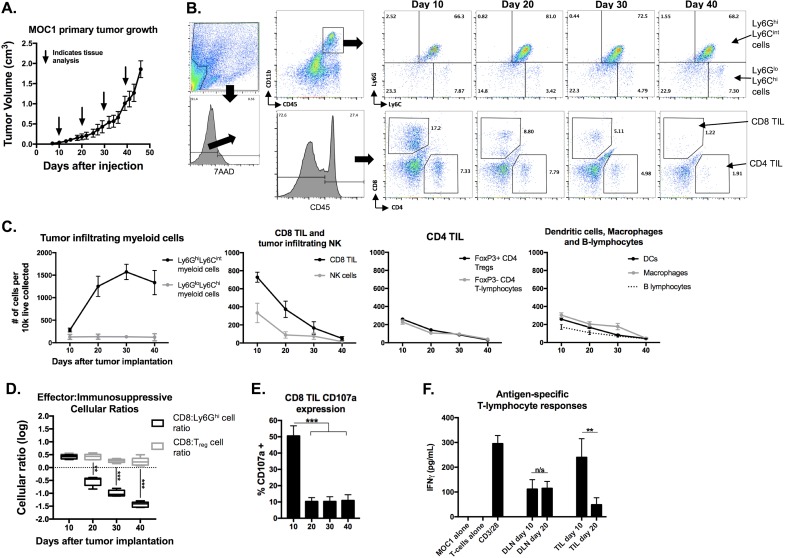
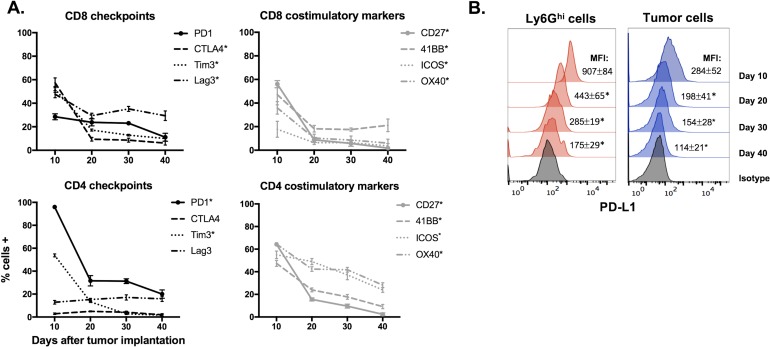
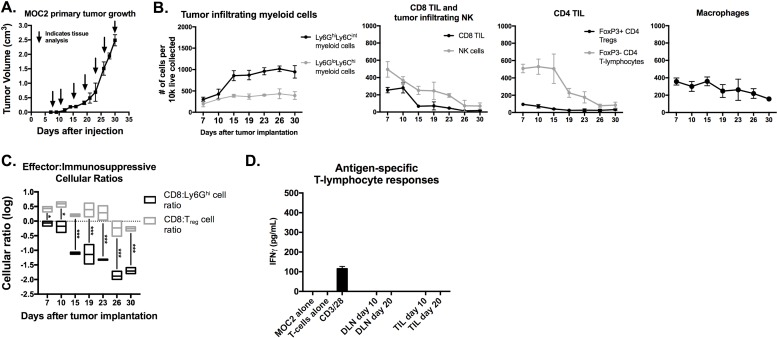
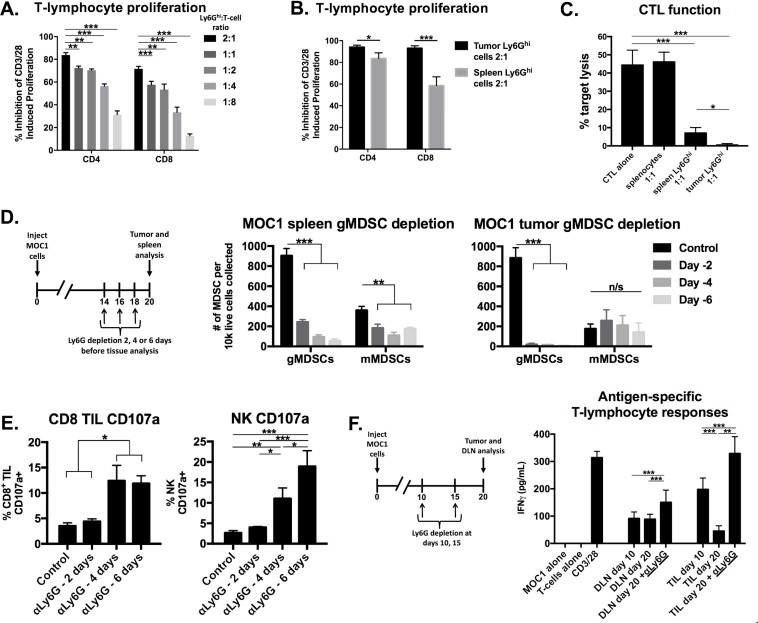
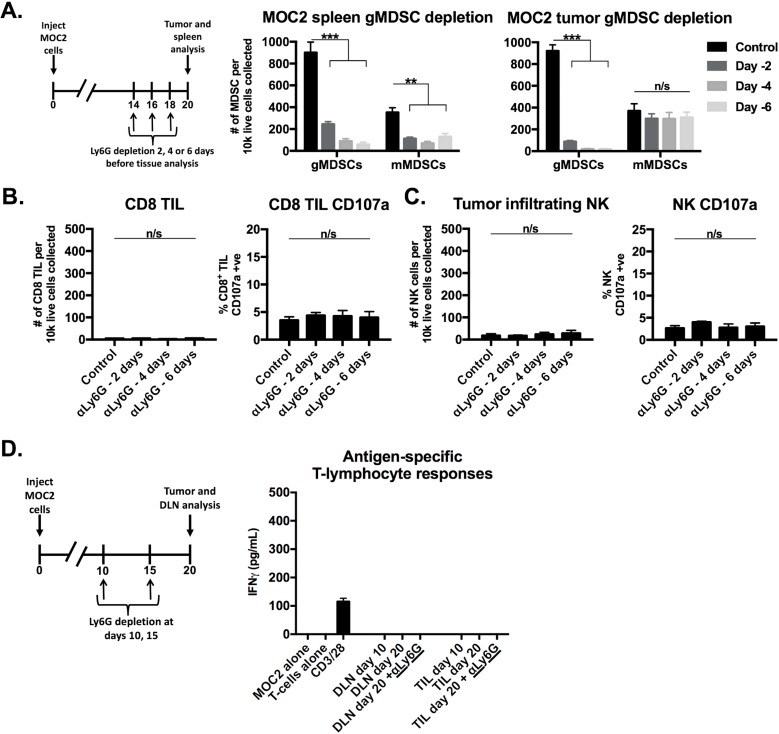
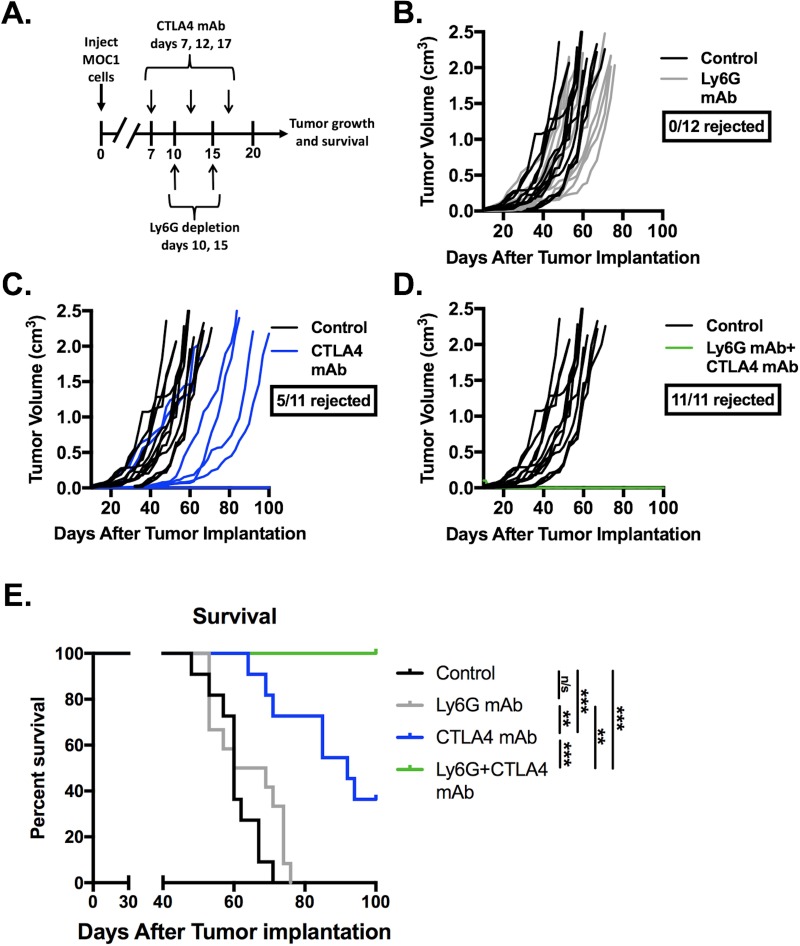
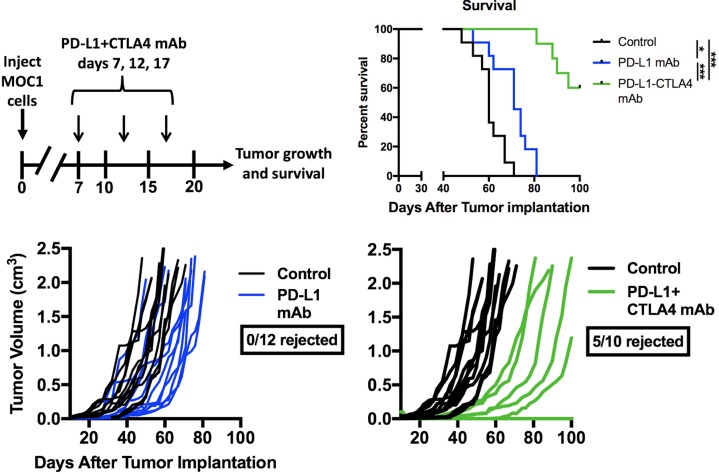
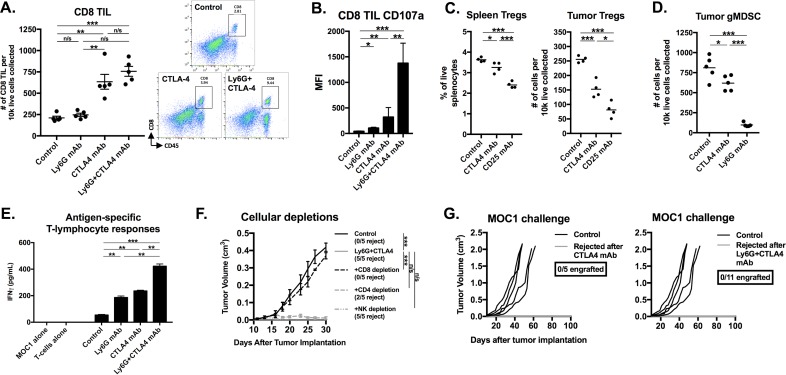
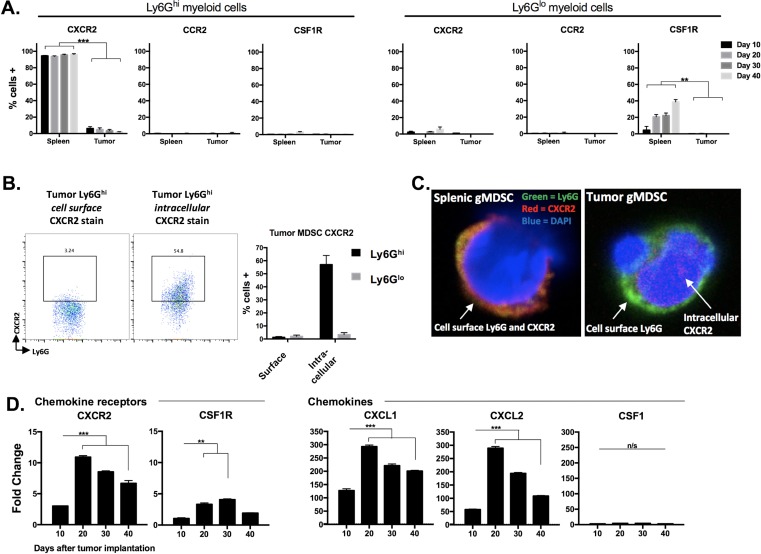
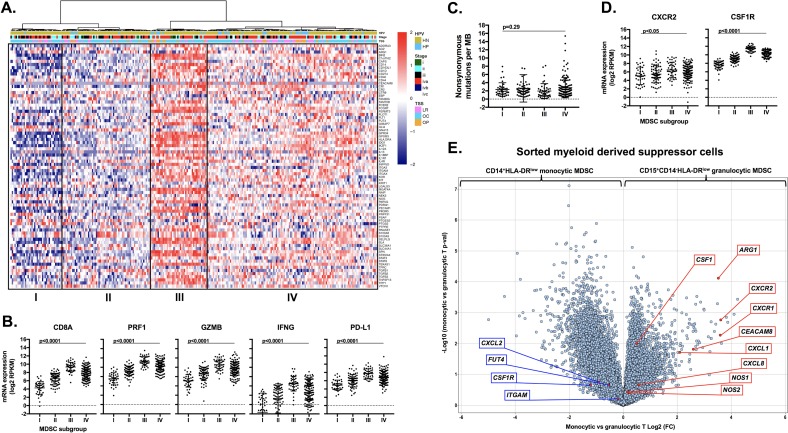
gMDSCs accumulated with tumor progression and correlated with depletion of effector immune cells. Selective depletion of gMDSC restored tumor and draining lymph node antigen-specific T-lymphocyte responses lost with tumor progression. A subset of T-cell inflamed tumors responded to CTLA-4 mAb alone, but the addition of gMDSC depletion induced CD8 T-lymphocyte-dependent rejection of established tumors in all treated mice that resulted in immunologic memory. MDSCs differentially expressed chemokine receptors. Analysis of the head and neck cancer TCGA cohort revealed high CTLA-4 and MDSC-related chemokine and an MDSC-rich gene expression profile with a T-cell inflamed phenotype in > 60% of patients. CXCR2 and CSF1R expression was validated on sorted peripheral blood MDSCs from HNSCC patients.
MDSCs are a major contributor to local immunosuppression that limits responses to checkpoint inhibition in head and neck cancer. Limitation of MDSC recruitment or function represents a rational strategy to enhance responses to CTLA-4-based checkpoint inhibition in these patients.
局部免疫抑制仍然是一个关键问题,限制了头颈癌患者对检查点抑制的临床有意义的反应。在此,我们评估了髓源性抑制细胞(MDSC)清除对CTLA-4检查点抑制反应的影响。
通过流式细胞术对小鼠同基因癌免疫浸润进行表征。清除粒细胞性MDSC(gMDSC)并测量T淋巴细胞抗原特异性反应。对荷瘤小鼠进行MDSC清除和CTLA-4检查点阻断治疗。分析了来自癌症基因组图谱(TCGA)的人类头颈部鳞状细胞癌(HNSCC)数据集中的免疫特征,并检查了分选的人类外周MDSC的差异表达基因。
gMDSC随着肿瘤进展而积累,并与效应免疫细胞的耗竭相关。gMDSC的选择性清除恢复了随着肿瘤进展而丧失的肿瘤和引流淋巴结抗原特异性T淋巴细胞反应。一部分T细胞炎症性肿瘤单独对CTLA-4单克隆抗体有反应,但添加gMDSC清除剂可诱导所有接受治疗的小鼠中已建立肿瘤的CD8 T淋巴细胞依赖性排斥反应,从而产生免疫记忆。MDSC差异表达趋化因子受体。对头颈部癌TCGA队列的分析显示,超过60%的患者中CTLA-4和MDSC相关趋化因子水平较高,且具有富含MDSC的基因表达谱和T细胞炎症表型。在HNSCC患者分选的外周血MDSC上验证了CXCR2和CSF1R的表达。
MDSC是局部免疫抑制的主要促成因素,限制了头颈癌对检查点抑制的反应。限制MDSC募集或功能是增强这些患者对基于CTLA-4的检查点抑制反应的合理策略。