School of Public Health, Hongqiao International Institute of Medicine, Shanghai Jiao Tong University School of Medicine, Shanghai 200025, China; Department of Pharmacy, Shanghai East Hospital, Tongji University School of Medicine, Shanghai 200120, China.
School of Public Health, Hongqiao International Institute of Medicine, Shanghai Jiao Tong University School of Medicine, Shanghai 200025, China.
EBioMedicine. 2017 Oct;24:116-126. doi: 10.1016/j.ebiom.2017.09.002. Epub 2017 Sep 6.
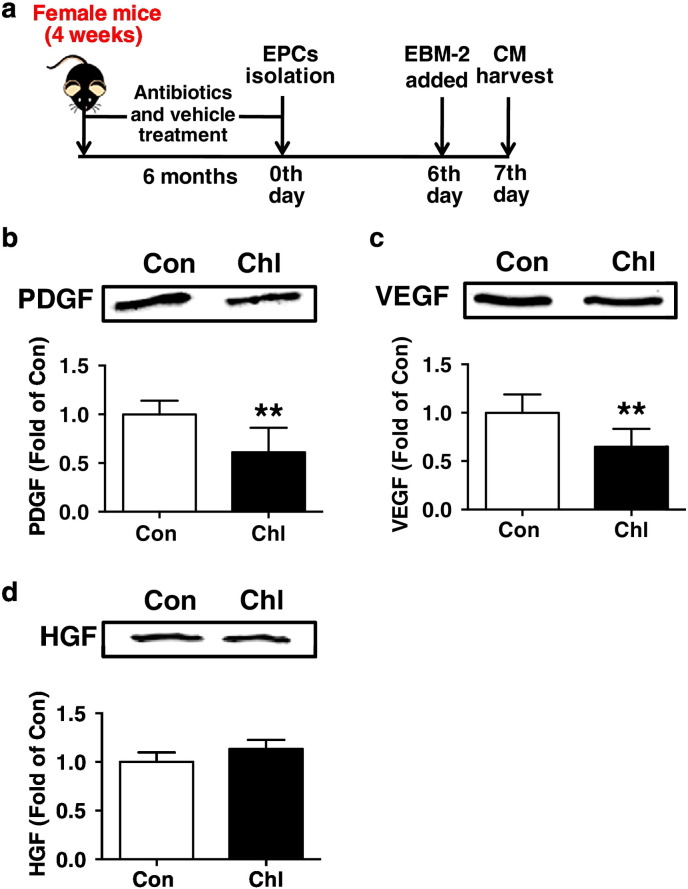
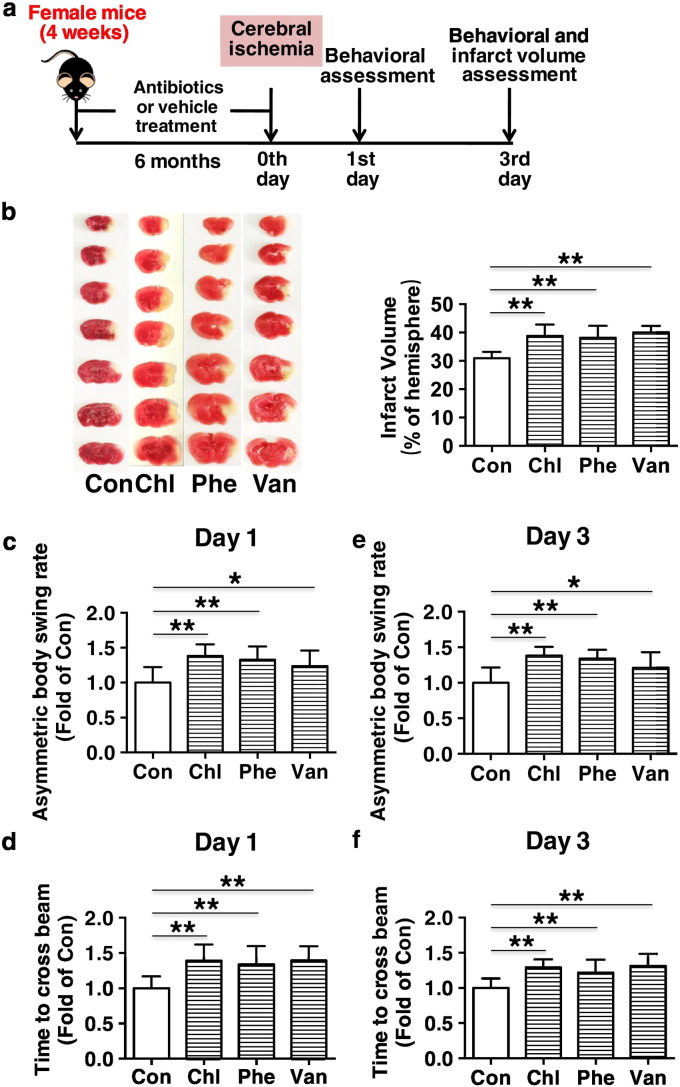
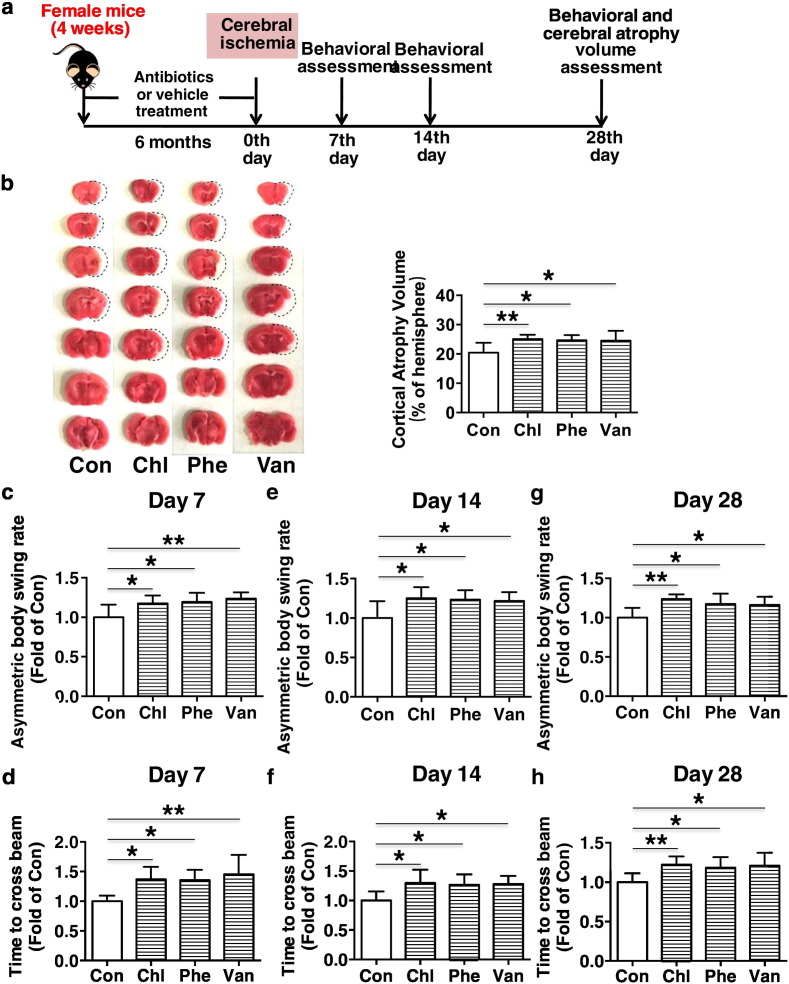
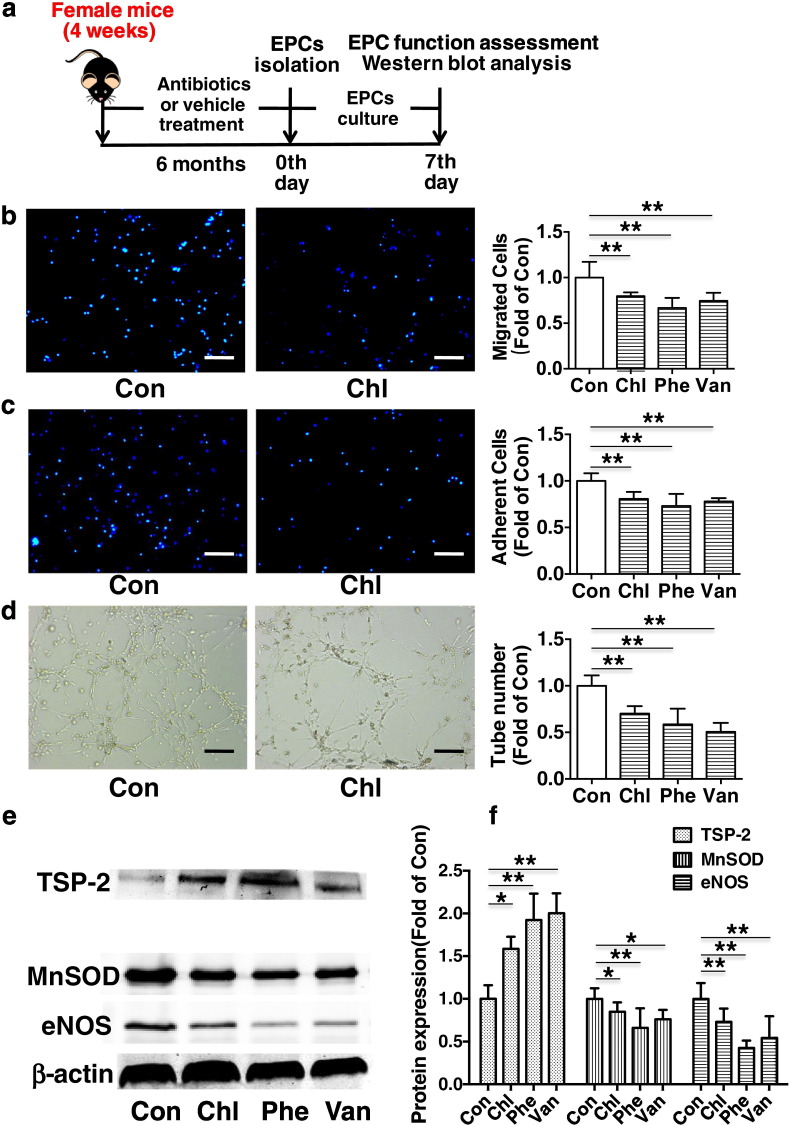
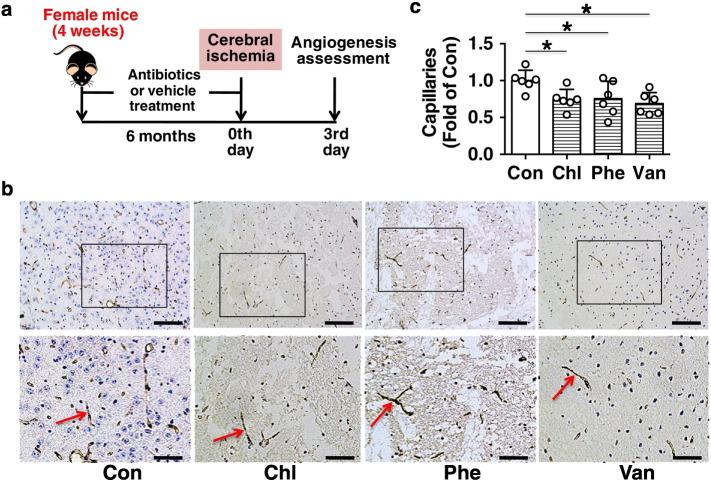
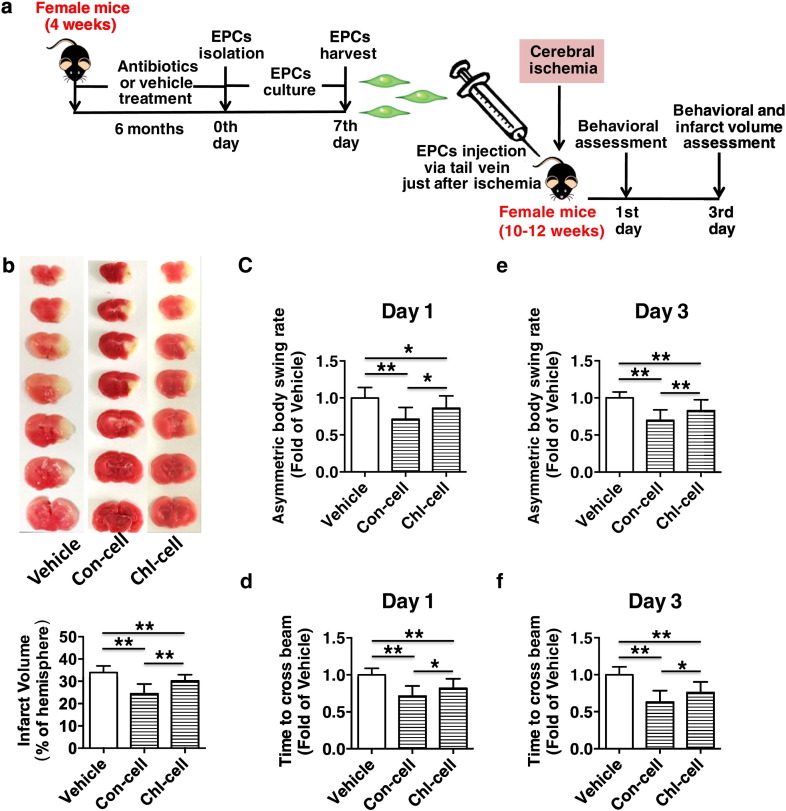
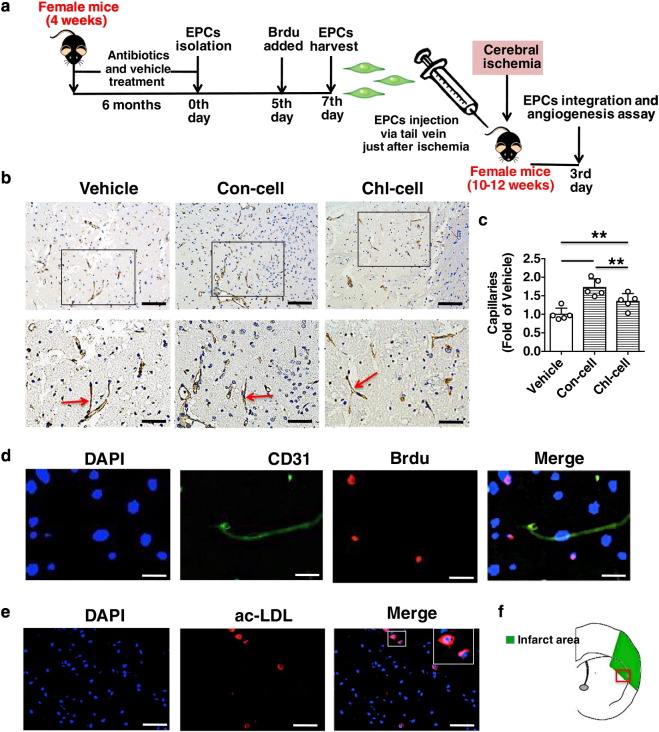
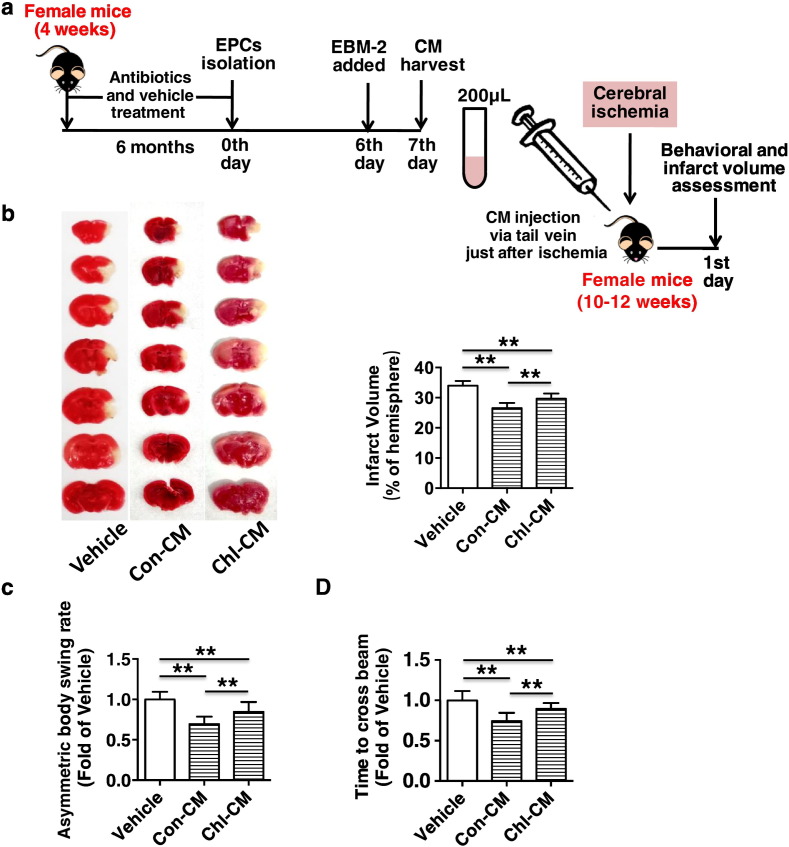
Subtherapeutic antibiotics have been widely used in agriculture since the 1950s, which can be accumulated in human body through various approaches and may have long-term consequences. However, there is limited information about the link between chronic subtherapeutic antibiotic exposure and the outcome of ischemic brain injury. Here we showed that long-term treatment with subtherapeutic chlortetracycline, penicillin or vancomycin, which were widely used in agriculture approved by US Food and Drug Administration (FDA), could impair EPC functions, reduce ischemic brain angiogenesis and aggravate cerebral ischemic injury and long-term stroke outcomes in mice. In addition, transplantated EPCs from chronic antibiotic-treated mice showed a lower therapeutic effect on cerebral ischemic injury reduction and local angiogenesis promotion compared to those from control mice, and EPCs from the donor animals could integrate into the recipient ischemic brain in mice. Furthermore, transplanted EPCs might exert paracrine effects on cerebral ischemic injury reduction in mice, which could be impaired by chronic antibiotic exposure. In conclusion, chronic subtherapeutic antibiotic exposure aggravated cerebral ischemic injury in mice, which might be partly attributed to the impairment of both EPC-mediated angiogenesis and EPCs' paracrine effects. These findings reveal a previously unrecognized impact of chronic subtherapeutic antibiotic exposure on ischemic injury.
自 20 世纪 50 年代以来,低剂量抗生素在农业中被广泛应用,它们可以通过各种途径在人体内积累,并可能产生长期后果。然而,关于慢性低剂量抗生素暴露与缺血性脑损伤结局之间的联系,信息有限。在这里,我们发现,长期使用被美国食品和药物管理局(FDA)批准的农业中广泛使用的低剂量土霉素、青霉素或万古霉素治疗,可损害 EPC 功能,减少缺血性脑血管生成,并加重小鼠的脑缺血损伤和长期中风结局。此外,与来自对照小鼠的 EPC 相比,来自慢性抗生素处理小鼠的移植 EPC 对减少脑缺血损伤和促进局部血管生成的治疗效果较低,并且供体动物的 EPC 可以整合到小鼠的受者缺血脑中。此外,移植的 EPC 可能通过旁分泌作用减轻小鼠的脑缺血损伤,而慢性抗生素暴露会损害这种作用。总之,慢性低剂量抗生素暴露加重了小鼠的脑缺血损伤,这可能部分归因于 EPC 介导的血管生成和 EPC 旁分泌作用的受损。这些发现揭示了慢性低剂量抗生素暴露对缺血性损伤的先前未被认识的影响。