Department of Clinical and Experimental Medicine, Section of Forensic Pathology, University of Foggia, Ospedale Colonnello D'Avanzo, Foggia, Italy.
NESMOS Department (Neurosciences, Mental Health, and Sensory Organs), Sapienza University of Rome, School of Medicine and Psychology, Sant'Andrea Hospital, Rome, Italy.
Mol Neurobiol. 2018 Jul;55(7):5548-5556. doi: 10.1007/s12035-017-0774-1. Epub 2017 Oct 2.
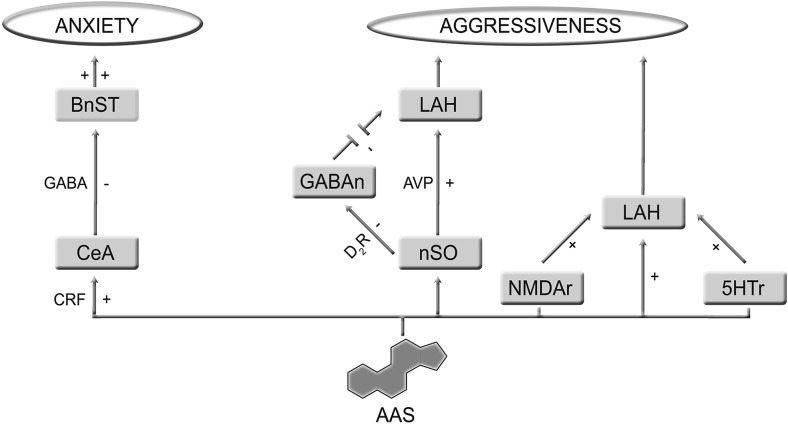
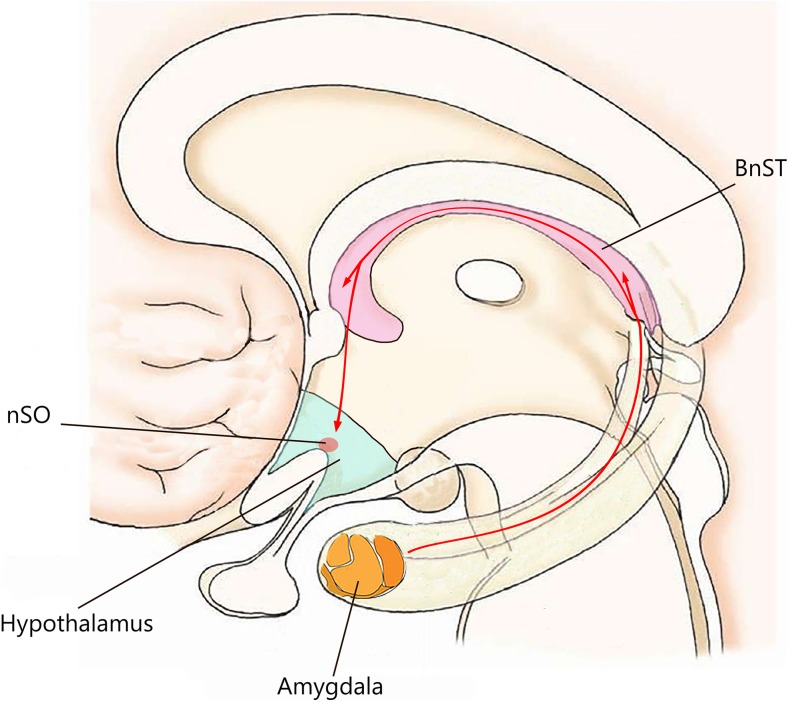
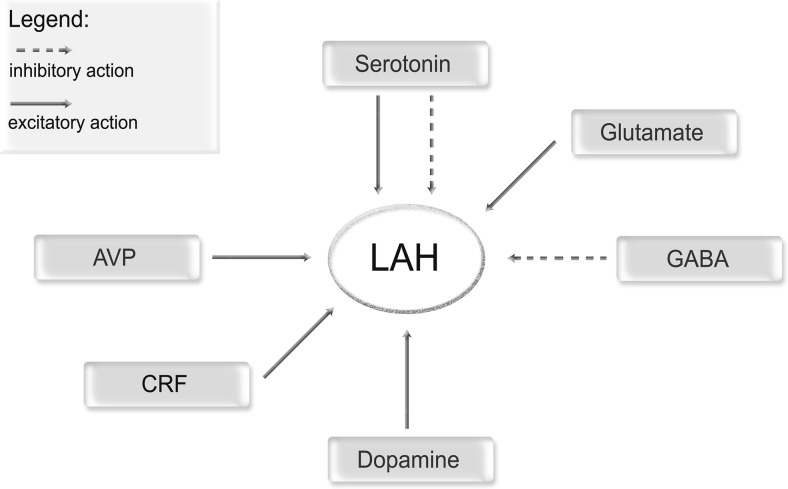
Anabolic-androgenic steroids (AAS) abuse is often associated with a wide spectrum of adverse effects. These drugs are frequently abused by adolescents and athletes for esthetic purposes, as well as for improvement of their endurance and performances. In this literature review, we evaluated the correlation between AAS and anxiety or aggression. Two pathways are thought to be involved in AAS-induced behavioral disorders. Direct pathway via the amygdalo-fugal pathway, which connects the central nucleus of the amygdala to the brainstem, is involved in cognitive-emotive and homeostatic processes. The latter is modified by chronic AAS use, which subsequently leads to increased anxiety. Indirect pathways via the serotonergic, dopaminergic, and glutamatergic signals which are modified by AAS abuse in latero-anterior hypothalamus and can mediate the aggressive behavior. In conclusion, the molecular mechanisms underlying the behavioral alterations following AAS abuse is unclear and remains ambiguous as additional long-term studies aimed to understand the precise mechanisms are required.
合成代谢雄激素类固醇(AAS)滥用常与广泛的不良反应相关。这些药物常被青少年和运动员出于美容目的以及提高耐力和表现而滥用。在本次文献回顾中,我们评估了 AAS 与焦虑或攻击行为之间的相关性。两条途径被认为与 AAS 引起的行为障碍有关。直接途径通过杏仁核传出途径,连接杏仁核中央核到脑干,涉及认知情感和稳态过程。后者被慢性 AAS 使用改变,随后导致焦虑增加。间接途径通过 5-羟色胺能、多巴胺能和谷氨酸能信号,这些信号在外侧前下丘脑被 AAS 滥用改变,可介导攻击行为。总之,AAS 滥用后行为改变的分子机制尚不清楚,仍存在争议,需要进一步的长期研究来了解确切的机制。