Khan M A Hannan, Ullah Rizwan, Rehman Abdur, Rehman Lubna, P A Ahammed Shareef, Abidi S M A
Section of Parasitology, Department of Zoology, Aligarh Muslim University, Aligarh, India.
PLoS One. 2017 Oct 3;12(10):e0185870. doi: 10.1371/journal.pone.0185870. eCollection 2017.
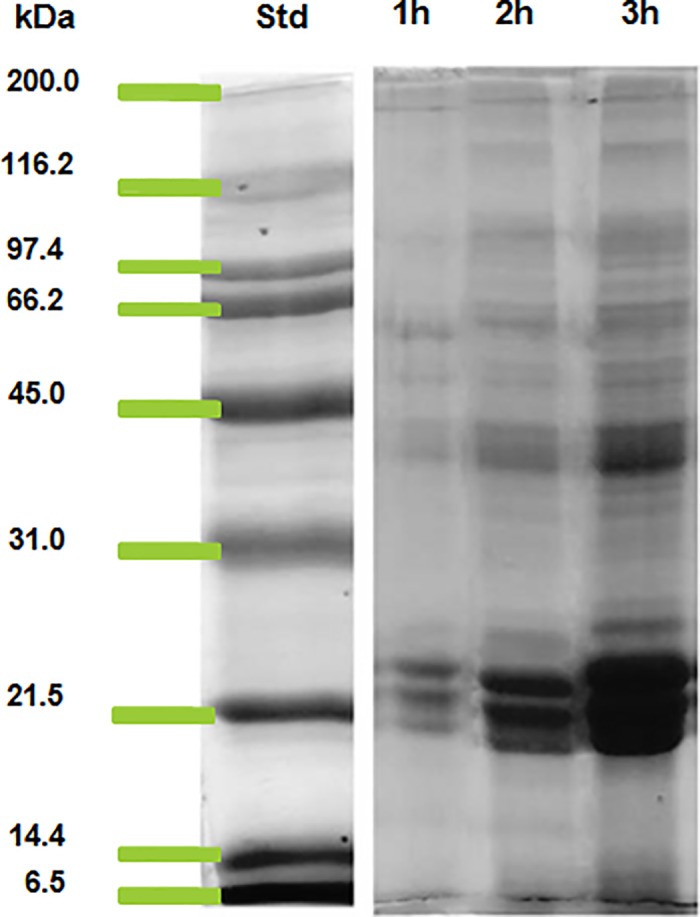
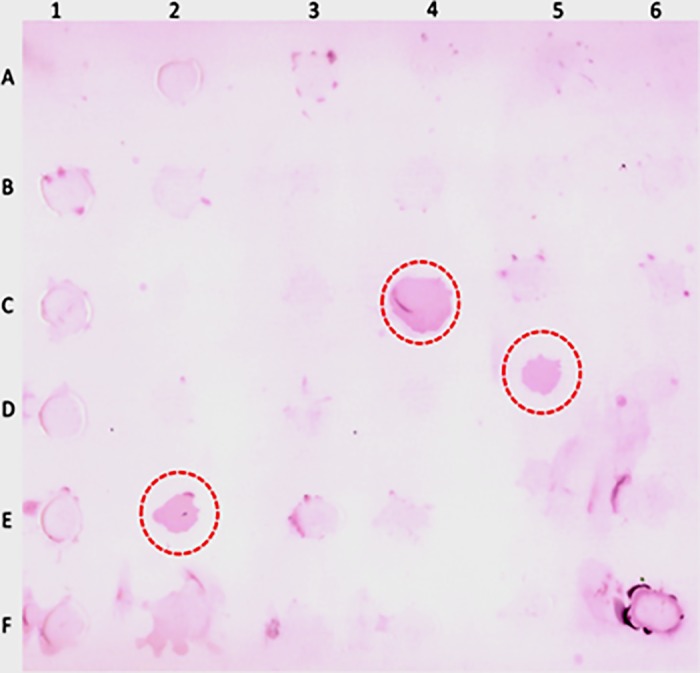
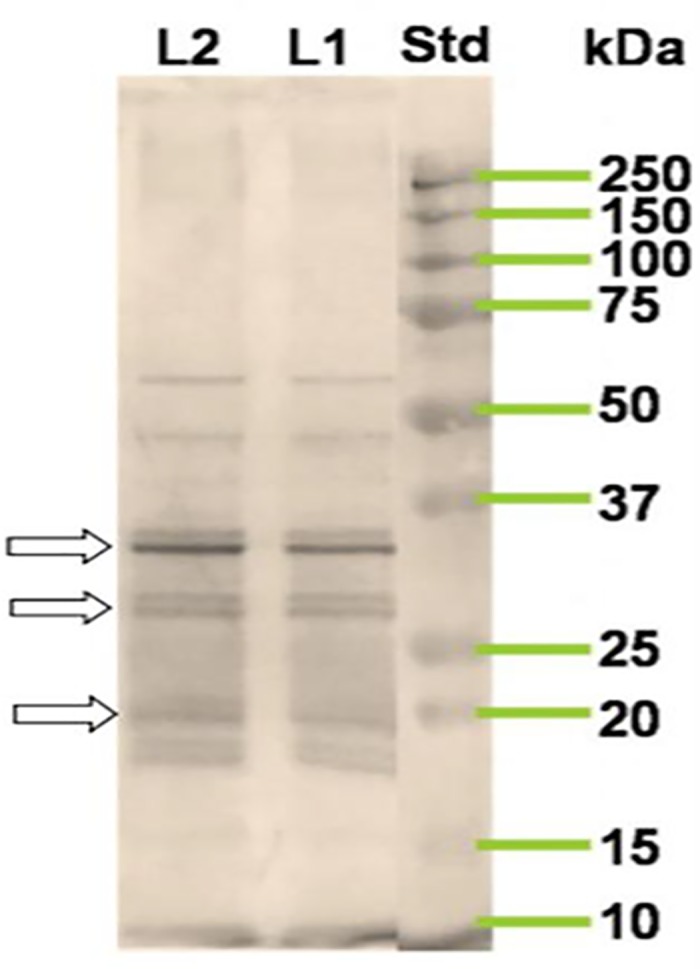
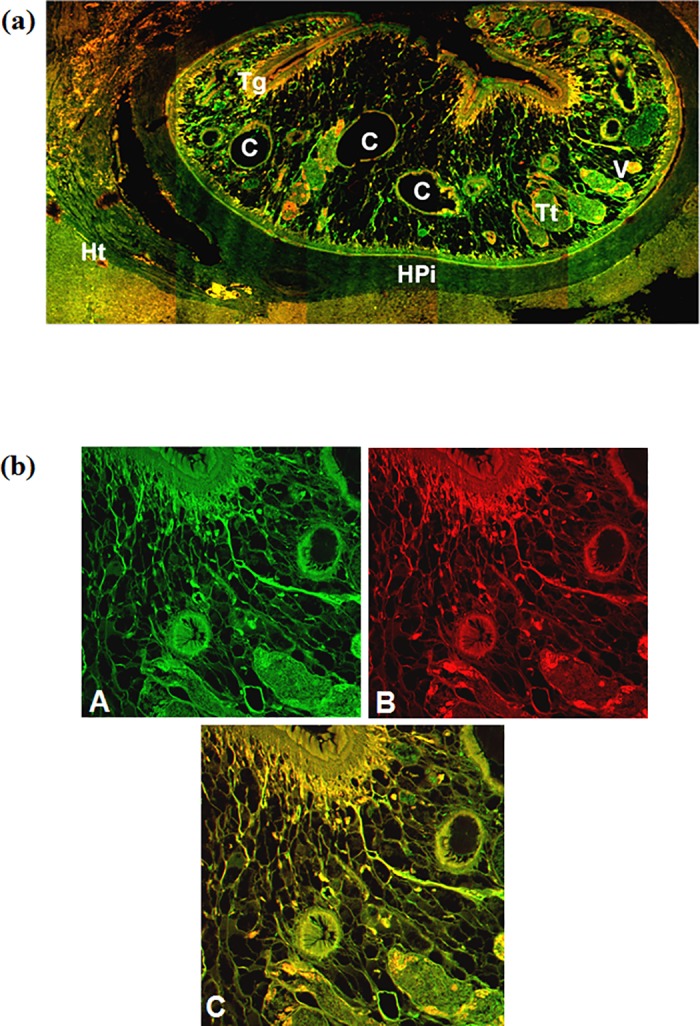
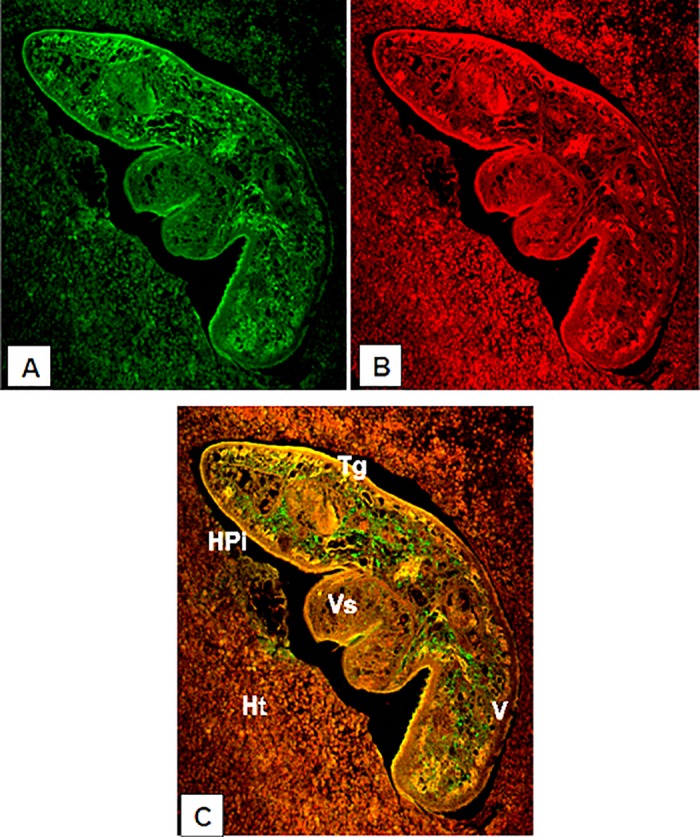
The digenetic trematode Fasciola gigantica is a parasite of great agricultural and economic importance. Along with Fasciola hepatica, F. gigantica incurs huge economic losses to the agricultural sector. Because of unavailability of an effective and commercial vaccine, the earliest diagnosis of the disease is the only way to control the disease. The conventional coprological techniques are able to detect the disease only after the parasites get matured and starts releasing their eggs with the faeces of host, therefore prepatent infection remain undiagnosed. The alternative method is by serological tests that uses circulatory antigens. Despite high sensitivity, their reliability is quite low because of the common antigens shared between different helminth parasites. To overcome this, investigation was shifted to identify the copro-antigens which could be more sensitive and reliable. In the present study, we tried to identify some of the immunodominant proteins from the Excretory Secretory (ES) product of F. gigantica which can be further characterized and used for early detection of infection and also as drug and vaccine candidates. The ES products of F. gigantica were collected and used for raising the polyclonal antibody in rabbit. The polypeptide profile was generated as well as immunogenic polypeptides were identified. The Source of ES antigen was immunolocalized using confocal microscopy and dot blot assay was performed to diagnose field infection. The polypeptide profile of ES products revealed a total of 24 polypeptides out of which 12 immunogenic polypeptides were identified by western blotting. Confocal micrographs showed the immunolocalization of antigens in the intestinal caecae, vitalline glands, gonads as well as in the tegument of the worm. The dot blot assay confirmed the utility of ES products for the detection of field infection. Subsequently, cross reactivity was found negative with Gigantocotyle explanatum; an amphitome parasite of same habitat. However, the cross reactivity with other helminths needs to be worked out.
双殖吸虫巨片形吸虫是一种具有重大农业和经济意义的寄生虫。与肝片形吸虫一样,巨片形吸虫给农业部门造成了巨大的经济损失。由于缺乏有效的商业疫苗,疾病的早期诊断是控制该病的唯一途径。传统的粪便学技术只有在寄生虫成熟并开始随宿主粪便排出虫卵后才能检测到疾病,因此潜伏期感染仍无法诊断。另一种方法是通过使用循环抗原的血清学检测。尽管灵敏度高,但由于不同蠕虫寄生虫之间存在共同抗原,其可靠性相当低。为了克服这一问题,研究转向鉴定更敏感和可靠的粪便抗原。在本研究中,我们试图从巨片形吸虫的排泄分泌(ES)产物中鉴定一些免疫显性蛋白,这些蛋白可进一步表征并用于感染的早期检测,以及作为药物和疫苗候选物。收集了巨片形吸虫的ES产物,并用于在兔体内制备多克隆抗体。生成了多肽图谱并鉴定了免疫原性多肽。使用共聚焦显微镜对ES抗原的来源进行免疫定位,并进行斑点印迹分析以诊断现场感染。ES产物的多肽图谱显示共有24种多肽,其中12种免疫原性多肽通过蛋白质印迹法鉴定。共聚焦显微镜照片显示抗原在肠盲囊、卵黄腺、性腺以及虫体的体表中免疫定位。斑点印迹分析证实了ES产物在检测现场感染中的实用性。随后,发现与同一生境的双腔吸虫巨大阔盘吸虫无交叉反应。然而,与其他蠕虫的交叉反应仍需进一步研究。