Chizhov Anton V, Amakhin Dmitry V, Zaitsev Aleksey V
Computational Physics Laboratory, Ioffe Institute, Saint Petersburg, Russia.
Laboratory of Molecular Mechanisms of Neural Interactions, Sechenov Institute of Evolutionary Physiology and Biochemistry of the Russian Academy of Sciences, Saint Petersburg, Russia.
PLoS One. 2017 Oct 4;12(10):e0185752. doi: 10.1371/journal.pone.0185752. eCollection 2017.
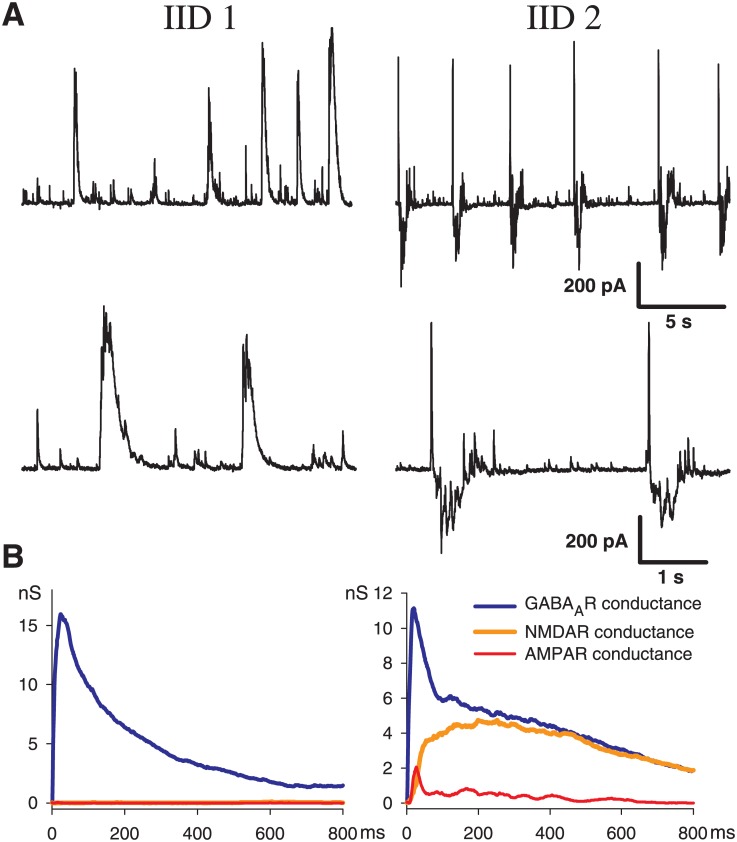
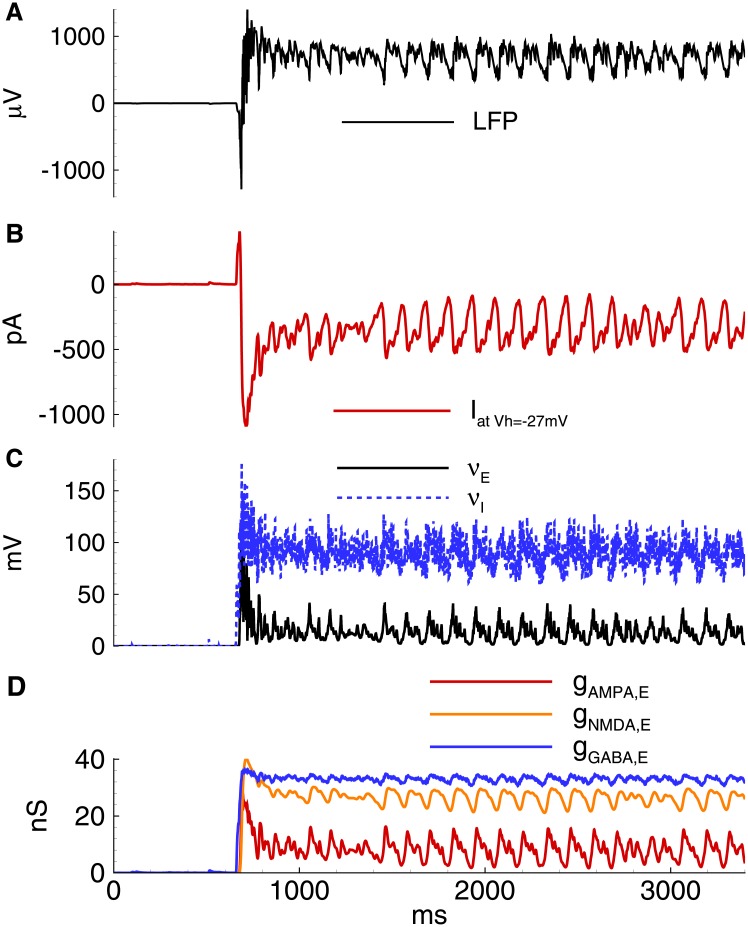
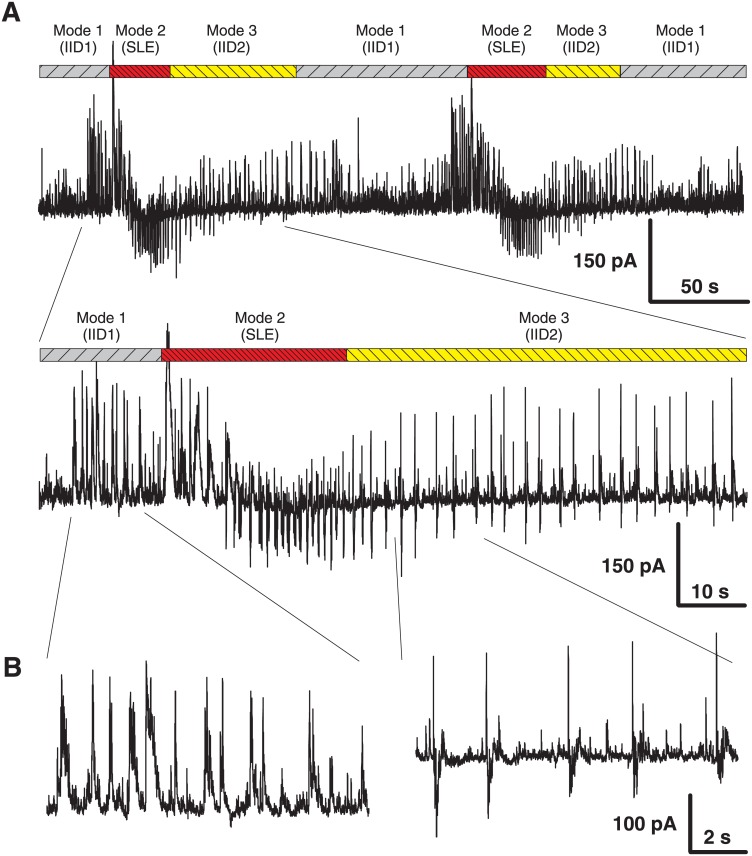
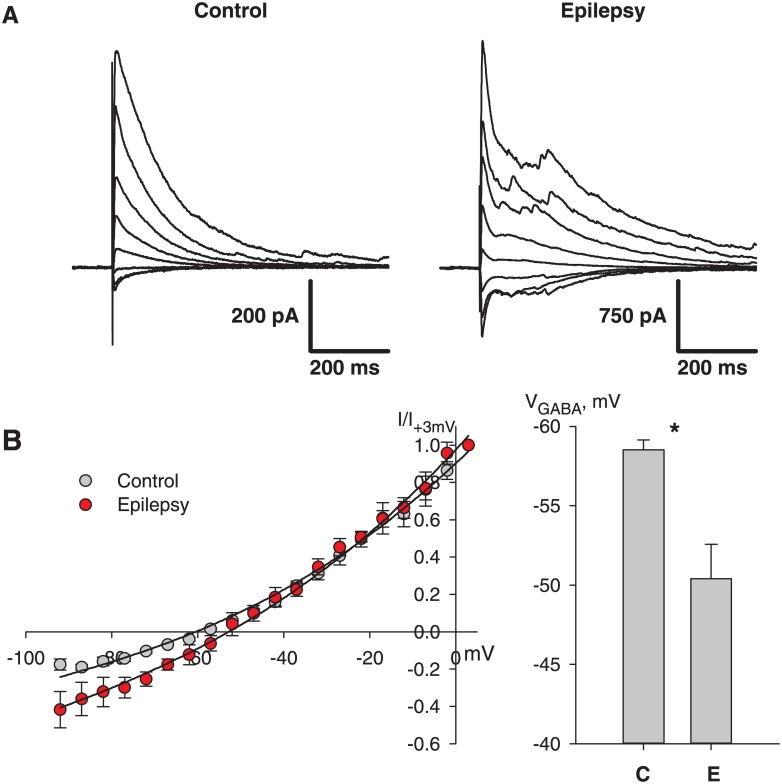
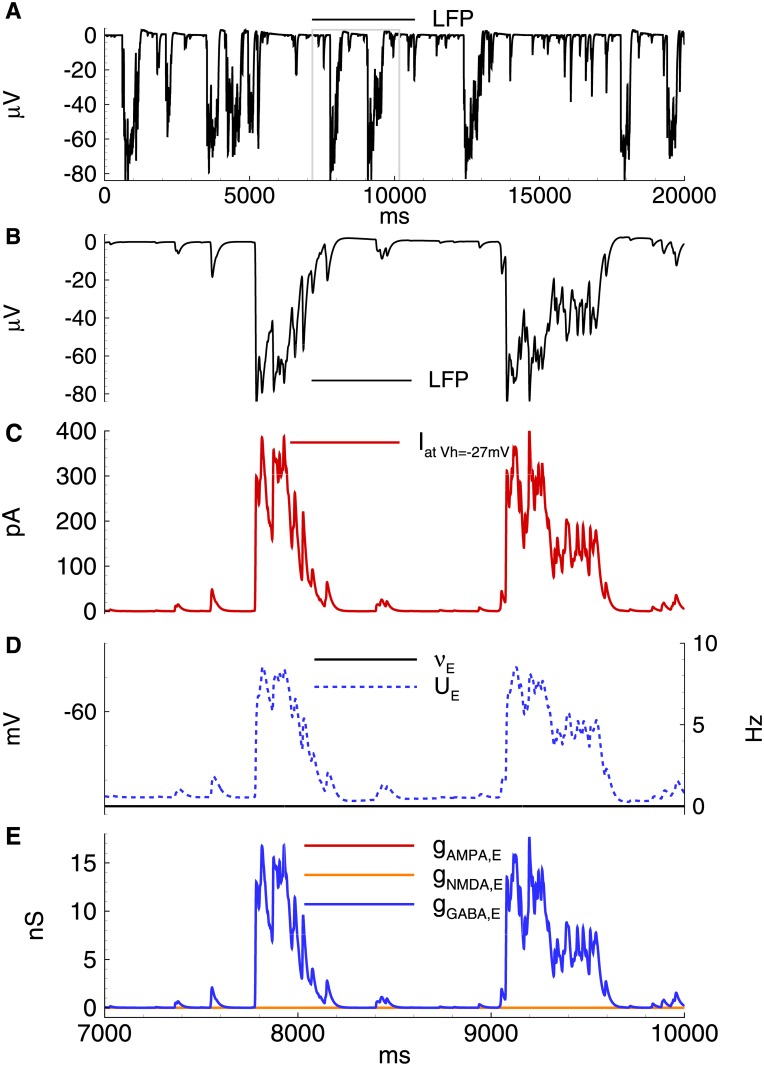
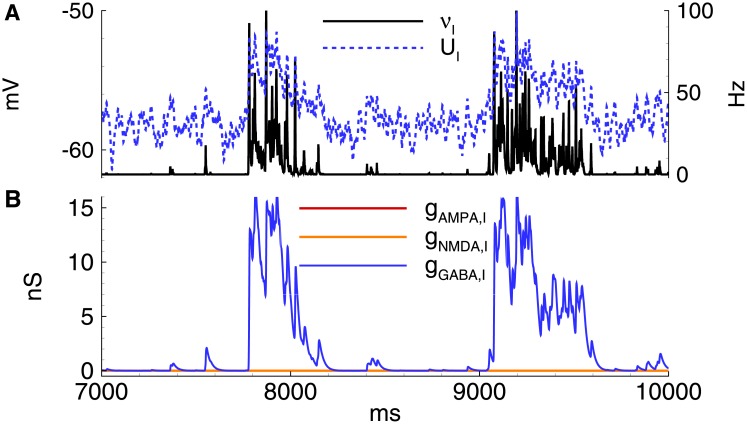
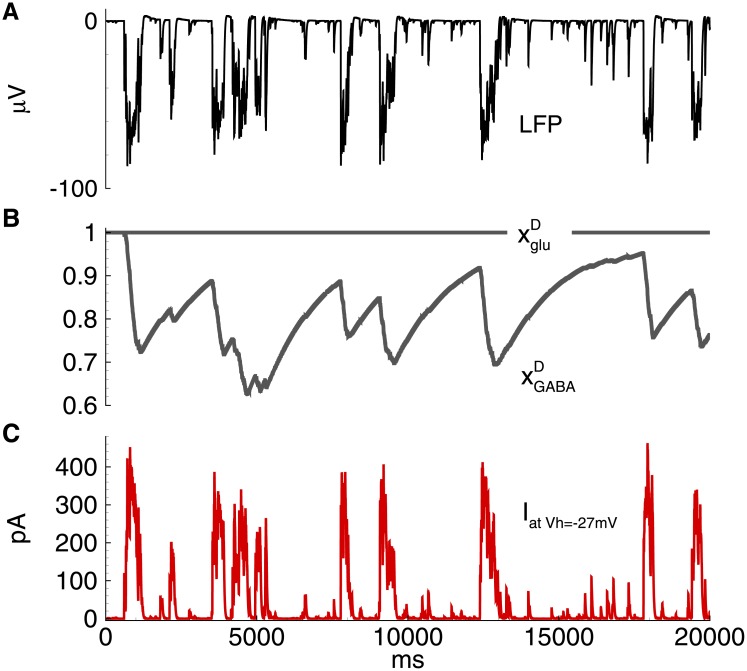
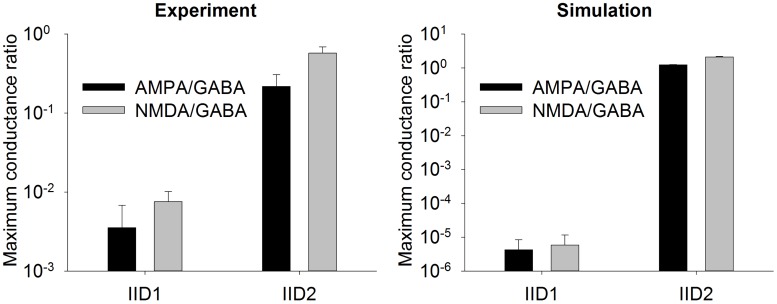
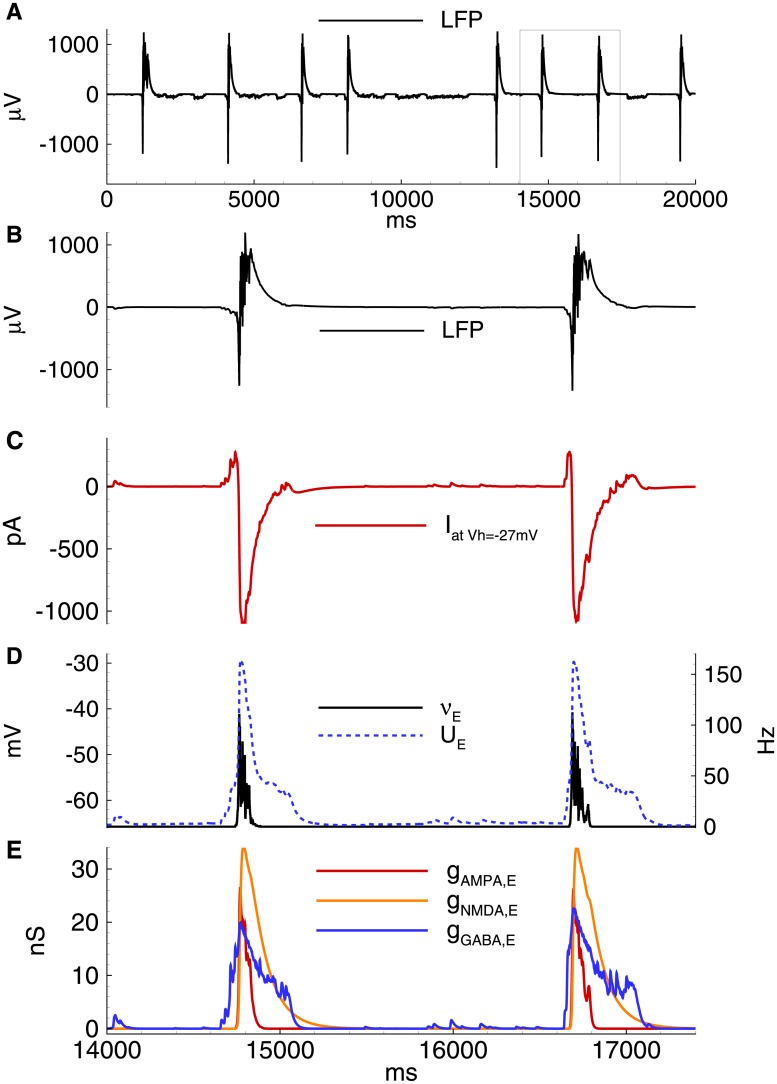
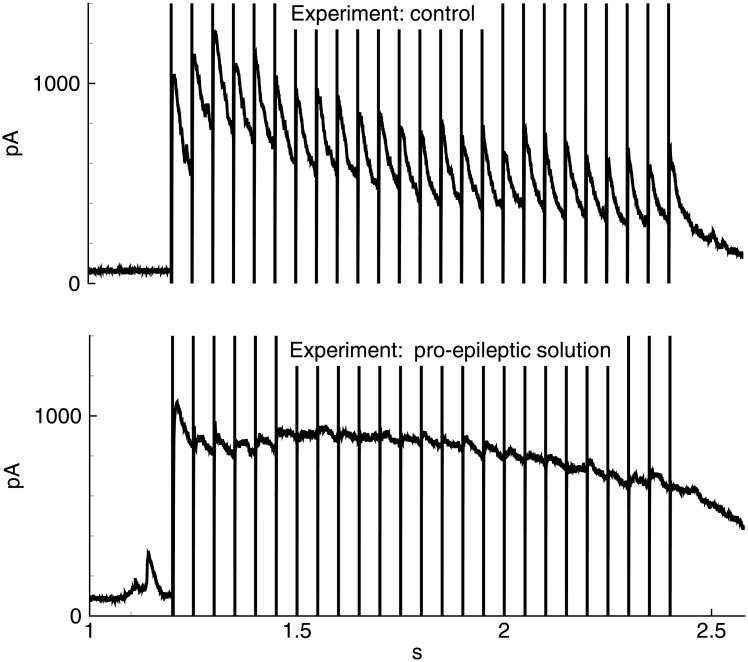
Interictal discharges (IIDs) are abnormal waveforms registered in the periods before or between seizures. IIDs that are initiated by GABAergic interneurons have not been mathematically modeled yet. In the present study, a mathematical model that describes the mechanisms of these discharges is proposed. The model is based on the experimental recordings of IIDs in pyramidal neurons of the rat entorhinal cortex and estimations of synaptic conductances during IIDs. IIDs were induced in cortico-hippocampal slices by applying an extracellular solution with 4-aminopyridine, high potassium, and low magnesium concentrations. Two different types of IIDs initiated by interneurons were observed. The first type of IID (IID1) was pure GABAergic. The second type of IID (IID2) was induced by GABAergic excitation and maintained by recurrent interactions of both GABA- and glutamatergic neuronal populations. The model employed the conductance-based refractory density (CBRD) approach, which accurately approximates the firing rate of a population of similar Hodgkin-Huxley-like neurons. The model of coupled excitatory and inhibitory populations includes AMPA, NMDA, and GABA-receptor-mediated synapses and gap junctions. These neurons receive both arbitrary deterministic input and individual colored Gaussian noise. Both types of IIDs were successfully reproduced in the model by setting two different depolarized levels for GABA-mediated current reversal potential. It was revealed that short-term synaptic depression is a crucial factor in ceasing each of the discharges, and it also determines their durations and frequencies.
发作间期放电(IIDs)是在癫痫发作前或发作间期记录到的异常波形。由γ-氨基丁酸能中间神经元引发的发作间期放电尚未建立数学模型。在本研究中,提出了一个描述这些放电机制的数学模型。该模型基于大鼠内嗅皮质锥体细胞发作间期放电的实验记录以及发作间期突触电导的估计。通过应用含有4-氨基吡啶、高钾和低镁浓度的细胞外溶液,在皮质-海马切片中诱导出发作间期放电。观察到由中间神经元引发的两种不同类型的发作间期放电。第一种类型的发作间期放电(IID1)是纯γ-氨基丁酸能的。第二种类型的发作间期放电(IID2)由γ-氨基丁酸能兴奋诱导,并由γ-氨基丁酸能和谷氨酸能神经元群体的反复相互作用维持。该模型采用基于电导的不应期密度(CBRD)方法,该方法能准确近似一群类似霍奇金-赫胥黎神经元的放电频率。耦合的兴奋性和抑制性群体模型包括AMPA、NMDA和γ-氨基丁酸受体介导的突触以及缝隙连接。这些神经元接收任意确定性输入和个体有色高斯噪声。通过为γ-氨基丁酸介导的电流反转电位设置两个不同的去极化水平,在模型中成功再现了两种类型的发作间期放电。结果表明,短期突触抑制是终止每次放电的关键因素,它还决定了放电的持续时间和频率。