1 Hematological Malignancies Program, St. Jude Children's Research Hospital, Memphis, TN, USA.
2 Department of Pharmaceutical Sciences, St. Jude Children's Research Hospital, Memphis, TN, USA.
SLAS Discov. 2018 Feb;23(2):164-173. doi: 10.1177/2472555217735035. Epub 2017 Oct 6.
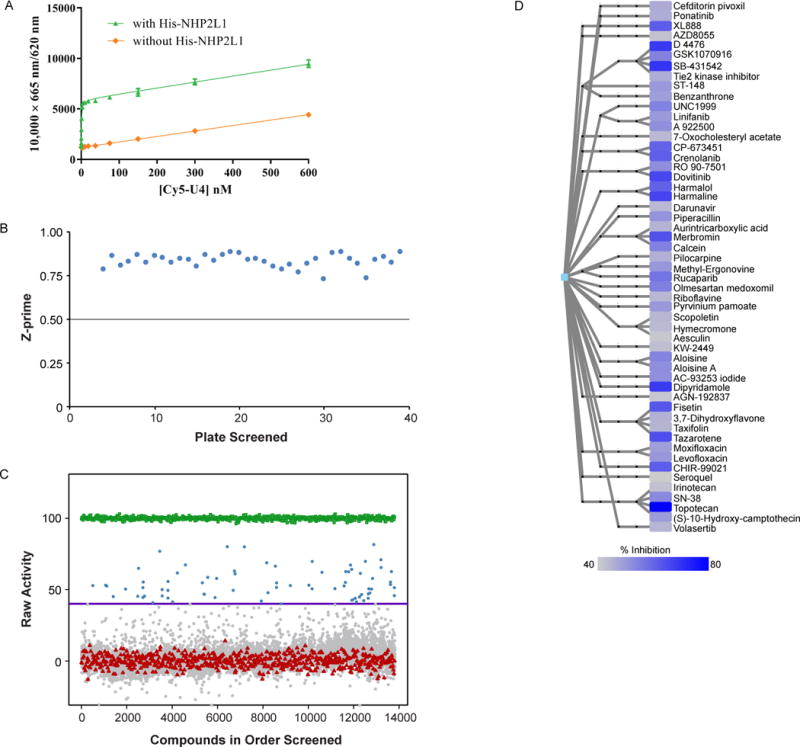
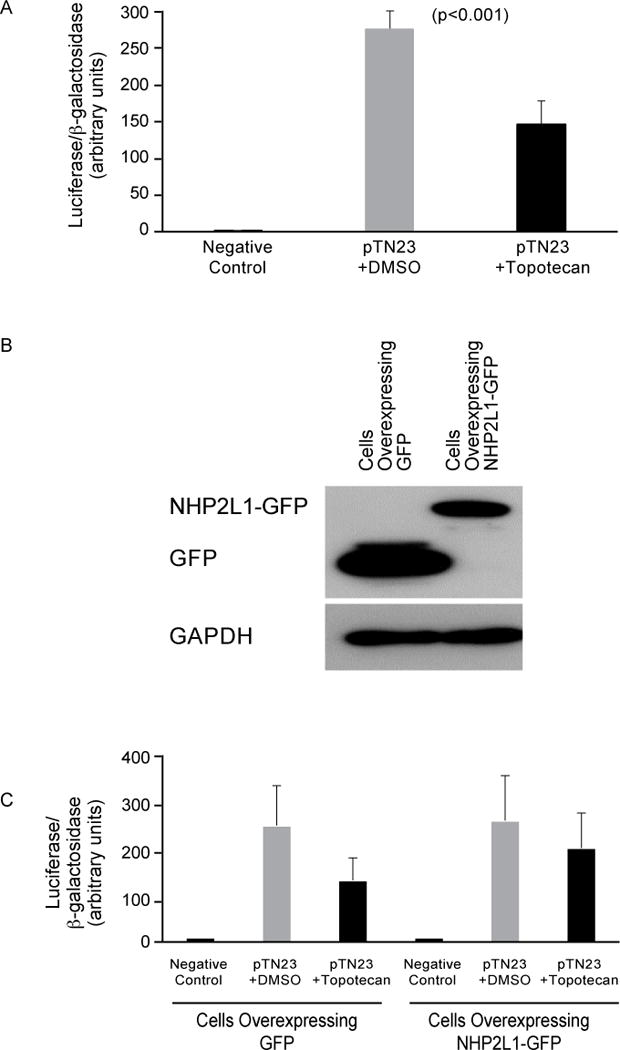
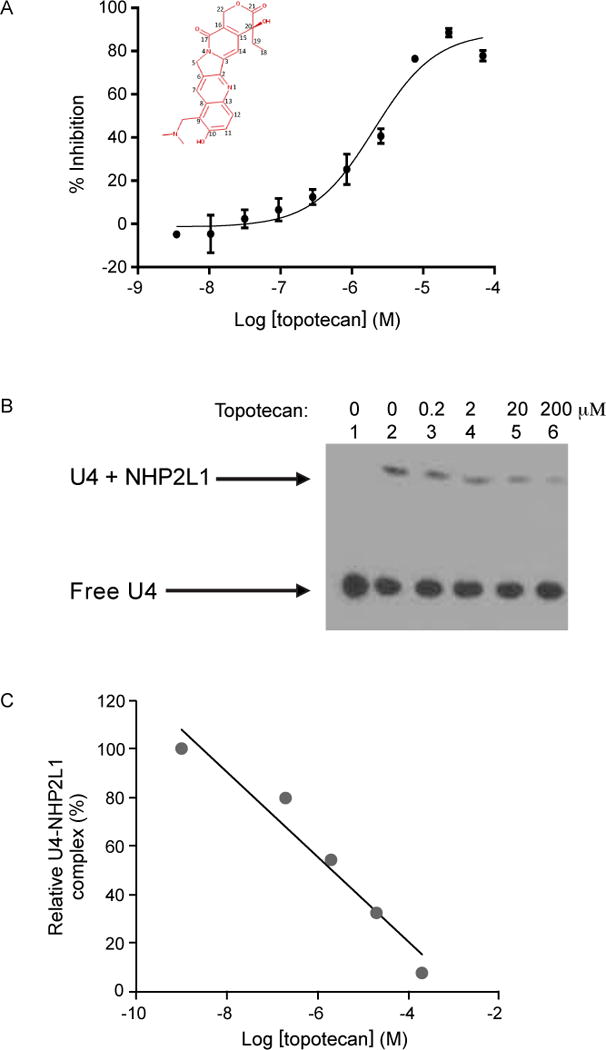
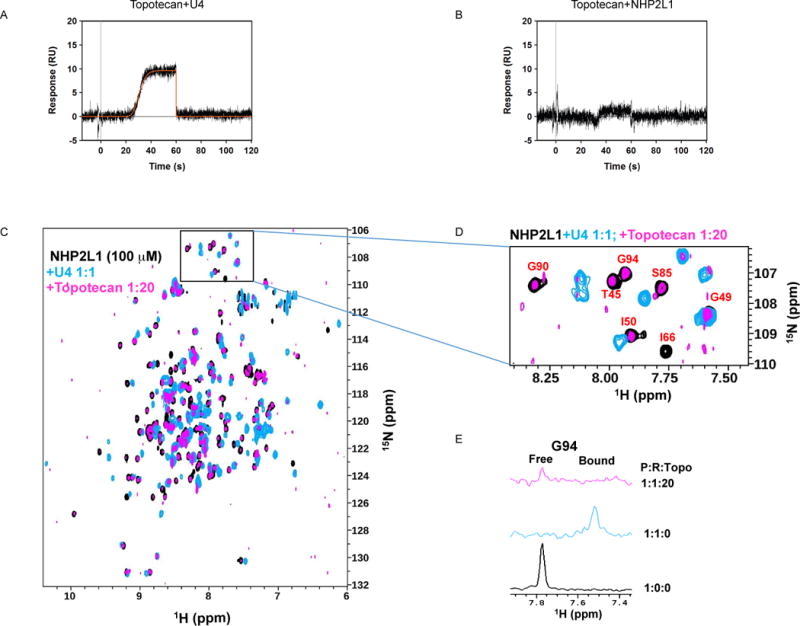
Splicing is an important eukaryotic mechanism for expanding the transcriptome and proteome, influencing a number of biological processes. Understanding its regulation and identifying small molecules that modulate this process remain a challenge. We developed an assay based on time-resolved fluorescence resonance energy transfer (TR-FRET) to detect the interaction between the protein NHP2L1 and U4 RNA, which are two key components of the spliceosome. We used this assay to identify small molecules that interfere with this interaction in a high-throughput screening (HTS) campaign. Topotecan and other camptothecin derivatives were among the top hits. We confirmed that topotecan disrupts the interaction between NHP2L1 and U4 by binding to U4 and inhibits RNA splicing. Our data reveal new functions of known drugs that could facilitate the development of therapeutic strategies to modify splicing and alter gene function.
剪接是真核生物扩大转录组和蛋白质组的一种重要机制,影响许多生物过程。了解其调控机制并鉴定出能调节这一过程的小分子仍然是一个挑战。我们开发了一种基于时间分辨荧光共振能量转移(TR-FRET)的测定法来检测蛋白质 NHP2L1 和 U4 RNA 之间的相互作用,这两种物质是剪接体的两个关键组成部分。我们使用该测定法在高通量筛选(HTS)实验中鉴定出干扰这种相互作用的小分子。拓扑替康和其他喜树碱衍生物是名列前茅的命中物之一。我们证实拓扑替康通过与 U4 结合并抑制 RNA 剪接来破坏 NHP2L1 和 U4 之间的相互作用。我们的数据揭示了已知药物的新功能,这可能有助于开发改变剪接和改变基因功能的治疗策略。