Gou Xiao-Jun, Feng Qin, Fan Lin-Lin, Zhu Jian, Hu Yi-Yang
Central Laboratory, Baoshan District Hospital of Integrated Traditional Chinese and Western Medicine of Shanghai, Shanghai 201999, China.
Institute of Liver Disease, Shuguang Hospital, Shanghai University of Traditional Chinese Medicine, Shanghai 201203, China.
Evid Based Complement Alternat Med. 2017;2017:6242697. doi: 10.1155/2017/6242697. Epub 2017 Sep 5.
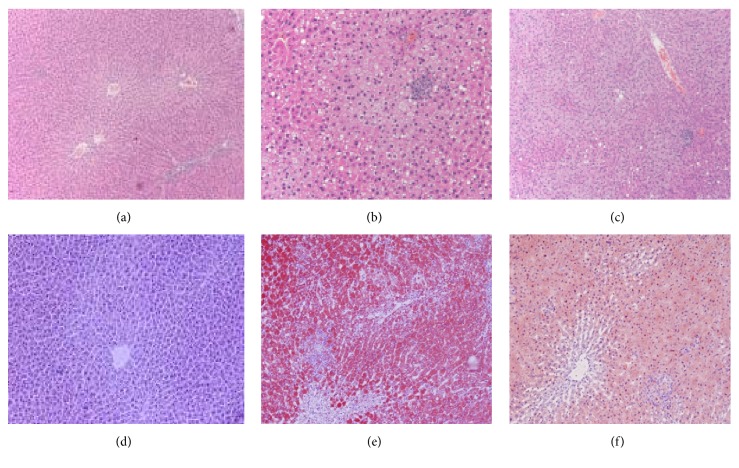
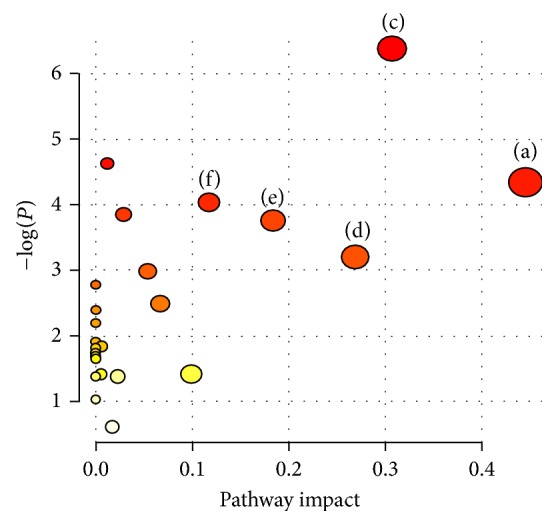
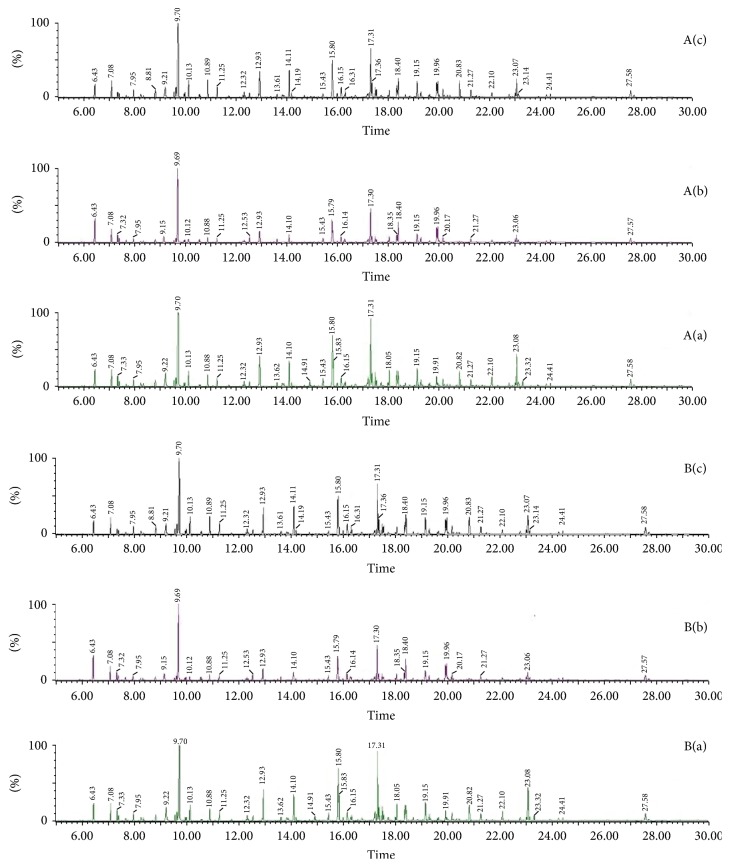
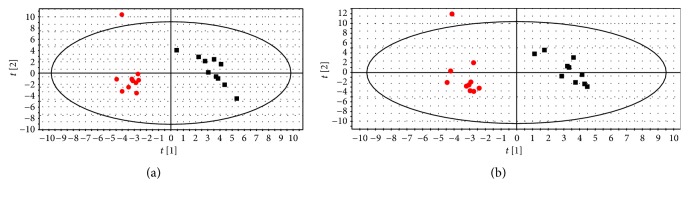
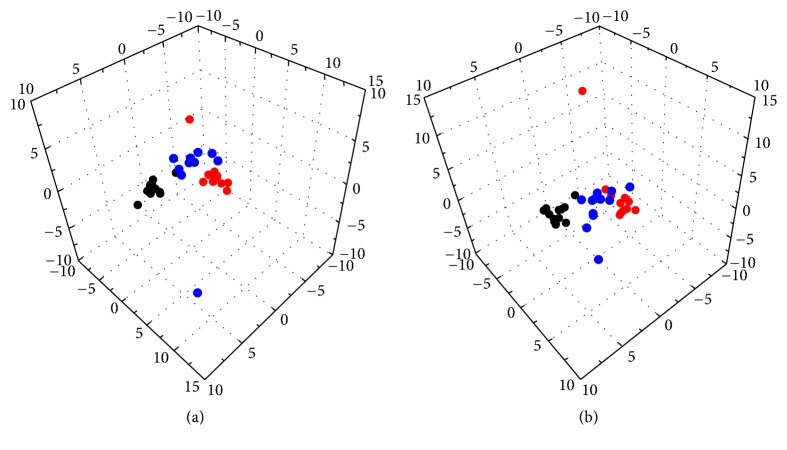
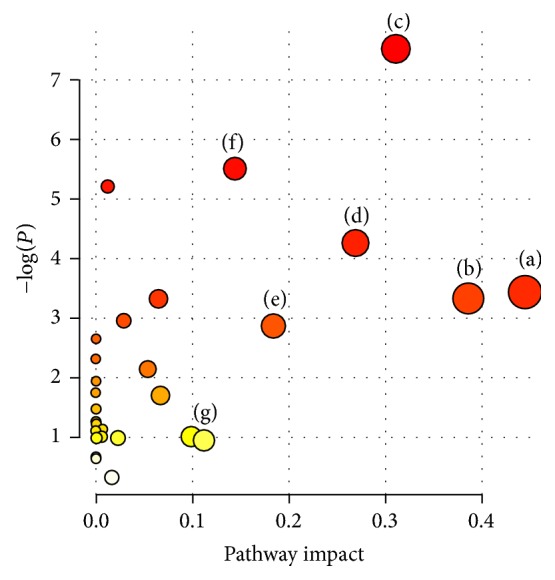
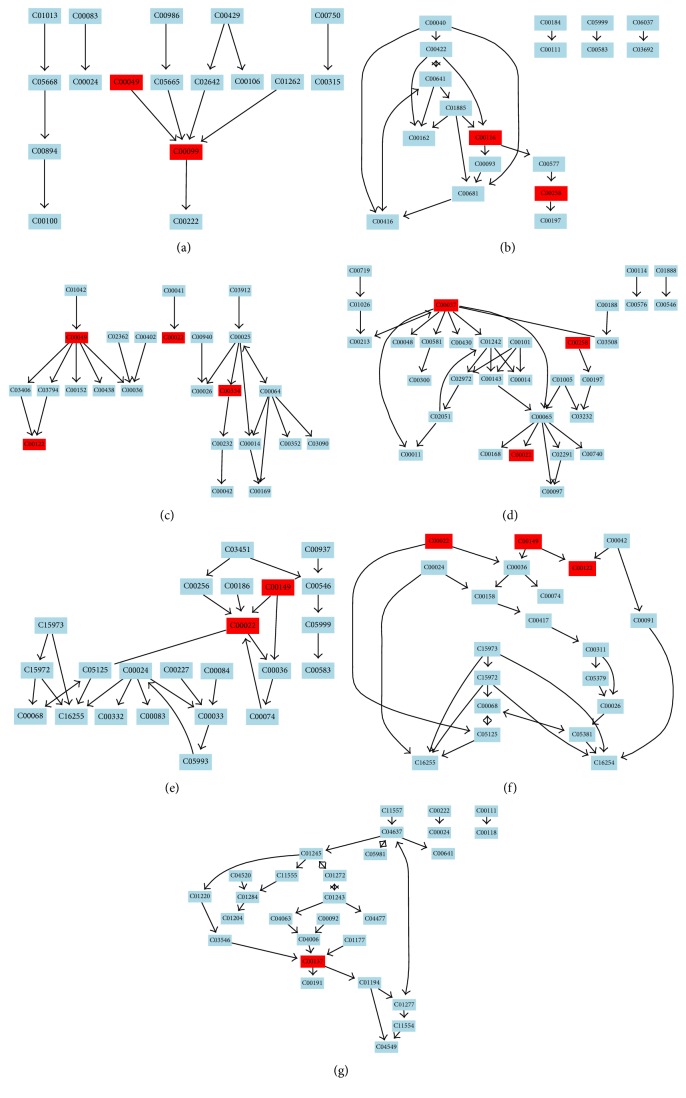
Qushi Huayu Decoction (QSHY), clinically derived, consists of five crude drugs, commonly used in treating fatty liver in a clinical setting. However, little is known about its metabolomics study. Herein, the serum and liver tissue metabolomics approach, based on gas chromatography coupled to spectrometry (GC/MS), was employed to evaluate the efficacy and the mechanism underlying QSHY in a rat model of high-fat diet-induced fatty liver. With pattern recognition analysis of serum and liver tissue metabolite profile, a clear separation of model group and control group was acquired for serum and liver tissue samples, respectively. The QSHY group showed a predisposition towards recovery mimicking the control group, which was in agreement with the biochemical alterations and histological results. 23 candidate biomarkers were identified in the serum and liver tissue samples that were utilized for exploring the underlying mechanism. The present study suggests that QSHY has significant anti-fatty liver effects on high-fat diet-induced fatty liver in rats, which might be attributed to regulating the dysfunction of beta-alanine metabolism, alanine, aspartate, and glutamate metabolism, glycine, serine, and threonine metabolism, pyruvate metabolism, and citrate cycle. Thus, metabolomics is a useful tool in the evaluation of the efficacy and elucidation of the mechanism underlying the complex traditional Chinese medicine prescriptions.
祛湿化瘀方(QSHY)来源于临床,由五味中药组成,常用于临床治疗脂肪肝。然而,其代谢组学研究却鲜为人知。在此,基于气相色谱-质谱联用(GC/MS)的血清和肝组织代谢组学方法,被用于评估祛湿化瘀方在高脂饮食诱导的大鼠脂肪肝模型中的疗效及作用机制。通过对血清和肝组织代谢物谱进行模式识别分析,模型组和对照组的血清及肝组织样本分别实现了明显分离。祛湿化瘀方组呈现出向对照组恢复的趋势,这与生化改变和组织学结果一致。在血清和肝组织样本中鉴定出23种候选生物标志物,用于探索潜在机制。本研究表明,祛湿化瘀方对高脂饮食诱导的大鼠脂肪肝具有显著的抗脂肪肝作用,这可能归因于其对β-丙氨酸代谢、丙氨酸、天冬氨酸和谷氨酸代谢、甘氨酸、丝氨酸和苏氨酸代谢、丙酮酸代谢以及柠檬酸循环功能障碍的调节。因此,代谢组学是评估复杂中药复方疗效和阐明其作用机制的有用工具。