Zhang Rui, Stock Ann-Kathrin, Rzepus Anneka, Beste Christian
Cognitive Neurophysiology, Department of Child and Adolescent Psychiatry, Faculty of Medicine of the TU Dresden, Dresden, Germany.
Experimental Neurobiology, National Institute of Mental Health, Klecany, Czechia.
Front Syst Neurosci. 2017 Sep 28;11:70. doi: 10.3389/fnsys.2017.00070. eCollection 2017.
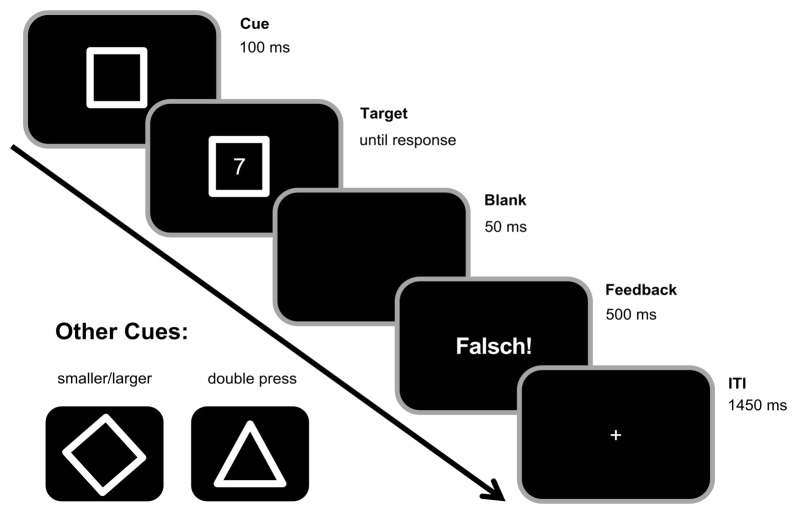
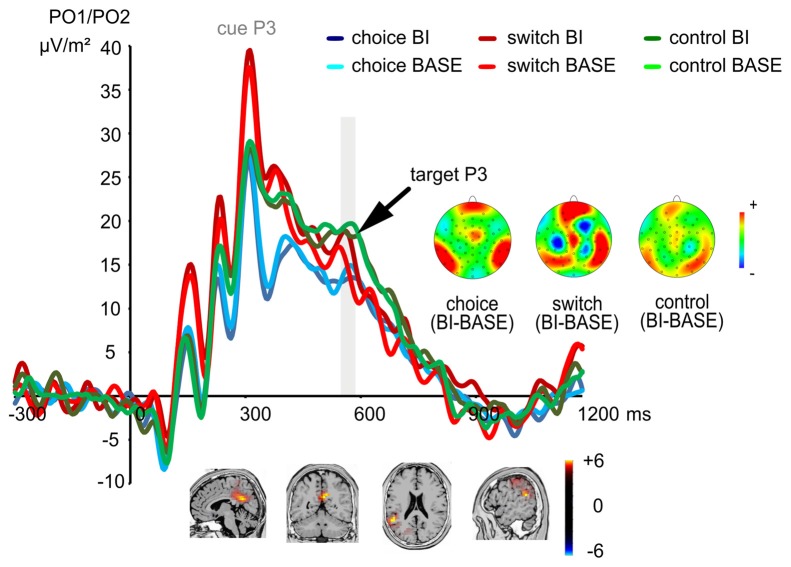
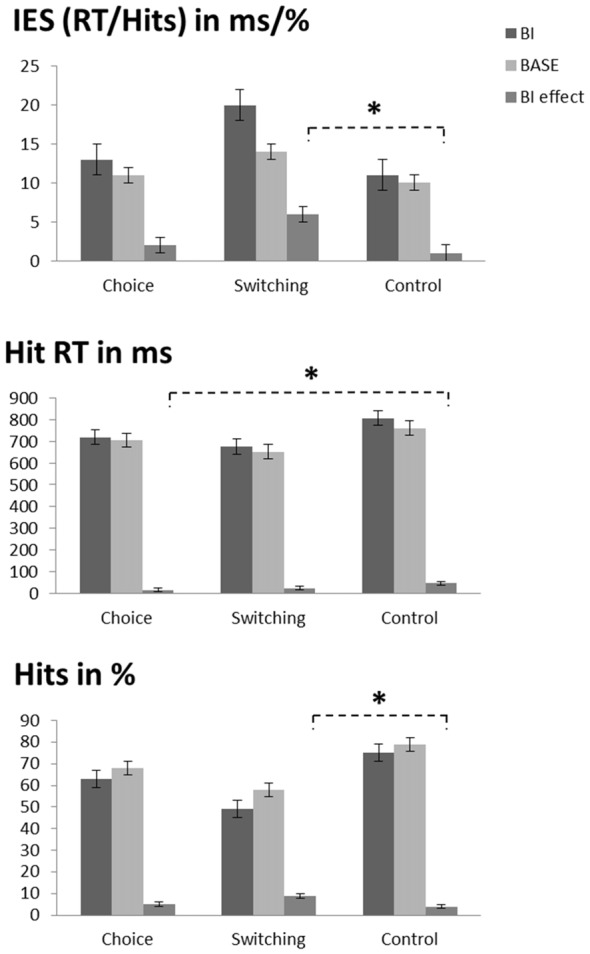
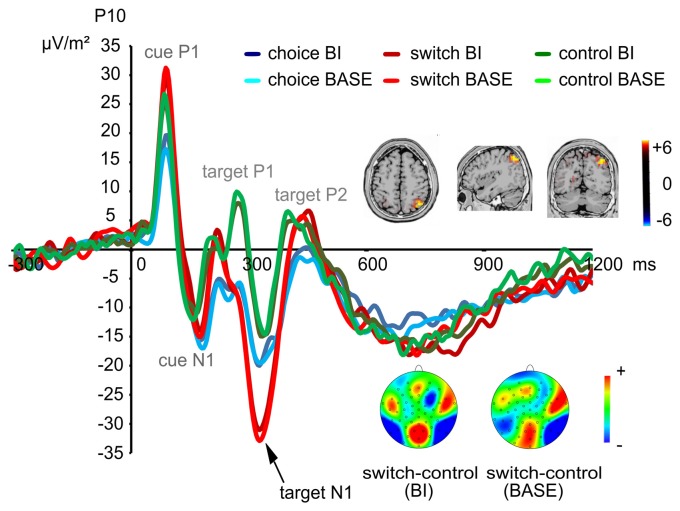
Performing an act of self-regulation such as making decisions has been suggested to deplete a common limited resource, which impairs all subsequent self-regulatory actions (ego depletion theory). It has however remained unclear whether self-referred decisions truly impair behavioral control even in seemingly unrelated cognitive domains, and which neurophysiological mechanisms are affected by these potential depletion effects. In the current study, we therefore used an inter-individual design to compare two kinds of depletion, namely a self-referred choice-based depletion and a categorization-based switching depletion, to a non-depleted control group. We used a backward inhibition (BI) paradigm to assess the effects of depletion on task switching and associated inhibition processes. It was combined with EEG and source localization techniques to assess both behavioral and neurophysiological depletion effects. The results challenge the ego depletion theory in its current form: Opposing the theory's prediction of a general limited resource, which should have yielded comparable effects in both depletion groups, or maybe even a larger depletion in the self-referred choice group, there were stronger performance impairments following a task domain-specific depletion (i.e., the switching-based depletion) than following a depletion based on self-referred choices. This suggests at least partly separate and independent resources for various cognitive control processes rather than just one joint resource for all self-regulation activities. The implications are crucial to consider for people making frequent far-reaching decisions e.g., in law or economy.
执行自我调节行为(如做决策)被认为会耗尽一种常见的有限资源,这会损害所有后续的自我调节行为(自我损耗理论)。然而,尚不清楚自我参照决策是否真的会损害行为控制,即使是在看似不相关的认知领域,以及哪些神经生理机制会受到这些潜在损耗效应的影响。因此,在本研究中,我们采用个体间设计,将两种损耗,即自我参照选择损耗和基于分类的转换损耗,与一个未损耗的对照组进行比较。我们使用反向抑制(BI)范式来评估损耗对任务转换和相关抑制过程的影响。它与脑电图(EEG)和源定位技术相结合,以评估行为和神经生理损耗效应。结果对当前形式的自我损耗理论提出了挑战:与该理论预测的一般有限资源相反,该理论认为在两个损耗组中应该产生可比的效应,甚至在自我参照选择组中可能有更大的损耗,特定任务领域的损耗(即基于转换的损耗)比基于自我参照选择的损耗导致更强的表现受损。这表明至少部分认知控制过程的资源是分开且独立的,而不是所有自我调节活动都只有一种共同资源。对于频繁做出影响深远决策的人(例如在法律或经济领域)来说,考虑这些影响至关重要。