School of Automation Science and Electrical Engineering, Beihang University, Beijing 100191, China.
Beijing Engineering Research Center of Diagnosis and Treatment of Respiratory and Critical Care Medicine, Beijing Chaoyang Hospital, Beijing 100043, China.
Bioinformatics. 2018 Mar 1;34(5):820-827. doi: 10.1093/bioinformatics/btx652.
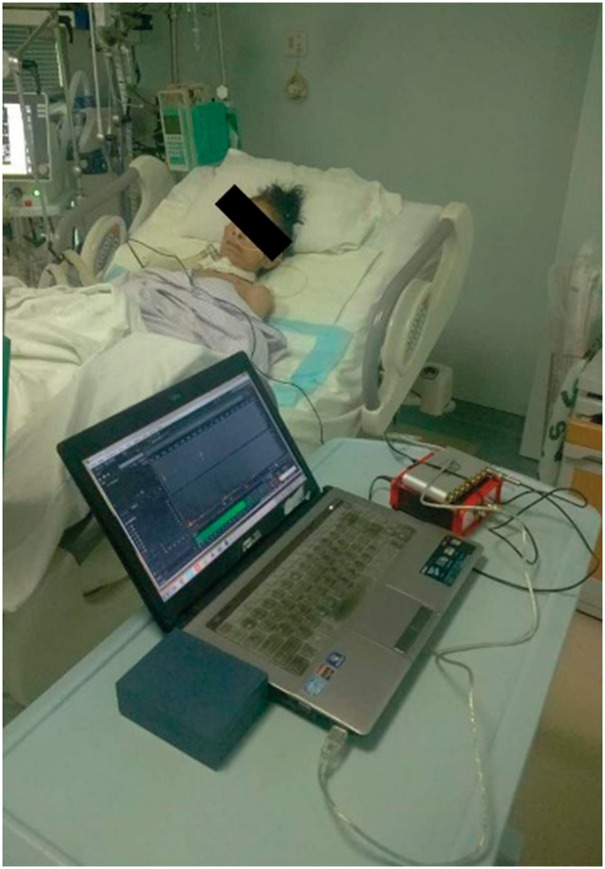
Sputum in the trachea is hard to expectorate and detect directly for the patients who are unconscious, especially those in Intensive Care Unit. Medical staff should always check the condition of sputum in the trachea. This is time-consuming and the necessary skills are difficult to acquire. Currently, there are few automatic approaches to serve as alternatives to this manual approach.
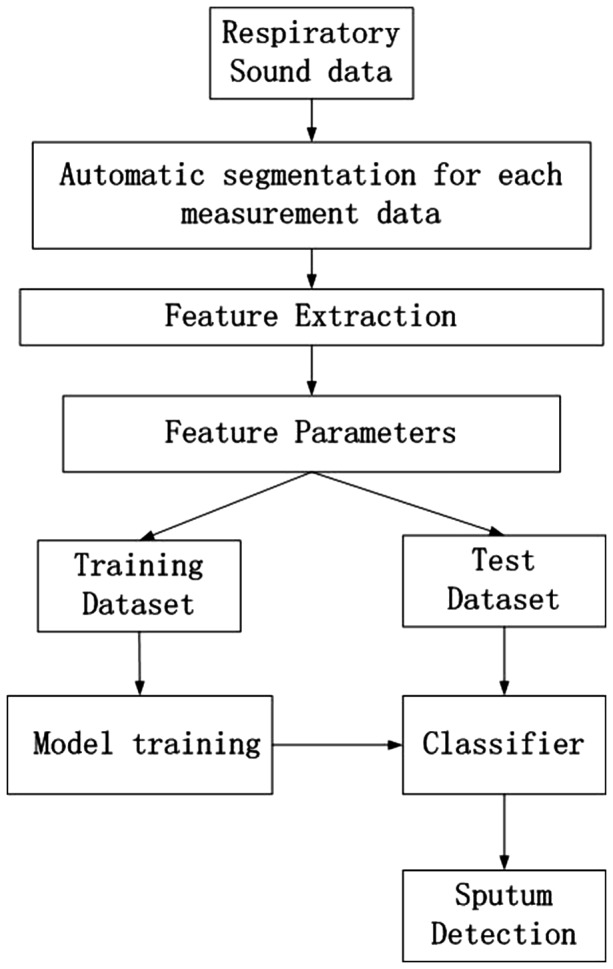
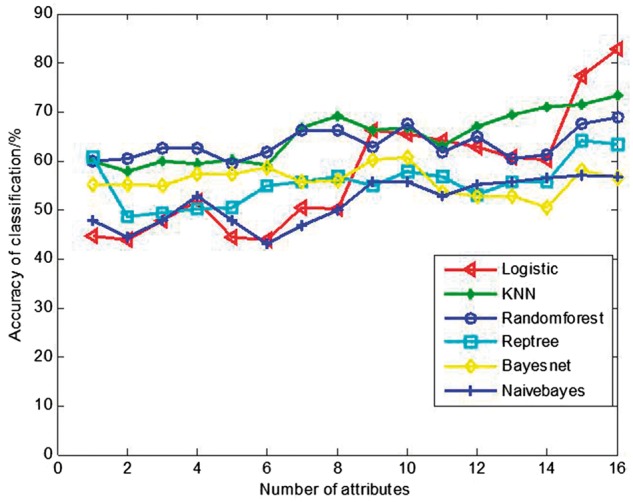
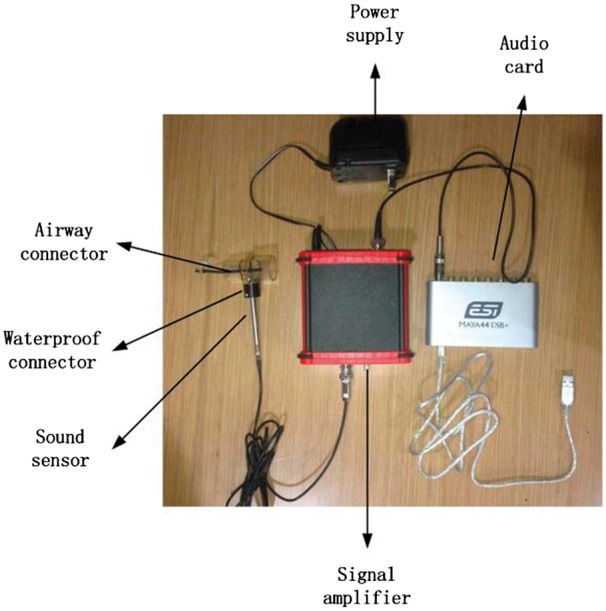
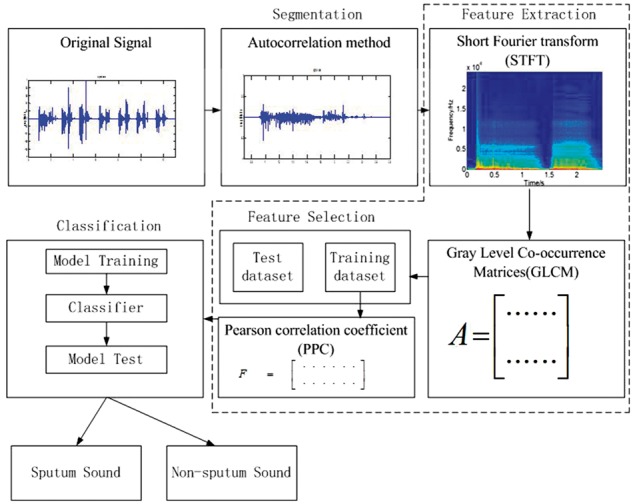
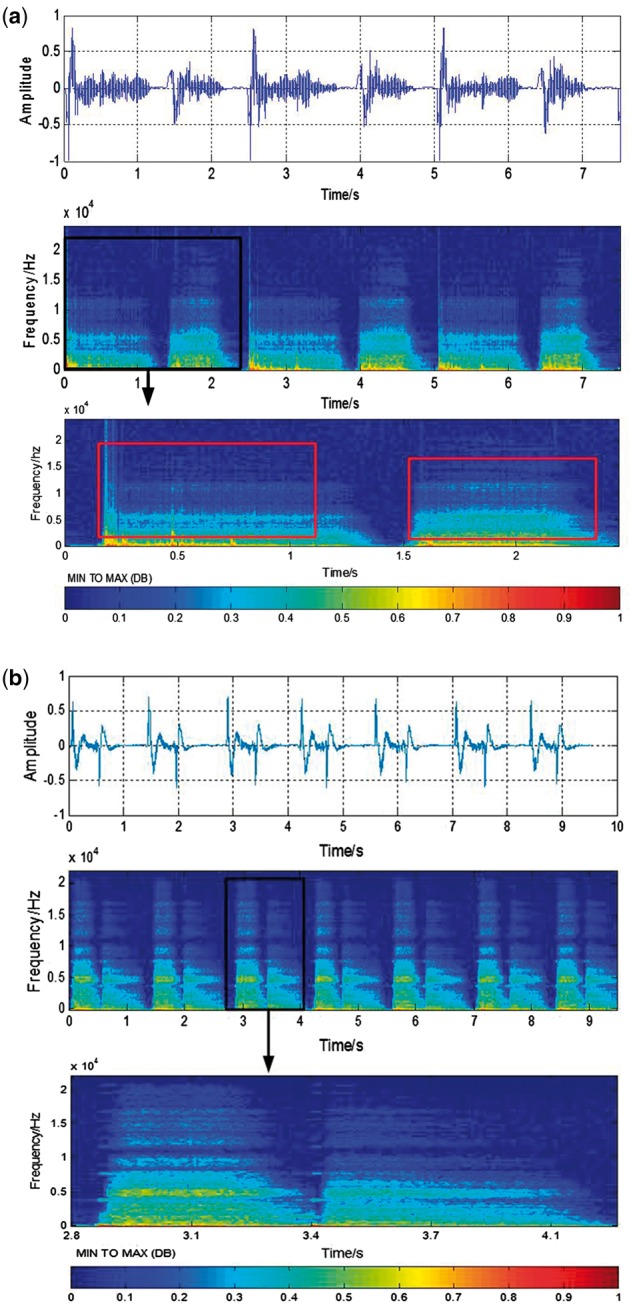
We develop an automatic approach to diagnose the condition of the sputum. Our approach utilizes a system involving a medical device and quantitative analytic methods. In this approach, the time-frequency distribution of respiratory sound signals, determined from the spectrum, is treated as an image. The sputum detection is performed by interpreting the patterns in the image through the procedure of preprocessing and feature extraction. In this study, 272 respiratory sound samples (145 sputum sound and 127 non-sputum sound samples) are collected from 12 patients. We apply the method of leave-one out cross-validation to the 12 patients to assess the performance of our approach. That is, out of the 12 patients, 11 are randomly selected and their sound samples are used to predict the sound samples in the remaining one patient. The results show that our automatic approach can classify the sputum condition at an accuracy rate of 83.5%.
The matlab codes and examples of datasets explored in this work are available at Bioinformatics online.
yesoyou@gmail.com or douglaszhang@umac.mo.
Supplementary data are available at Bioinformatics online.
对于无意识的患者,尤其是在重症监护病房的患者,气管中的痰液难以咳出和直接检测。医务人员应始终检查气管中的痰液状况。这既费时又难以掌握必要的技能。目前,很少有自动方法可以替代这种手动方法。
我们开发了一种自动方法来诊断痰液状况。我们的方法利用了一种涉及医疗设备和定量分析方法的系统。在这种方法中,呼吸声音信号的时频分布(从光谱中确定)被视为图像。通过预处理和特征提取的过程,通过解释图像中的模式来进行痰液检测。在这项研究中,从 12 名患者中收集了 272 个呼吸声音样本(145 个痰液声音和 127 个非痰液声音样本)。我们对 12 名患者应用了留一法交叉验证方法来评估我们方法的性能。也就是说,在 12 名患者中,随机选择 11 名患者,并使用他们的声音样本预测其余一名患者的声音样本。结果表明,我们的自动方法可以以 83.5%的准确率对痰液状况进行分类。
本工作中探索的 matlab 代码和数据集示例可在生物信息学在线获得。
yesoyou@gmail.com 或 douglaszhang@umac.mo。
补充数据可在生物信息学在线获得。