Tasnim Nishat, Abulizi Nijiati, Pither Jason, Hart Miranda M, Gibson Deanna L
Department of Biology, The Irving K. Barber School of Arts and Sciences, University of British Columbia, Kelowna, BC, Canada.
Front Microbiol. 2017 Oct 6;8:1935. doi: 10.3389/fmicb.2017.01935. eCollection 2017.
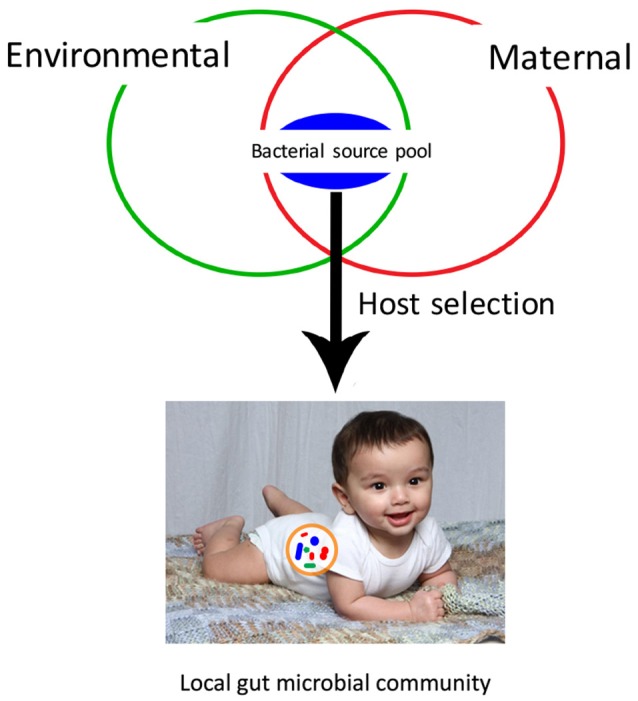
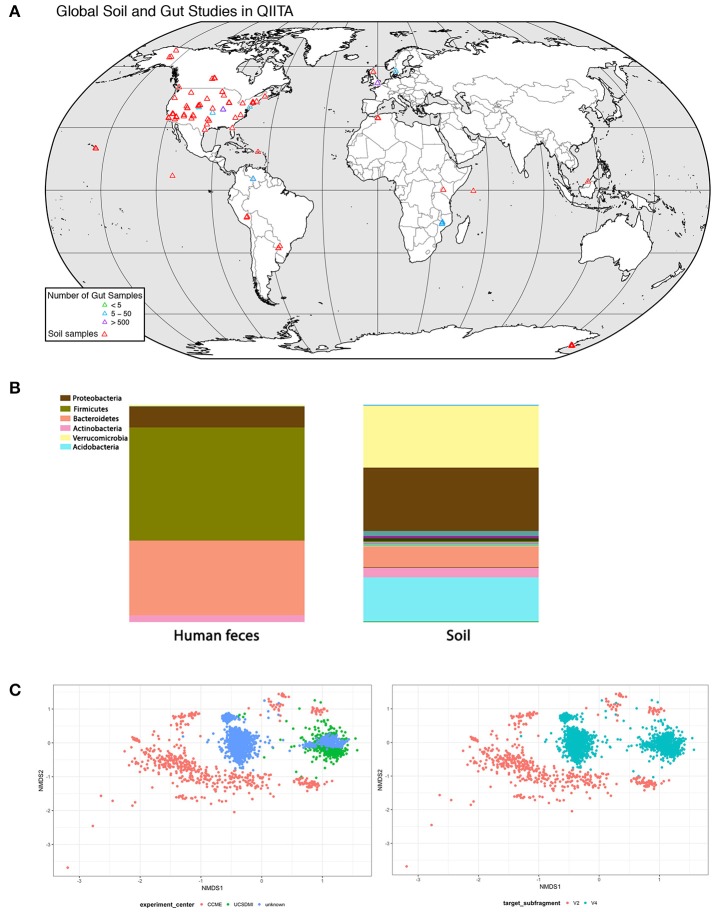
Global comparisons reveal a decrease in gut microbiota diversity attributed to Western diets, lifestyle practices such as caesarian section, antibiotic use and formula-feeding of infants, and sanitation of the living environment. While gut microbial diversity is decreasing, the prevalence of chronic inflammatory diseases such as inflammatory bowel disease, diabetes, obesity, allergies and asthma is on the rise in Westernized societies. Since the immune system development is influenced by microbial components, early microbial colonization may be a key factor in determining disease susceptibility patterns later in life. Evidence indicates that the gut microbiota is vertically transmitted from the mother and this affects offspring immunity. However, the role of the external environment in gut microbiome and immune development is poorly understood. Studies show that growing up in microbe-rich environments, such as traditional farms, can have protective health effects on children. These health-effects may be ablated due to changes in the human lifestyle, diet, living environment and environmental biodiversity as a result of urbanization. Importantly, if early-life exposure to environmental microbes increases gut microbiota diversity by influencing patterns of gut microbial assembly, then soil biodiversity loss due to land-use changes such as urbanization could be a public health threat. Here, we summarize key questions in environmental health research and discuss some of the challenges that have hindered progress toward a better understanding of the role of the environment on gut microbiome development.
全球比较研究表明,西方饮食、剖宫产、抗生素使用、婴儿配方奶粉喂养等生活方式以及居住环境的卫生条件,导致肠道微生物群多样性降低。在西方社会,肠道微生物多样性降低的同时,炎症性肠病、糖尿病、肥胖症、过敏和哮喘等慢性炎症性疾病的患病率却在上升。由于免疫系统的发育受微生物成分影响,早期微生物定植可能是决定日后疾病易感性模式的关键因素。有证据表明,肠道微生物群是从母亲垂直传播的,这会影响后代的免疫力。然而,外部环境在肠道微生物群和免疫发育中的作用却鲜为人知。研究表明,在传统农场等微生物丰富的环境中成长,对儿童健康有保护作用。由于城市化导致人类生活方式、饮食、居住环境和环境生物多样性发生变化,这些健康效应可能会消失。重要的是,如果生命早期接触环境微生物通过影响肠道微生物组装模式增加肠道微生物群多样性,那么城市化等土地利用变化导致的土壤生物多样性丧失可能会成为公共卫生威胁。在此,我们总结了环境卫生研究中的关键问题,并讨论了一些阻碍我们更好地理解环境对肠道微生物群发育作用的挑战。