Nam Kihoon, Maruyama Christina L, Wang Ching-Shuen, Trump Bryan G, Lei Pedro, Andreadis Stelios T, Baker Olga J
School of Dentistry, University of Utah, Salt Lake City, Utah, United States of America.
Department of Chemical and Biological Engineering, University at Buffalo, The State University of New York, Buffalo, New York, United States of America.
PLoS One. 2017 Nov 2;12(11):e0187069. doi: 10.1371/journal.pone.0187069. eCollection 2017.
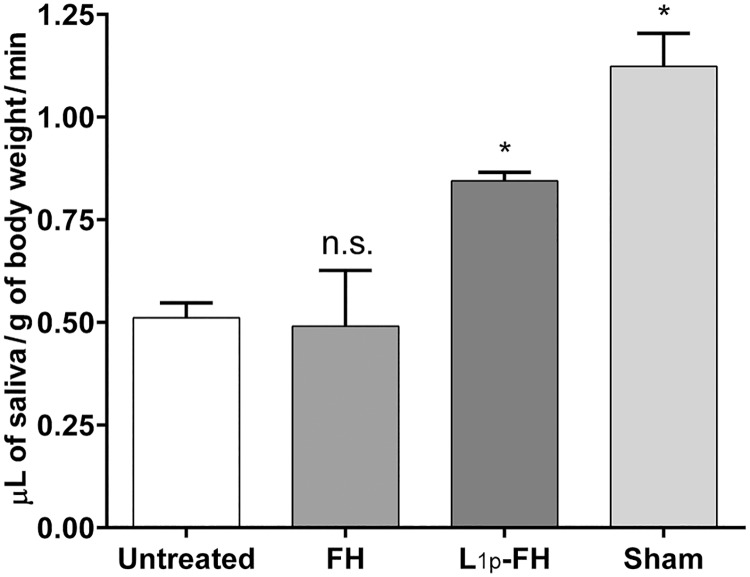
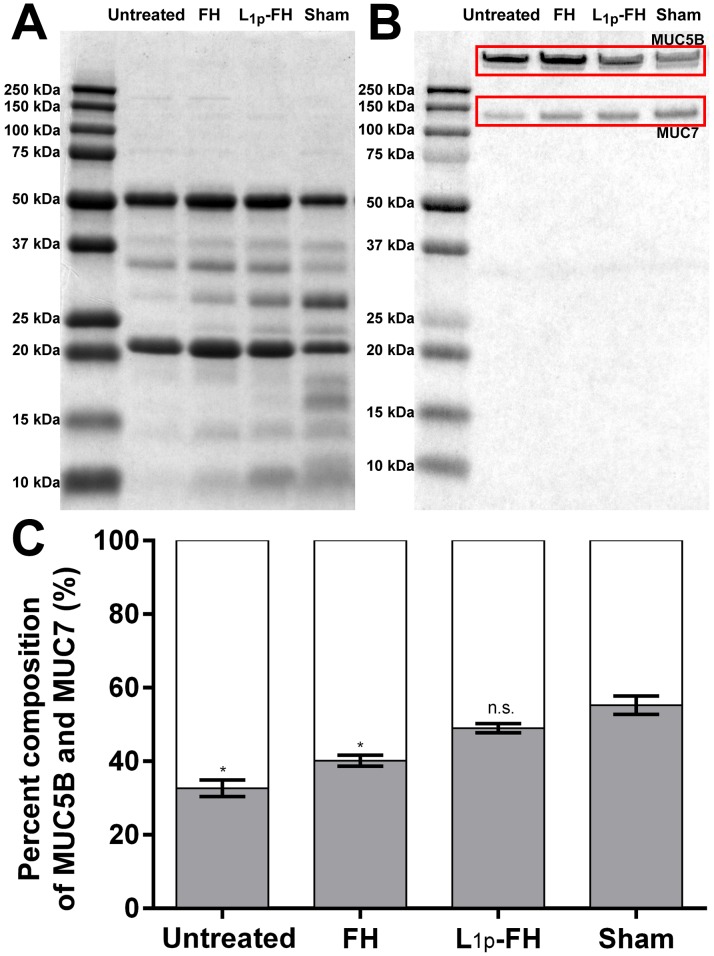
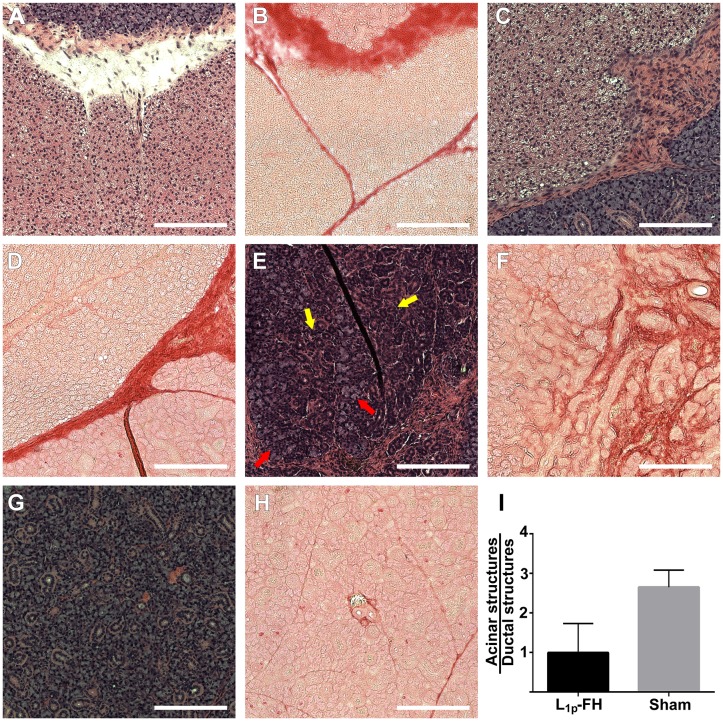
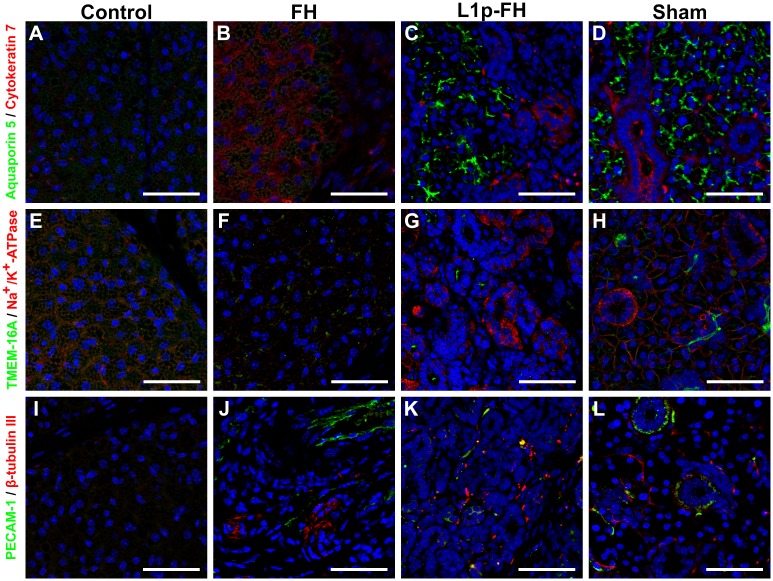
Hyposalivation reduces the patient quality of life, as saliva is important for maintaining oral health. Current treatments for hyposalivation are limited to medications such as the muscarinic receptor agonists, pilocarpine and cevimeline. However, these therapies only provide temporary relief. Therefore, alternative therapies are essential to restore salivary gland function. An option is to use bioengineered scaffolds to promote functional salivary gland regeneration. Previous studies demonstrated that the laminin-111 protein is critical for intact salivary gland cell cluster formation and organization. However, laminin-111 protein as a whole is not suitable for clinical applications as some protein domains may contribute to unwanted side effects such as degradation, tumorigenesis and immune responses. Conversely, the use of synthetic laminin-111 peptides makes it possible to minimize the immune reactivity or pathogen transfer. In addition, it is relatively simple and inexpensive as compared to animal-derived proteins. Therefore, the goal of this study was to demonstrate whether a 20 day treatment with laminin-111-derived peptide conjugated fibrin hydrogel promotes tissue regeneration in submandibular glands of a wound healing mouse model. In this study, laminin-111-derived peptide conjugated fibrin hydrogel significantly accelerated formation of salivary gland tissue. The regenerated gland tissues displayed not only structural but also functional restoration.
唾液分泌减少会降低患者的生活质量,因为唾液对维持口腔健康至关重要。目前针对唾液分泌减少的治疗方法仅限于使用药物,如毒蕈碱受体激动剂毛果芸香碱和西维美林。然而,这些疗法只能提供暂时的缓解。因此,替代疗法对于恢复唾液腺功能至关重要。一种选择是使用生物工程支架来促进功能性唾液腺再生。先前的研究表明,层粘连蛋白-111蛋白对于完整的唾液腺细胞簇的形成和组织至关重要。然而,层粘连蛋白-111蛋白整体并不适合临床应用,因为某些蛋白结构域可能会导致不良副作用,如降解、肿瘤发生和免疫反应。相反,使用合成的层粘连蛋白-111肽可以将免疫反应性或病原体转移降至最低。此外,与动物源蛋白相比,它相对简单且成本低廉。因此,本研究的目的是证明用层粘连蛋白-111衍生肽偶联纤维蛋白水凝胶进行20天的治疗是否能促进伤口愈合小鼠模型下颌下腺的组织再生。在本研究中,层粘连蛋白-111衍生肽偶联纤维蛋白水凝胶显著加速了唾液腺组织的形成。再生的腺组织不仅显示出结构上的恢复,还显示出功能上的恢复。