Guven-Maiorov Emine, Tsai Chung-Jung, Ma Buyong, Nussinov Ruth
Cancer and Inflammation Program, Leidos Biomedical Research, Inc., Frederick National Laboratory for Cancer Research, National Cancer Institute, Frederick, MD 21702, USA.
Cancer and Inflammation Program, Leidos Biomedical Research, Inc., Frederick National Laboratory for Cancer Research, National Cancer Institute, Frederick, MD 21702, USA; Sackler Institute of Molecular Medicine, Department of Human Genetics and Molecular Medicine, Sackler School of Medicine, Tel Aviv University, Tel Aviv 69978, Israel.
J Mol Biol. 2017 Dec 8;429(24):3925-3941. doi: 10.1016/j.jmb.2017.10.023. Epub 2017 Oct 26.
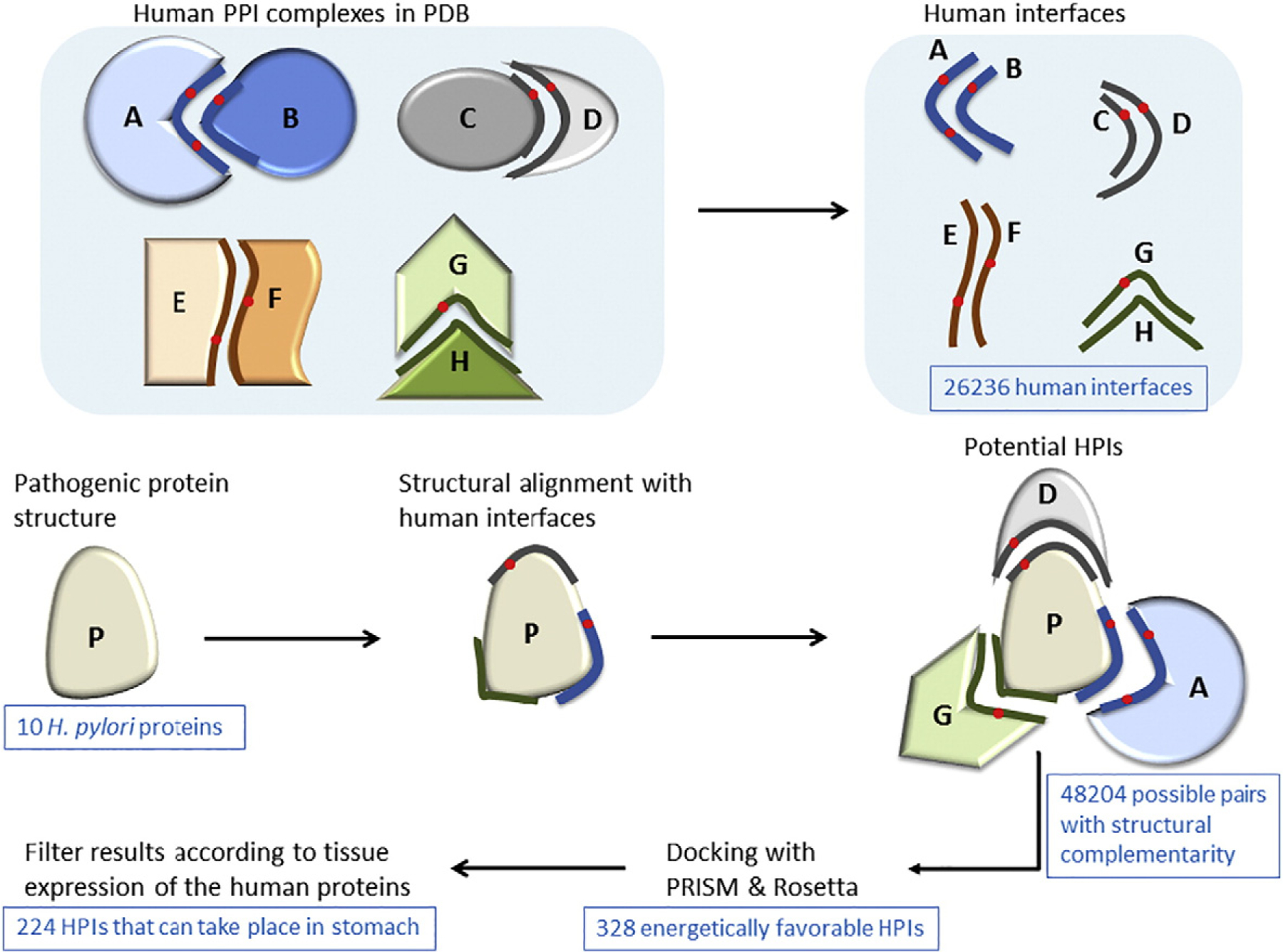
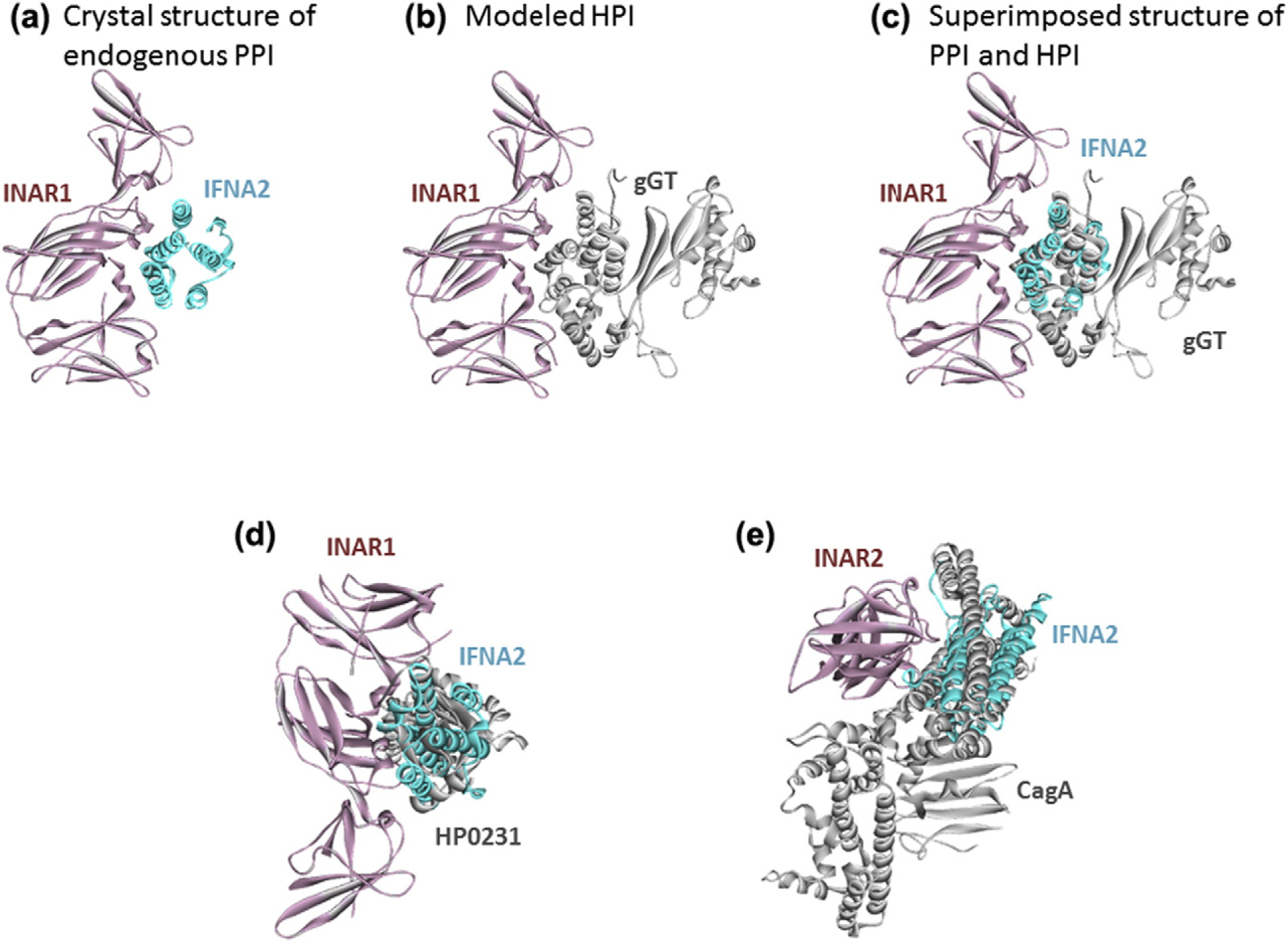
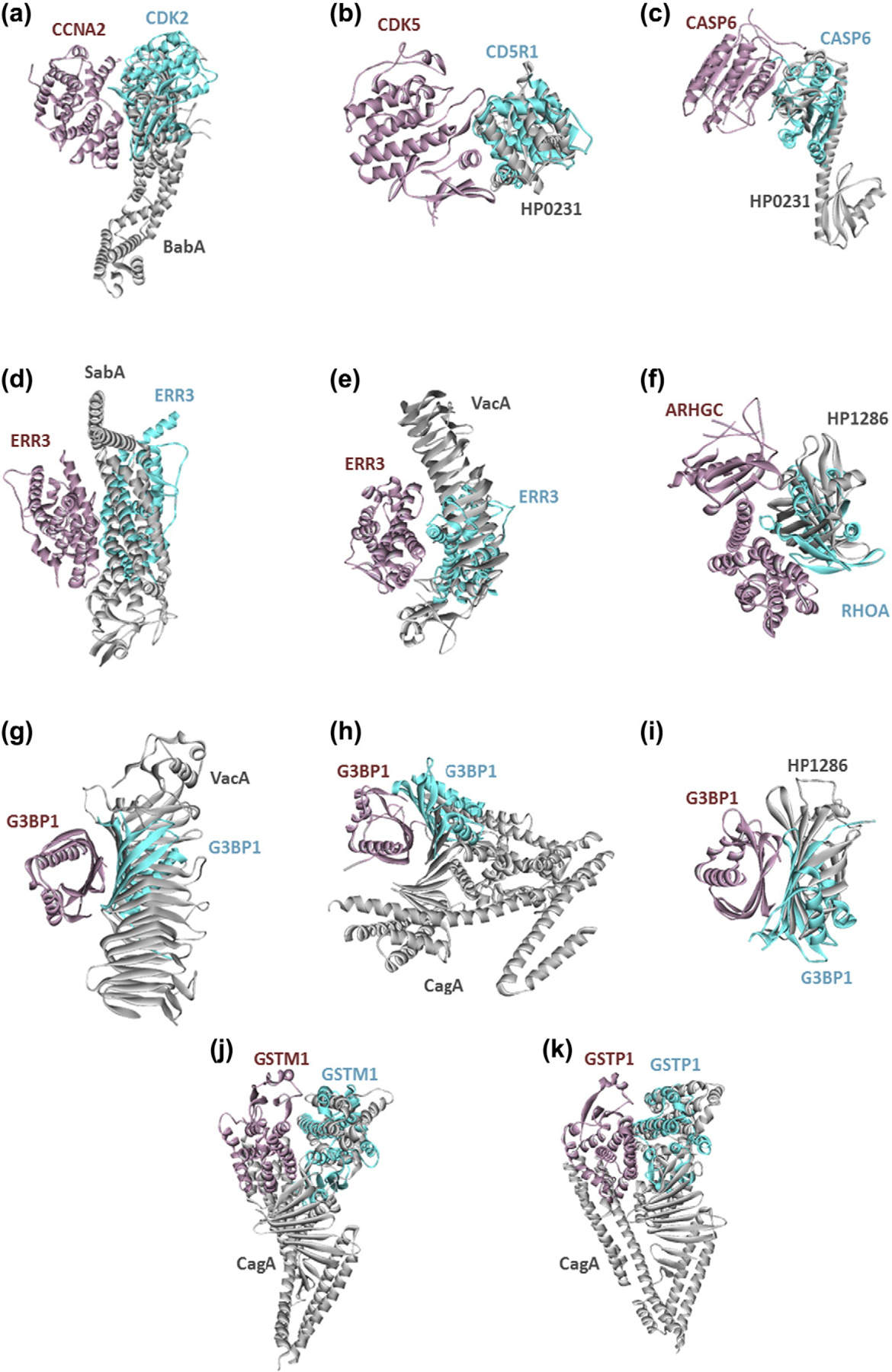
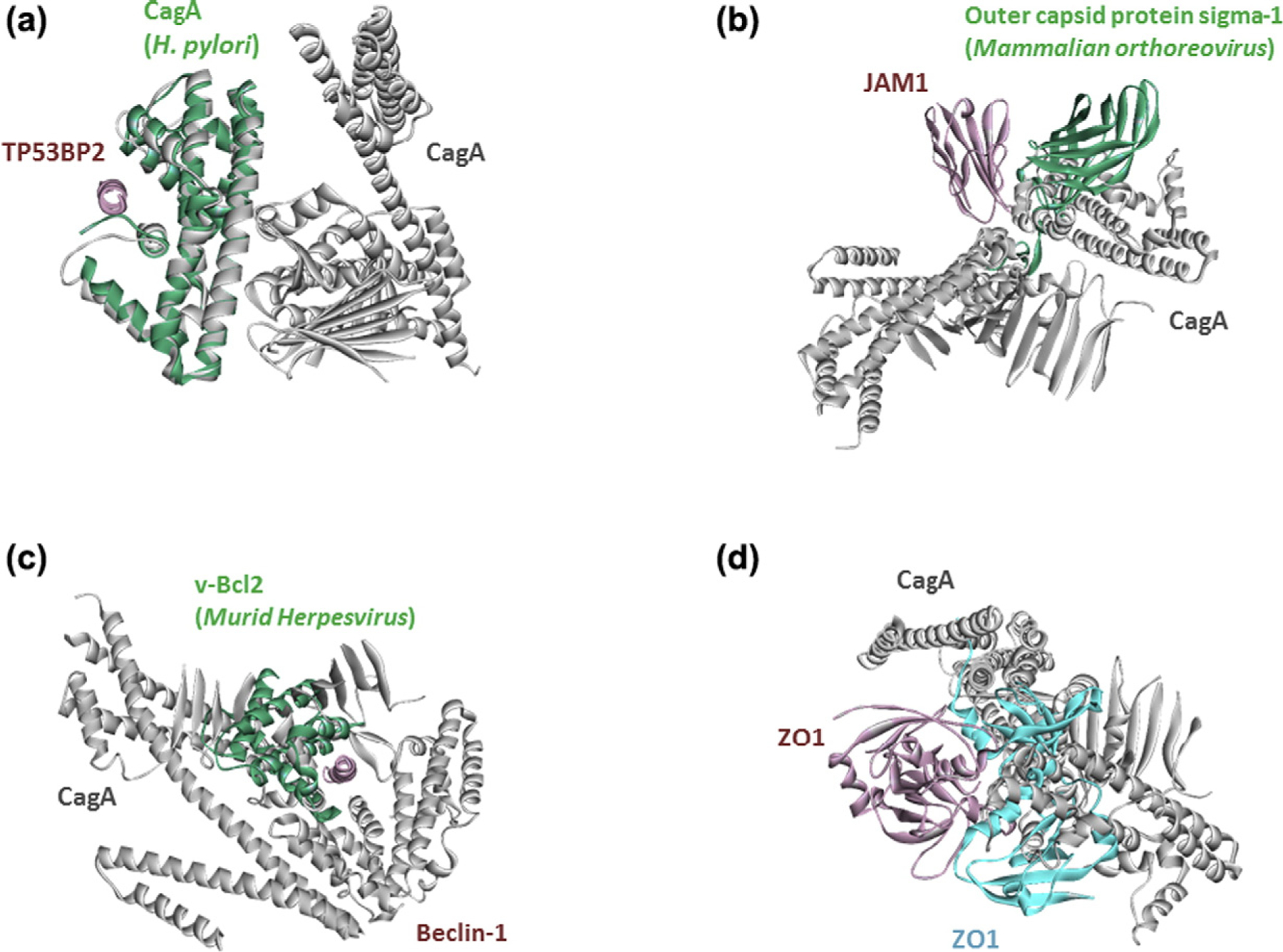
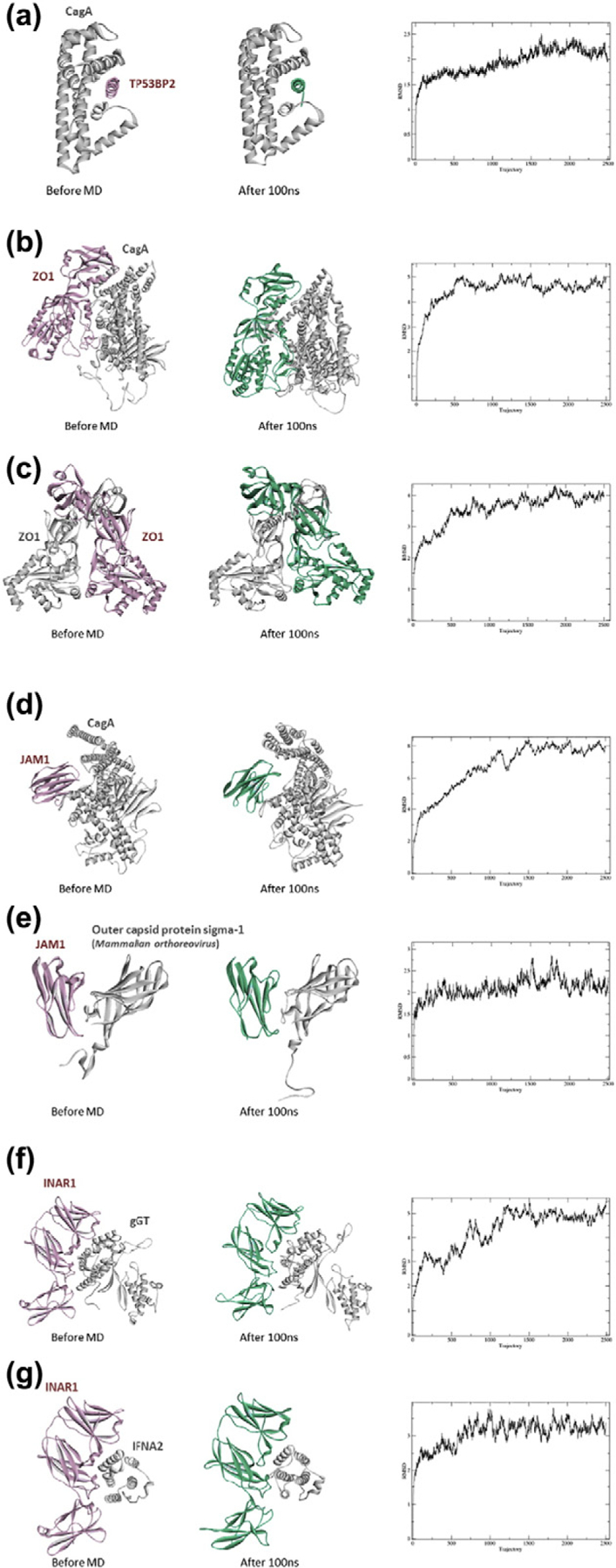
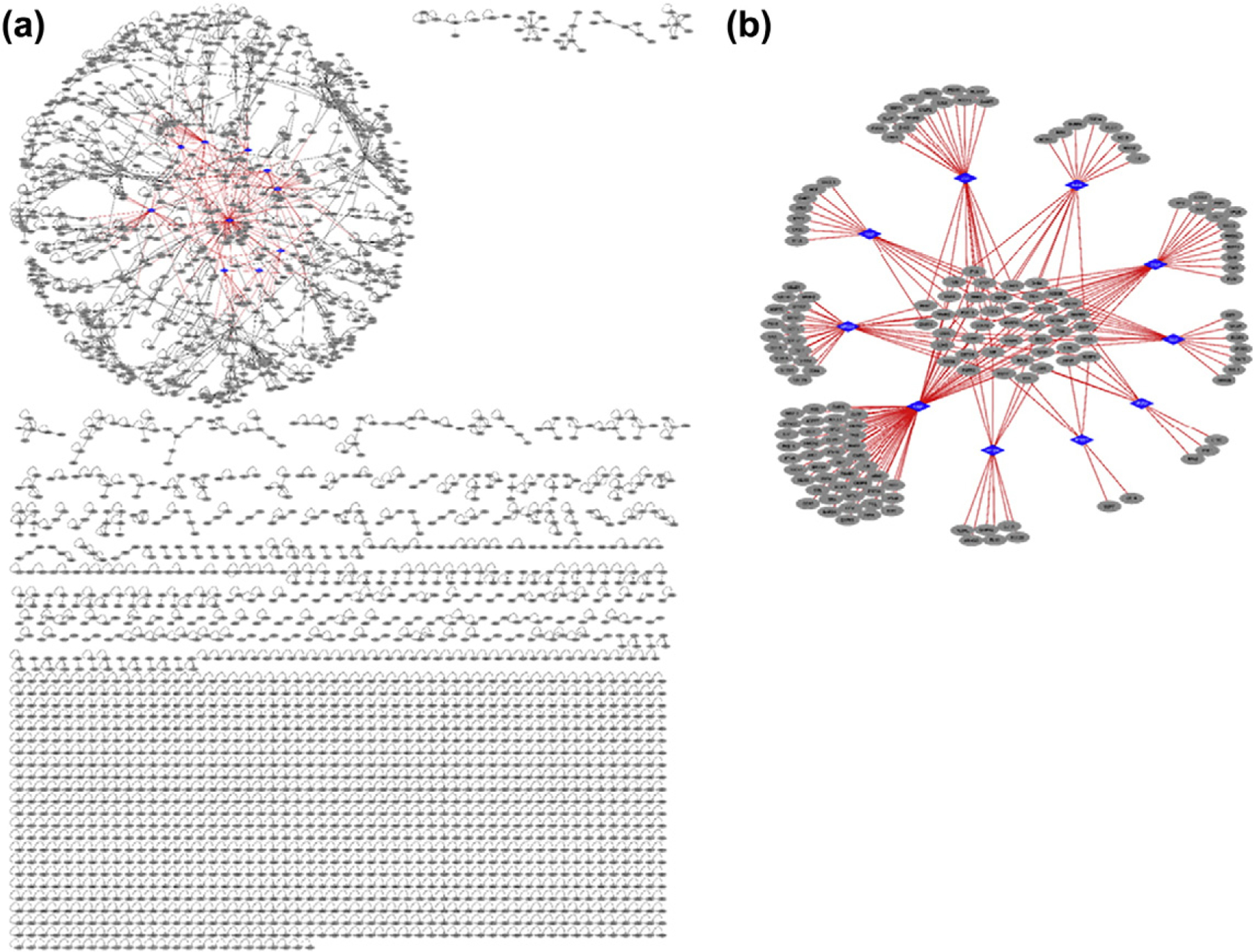
There is a strong correlation between some pathogens and certain cancer types. One example is Helicobacter pylori and gastric cancer. Exactly how they contribute to host tumorigenesis is, however, a mystery. Pathogens often interact with the host through proteins. To subvert defense, they may mimic host proteins at the sequence, structure, motif, or interface levels. Interface similarity permits pathogen proteins to compete with those of the host for a target protein and thereby alter the host signaling. Detection of host-pathogen interactions (HPIs) and mapping the re-wired superorganism HPI network-with structural details-can provide unprecedented clues to the underlying mechanisms and help therapeutics. Here, we describe the first computational approach exploiting solely interface mimicry to model potential HPIs. Interface mimicry can identify more HPIs than sequence or complete structural similarity since it appears more common than the other mimicry types. We illustrate the usefulness of this concept by modeling HPIs of H. pylori to understand how they modulate host immunity, persist lifelong, and contribute to tumorigenesis. H. pylori proteins interfere with multiple host pathways as they target several host hub proteins. Our results help illuminate the structural basis of resistance to apoptosis, immune evasion, and loss of cell junctions seen in H. pylori-infected host cells.
一些病原体与特定癌症类型之间存在很强的相关性。一个例子是幽门螺杆菌与胃癌。然而,它们究竟如何促进宿主肿瘤发生仍是个谜。病原体通常通过蛋白质与宿主相互作用。为了破坏防御,它们可能在序列、结构、基序或界面水平上模仿宿主蛋白质。界面相似性使病原体蛋白质能够与宿主蛋白质竞争靶蛋白,从而改变宿主信号传导。检测宿主 - 病原体相互作用(HPI)并绘制具有结构细节的重新连接的超级生物体HPI网络,可为潜在机制提供前所未有的线索并有助于治疗。在这里,我们描述了第一种仅利用界面模拟来模拟潜在HPI的计算方法。界面模拟能够识别比序列或完全结构相似性更多的HPI,因为它似乎比其他模拟类型更常见。我们通过模拟幽门螺杆菌的HPI来说明这一概念的实用性,以了解它们如何调节宿主免疫、终身持续存在并促进肿瘤发生。幽门螺杆菌蛋白质靶向多种宿主枢纽蛋白,从而干扰多种宿主途径。我们的结果有助于阐明幽门螺杆菌感染的宿主细胞中所见的抗凋亡、免疫逃逸和细胞连接丧失的结构基础。