Frenzel Thorsten, Hoffmann Bertin, Schmitz Rüdiger, Bethge Anja, Schumacher Udo, Wedemann Gero
Center for Experimental Medicine, Department of Anatomy and Experimental Morphology, University Cancer Center, University Medical Center Hamburg-Eppendorf, Hamburg, Germany.
University Hospital Hamburg-Eppendorf, Ambulatory Center, Department for Radiation Oncology, Hamburg, Germany.
PLoS One. 2017 Nov 6;12(11):e0187144. doi: 10.1371/journal.pone.0187144. eCollection 2017.
Tumor vasculature is critical for tumor growth, formation of distant metastases and efficiency of radio- and chemotherapy treatments. However, how the vasculature itself is affected during cancer treatment regarding to the metastatic behavior has not been thoroughly investigated. Therefore, the aim of this study was to analyze the influence of hypofractionated radiotherapy and cisplatin chemotherapy on vessel tree geometry and metastasis formation in a small cell lung cancer xenograft mouse tumor model to investigate the spread of malignant cells during different treatments modalities.
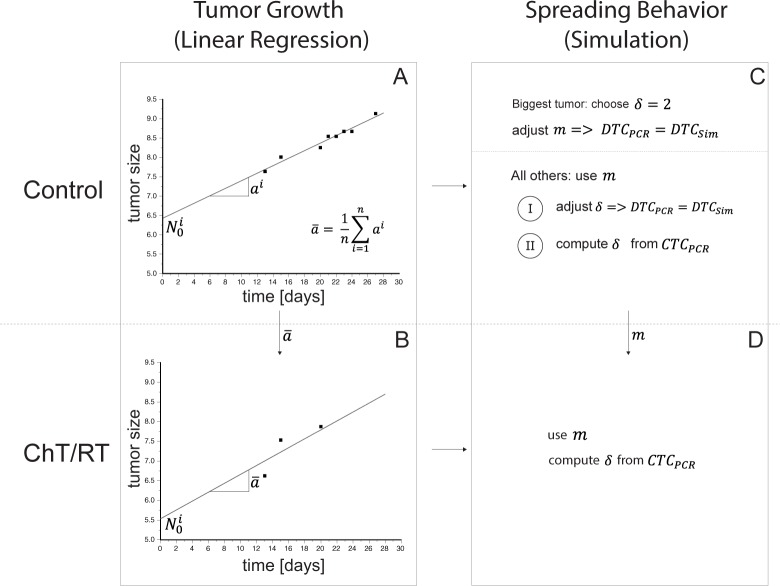
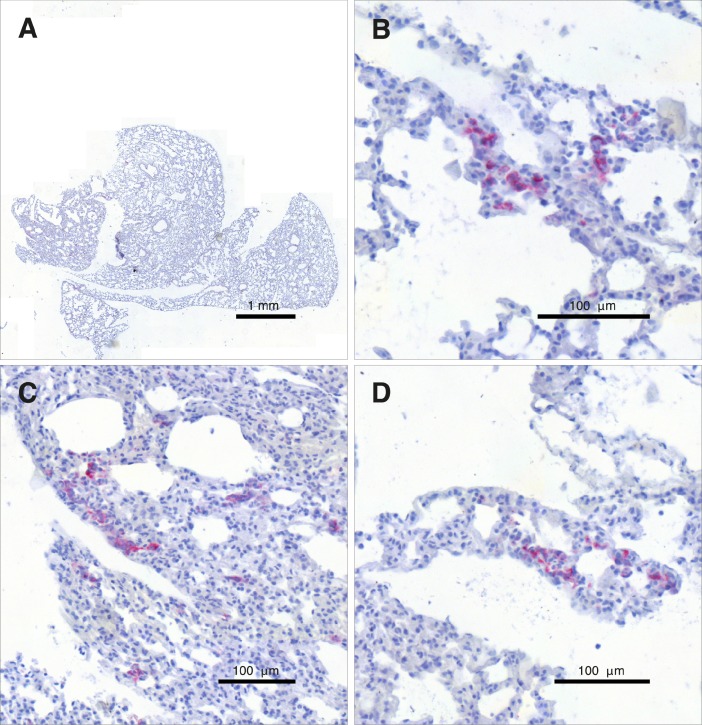
The biological data gained during these experiments were fed into our previously developed computer model "Cancer and Treatment Simulation Tool" (CaTSiT) to model the growth of the primary tumor, its metastatic deposit and also the influence on different therapies. Furthermore, we performed quantitative histology analyses to verify our predictions in xenograft mouse tumor model.
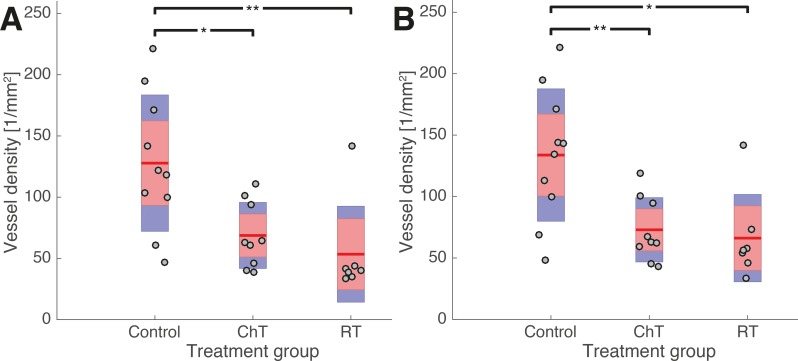
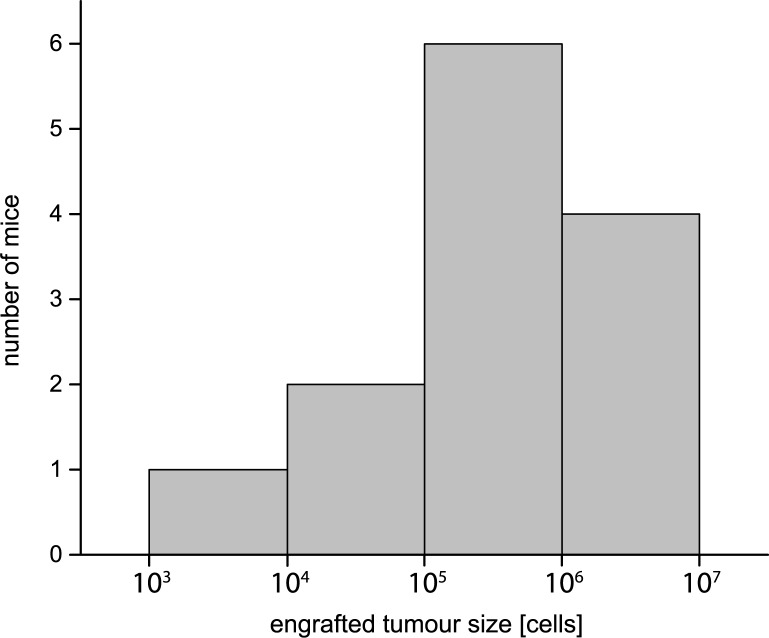
According to the computer simulation the number of cells engrafting must vary considerably to explain the different weights of the primary tumor at the end of the experiment. Once a primary tumor is established, the fractal dimension of its vasculature correlates with the tumor size. Furthermore, the fractal dimension of the tumor vasculature changes during treatment, indicating that the therapy affects the blood vessels' geometry. We corroborated these findings with a quantitative histological analysis showing that the blood vessel density is depleted during radiotherapy and cisplatin chemotherapy. The CaTSiT computer model reveals that chemotherapy influences the tumor's therapeutic susceptibility and its metastatic spreading behavior.
Using a system biological approach in combination with xenograft models and computer simulations revealed that the usage of chemotherapy and radiation therapy determines the spreading behavior by changing the blood vessel geometry of the primary tumor.
肿瘤血管系统对于肿瘤生长、远处转移的形成以及放疗和化疗的疗效至关重要。然而,关于癌症治疗期间血管系统本身在转移行为方面是如何受到影响的,尚未得到充分研究。因此,本研究的目的是分析在小细胞肺癌异种移植小鼠肿瘤模型中,分割放疗和顺铂化疗对血管树几何形状和转移形成的影响,以研究不同治疗方式下恶性细胞的扩散情况。
将这些实验中获得的生物学数据输入我们之前开发的计算机模型“癌症与治疗模拟工具”(CaTSiT),以模拟原发性肿瘤的生长、其转移沉积物以及不同疗法的影响。此外,我们进行了定量组织学分析,以验证我们在异种移植小鼠肿瘤模型中的预测。
根据计算机模拟,植入细胞的数量必须有很大差异,才能解释实验结束时原发性肿瘤的不同重量。一旦原发性肿瘤形成,其血管系统的分形维数与肿瘤大小相关。此外,肿瘤血管系统的分形维数在治疗期间会发生变化,这表明治疗会影响血管的几何形状。我们通过定量组织学分析证实了这些发现,结果显示放疗和顺铂化疗期间血管密度降低。CaTSiT计算机模型表明,化疗会影响肿瘤的治疗敏感性及其转移扩散行为。
采用系统生物学方法,结合异种移植模型和计算机模拟,结果表明化疗和放疗的使用通过改变原发性肿瘤的血管几何形状来决定扩散行为。