Araki K, Miyazaki J, Hino O, Tomita N, Chisaka O, Matsubara K, Yamamura K
Institute for Medical Genetics, Kumamoto University Medical School, Japan.
Proc Natl Acad Sci U S A. 1989 Jan;86(1):207-11. doi: 10.1073/pnas.86.1.207.
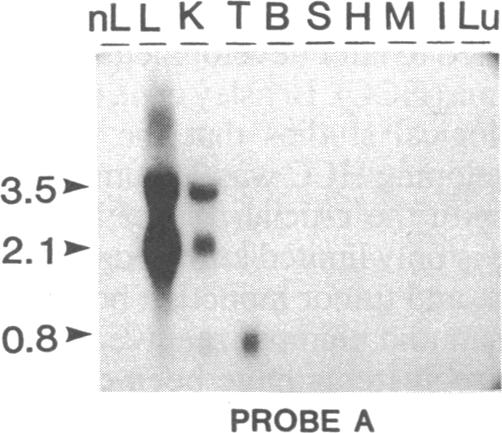
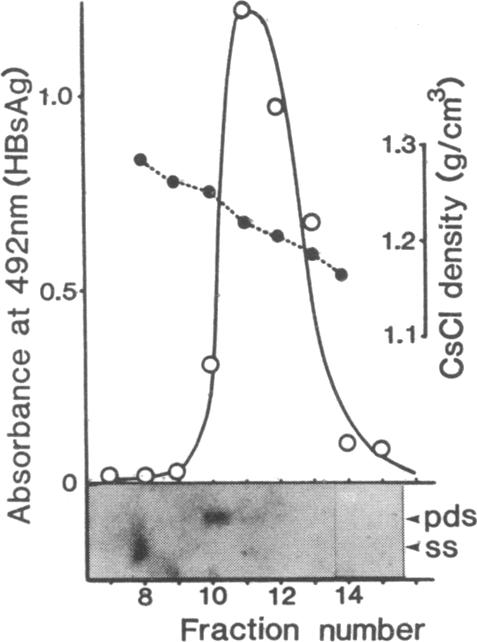
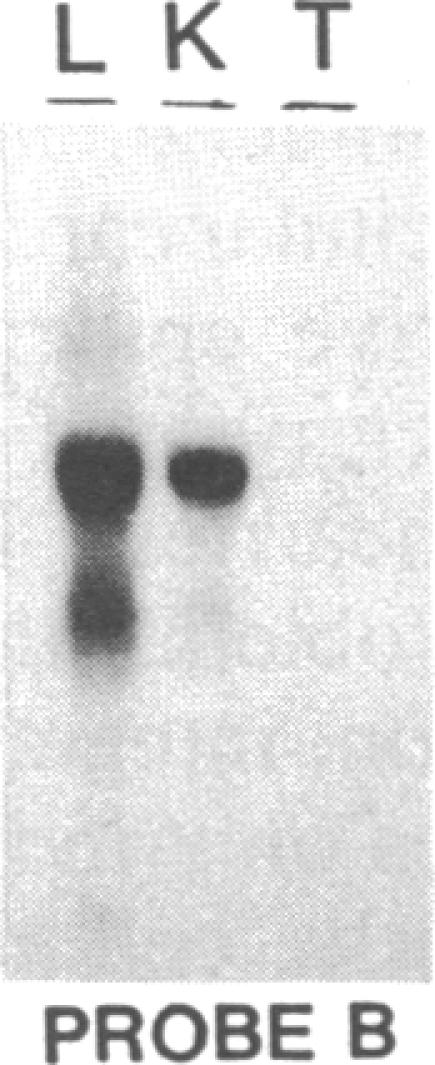
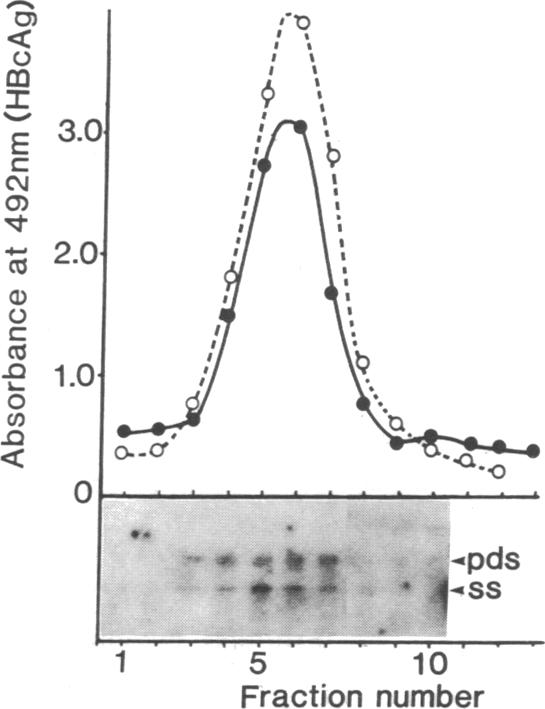
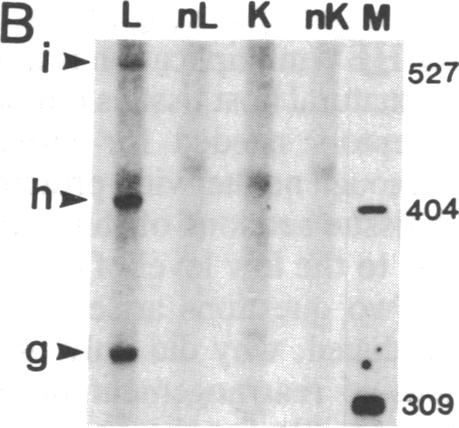
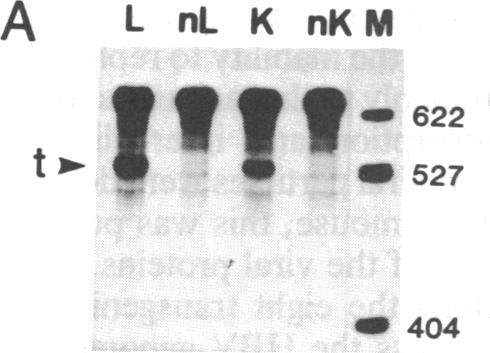
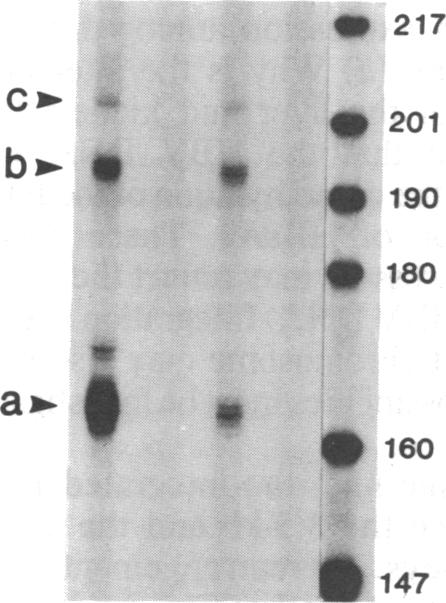
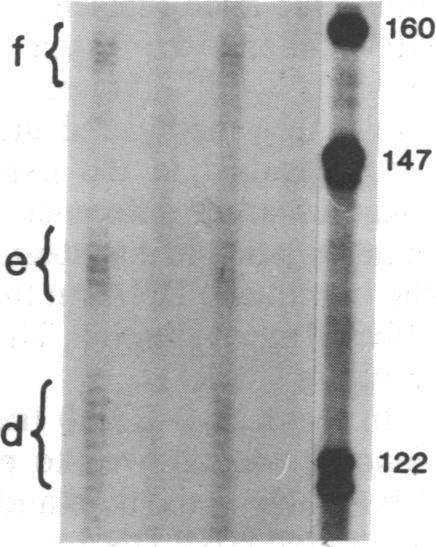
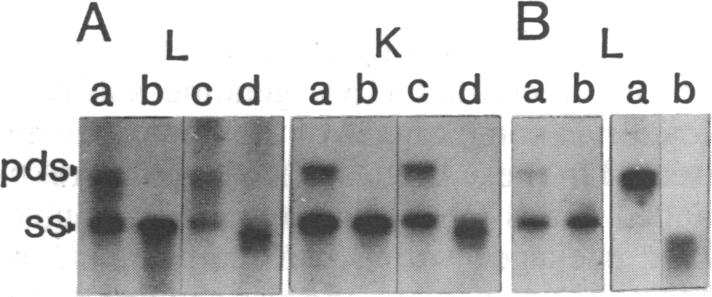
We produced transgenic mice by microinjecting a partial tandem duplication of the complete hepatitis B virus (HBV) genome into fertilized eggs of C57BL/6 mice. One of eight transgenic mice was a high producer for HBV surface antigen (HBsAg) and HBV e antigen (HBeAg) in the serum. The HBV genomes were transmitted to the next generation and these F1 mice also produced HBsAg and HBeAg. mRNAs of 3.5, 2.1, and 0.8 kilobases were detected in the livers and the kidneys of these mice. In addition, a 0.8-kilobase RNA was detected in the testis. Single-stranded and partially double-stranded HBV DNAs were shown to be produced in the cytoplasm of the liver and kidneys. These HBV DNAs were associated with the core particles, indistinguishable from nucleocapsid produced in an infected human liver. Viral genome DNA was detected in the serum. These results demonstrate that the HBV genome integrated into the mouse chromosome acted as a template for viral gene expression, allowing viral replication. Thus, these transgenic mice should be useful for detailed studies of the replication and expression of HBV and for pathological studies of hepatitis, including the development of hepatocellular carcinoma.
我们通过将完整乙肝病毒(HBV)基因组的部分串联重复序列显微注射到C57BL/6小鼠的受精卵中,培育出了转基因小鼠。八只转基因小鼠中有一只血清中的乙肝病毒表面抗原(HBsAg)和乙肝病毒e抗原(HBeAg)产量很高。HBV基因组被传递给下一代,这些F1小鼠也产生了HBsAg和HBeAg。在这些小鼠的肝脏和肾脏中检测到了3.5、2.1和0.8千碱基的mRNA。此外,在睾丸中检测到了0.8千碱基的RNA。在肝脏和肾脏的细胞质中显示产生了单链和部分双链的HBV DNA。这些HBV DNA与核心颗粒相关,与在受感染人类肝脏中产生的核衣壳无法区分。在血清中检测到了病毒基因组DNA。这些结果表明,整合到小鼠染色体中的HBV基因组充当了病毒基因表达的模板,从而允许病毒复制。因此,这些转基因小鼠对于详细研究HBV的复制和表达以及肝炎的病理学研究(包括肝细胞癌的发展)应该是有用的。