Jukkola Peter, Gu Yuanzheng, Lovett-Racke Amy E, Gu Chen
Biomedical Sciences Graduate Program, Wexner Medical Center, The Ohio State University, Columbus, OH, United States.
Department of Biological Chemistry and Pharmacology, Wexner Medical Center, The Ohio State University, Columbus, OH, United States.
Front Mol Neurosci. 2017 Oct 26;10:344. doi: 10.3389/fnmol.2017.00344. eCollection 2017.
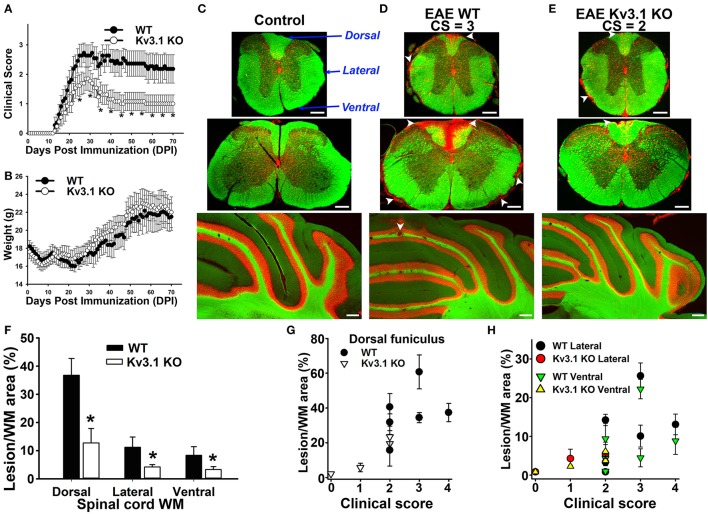
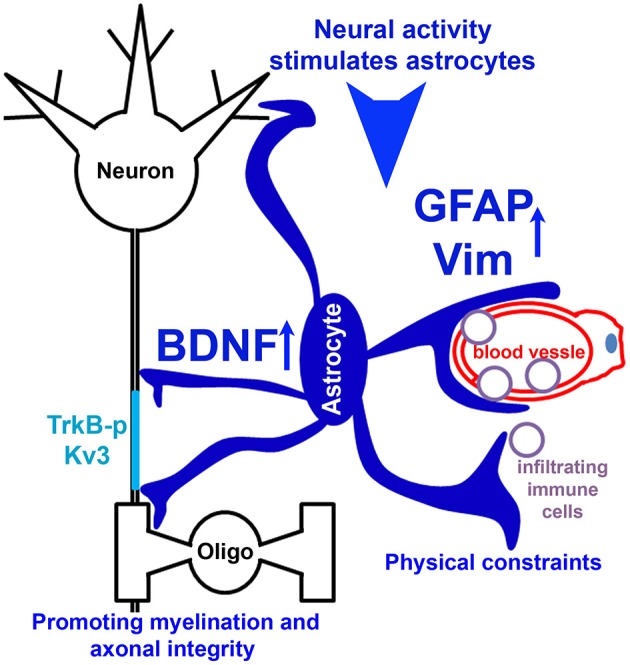
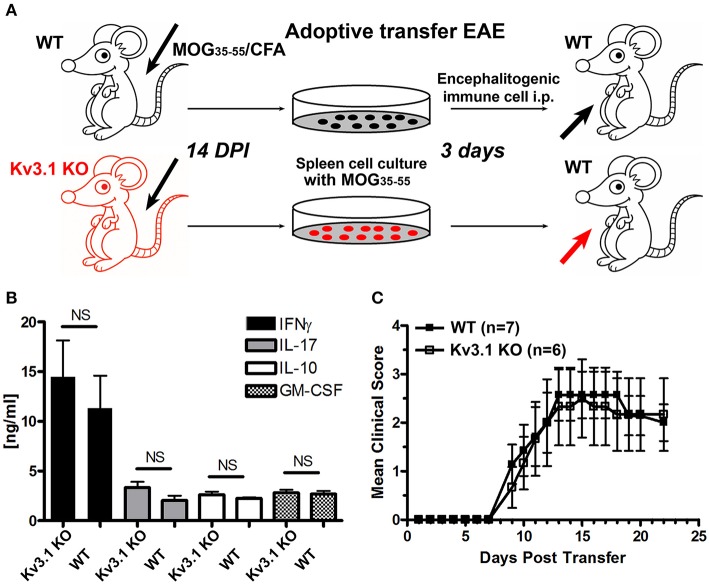
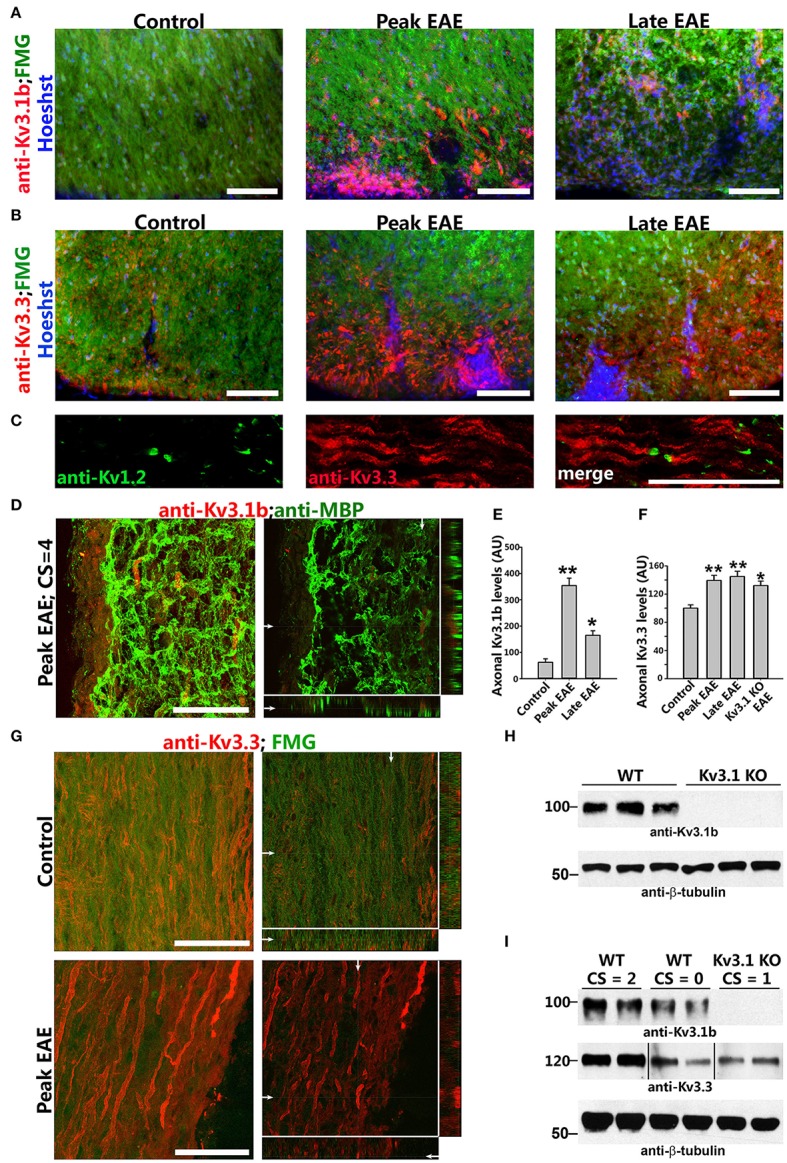
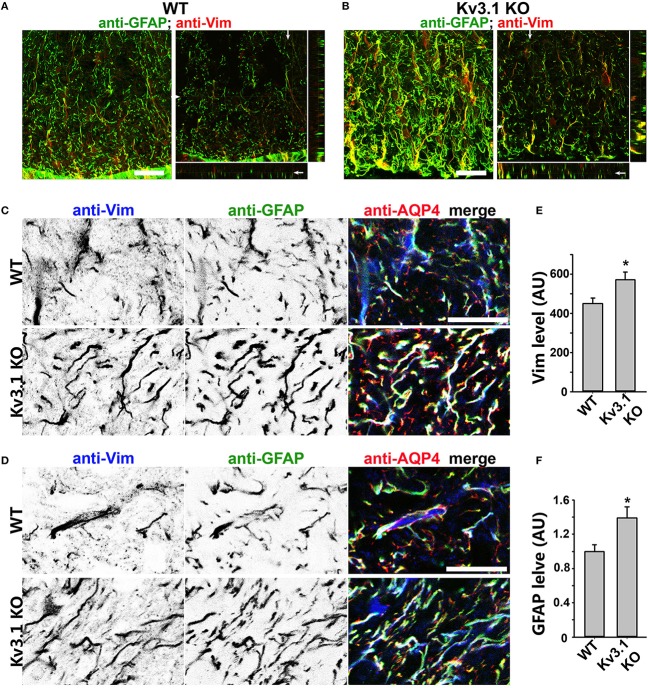
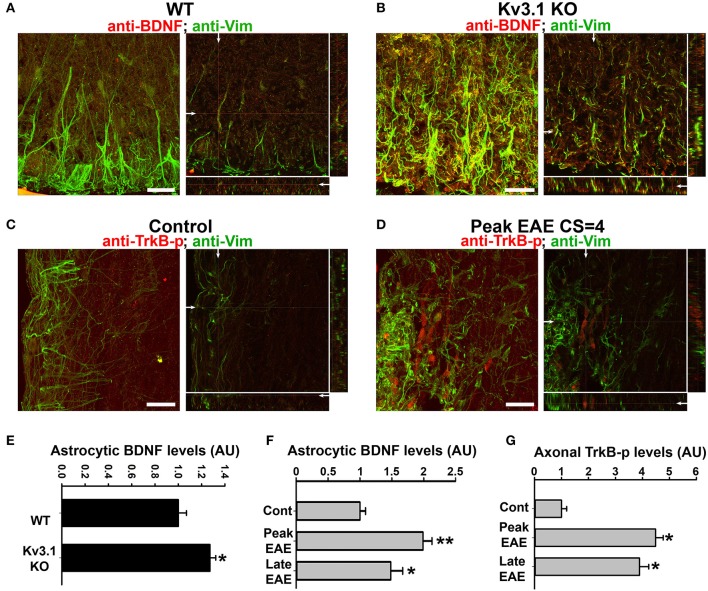
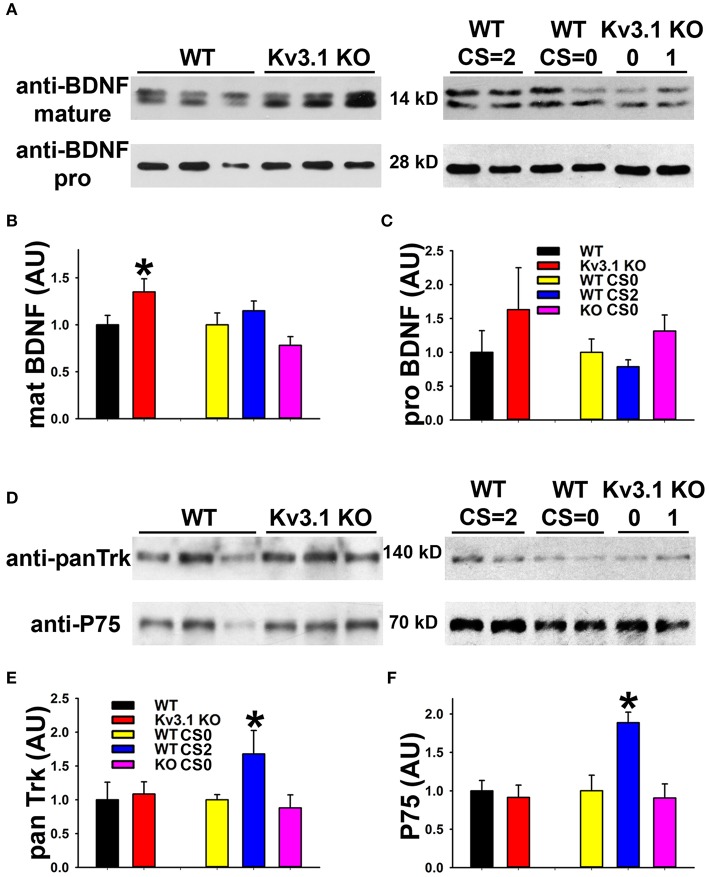
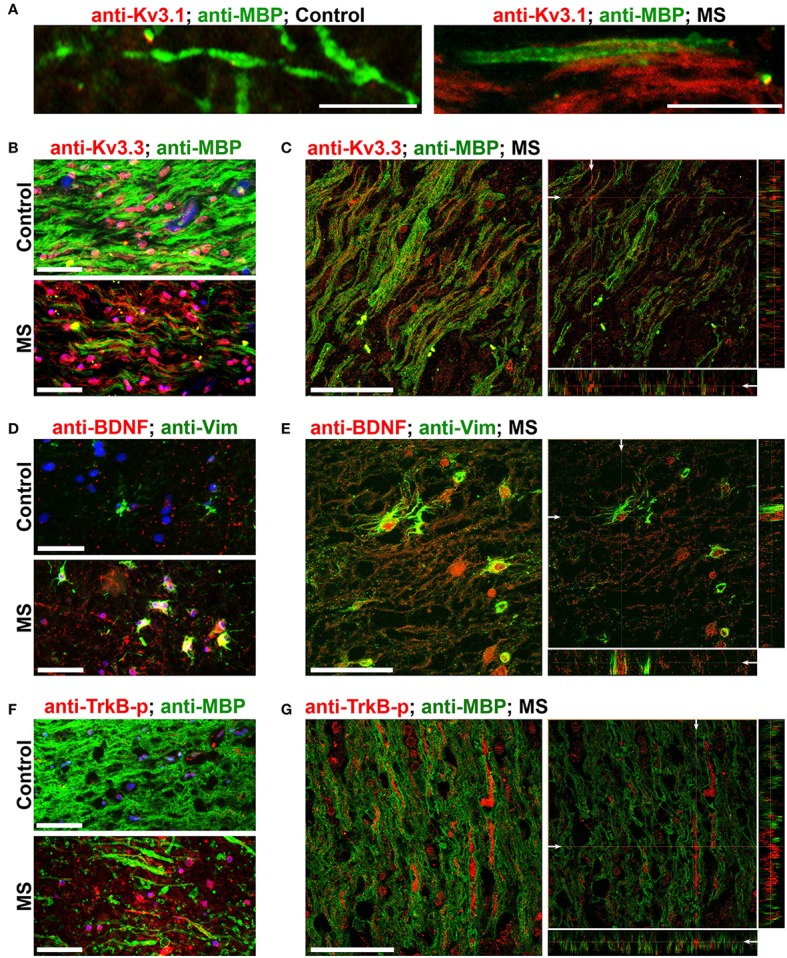
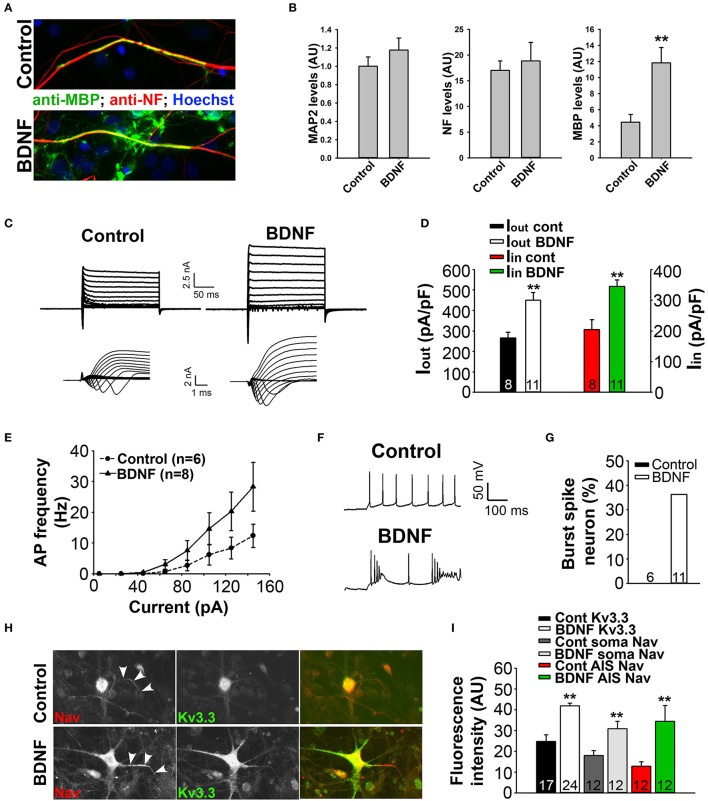
The development of neuroprotective and repair strategies for treating progressive multiple sclerosis (MS) requires new insights into axonal injury. 4-aminopyridine (4-AP), a blocker of voltage-gated K (Kv) channels, is used in symptomatic treatment of progressive MS, but the underlying mechanism remains unclear. Here we report that deleting Kv3.1-the channel with the highest 4-AP sensitivity-reduces clinical signs in experimental autoimmune encephalomyelitis (EAE), a mouse model for MS. In Kv3.1 knockout (KO) mice, EAE lesions in sensory and motor tracts of spinal cord were markedly reduced, and radial astroglia were activated with increased expression of brain derived neurotrophic factor (BDNF). Kv3.3/Kv3.1 and activated BDNF receptors were upregulated in demyelinating axons in EAE and MS lesions. In spinal cord myelin coculture, BDNF treatment promoted myelination, and neuronal firing via altering channel expression. Therefore, suppressing Kv3.1 alters neural circuit activity, which may enhance BNDF signaling and hence protect axons from inflammatory insults.
开发用于治疗进展性多发性硬化症(MS)的神经保护和修复策略需要对轴突损伤有新的认识。4-氨基吡啶(4-AP)是一种电压门控钾(Kv)通道阻滞剂,用于进展性MS的对症治疗,但其潜在机制仍不清楚。在此我们报告,删除Kv3.1(对4-AP敏感性最高的通道)可减轻实验性自身免疫性脑脊髓炎(EAE,一种MS小鼠模型)的临床症状。在Kv3.1基因敲除(KO)小鼠中,脊髓感觉和运动通路中的EAE病变明显减少,放射状星形胶质细胞被激活,脑源性神经营养因子(BDNF)表达增加(。在EAE和MS病变的脱髓鞘轴突中,Kv3.3/Kv3.1和激活的BDNF受体上调。在脊髓髓鞘共培养中,BDNF处理通过改变通道表达促进髓鞘形成和神经元放电。因此,抑制Kv3.1会改变神经回路活动,这可能增强BDNF信号传导,从而保护轴突免受炎症损伤。