Joynson Ryan, Pritchard Leighton, Osemwekha Ekenakema, Ferry Natalie
School of Environment and Life Science, University of Salford, Greater Manchester, United Kingdom.
Earlham Institute, Norwich, United Kingdom.
Front Microbiol. 2017 Nov 8;8:2181. doi: 10.3389/fmicb.2017.02181. eCollection 2017.
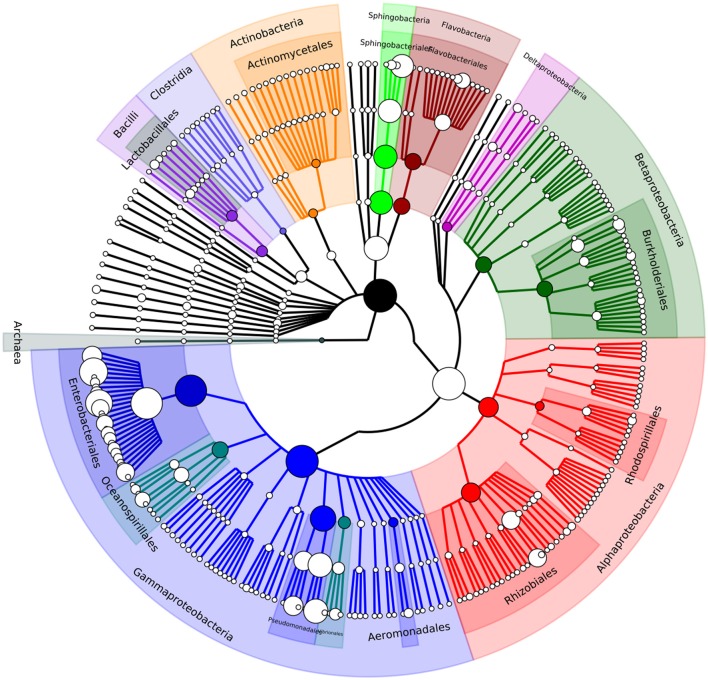
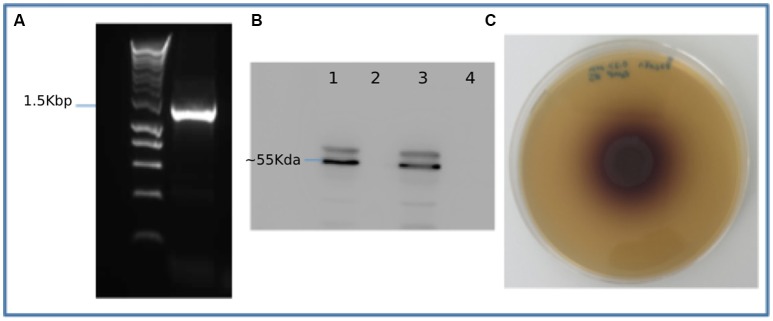
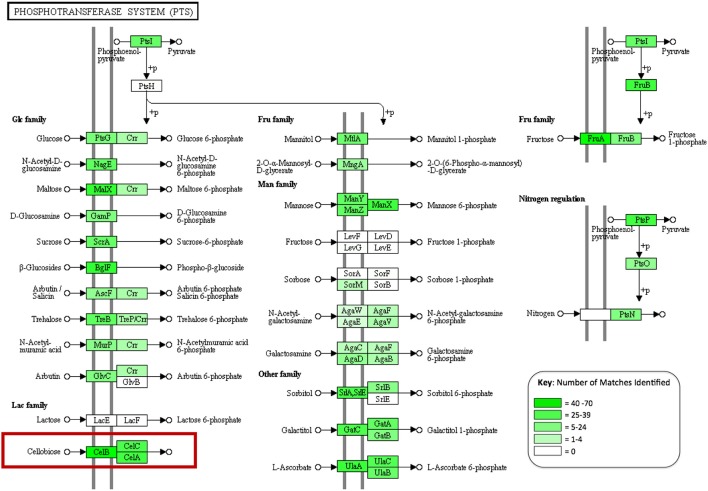
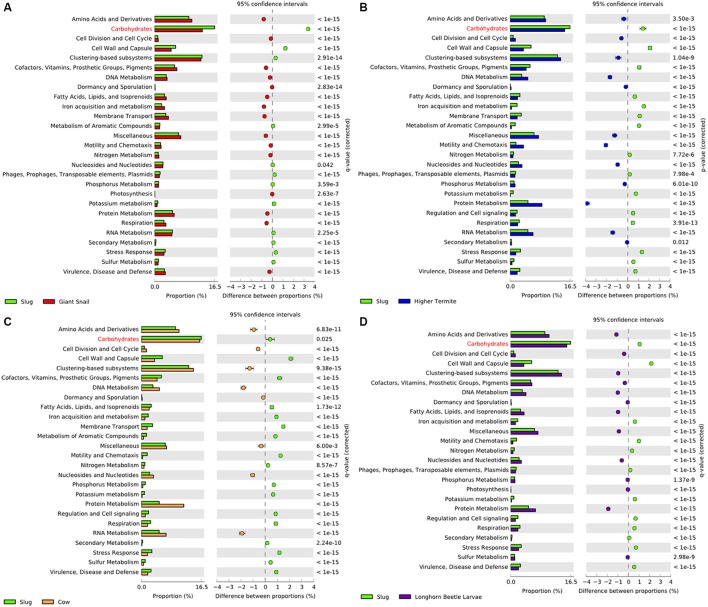
Some eukaryotes are able to gain access to well-protected carbon sources in plant biomass by exploiting microorganisms in the environment or harbored in their digestive system. One is the land pulmonate , which takes advantage of a gut microbial consortium that can break down the widely available, but difficult to digest, carbohydrate polymers in lignocellulose, enabling them to digest a broad range of fresh and partially degraded plant material efficiently. This ability is considered one of the major factors that have enabled to become one of the most widespread plant pest species in Western Europe and North America. Using metagenomic techniques we have characterized the bacterial diversity and functional capability of the gut microbiome of this notorious agricultural pest. Analysis of gut metagenomic community sequences identified abundant populations of known lignocellulose-degrading bacteria, along with well-characterized bacterial plant pathogens. This also revealed a repertoire of more than 3,383 carbohydrate active enzymes (CAZymes) including multiple enzymes associated with lignin degradation, demonstrating a microbial consortium capable of degradation of all components of lignocellulose. This would allow to make extensive use of plant biomass as a source of nutrients through exploitation of the enzymatic capabilities of the gut microbial consortia. From this metagenome assembly we also demonstrate the successful amplification of multiple predicted gene sequences from metagenomic DNA subjected to whole genome amplification and expression of functional proteins, facilitating the low cost acquisition and biochemical testing of the many thousands of novel genes identified in metagenomics studies. These findings demonstrate the importance of studying Gastropod microbial communities. Firstly, with respect to understanding links between feeding and evolutionary success and, secondly, as sources of novel enzymes with biotechnological potential, such as, CAZYmes that could be used in the production of biofuel.
一些真核生物能够通过利用环境中的微生物或其消化系统中携带的微生物,获取植物生物质中受到良好保护的碳源。其中之一是陆生肺螺,它利用肠道微生物群落,该群落能够分解木质纤维素中广泛存在但难以消化的碳水化合物聚合物,使其能够高效消化各种新鲜的和部分降解的植物材料。这种能力被认为是使其成为西欧和北美最广泛分布的植物害虫物种之一的主要因素之一。我们使用宏基因组技术对这种臭名昭著的农业害虫的肠道微生物组的细菌多样性和功能能力进行了表征。对肠道宏基因组群落序列的分析确定了大量已知的木质纤维素降解细菌种群,以及特征明确的细菌性植物病原体。这还揭示了超过3383种碳水化合物活性酶(CAZyme)的全部组成,包括多种与木质素降解相关的酶,证明了一个能够降解木质纤维素所有成分的微生物群落。这将使它能够通过利用肠道微生物群落的酶促能力,广泛利用植物生物质作为营养来源。从这个宏基因组组装中我们还证明了从经过全基因组扩增的宏基因组DNA中成功扩增出多个预测基因序列并表达功能蛋白,便于低成本获取和生化测试宏基因组学研究中鉴定出的数千个新基因。这些发现证明了研究腹足纲动物微生物群落的重要性。首先,有助于理解摄食与进化成功之间的联系;其次,作为具有生物技术潜力的新酶的来源,例如可用于生物燃料生产的CAZyme。