Lechner Johann, Schuett Sabine, von Baehr Volker
Clinic for Integrative Dentistry, Munich.
Department of Immunology and Allergology, Institute for Medical Diagnostics in MVZ GbR, Berlin, Germany.
Clin Cosmet Investig Dent. 2017 Nov 9;9:99-109. doi: 10.2147/CCIDE.S149545. eCollection 2017.
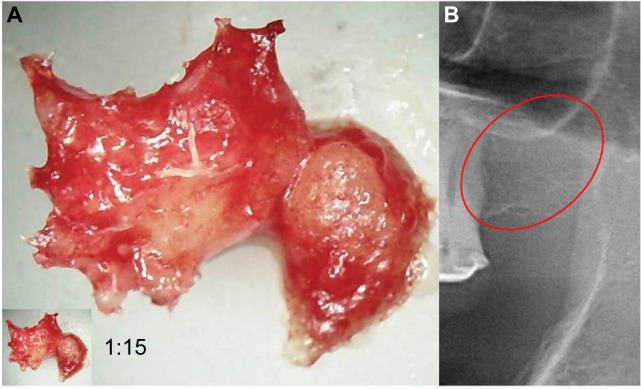
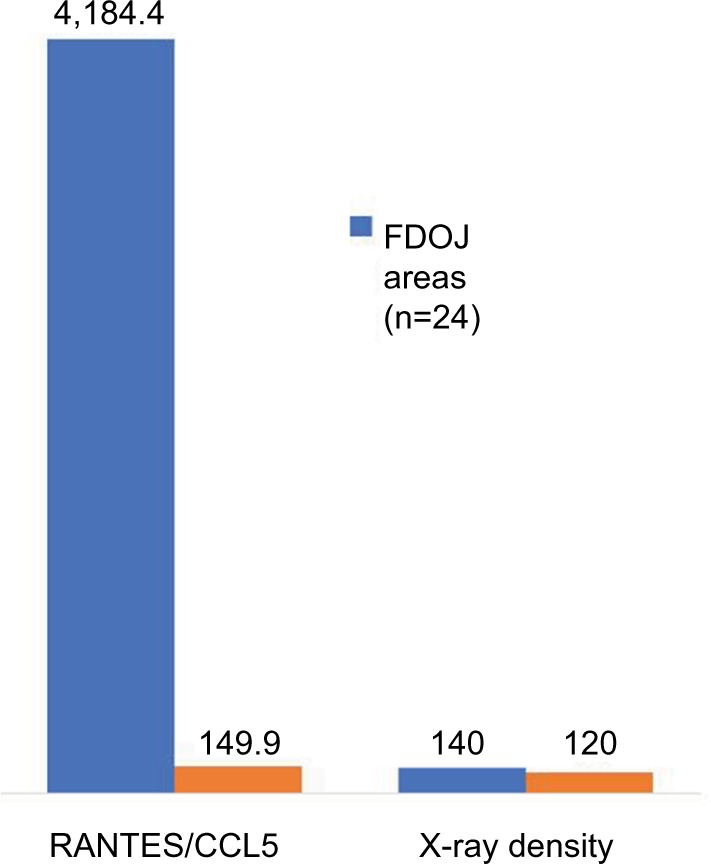
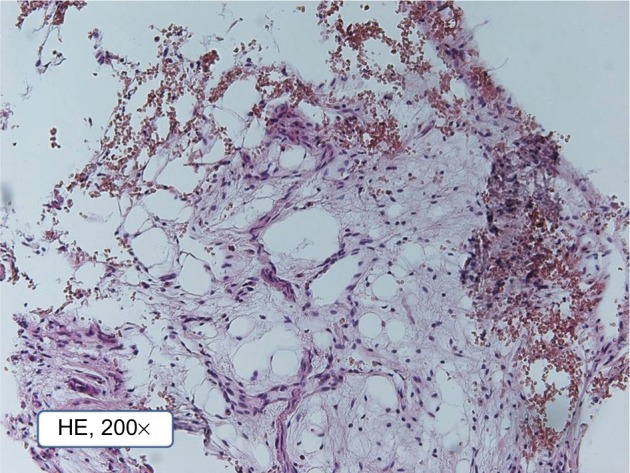
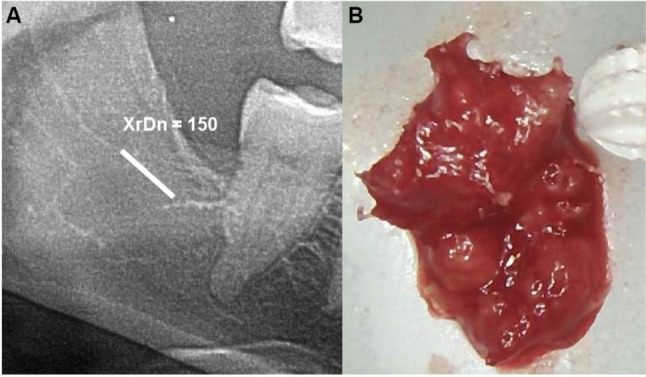
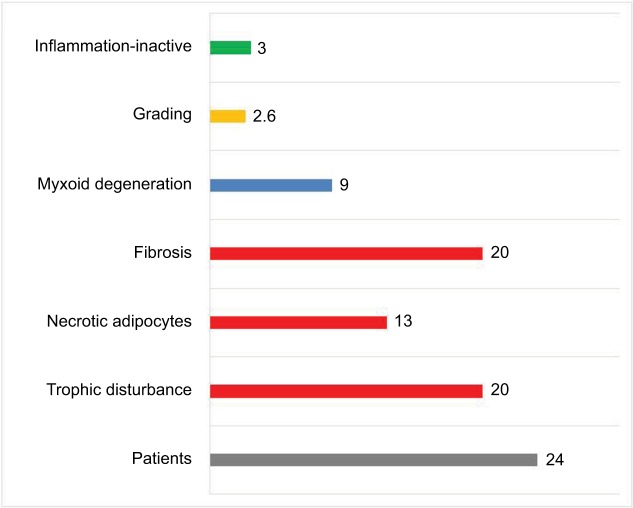
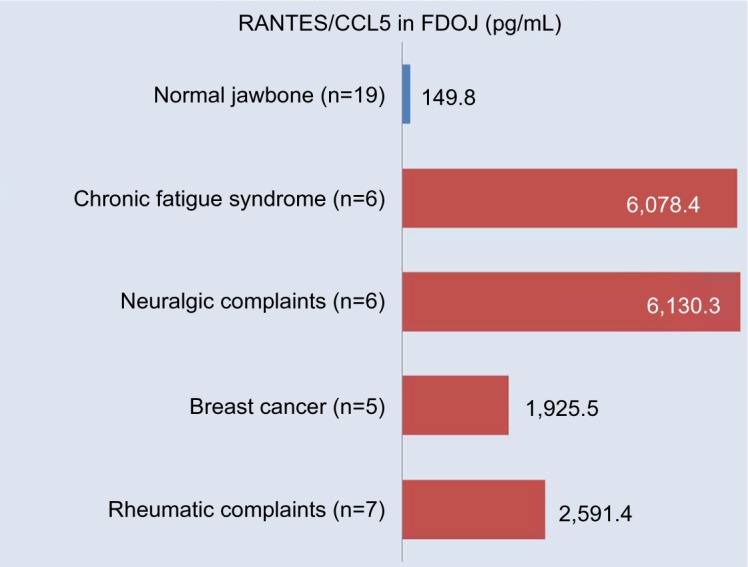
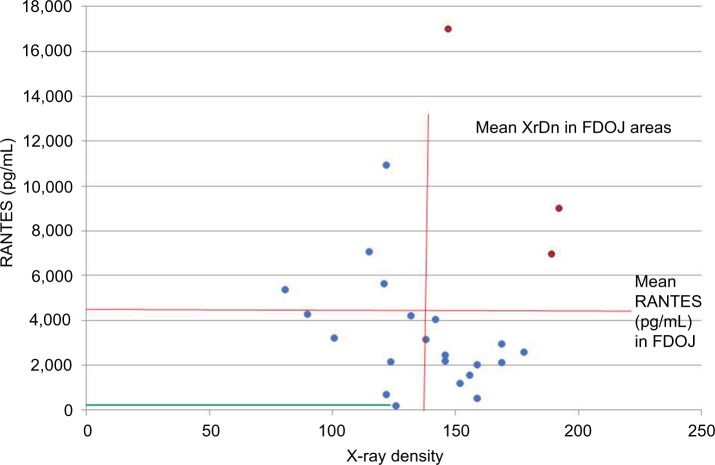
Of the definitions listed in the International Statistical Classification of Diseases and Related Health Problems, tenth revision (ICD-10), two disease descriptions can be found together: "idiopathic aseptic bone necrosis" and "avascular bone necrosis." The relevant literature on both the conditions abbreviates both as "aseptic ischemic osteonecrosis in the jawbone" (AIOJ). To shed light on the clinical details of this condition, osteolytic jawbone samples of 24 patients with different systemic immunological diseases were examined using four steps: presurgical dental X-ray, postsurgical histology, polymerase chain reaction DNA analysis (PCR DNA) of bacteria, and RANTES/CCL5 (R/C) expression. These four steps showed that neither X-ray nor histology delivered unambiguous results with respect to inflammatory processes; furthermore, the PCR results did not show evidence of any microbial load within the jaw samples. However, there is a striking, coherent overexpression of chemokine R/C in the AIOJ samples. This study proved the aseptic existence of "silent inflammation" within the jawbone. The ICD-10 (AIOJ) definition, which is hard to interpret, can now be substantiated with clinical evidence, while the cytokine expressions described in this report can explain the systemic immunological effects observed within the group of examined patients.
在《国际疾病分类及相关健康问题统计分类第十次修订版》(ICD - 10)列出的定义中,可以找到两种疾病描述同时出现:“特发性无菌性骨坏死”和“缺血性骨坏死”。关于这两种病症的相关文献都将它们简称为“颌骨无菌性缺血性骨坏死”(AIOJ)。为了阐明这种病症的临床细节,对24名患有不同全身性免疫疾病的患者的溶骨性颌骨样本进行了四个步骤的检查:术前牙科X射线检查、术后组织学检查、细菌的聚合酶链反应DNA分析(PCR DNA)以及调节激活正常T细胞表达和分泌的因子/趋化因子配体5(RANTES/CCL5,R/C)表达。这四个步骤表明,无论是X射线检查还是组织学检查,在炎症过程方面都没有给出明确的结果;此外,PCR结果也未显示颌骨样本中有任何微生物负荷的证据。然而,在AIOJ样本中,趋化因子R/C存在显著且一致的过表达。这项研究证明了颌骨内“无声炎症”的无菌性存在。难以解释的ICD - 10(AIOJ)定义现在可以用临床证据来证实,而本报告中描述的细胞因子表达可以解释在受试患者组中观察到的全身性免疫效应。