Jankovic Nikolina, Radonic Vasa
BioSense Institute—Research Institute for Information Technologies in Biosystems, Novi Sad 21000, Serbia
Sensors (Basel). 2017 Nov 24;17(12):2713. doi: 10.3390/s17122713.
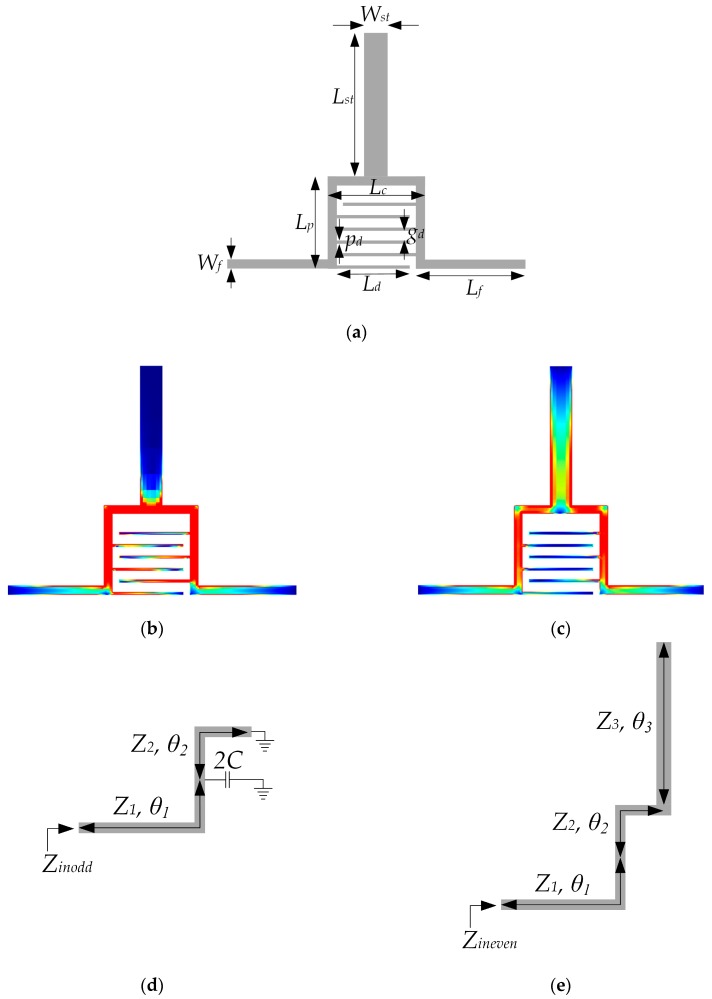
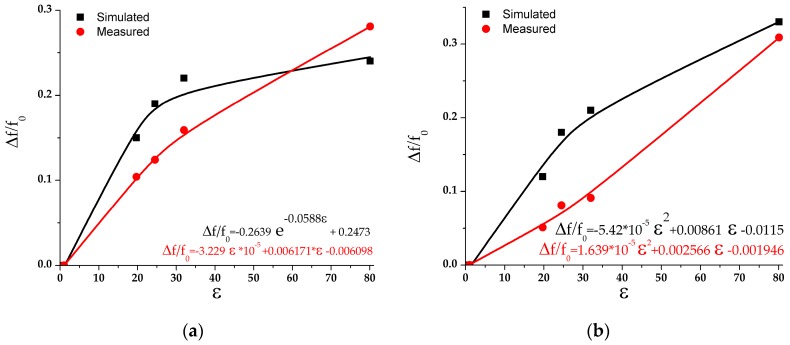
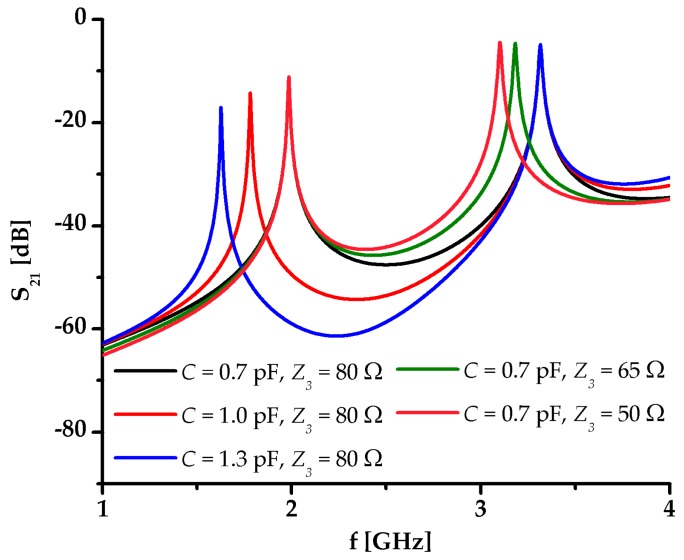
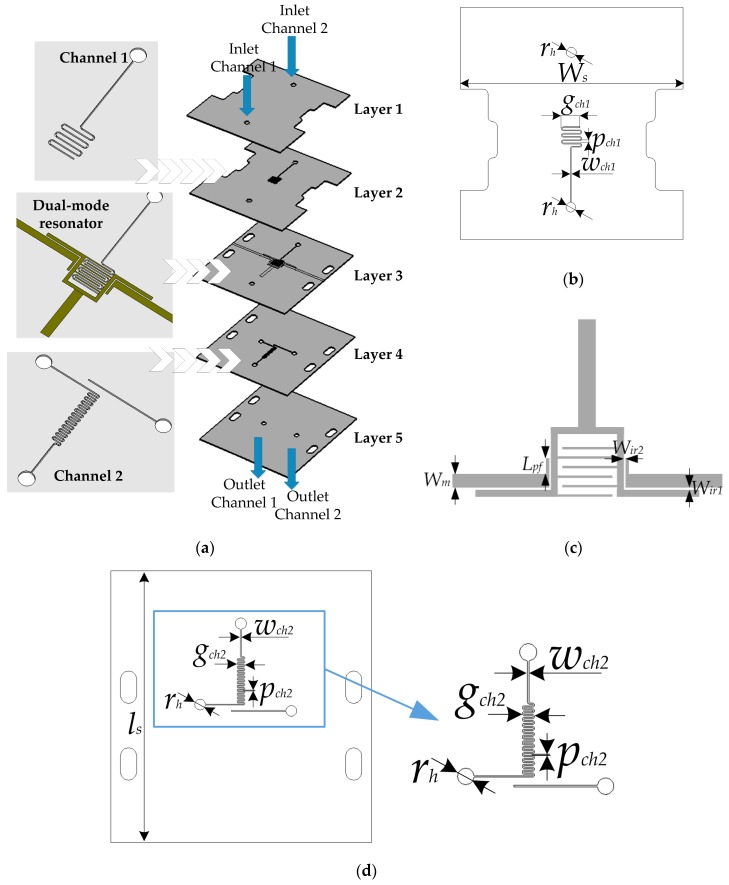
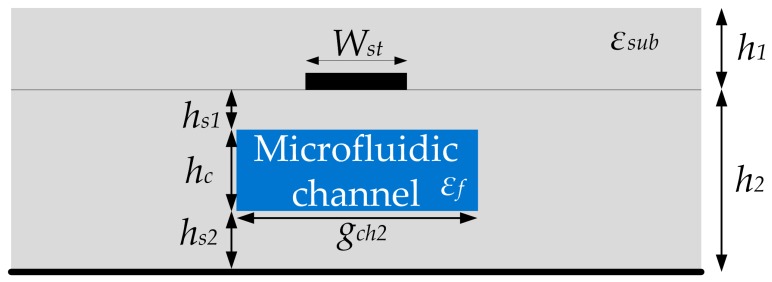
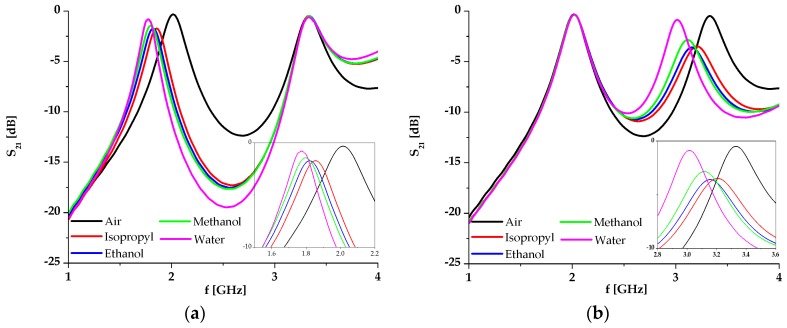
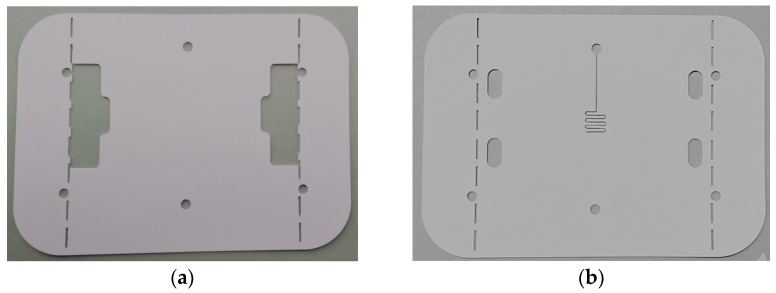
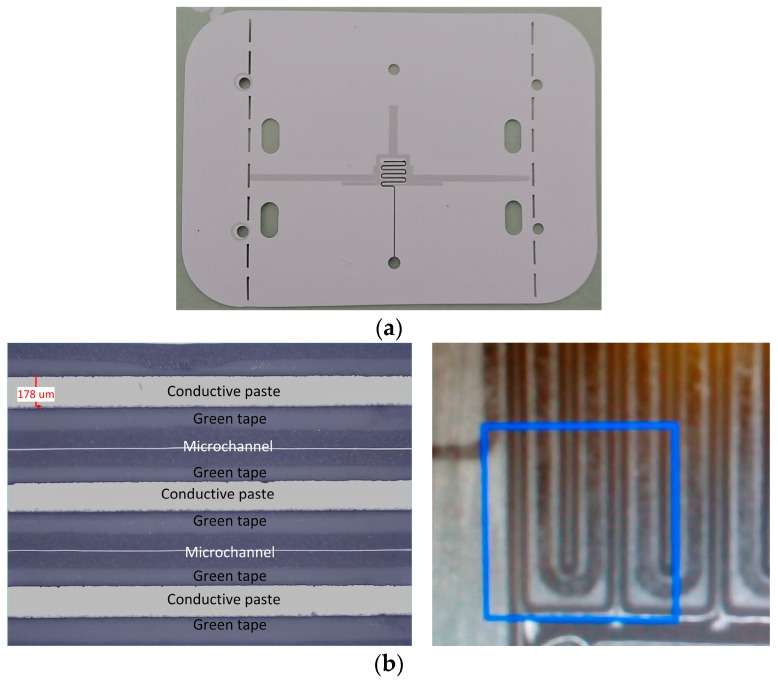
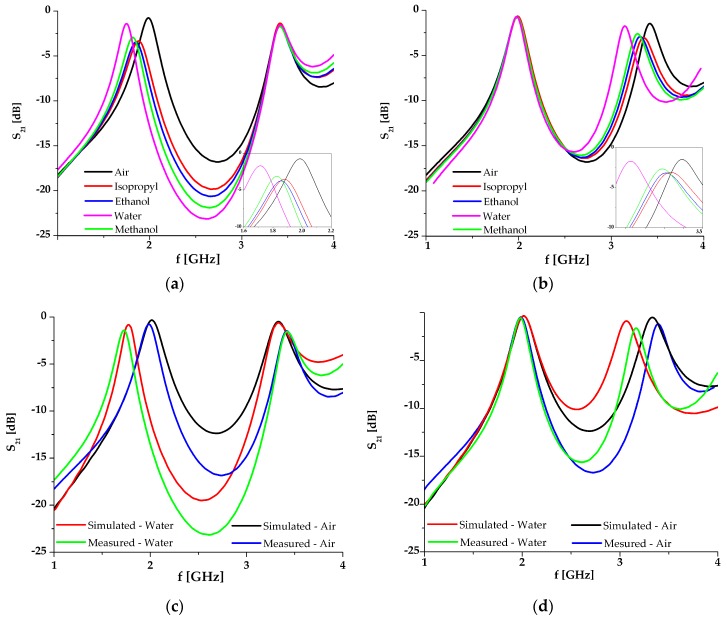
In this paper, we propose a novel microwave microfluidic sensor with dual-sensing capability. The sensor is based on a dual-mode resonator that consists of a folded microstrip line loaded with interdigital lines and a stub at the plane of symmetry. Due to the specific configuration, the resonator exhibits two entirely independent resonant modes, which allows simultaneous sensing of two fluids using a resonance shift method. The sensor is designed in a multilayer configuration with the proposed resonator and two separated microfluidic channels-one intertwined with the interdigital lines and the other positioned below the stub. The circuit has been fabricated using low-temperature co-fired ceramics technology and its performance was verified through the measurement of its responses for different fluids in the microfluidic channels. The results confirm the dual-sensing capability with zero mutual influence as well as good overall performance. Besides an excellent potential for dual-sensing applications, the proposed sensor is a good candidate for application in mixing fluids and cell counting.
在本文中,我们提出了一种具有双传感能力的新型微波微流控传感器。该传感器基于一种双模谐振器,它由加载有叉指线的折叠微带线和位于对称平面的短截线组成。由于其特定的结构,该谐振器呈现出两种完全独立的谐振模式,这使得能够使用谐振频率偏移法同时对两种流体进行传感。该传感器采用多层结构设计,包含所提出的谐振器和两个分开的微流控通道——一个与叉指线交织,另一个位于短截线下方。该电路采用低温共烧陶瓷技术制造,并通过测量其对微流控通道中不同流体的响应来验证其性能。结果证实了其双传感能力,相互影响为零,整体性能良好。除了在双传感应用方面具有出色的潜力外,所提出的传感器也是流体混合和细胞计数应用的良好候选者。