McArdle Laboratory for Cancer Research, Department of Oncology, University of Wisconsin, Madison, WI 53705, USA.
Viruses. 2017 Nov 27;9(12):362. doi: 10.3390/v9120362.
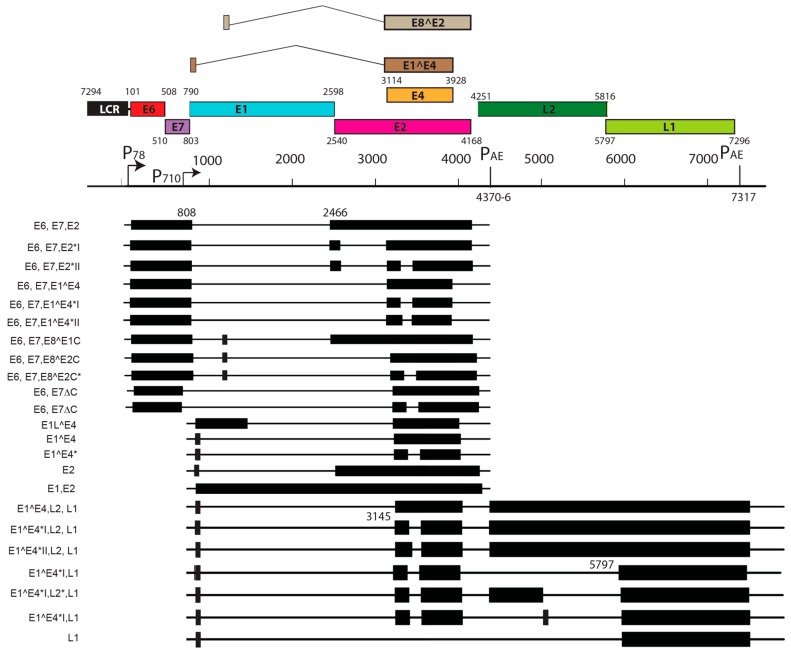
Preclinical infection model systems are extremely valuable tools to aid in our understanding of Human Papillomavirus (HPV) biology, disease progression, prevention, and treatments. In this context, rodent papillomaviruses and their respective infection models are useful tools but remain underutilized resources in the field of papillomavirus biology. Two rodent papillomaviruses, MnPV1, which infects the species of multimammate rats, and MmuPV1, which infects laboratory mice, are currently the most studied rodent PVs. Both of these viruses cause malignancy in the skin and can provide attractive infection models to study the lesser understood cutaneous papillomaviruses that have been frequently associated with HPV-related skin cancers. Of these, MmuPV1 is the first reported rodent papillomavirus that can naturally infect the laboratory strain of mice. MmuPV1 is an attractive model virus to study papillomavirus pathogenesis because of the ubiquitous availability of lab mice and the fact that this mouse species is genetically modifiable. In this review, we have summarized the knowledge we have gained about PV biology from the study of rodent papillomaviruses and point out the remaining gaps that can provide new research opportunities.
临床前感染模型系统是非常有价值的工具,可以帮助我们理解人类乳头瘤病毒 (HPV) 的生物学、疾病进展、预防和治疗。在这种情况下,啮齿动物乳头瘤病毒及其各自的感染模型是有用的工具,但在乳头瘤病毒生物学领域仍未得到充分利用。两种啮齿动物乳头瘤病毒,即感染多齿巨鼠属物种的 MnPV1 和感染实验小鼠的 MmuPV1,是目前研究最多的啮齿动物 PV。这两种病毒都会导致皮肤恶性肿瘤,并且可以提供有吸引力的感染模型,用于研究皮肤乳头瘤病毒,这些病毒了解较少,但经常与 HPV 相关的皮肤癌有关。在这些病毒中,MmuPV1 是第一种被报道的可以自然感染实验小鼠品系的啮齿动物乳头瘤病毒。MmuPV1 是一种有吸引力的模型病毒,可以研究乳头瘤病毒发病机制,因为实验小鼠普遍存在,并且这种小鼠物种具有遗传可修饰性。在这篇综述中,我们总结了从研究啮齿动物乳头瘤病毒中获得的关于 PV 生物学的知识,并指出了仍然存在的差距,这些差距可以提供新的研究机会。