School of Management Engineering, Nanjing University of Information Science Technology, Nanjing 210044, China.
College of Economics and Management, Nanjing University of Aeronautics and Astronautics, Nanjing 210016, China.
Int J Environ Res Public Health. 2017 Dec 1;14(12):1496. doi: 10.3390/ijerph14121496.
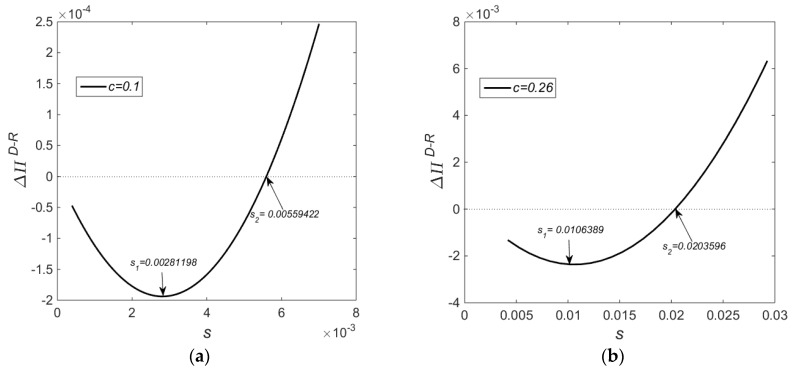
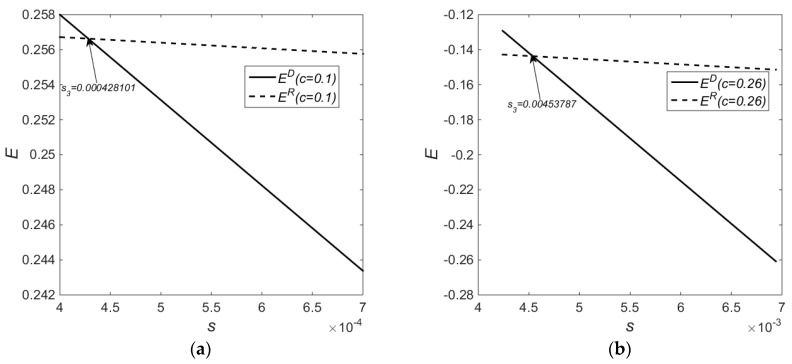
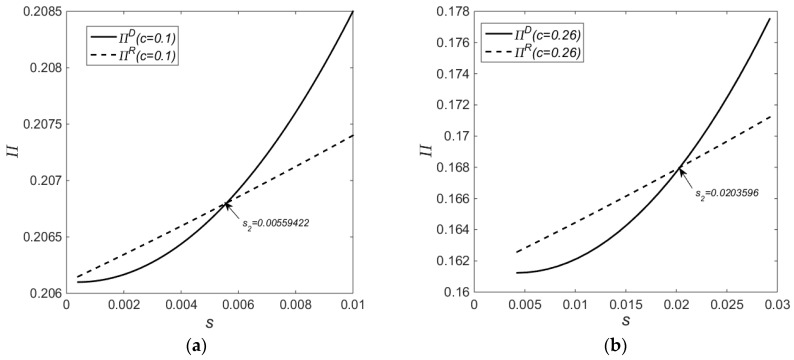
Remanufactured products offer better environmental benefits, and governments encourage manufacturers to remanufacture through various subsidy policies. This practice has shown that, in addition to product sales, remanufactured product can also achieve its value through social donation. Based on the remanufactured product value realization approaches, governments provide two kinds of incentive policies, which are remanufactured product sales subsidies and remanufactured product donation subsidies. This paper constructs a two-stage Stackelberg game model including a government and a manufacturer under two different policies, which can be solved by backward induction. By comparing the optimal decision of the two policies, our results show that, compared with the remanufacturing sales subsidy, donation subsidy weakens the cannibalization of remanufactured products for new products and increases the quantity of new products. It reduces the sales quantity of remanufactured products, but increases their total quantity. Under certain conditions of low subsidy, the manufacturer adopting sales subsidy provides better economic and environmental benefits. Under certain conditions of high subsidy, the manufacturer adopting donation subsidy offers better economic and environmental benefits. When untreated product environmental impact is large enough, donation subsidy policy has a better social welfare. Otherwise, the choice of social welfare of these two different policies depends on the social impact of remanufactured product donated.
再制造产品具有更好的环境效益,政府通过各种补贴政策鼓励制造商进行再制造。实践表明,再制造产品除了产品销售之外,还可以通过社会捐赠实现其价值。基于再制造产品价值实现途径,政府提供了两种激励政策,即再制造产品销售补贴和再制造产品捐赠补贴。本文构建了一个包括政府和制造商的两阶段 Stackelberg 博弈模型,该模型可以通过反向归纳法求解。通过比较两种政策的最优决策,结果表明,与再制造销售补贴相比,捐赠补贴减弱了再制造产品对新产品的蚕食效应,增加了新产品的数量。它减少了再制造产品的销售量,但增加了它们的总量。在补贴较低的情况下,采用销售补贴的制造商提供了更好的经济和环境效益。在补贴较高的情况下,采用捐赠补贴的制造商提供了更好的经济和环境效益。当未处理产品的环境影响足够大时,捐赠补贴政策具有更好的社会效益。否则,这两种不同政策的社会效益选择取决于捐赠的再制造产品的社会影响。