Dwary Ashish D, Master Samip, Patel Abhishek, Cole Constance, Mansour Richard, Mills Glenn, Koshy Nebu, Peddi Prakash, Burton Gary, Hammoud Dalia, Beedupalli Kavitha
Department of Medicine, Division of Hematology-Oncology, Louisiana State University Health Sciences Center, Shreveport, LA, USA.
Oncotarget. 2017 Aug 8;8(53):91795-91802. doi: 10.18632/oncotarget.20030. eCollection 2017 Oct 31.
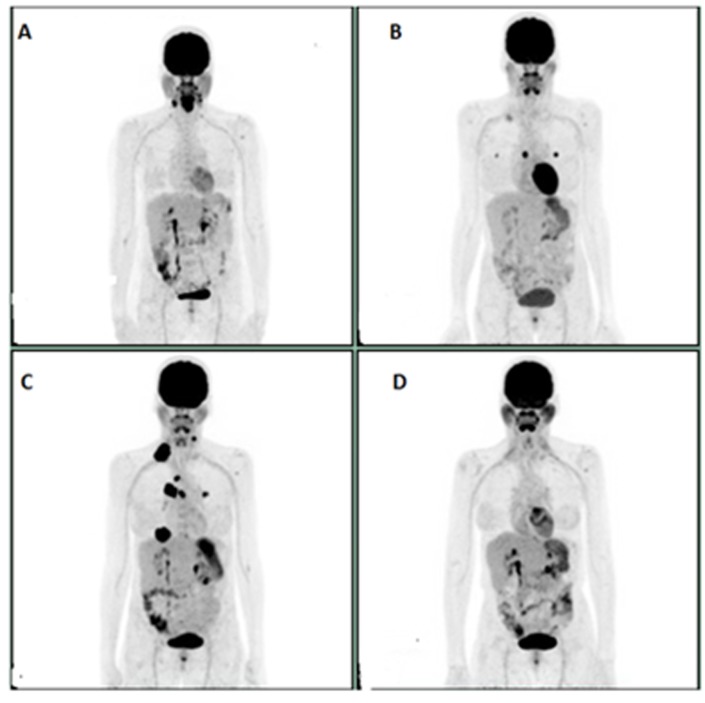
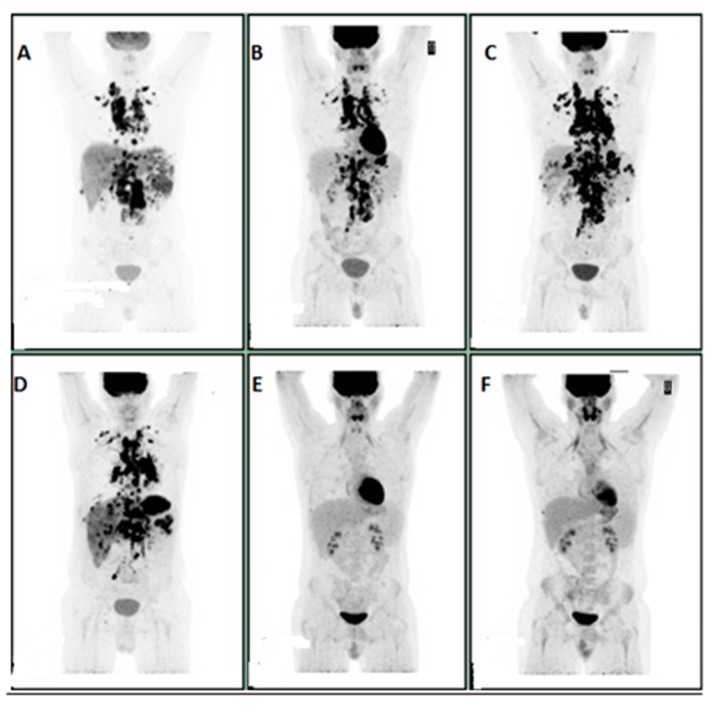
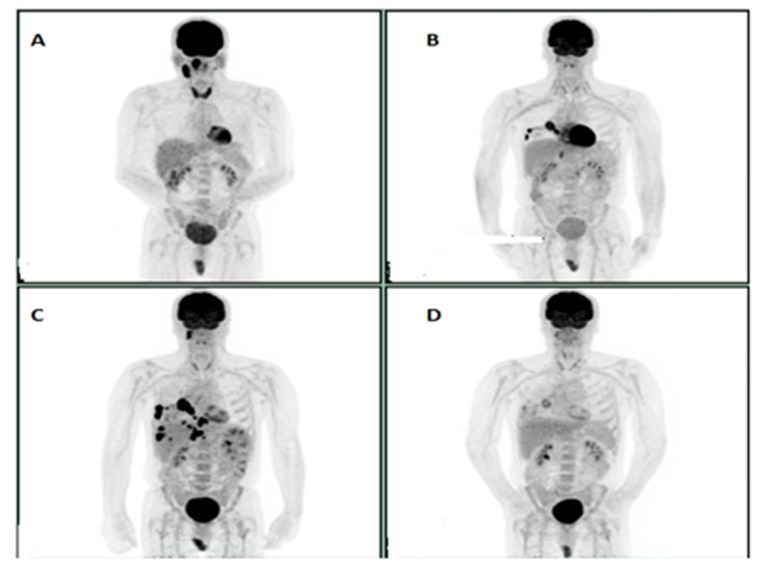
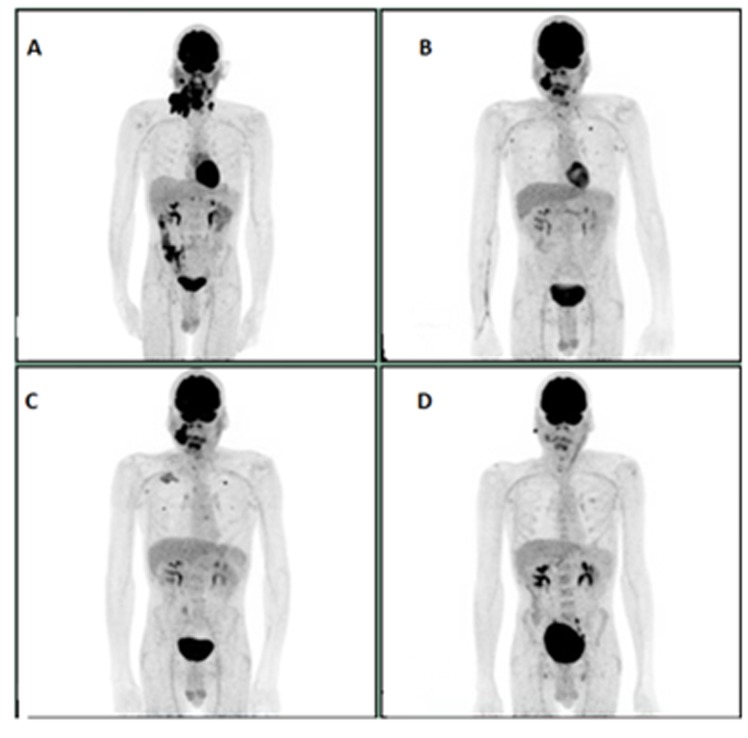
Immunotherapy in the form of immune checkpoint inhibitors has changed the landscape of cancer treatment. Newer monoclonal antibodies are coming up and are being tested in various cancers during different stages of treatment. With the increasing use of immune checkpoint inhibitors in the management of various types of cancers, the question is raised as to what next can be offered to a patient who has progressed on this newer treatment. Does Sequence matter? There have been reports of improved responses to chemotherapy after immunotherapy in the form of vaccines. Here we present a case series of 6 patients who progressed on immunotherapy with immune checkpoint inhibitors after initial modality of treatment (chemotherapy/radiation), subsequently received chemotherapy with excellent response.
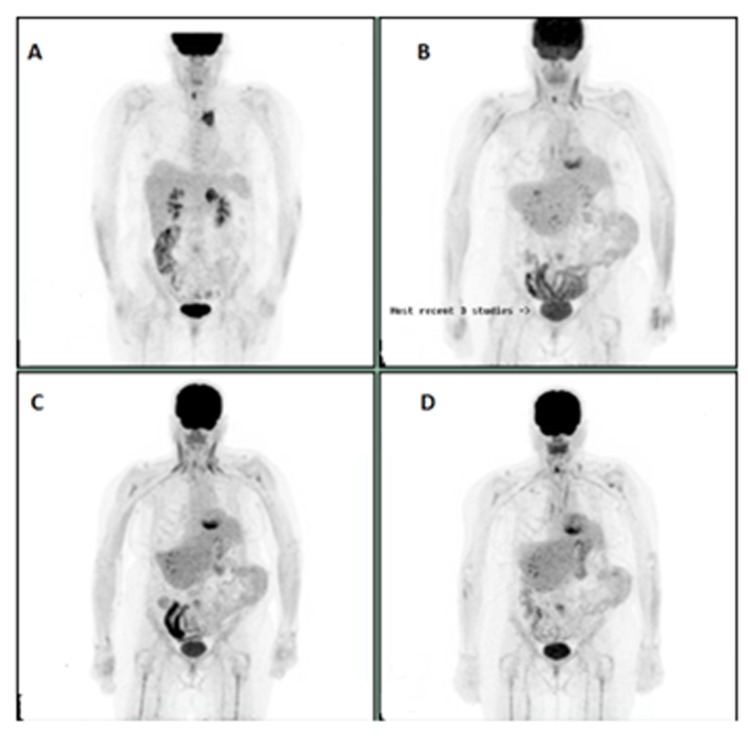
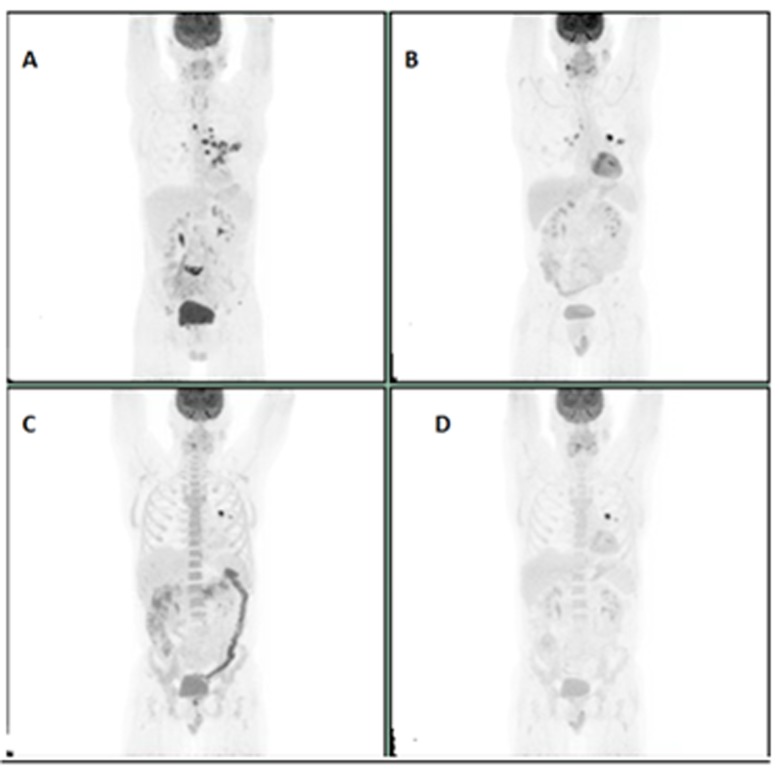
We have a cohort of six patients who had disease progression on second line Immunotherapy for solid or hematological malignancies and had ECOG < 2. All these patients received third line salvage chemotherapy. Three patients had metastatic head and neck cancer, 2 had non-small cell lung cancer (NSCLC), and one had T -cell rich B- cell lymphoma. Prior review and approval were obtained from our institutional review board.
All patients had an excellent response to chemotherapy in third line setting, after immune checkpoint inhibitors and most of them achieved a complete response.
Targeting cancer with chemotherapy after failure of immunotherapy is a valid option and can lead to better response rates and PFS which may lead to OS. This effect may be secondary to immunotherapy removing the inhibition exerted by tumor cells or other immune cells initially followed by cytotoxic chemotherapy mediated killing of tumor cells.
免疫检查点抑制剂形式的免疫疗法改变了癌症治疗格局。更新的单克隆抗体不断涌现,并在治疗的不同阶段针对各种癌症进行测试。随着免疫检查点抑制剂在各类癌症治疗中使用的增加,对于在这种新疗法上病情进展的患者接下来该如何治疗提出了疑问。治疗顺序重要吗?有报告称以疫苗形式进行免疫治疗后对化疗的反应有所改善。在此,我们呈现一个包含6例患者的病例系列,这些患者在初始治疗方式(化疗/放疗)后接受免疫检查点抑制剂免疫治疗时病情进展,随后接受化疗且反应良好。
我们有一组6例患者,他们在二线免疫治疗实体瘤或血液系统恶性肿瘤时病情进展,且其东部肿瘤协作组(ECOG)体能状态评分<2。所有这些患者均接受了三线挽救性化疗。3例患者患有转移性头颈癌,2例患有非小细胞肺癌(NSCLC),1例患有富含T细胞的B细胞淋巴瘤。已获得我们机构审查委员会的事先审查和批准。
所有患者在三线治疗中,即使用免疫检查点抑制剂后对化疗反应良好,且大多数患者实现了完全缓解。
免疫治疗失败后用化疗靶向癌症是一种有效的选择,可带来更高的反应率和无进展生存期(PFS),这可能会导致总生存期(OS)延长。这种效应可能继发于免疫治疗消除肿瘤细胞或其他免疫细胞最初施加的抑制作用,随后由细胞毒性化疗介导杀死肿瘤细胞。