Institute of Health and Biomedical Innovation, Queensland University of Technology, Brisbane, Queensland, 4059, Australia.
Australian Research Council Industrial Transformation Training Centre in Additive Biomanufacturing, Queensland University of Technology, Brisbane, Queensland, 4059, Australia.
Sci Rep. 2017 Dec 5;7(1):16997. doi: 10.1038/s41598-017-16523-x.
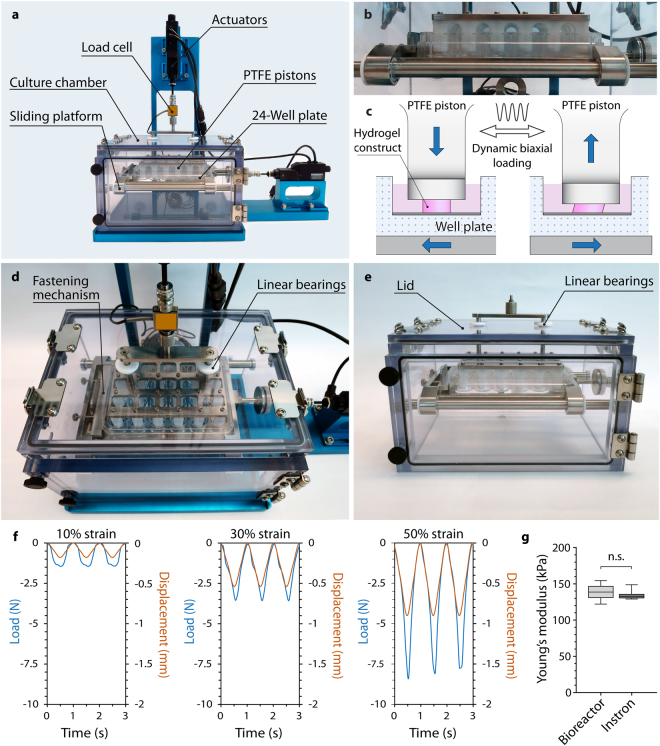
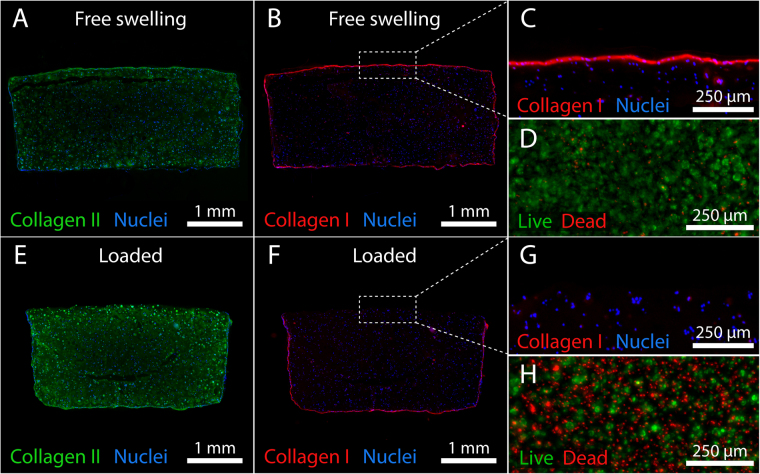
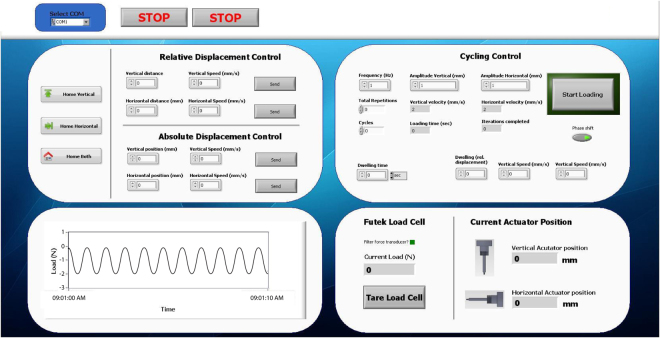
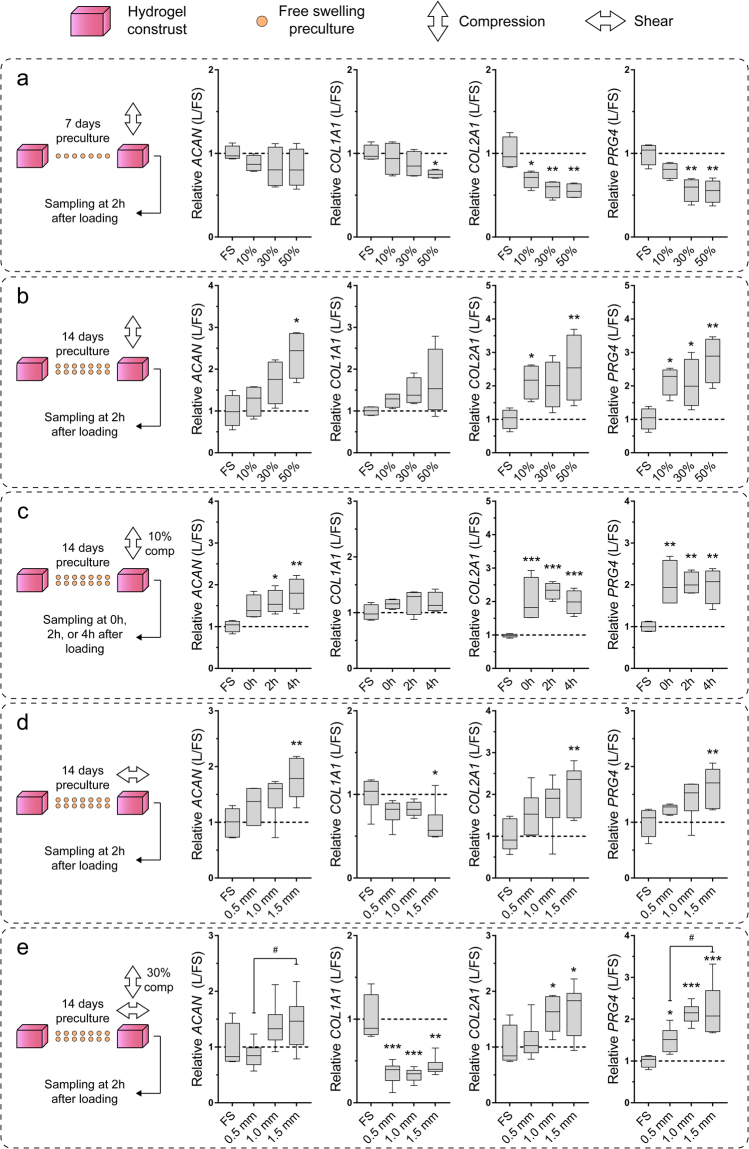
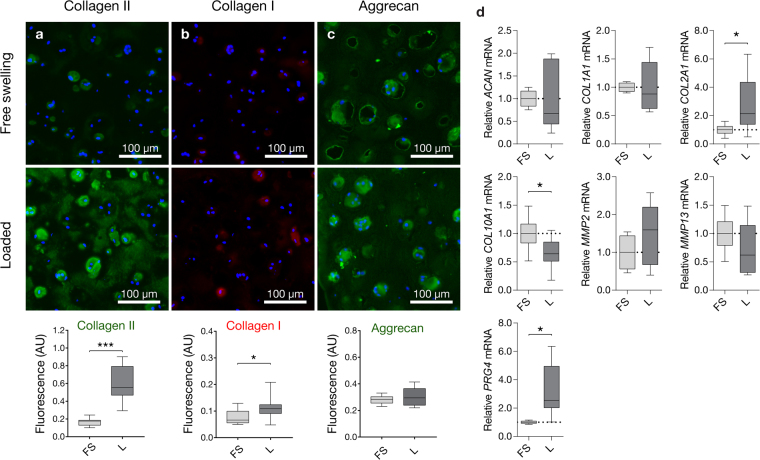
The ex vivo engineering of autologous cartilage tissues has the potential to revolutionize the clinical management of joint disorders. Yet, high manufacturing costs and variable outcomes associated with tissue-engineered implants are still limiting their application. To improve clinical outcomes and facilitate a wider use of engineered tissues, automated bioreactor systems capable of enhancing and monitoring neotissues are required. Here, we developed an innovative system capable of applying precise uni- or biaxial mechanical stimulation to developing cartilage neotissues in a tightly controlled and automated fashion. The bioreactor allows for simple control over the loading parameters with a user-friendly graphical interface and is equipped with a load cell for monitoring tissue maturation. Applying our bioreactor, we demonstrate that human articular chondrocytes encapsulated in hydrogels composed of gelatin methacryloyl (GelMA) and hyaluronic acid methacrylate (HAMA) respond to uni- and biaxial mechanical stimulation by upregulation of hyaline cartilage-specific marker genes. We further demonstrate that intermittent biaxial mechanostimulation enhances accumulation of hyaline cartilage-specific extracellular matrix. Our study underlines the stimulatory effects of mechanical loading on the biosynthetic activity of human chondrocytes in engineered constructs and the need for easy-to-use, automated bioreactor systems in cartilage tissue engineering.
自体软骨组织的体外工程有潜力彻底改变关节疾病的临床治疗方法。然而,组织工程植入物的高制造成本和可变结果仍然限制了它们的应用。为了改善临床结果并促进工程组织的更广泛应用,需要能够增强和监测新组织的自动化生物反应器系统。在这里,我们开发了一种创新的系统,能够以精确的单向或双向机械刺激方式对正在发育的软骨新组织进行严格控制和自动化处理。该生物反应器允许通过用户友好的图形界面简单控制加载参数,并配备有用于监测组织成熟度的负载单元。通过应用我们的生物反应器,我们证明了在由明胶甲基丙烯酰(GelMA)和透明质酸甲基丙烯酰(HAMA)组成的水凝胶中包封的人关节软骨细胞对单向和双向机械刺激做出反应,通过上调透明软骨特异性标记基因来响应。我们进一步证明,间歇双向机械刺激可增强透明软骨特异性细胞外基质的积累。我们的研究强调了机械加载对工程构建体中人软骨细胞生物合成活性的刺激作用,以及在软骨组织工程中需要易于使用的自动化生物反应器系统。