Simpson Stephen J, Le Couteur David G, James David E, George Jacob, Gunton Jenny E, Solon-Biet Samantha M, Raubenheimer David
Charles Perkins Centre, The University of Sydney, NSW, Australia.
School of Life and Environmental Sciences, The University of Sydney, NSW, Australia.
Nutr Healthy Aging. 2017 Dec 7;4(3):217-226. doi: 10.3233/NHA-170027.
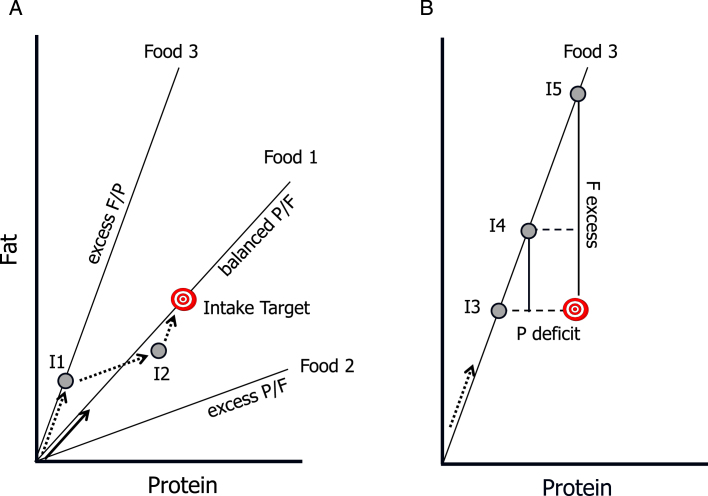
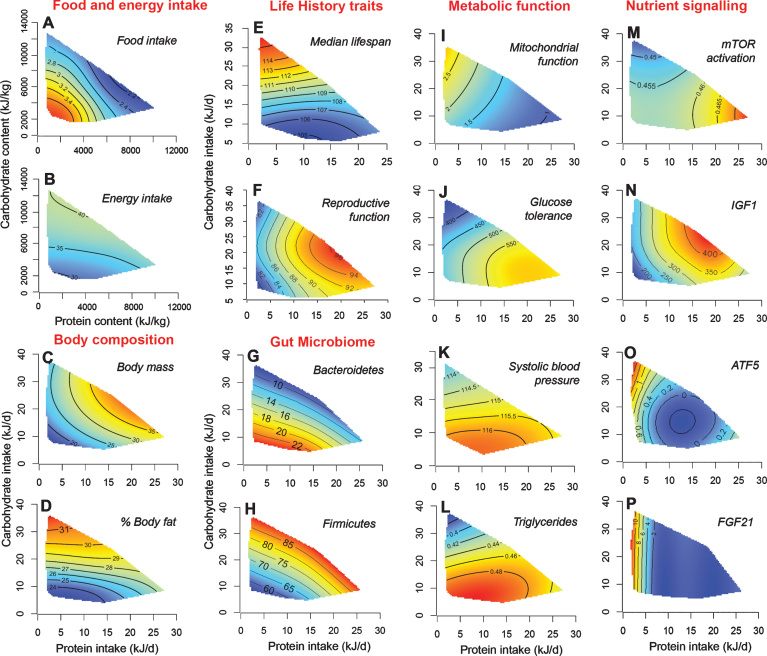
Fundamental questions in nutrition include, "What constitutes a nutritionally balanced diet?", "What are the consequences of failing to achieve diet balance?", and "How does diet balance change across the lifecourse and with individual circumstances?". Answering these questions requires coming to grips with the multidimensionality and dynamic nature of nutritional requirements, foods and diets, and the complex relationships between nutrition and health, while at the same time avoiding becoming overwhelmed by complexity. Here we illustrate the use of an integrating framework for taming the complexity of nutrition, the Geometric Framework for Nutrition (GFN), and show how this might be used to untap the full potential for nutrition to provide targeted primary interventions and treatments for the chronic diseases of aging. We first briefly introduce the concepts behind GFN, then provide an example of how GFN has been used to relate nutrition to various behavioural, physiological and health outcomes in a large mouse experiment, and end by suggesting a translational pathway to human health.
“什么构成营养均衡的饮食?”“未能实现饮食均衡会有什么后果?”以及“饮食均衡如何随生命历程和个体情况而变化?”要回答这些问题,需要理解营养需求、食物和饮食的多维度及动态本质,以及营养与健康之间的复杂关系,同时避免被复杂性压垮。在此,我们阐述如何使用一个整合框架来梳理营养的复杂性,即营养几何框架(GFN),并展示如何利用它挖掘营养的全部潜力,为衰老相关慢性病提供有针对性的一级干预措施和治疗方法。我们首先简要介绍GFN背后的概念,接着给出一个示例,说明在一项大型小鼠实验中GFN是如何用于将营养与各种行为、生理和健康结果联系起来的,最后提出一条通向人类健康的转化途径。