Rauer Clemens, Nogueira Juan J, Marquetand Philipp, González Leticia
Institute of Theoretical Chemistry, Faculty of Chemistry, University of Vienna, Vienna, Austria.
Monatsh Chem. 2018;149(1):1-9. doi: 10.1007/s00706-017-2108-4. Epub 2017 Dec 4.
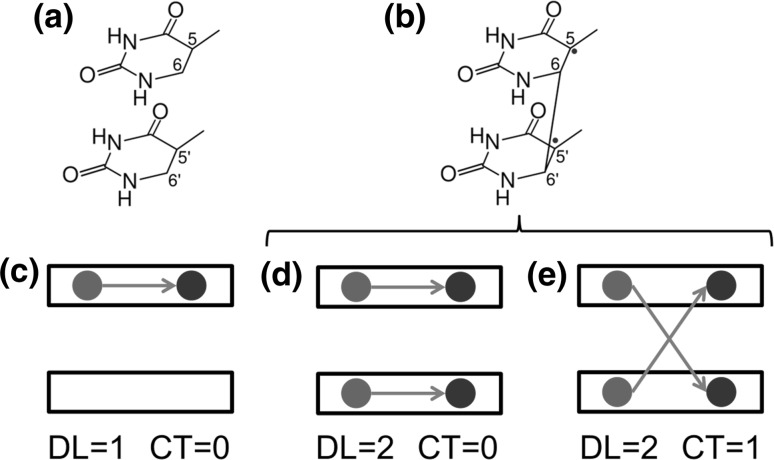
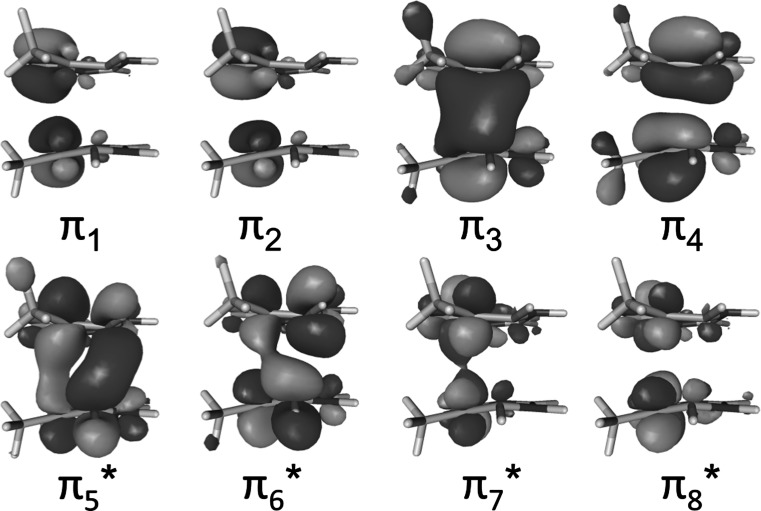
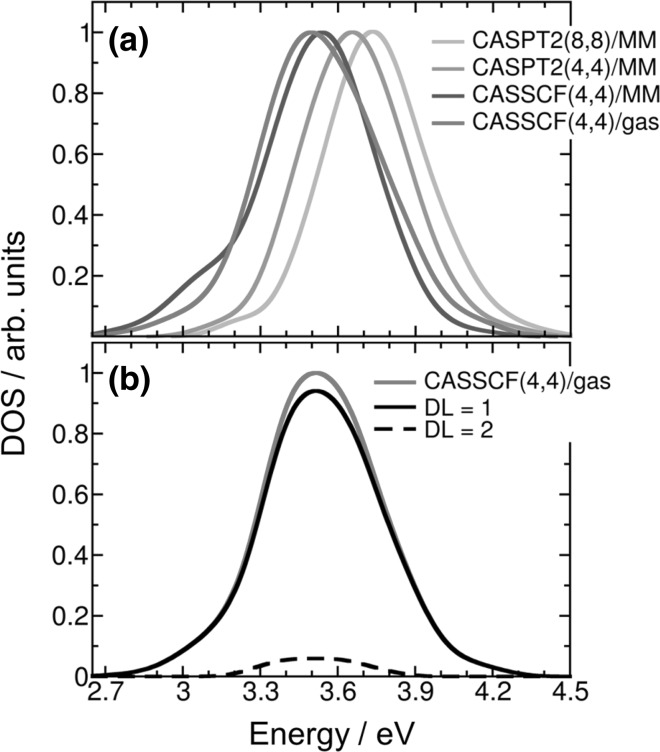
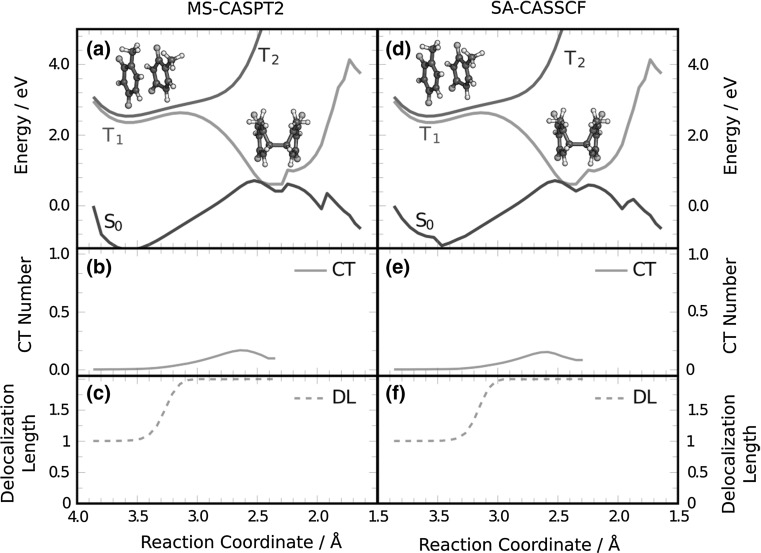
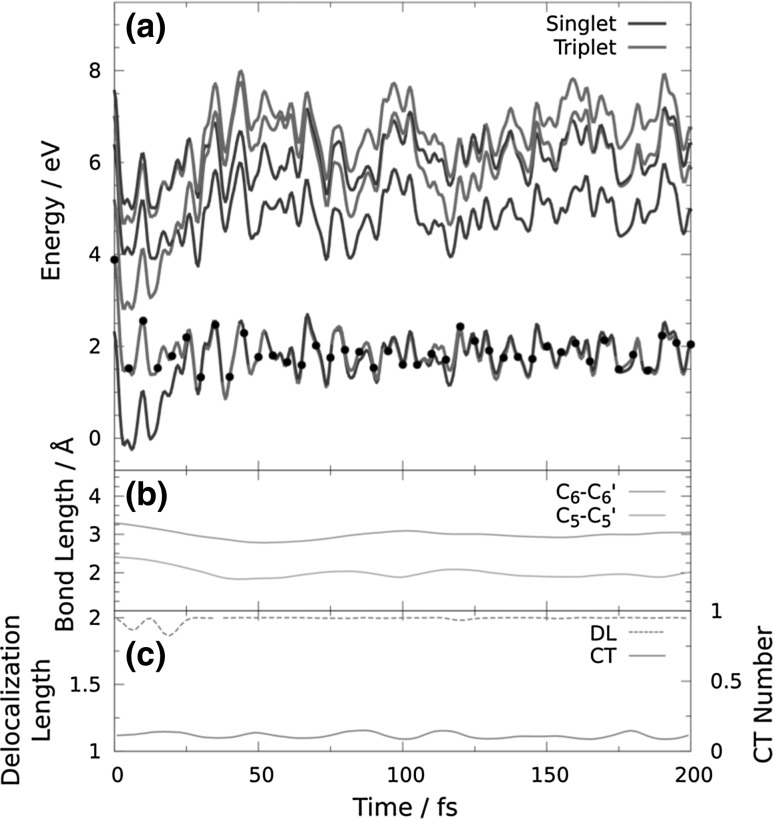
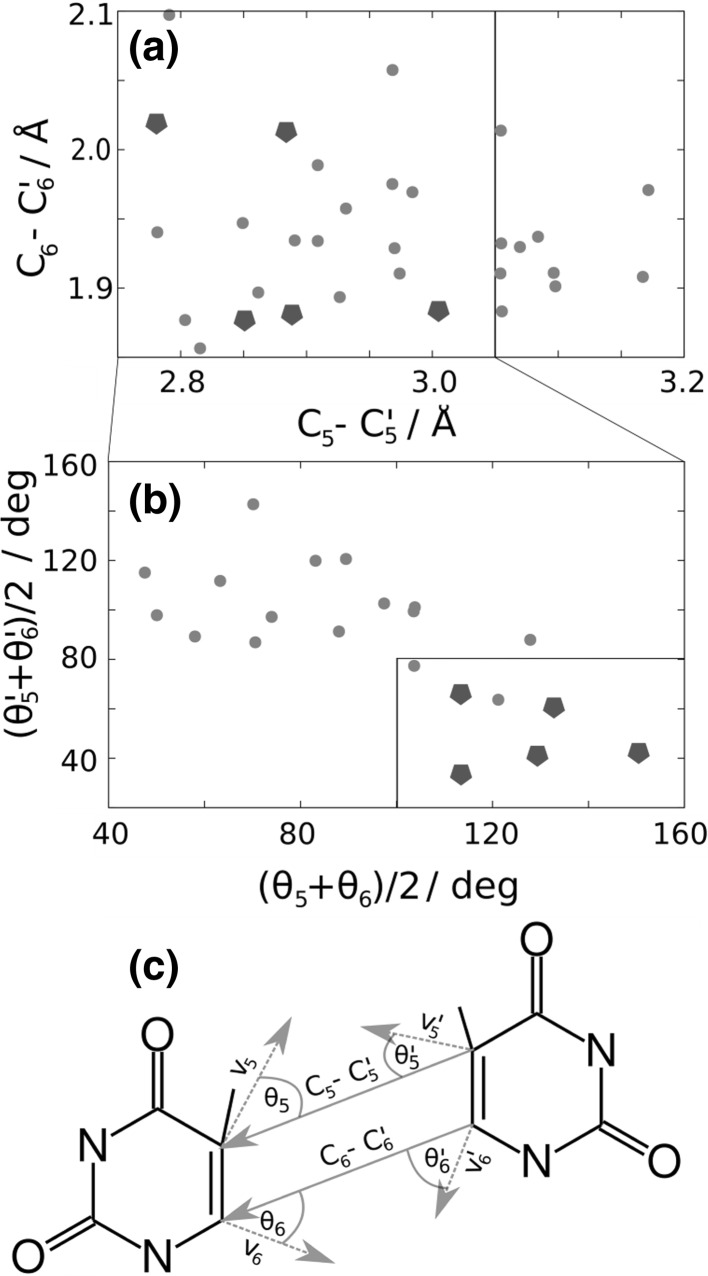
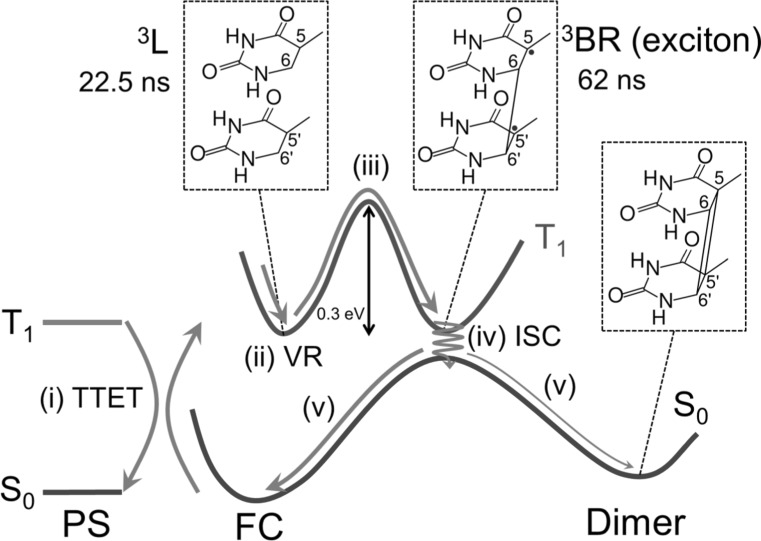
Cyclobutane thymine dimerization is the most prominent DNA photoinduced damage. While the ultrafast mechanism that proceeds in the singlet manifold is nowadays well established, the triplet-state pathway is not completely understood. Here we report the underlying mechanism of the photosensitized dimerization process in the triplet state. Quantum chemical calculations, combined with wavefunction analysis, and nonadiabatic molecular dynamics simulations demonstrate that this is a stepwise reaction, traversing a long-lived triplet biradical intermediate, which is characterized as a Frenkel exciton with very small charge-transfer character. The low yield of the reaction is regulated by two factors: (i) a relatively large energy barrier that needs to be overcome to form the exciton intermediate, and (ii) a bifurcation of the ground-state potential-energy surface that mostly leads back to the Franck-Condon region because dimerization requires a very restricted combination of coordinates and velocities at the event of non-radiative decay to the ground state.
环丁烷胸腺嘧啶二聚化是最显著的DNA光致损伤。虽然在单重态流形中进行的超快机制如今已得到充分确立,但三重态途径尚未完全理解。在此,我们报告了三重态中光敏二聚化过程的潜在机制。量子化学计算结合波函数分析以及非绝热分子动力学模拟表明,这是一个逐步反应,经过一个长寿命的三重态双自由基中间体,其特征为具有非常小电荷转移特征的弗伦克尔激子。该反应的低产率受两个因素调节:(i)形成激子中间体需要克服相对较大的能垒,以及(ii)基态势能面的分支,这主要导致回到弗兰克 - 康登区域,因为二聚化在非辐射衰变到基态时需要非常受限的坐标和速度组合。