a Young Researchers and Elite Club, Karaj Branch , Islamic Azad University , Karaj , Iran.
b Young Researchers and Elite Club, Isfahan (Khorasgan) Branch , Islamic Azad University , Isfahan , Iran.
Pharm Biol. 2018 Dec;56(1):60-66. doi: 10.1080/13880209.2017.1421234.
There is growing interest in the pharmacological evaluation of Rue due to its potential to treat a variety of clinical diseases. The plant seems to present potent endocrine disrupting effects, and its excretion and disposal are not a concern.
The effects of Ruta graveolens L. (Rutaceae) ethanol extract (RE) on reproductive behaviour, fertility, and steroid and thyroid hormone levels in zebrafish were investigated.
We exposed subjects to varying concentrations of RE, and one-tenth the LC concentration (2.37 ppm) was established as the sublethal dose. After 2 weeks exposure, reproductive behaviour, cumulative number of eggs laid, percentage of fertilized eggs, and whole body steroid and thyroid hormones were measured.
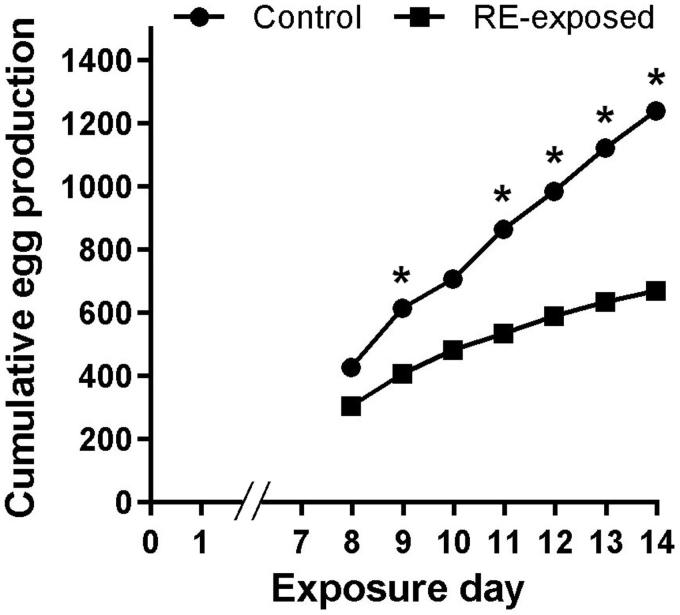
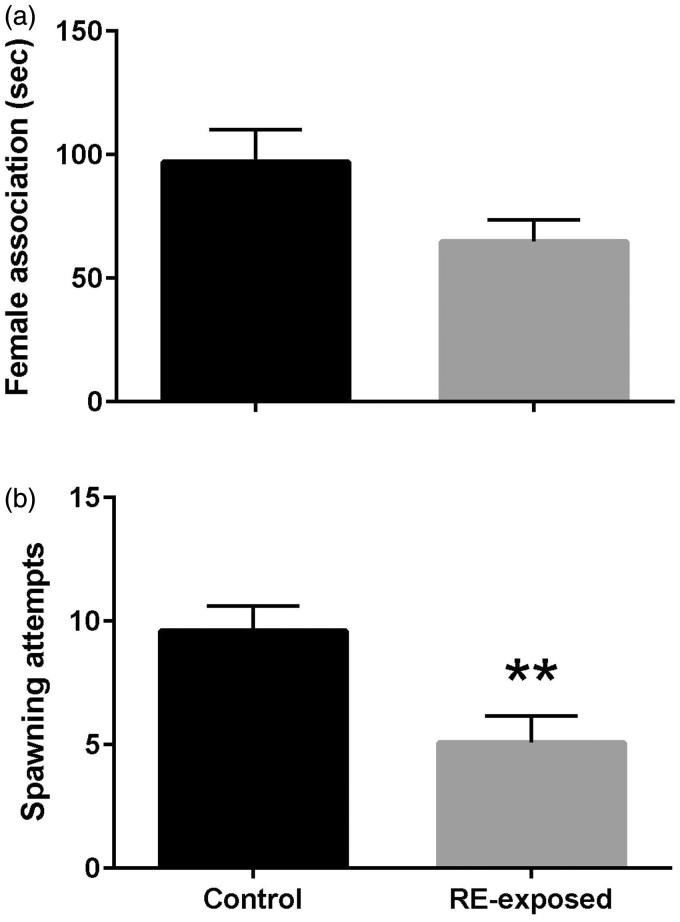
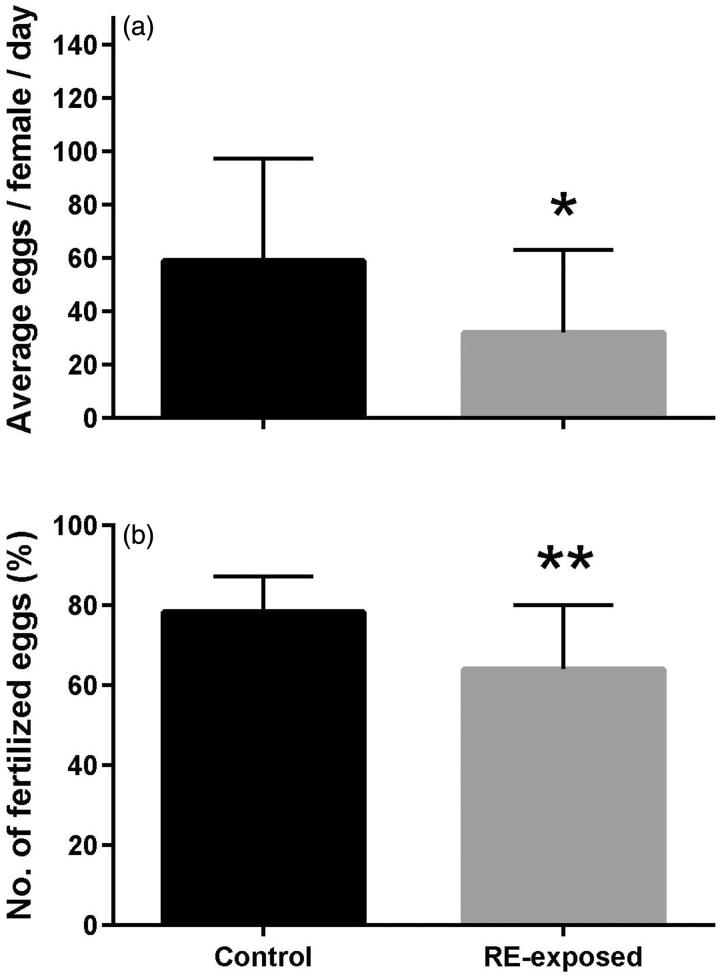
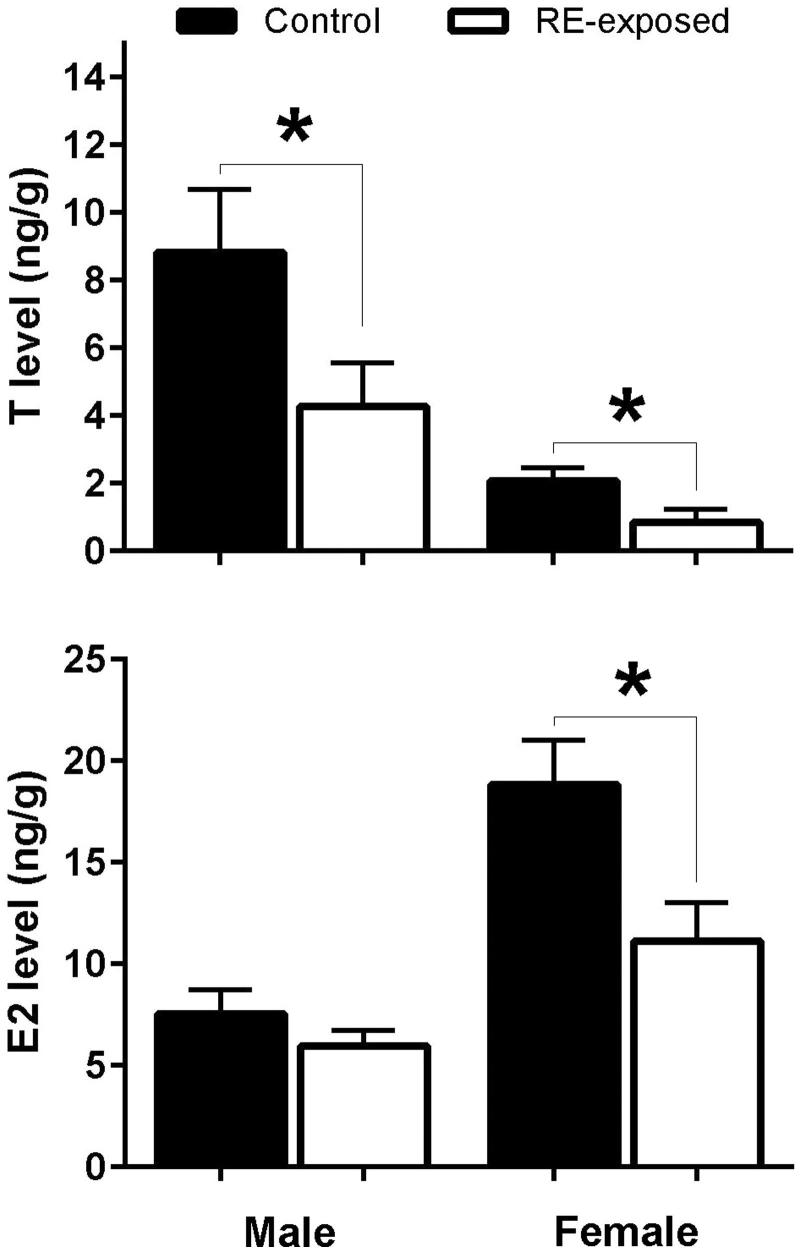
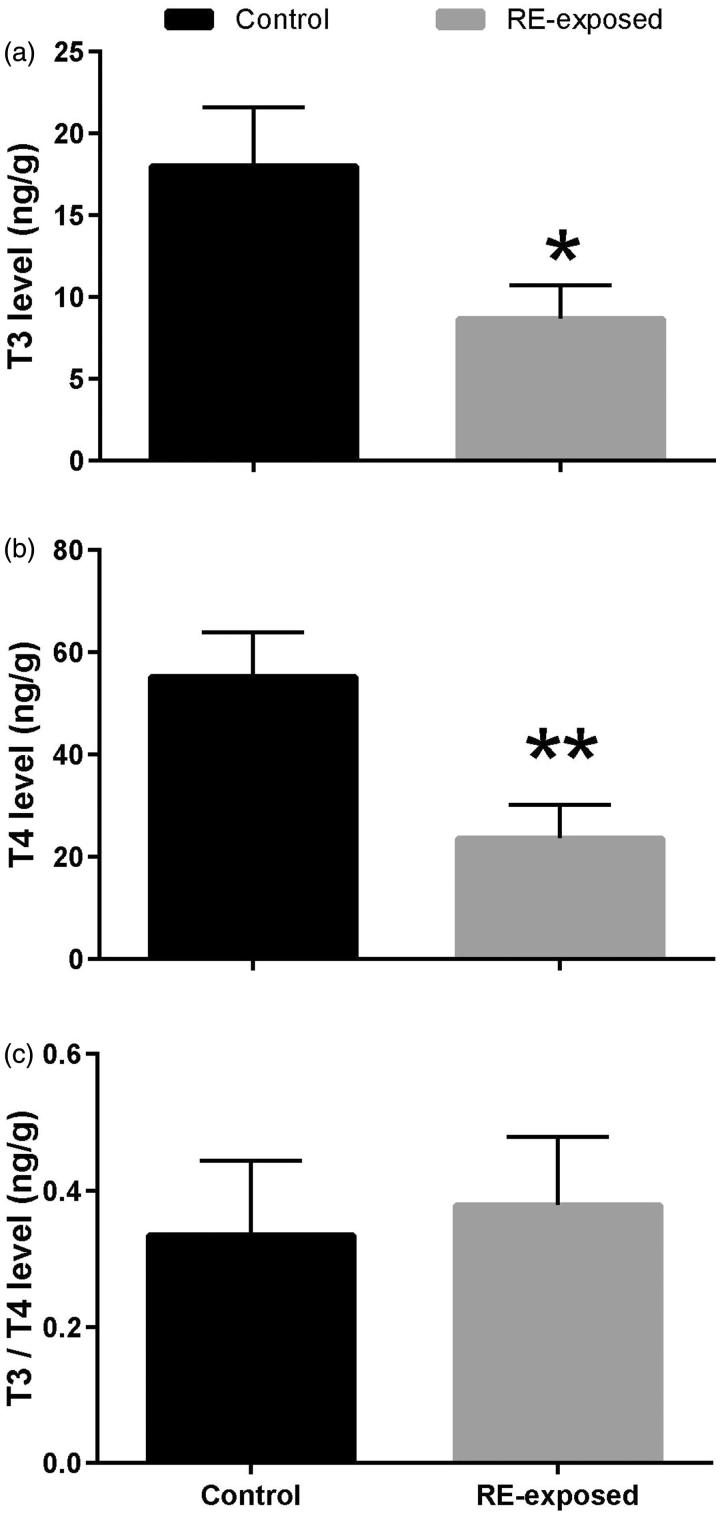
Reproductive association behaviour did not differ between control and RE-exposed animals, but spawning attempts were reduced in RE exposed animals. Cumulative egg production between days 9 to 14, RE exposed fish laid 672 eggs while control fish laid 1242 eggs. Also, percentage of fertilized eggs was higher for the control than for the RE exposed fish. Estradiol-17β (E2) levels were reduced in females exposed to RE and testosterone (T) was statistically lower in both males and females treated with RE. Furthermore, thyroid hormones (T3 and T4) declined in fish treated with RE.
RE has endocrine disrupting potential in fish, which has important implications for studying the effects of unintentional pharmaceutical exposure. Moreover, the results demonstrate that drug exposure may affect more than just the overall level of behaviour, emphasizing the relevance of examining the effects of individual exposure. We reinforce the use of zebrafish as a model organism in physiology and behaviour, and raise concerns about the toxic effects of RE in non-target organisms such as aquatic vertebrates, which may ultimately affect human health.
由于 Rue 具有治疗多种临床疾病的潜力,因此人们对其药理学评价越来越感兴趣。该植物似乎具有很强的内分泌干扰作用,其排泄和处置并不令人担忧。
研究了芸香属(芸香科)乙醇提取物(RE)对斑马鱼生殖行为、生育能力以及类固醇和甲状腺激素水平的影响。
我们将受试动物暴露于不同浓度的 RE 中,将 LC 浓度的十分之一(2.37ppm)确定为亚致死剂量。暴露 2 周后,测量生殖行为、产卵总数、受精卵的百分比以及全身类固醇和甲状腺激素。
对照组和 RE 暴露组动物的生殖关联行为没有差异,但 RE 暴露组动物的产卵尝试减少。第 9 天至第 14 天的总产卵数,暴露于 RE 的鱼产卵 672 枚,而对照组的鱼产卵 1242 枚。此外,对照组的受精卵百分比高于 RE 暴露组。暴露于 RE 的雌性鱼的雌二醇-17β(E2)水平降低,而雄性和雌性的睾酮(T)水平在接受 RE 治疗的鱼中统计学上降低。此外,暴露于 RE 的鱼的甲状腺激素(T3 和 T4)水平下降。
RE 对鱼类具有内分泌干扰潜力,这对研究非故意药物暴露的影响具有重要意义。此外,研究结果表明,药物暴露可能不仅影响整体行为水平,还强调了检查个体暴露影响的相关性。我们强调了将斑马鱼作为生理和行为研究模型的重要性,并对 RE 在水生脊椎动物等非目标生物中的毒性作用表示关注,这可能最终会影响人类健康。