Department of Biological Sciences, Old Dominion University, Norfolk, VA, United States of America.
Department of Biochemistry and Molecular Biology, University of Texas Medical Branch, Galveston, TX, United States of America.
PLoS Pathog. 2018 Jan 4;14(1):e1006764. doi: 10.1371/journal.ppat.1006764. eCollection 2018 Jan.
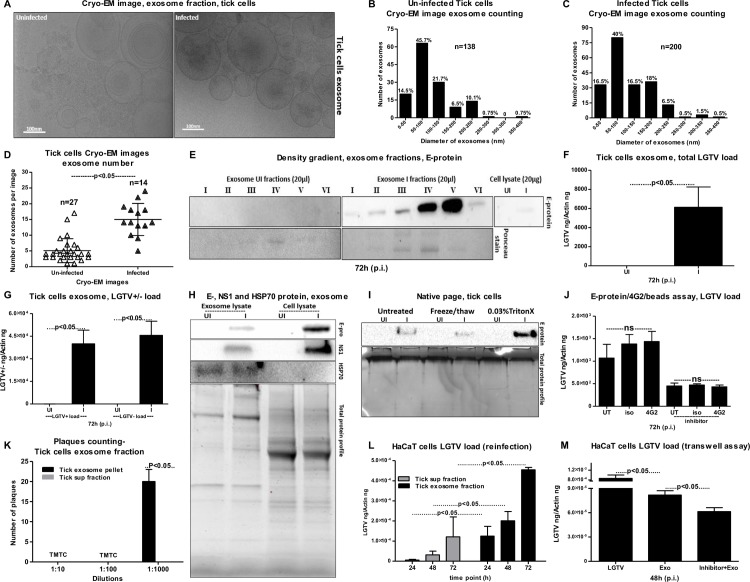
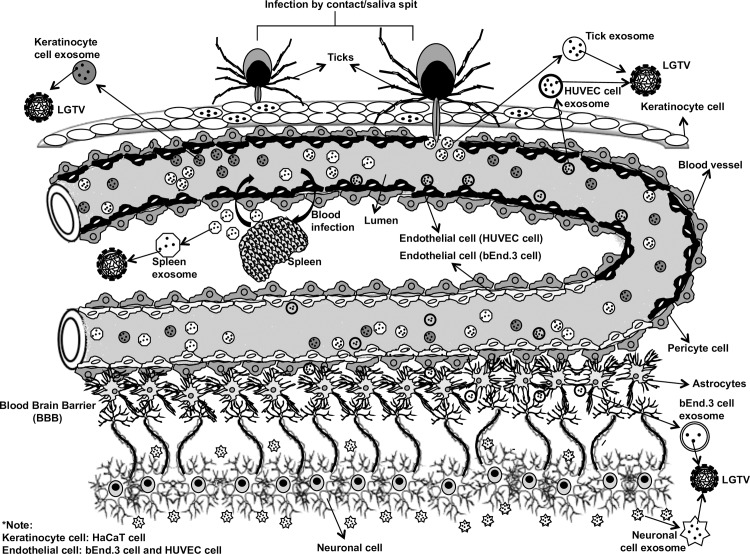
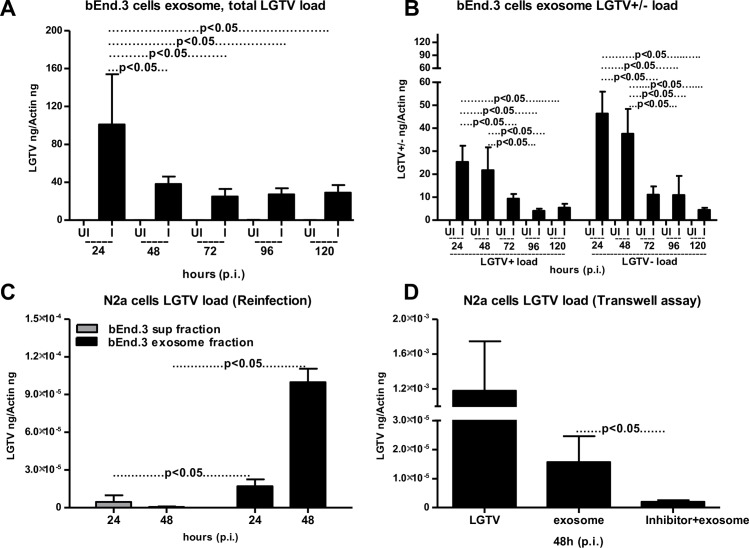
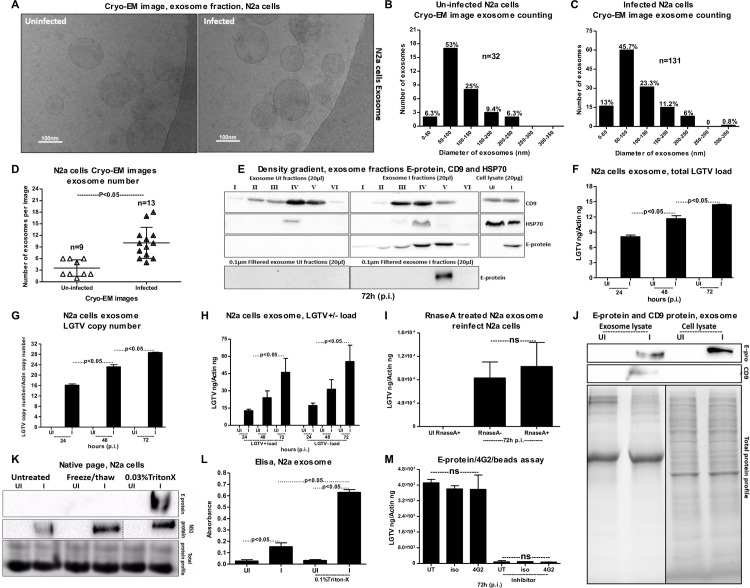
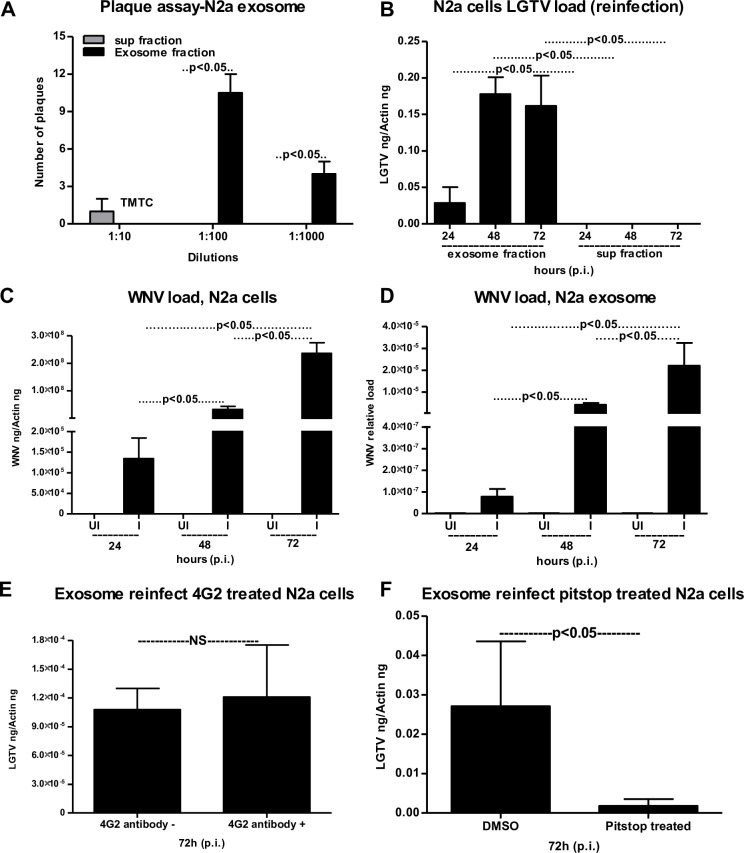
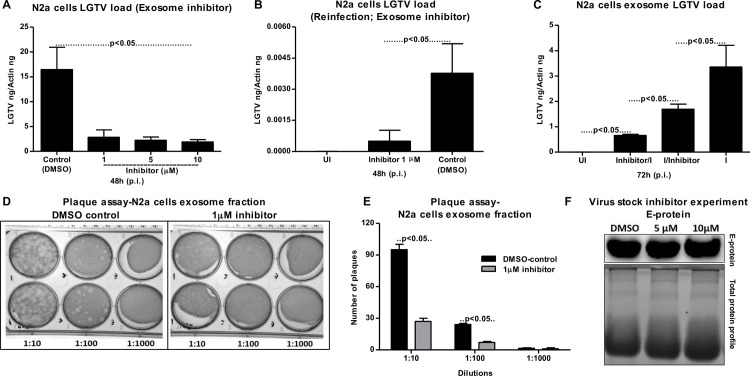
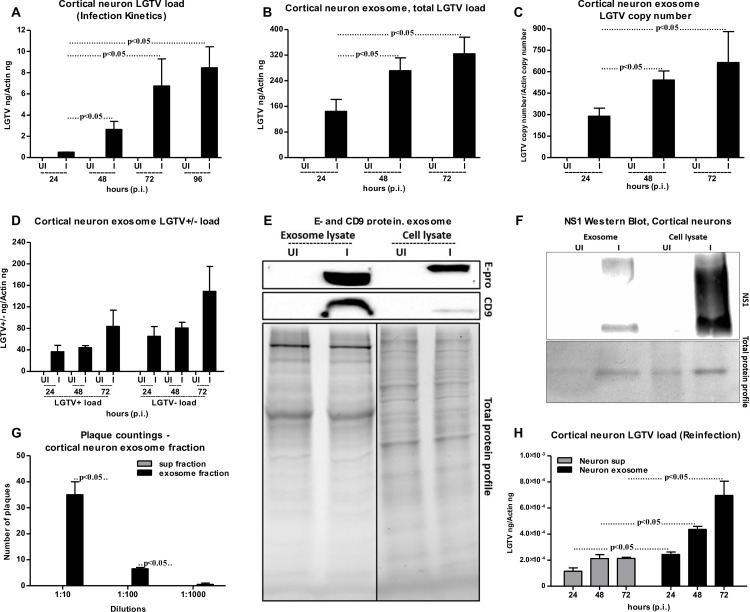
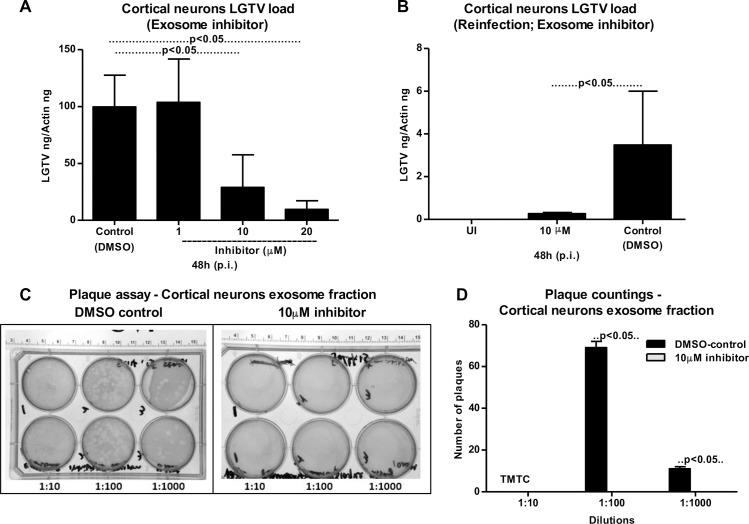
Molecular determinants and mechanisms of arthropod-borne flavivirus transmission to the vertebrate host are poorly understood. In this study, we show for the first time that a cell line from medically important arthropods, such as ticks, secretes extracellular vesicles (EVs) including exosomes that mediate transmission of flavivirus RNA and proteins to the human cells. Our study shows that tick-borne Langat virus (LGTV), a model pathogen closely related to tick-borne encephalitis virus (TBEV), profusely uses arthropod exosomes for transmission of viral RNA and proteins to the human- skin keratinocytes and blood endothelial cells. Cryo-electron microscopy showed the presence of purified arthropod/neuronal exosomes with the size range of 30 to 200 nm in diameter. Both positive and negative strands of LGTV RNA and viral envelope-protein were detected inside exosomes derived from arthropod, murine and human cells. Detection of Nonstructural 1 (NS1) protein in arthropod and neuronal exosomes further suggested that exosomes contain viral proteins. Viral RNA and proteins in exosomes derived from tick and mammalian cells were secured, highly infectious and replicative in all tested evaluations. Treatment with GW4869, a selective inhibitor that blocks exosome release affected LGTV loads in both arthropod and mammalian cell-derived exosomes. Transwell-migration assays showed that exosomes derived from infected-brain-microvascular endothelial cells (that constitute the blood-brain barrier) facilitated LGTV RNA and protein transmission, crossing of the barriers and infection of neuronal cells. Neuronal infection showed abundant loads of both tick-borne LGTV and mosquito-borne West Nile virus RNA in exosomes. Our data also suggest that exosome-mediated LGTV viral transmission is clathrin-dependent. Collectively, our results suggest that flaviviruses uses arthropod-derived exosomes as a novel means for viral RNA and protein transmission from the vector, and the vertebrate exosomes for dissemination within the host that may subsequently allow neuroinvasion and neuropathogenesis.
节肢动物传播给脊椎动物宿主的虫媒黄病毒的分子决定因素和机制尚未完全了解。在这项研究中,我们首次表明,来自医学上重要的节肢动物(如蜱)的细胞系分泌包括外泌体在内的细胞外囊泡,介导黄病毒 RNA 和蛋白向人类细胞的传播。我们的研究表明,与蜱传脑炎病毒(TBEV)密切相关的 tick-borne Langat 病毒(LGTV)大量利用节肢动物外泌体将病毒 RNA 和蛋白传输到人类皮肤角质形成细胞和血内皮细胞。冷冻电子显微镜显示,从节肢动物、鼠和人细胞中纯化的节肢动物/神经元外泌体的存在,其大小范围为 30 至 200nm。LGTV RNA 的正链和负链以及病毒包膜蛋白均在内源体衍生的外泌体中检测到。从节肢动物和神经元外泌体中检测到非结构蛋白 1(NS1)蛋白进一步表明外泌体包含病毒蛋白。来自蜱和哺乳动物细胞的外泌体中鉴定到的病毒 RNA 和蛋白在所有测试评估中均具有传染性和复制能力。GW4869(一种选择性抑制剂,可阻断外泌体释放)的处理影响了源自节肢动物和哺乳动物细胞的外泌体中的 LGTV 负荷。Transwell 迁移实验表明,源自感染大脑微血管内皮细胞(构成血脑屏障)的外泌体促进了 LGTV RNA 和蛋白的传递、穿越屏障和神经元细胞的感染。神经元感染显示出大量的 tick-borne LGTV 和 mosquito-borne West Nile 病毒 RNA 都在内源体中。我们的数据还表明,外泌体介导的 LGTV 病毒传播依赖于网格蛋白。总的来说,我们的结果表明,黄病毒利用节肢动物衍生的外泌体作为从载体向脊椎动物宿主传播病毒 RNA 和蛋白的新途径,而脊椎动物外泌体则用于在宿主内传播,随后可能允许神经入侵和神经发病。