Avaliani Natalia, Pfisterer Ulrich, Heuer Andreas, Parmar Malin, Kokaia Merab, Andersson My
Epilepsy Centre, Lund University Hospital, Lund, Sweden.
Developmental Neurobiology, Lund University, Lund, Sweden.
Stem Cells Int. 2017;2017:5718608. doi: 10.1155/2017/5718608. Epub 2017 Nov 26.
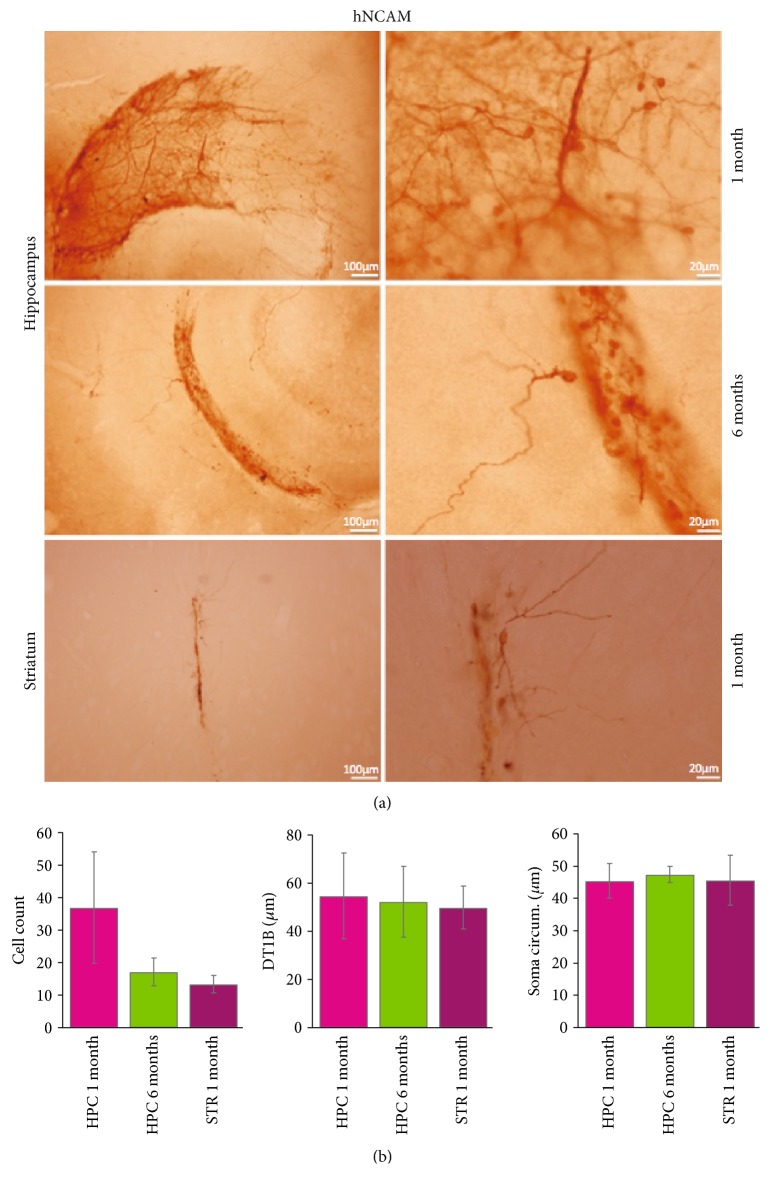
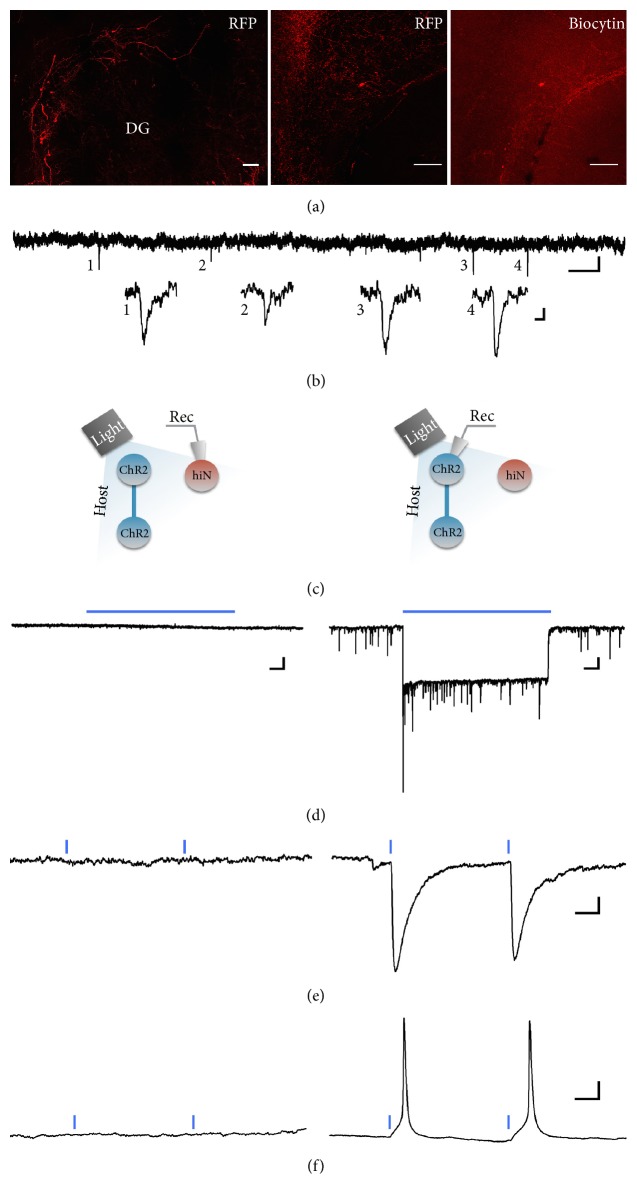
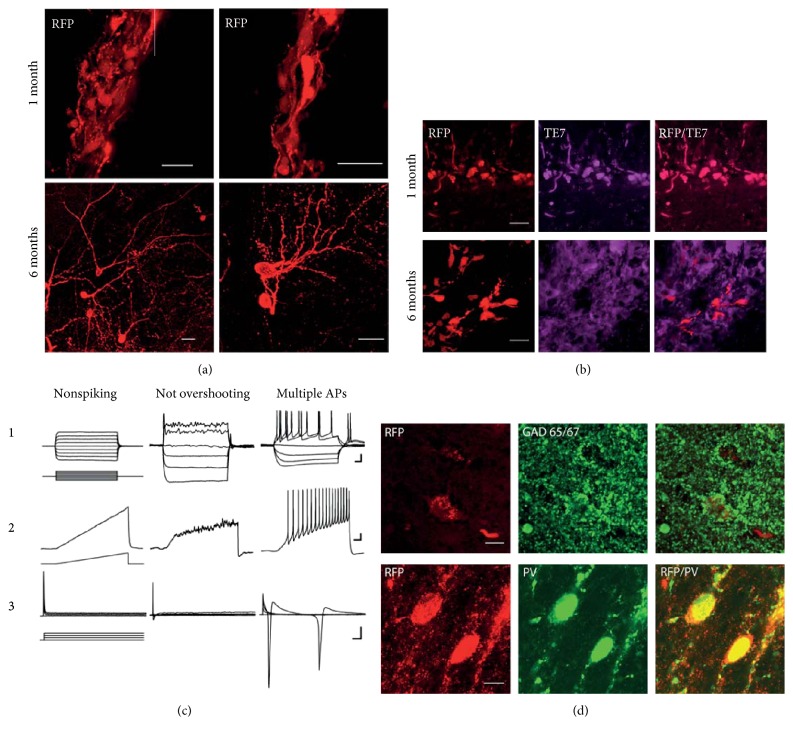
Direct conversion of human somatic cells to induced neurons (iNs), using lineage-specific transcription factors has opened new opportunities for cell therapy in a number of neurological diseases, including epilepsy. In most severe cases of epilepsy, seizures often originate in the hippocampus, where populations of inhibitory interneurons degenerate. Thus, iNs could be of potential use to replace these lost interneurons. It is not known, however, if iNs survive and maintain functional neuronal properties for prolonged time periods in . We transplanted human fibroblast-derived iNs into the adult rat hippocampus and observed a progressive morphological differentiation, with more developed dendritic arborisation at six months as compared to one month. This was accompanied by mature electrophysiological properties and fast high amplitude action potentials at six months after transplantation. This proof-of-principle study suggests that human iNs can be developed as a candidate source for cell replacement therapy in temporal lobe epilepsy.
利用谱系特异性转录因子将人类体细胞直接转化为诱导神经元(iNs),为包括癫痫在内的多种神经疾病的细胞治疗开辟了新机遇。在大多数严重的癫痫病例中,癫痫发作通常起源于海马体,抑制性中间神经元群体在那里退化。因此,诱导神经元可能有潜力用于替代这些缺失的中间神经元。然而,尚不清楚诱导神经元在[具体环境未提及]中能否长期存活并维持功能性神经元特性。我们将人类成纤维细胞衍生的诱导神经元移植到成年大鼠海马体中,观察到其逐渐发生形态分化,与移植1个月时相比,6个月时树突分支更发达。这伴随着移植后6个月时成熟的电生理特性和快速高幅动作电位。这项原理验证研究表明,人类诱导神经元可被开发为颞叶癫痫细胞替代治疗的候选细胞来源。