Kuipers Esther, Wensing Michel, De Smet Peter A G M, Teichert Martina
Department of IQ Healthcare, Radboud Institute for Health Sciences, Radboud University Medical Centre, Nijmegen, The Netherlands.
BENU Apotheek Zeist West, Zeist, The Netherlands.
J Eval Clin Pract. 2018 Apr;24(2):396-402. doi: 10.1111/jep.12869. Epub 2018 Jan 10.
RATIONALE, AIMS, AND OBJECTIVES: Despite recommendations in prevailing guidelines to avoid the use of non-selective (NS) β-blockers in patients with asthma or COPD, on average, 10 patients per community pharmacy receive NS β-blockers monthly. The aim of our study was to identify the reasons of prescribers and pharmacists to treat asthma and COPD patients with NS β-blockers.
Fifty-three community pharmacists in the Netherlands selected patients with actual concurrent use of inhalation medication and NS β-blockers. For at least 5 patients, each pharmacist screened all medication surveillance signals and actions taken at first dispensing. Each pharmacist selected 3 different initial prescribers for a short interview to explore their awareness of the co-morbidity and reasons to apply NS β-blockers.
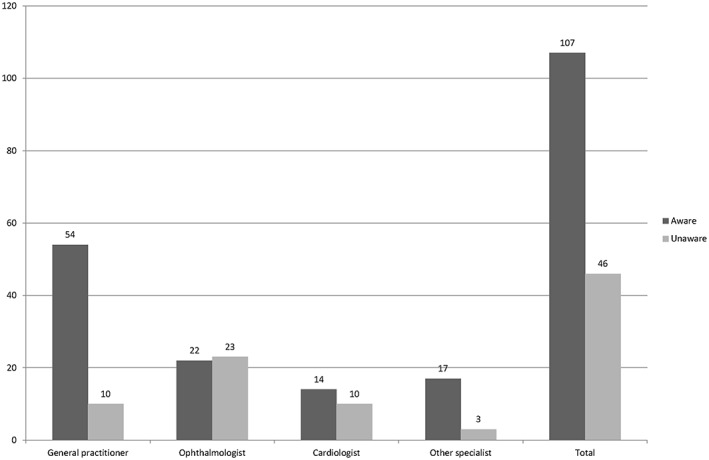
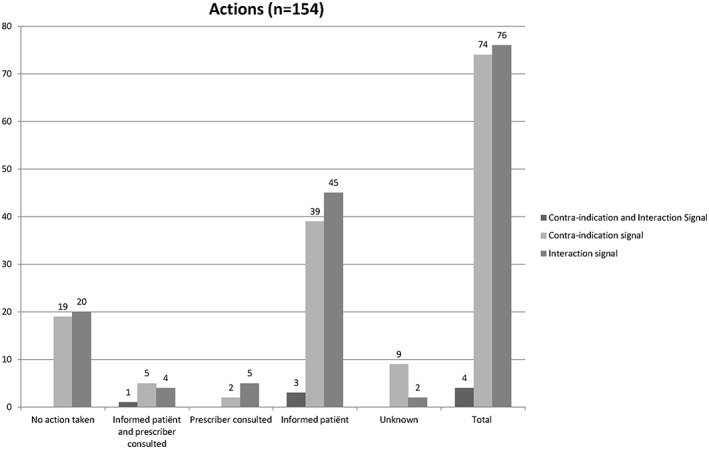
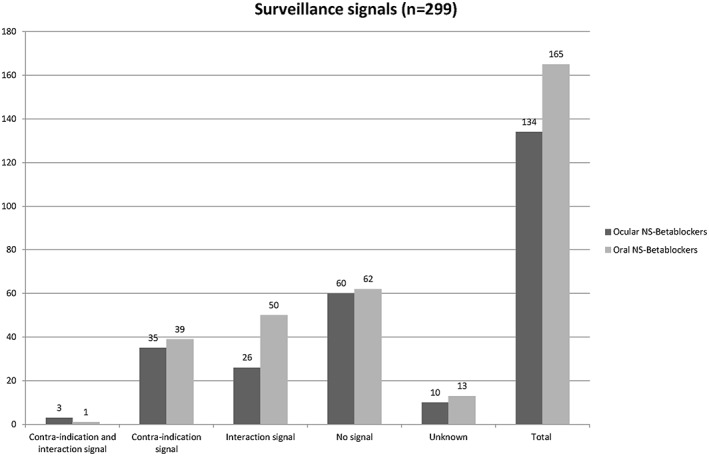
Pharmacists identified 827 asthma/COPD patients with actual use of NS β-blockers. From these, 153 NS β-blocker prescribers were selected and interviewed (64 general practitioners, 45 ophthalmologists, 24 cardiologists, and 20 other prescribers). One hundred seven prescribers were aware of the drug-disease interaction of the asthma or COPD co-morbidity when initiating the NS β-blocker, and 46 were not. From these, 40 prescribers did not consider the contraindication to be relevant. For 299 patients, medication surveillance signals and actions at first dispensing were retrieved. Patients used predominantly ocular timolol (39.8%), and the oral preparations propranolol (30.8%) and carvedilol (15.1%). In 154 cases, the pharmacy system generated a warning alert.
A substantial number of prescribers was unaware of the co-morbidity or did not regard NS β-blockers contraindicated, despite prevailing clinical guidelines. Improvement programs should target prescribers' awareness and knowledge of NS β-blockers in patients with asthma or COPD.
原理、目的和目标:尽管现行指南建议避免在哮喘或慢性阻塞性肺疾病(COPD)患者中使用非选择性(NS)β受体阻滞剂,但平均每个社区药房每月有10名患者接受NSβ受体阻滞剂治疗。我们研究的目的是确定开处方者和药剂师用NSβ受体阻滞剂治疗哮喘和COPD患者的原因。
荷兰的53名社区药剂师挑选了同时实际使用吸入药物和NSβ受体阻滞剂的患者。每位药剂师至少为5名患者筛查了所有药物监测信号以及首次配药时采取的行动。每位药剂师挑选3名不同的初始开处方者进行简短访谈,以探讨他们对合并症的认识以及应用NSβ受体阻滞剂的原因。
药剂师识别出827名实际使用NSβ受体阻滞剂的哮喘/COPD患者。从中挑选并访谈了153名NSβ受体阻滞剂开处方者(64名全科医生、45名眼科医生、24名心脏病专家和20名其他开处方者)。107名开处方者在开始使用NSβ受体阻滞剂时知晓哮喘或COPD合并症的药物-疾病相互作用,46名则不知晓。其中,40名开处方者认为该禁忌症不相关。对于299名患者,检索到了首次配药时的药物监测信号及行动。患者主要使用眼部用噻吗洛尔(39.8%),以及口服制剂普萘洛尔(30.8%)和卡维地洛(15.1%)。在154例病例中,药房系统发出了警告警报。
尽管有现行临床指南,但仍有相当数量的开处方者不知道合并症情况,或者不认为NSβ受体阻滞剂有禁忌。改进计划应针对提高开处方者对哮喘或COPD患者使用NSβ受体阻滞剂的认识和知识。