Tomlinson Matthew L, Butelli Eugenio, Martin Cathie, Carding Simon R
Gut Health and Food Safety Research Programme, Quadram Institute, Norwich, United Kingdom.
Martin Laboratory, The John Innes Centre, Norwich, United Kingdom.
Front Nutr. 2017 Dec 18;4:61. doi: 10.3389/fnut.2017.00061. eCollection 2017.
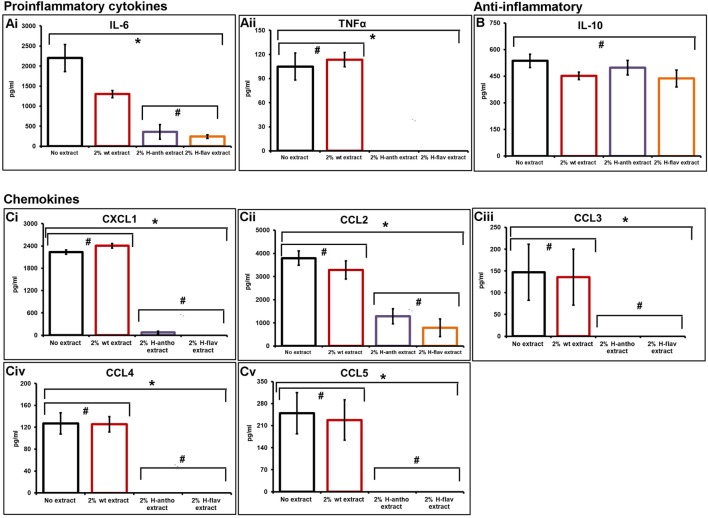
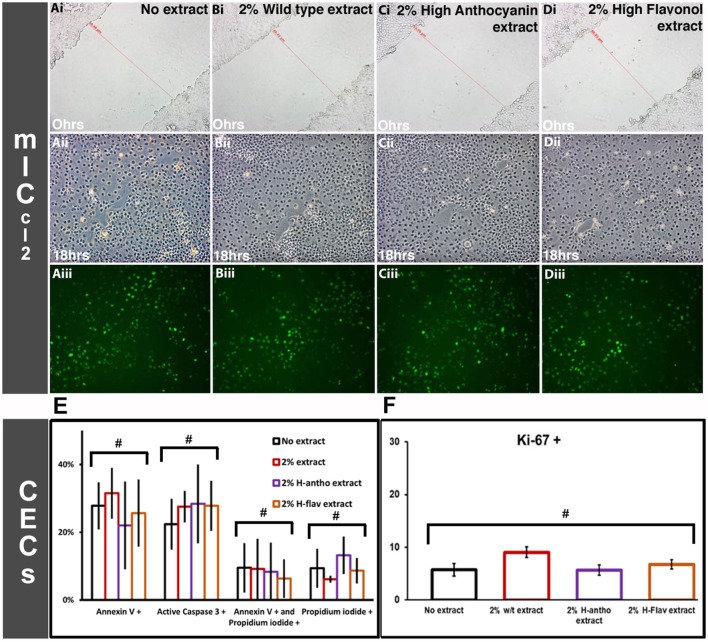
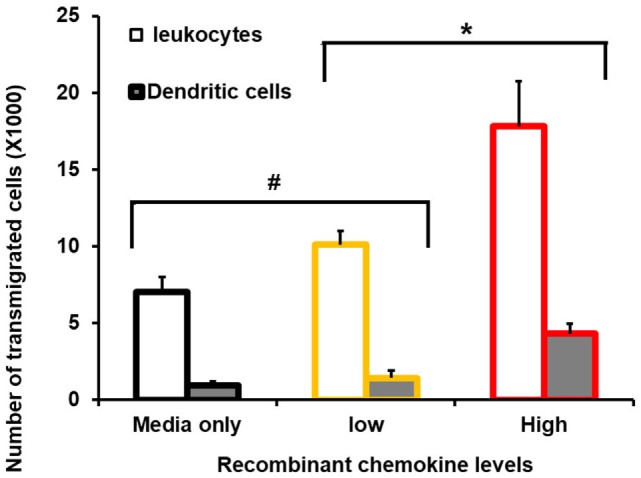
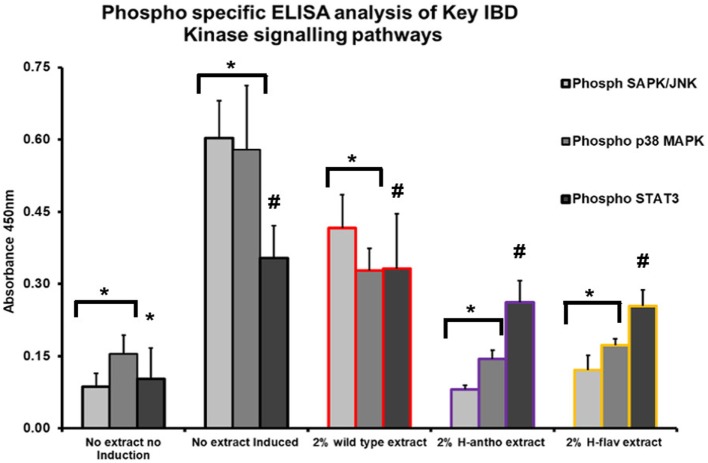
Flavonoids are a diverse group of plant secondary metabolites, known to reduce inflammatory bowel disease symptoms. How they achieve this is largely unknown. Our study focuses on the gut epithelium as it receives high topological doses of dietary constituents, maintains gut homeostasis, and orchestrates gut immunity. Dysregulation leads to chronic gut inflammation, dendritic cell (DC)-driven immune responses. Tomatoes engineered for enriched sets of flavonoids (anthocyanins or flavonols) provided a unique and complex naturally consumed food matrix to study the effect of diet on chronic inflammation. Primary murine colonic epithelial cell-based inflammation assays consist of chemokine induction, apoptosis and proliferation, and effects on kinase pathways. Primary murine leukocytes and DCs were used to assay effects on transmigration. A murine intestinal cell line was used to assay wound healing. Engineered tomato extracts (enriched in anthocyanins or flavonols) showed strong and specific inhibitory effects on a set of key epithelial pro-inflammatory cytokines and chemokines. Chemotaxis assays showed a resulting reduction in the migration of primary leukocytes and DCs. Activation of epithelial cell SAPK/JNK and p38 MAPK signaling pathways were specifically inhibited. The epithelial wound healing-associated STAT3 pathway was unaffected. Cellular migration, proliferation, and apoptosis assays confirmed that wound healing processes were not affected by flavonoids. We show flavonoids target epithelial pro-inflammatory kinase pathways, inhibiting chemotactic signals resulting in reduced leukocyte and DC chemotaxis. Thus, both anthocyanins and flavonols modulate epithelial cells to become hyporesponsive to bacterial stimulation. Our results identify a viable mechanism to explain the anti-inflammatory effects of flavonoids.
类黄酮是一类多样的植物次生代谢产物,已知其可减轻炎症性肠病症状。但其实现这一作用的机制在很大程度上尚不清楚。我们的研究聚焦于肠道上皮,因为它会接受高拓扑剂量的膳食成分,维持肠道内稳态,并协调肠道免疫。调节异常会导致慢性肠道炎症以及树突状细胞(DC)驱动的免疫反应。经过基因工程改造以富集类黄酮(花青素或黄酮醇)的番茄提供了一种独特且复杂的天然食用食物基质,用于研究饮食对慢性炎症的影响。基于原代小鼠结肠上皮细胞的炎症检测包括趋化因子诱导、细胞凋亡和增殖以及对激酶途径的影响。原代小鼠白细胞和树突状细胞用于检测对迁移的影响。一种小鼠肠道细胞系用于检测伤口愈合情况。经过基因工程改造的番茄提取物(富含花青素或黄酮醇)对一组关键的上皮促炎细胞因子和趋化因子显示出强烈且特异性的抑制作用。趋化性检测表明,这导致原代白细胞和树突状细胞的迁移减少。上皮细胞SAPK/JNK和p38 MAPK信号通路的激活受到特异性抑制。与上皮伤口愈合相关的STAT3途径未受影响。细胞迁移、增殖和凋亡检测证实,伤口愈合过程不受类黄酮影响。我们发现类黄酮靶向上皮促炎激酶途径,抑制趋化信号,从而减少白细胞和树突状细胞的趋化性。因此,花青素和黄酮醇均调节上皮细胞,使其对细菌刺激反应减弱。我们的研究结果确定了一种可行的机制来解释类黄酮的抗炎作用。