Unit of Biochemistry, Institute of Plant Biology and Biotechnology, Faculty of Biotechnology and Horticulture, University of Agriculture in Kraków, al. 29 Listopada 54, 31-425, Kraków, Poland.
Unit of Botany and Plant Physiology, Institute of Plant Biology and Biotechnology, Faculty of Biotechnology and Horticulture, University of Agriculture in Kraków, al. 29 Listopada 54, 31-425, Kraków, Poland.
Environ Sci Pollut Res Int. 2018 Mar;25(9):8928-8942. doi: 10.1007/s11356-017-1067-y. Epub 2018 Jan 13.
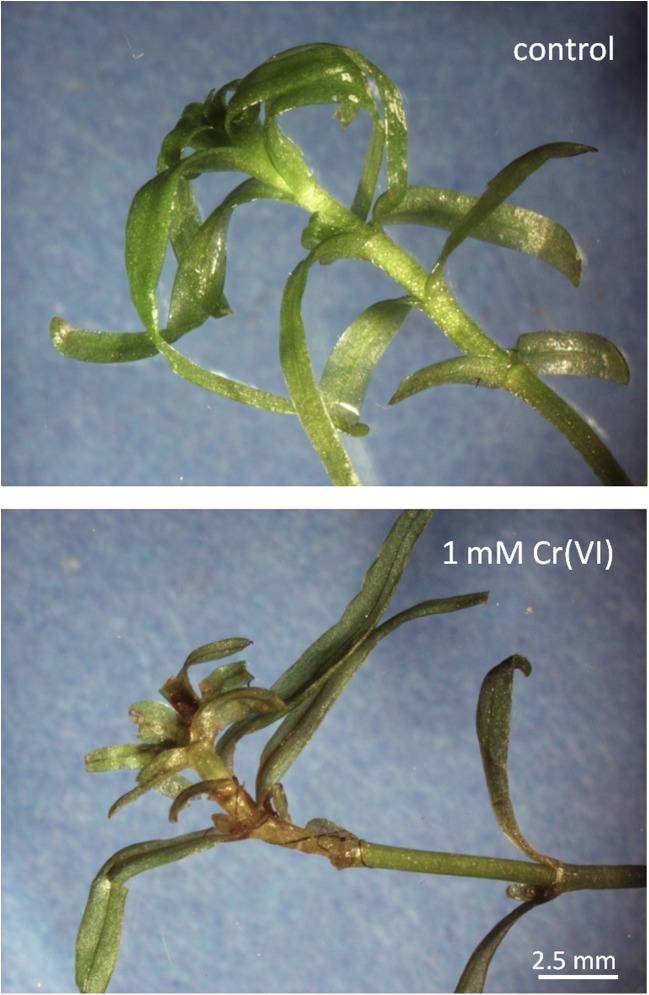
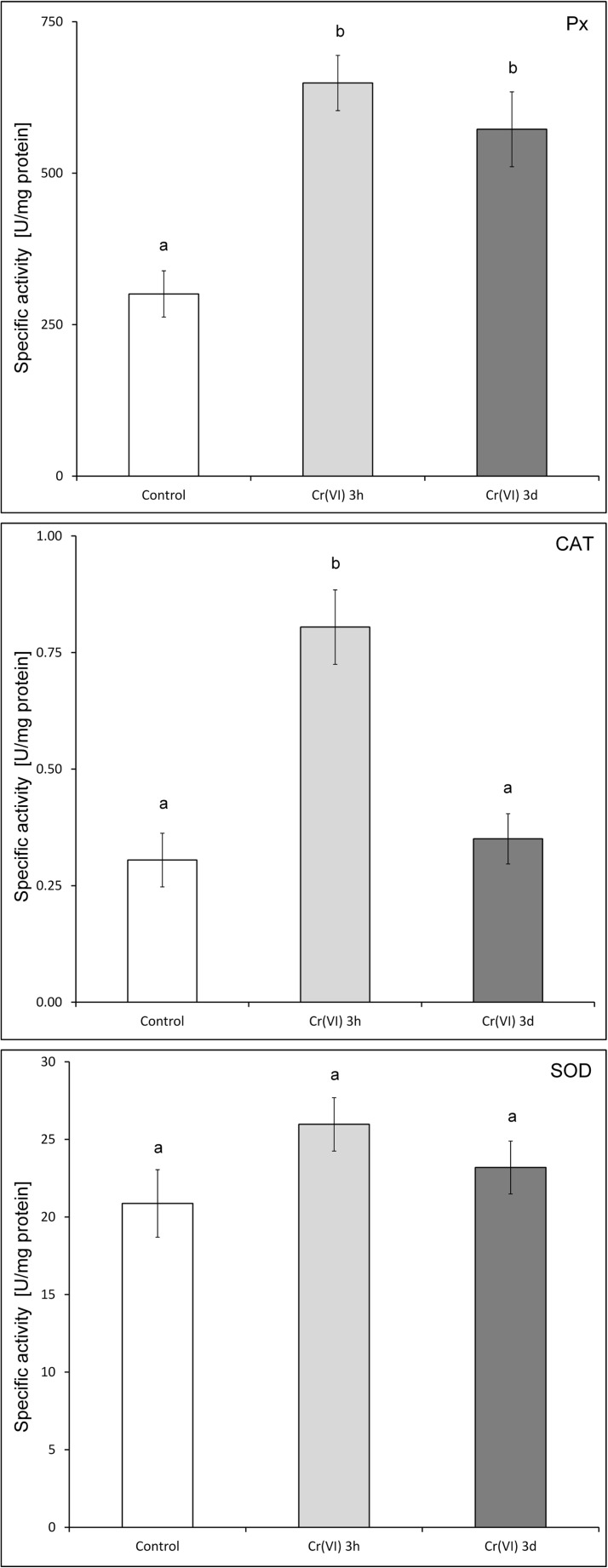
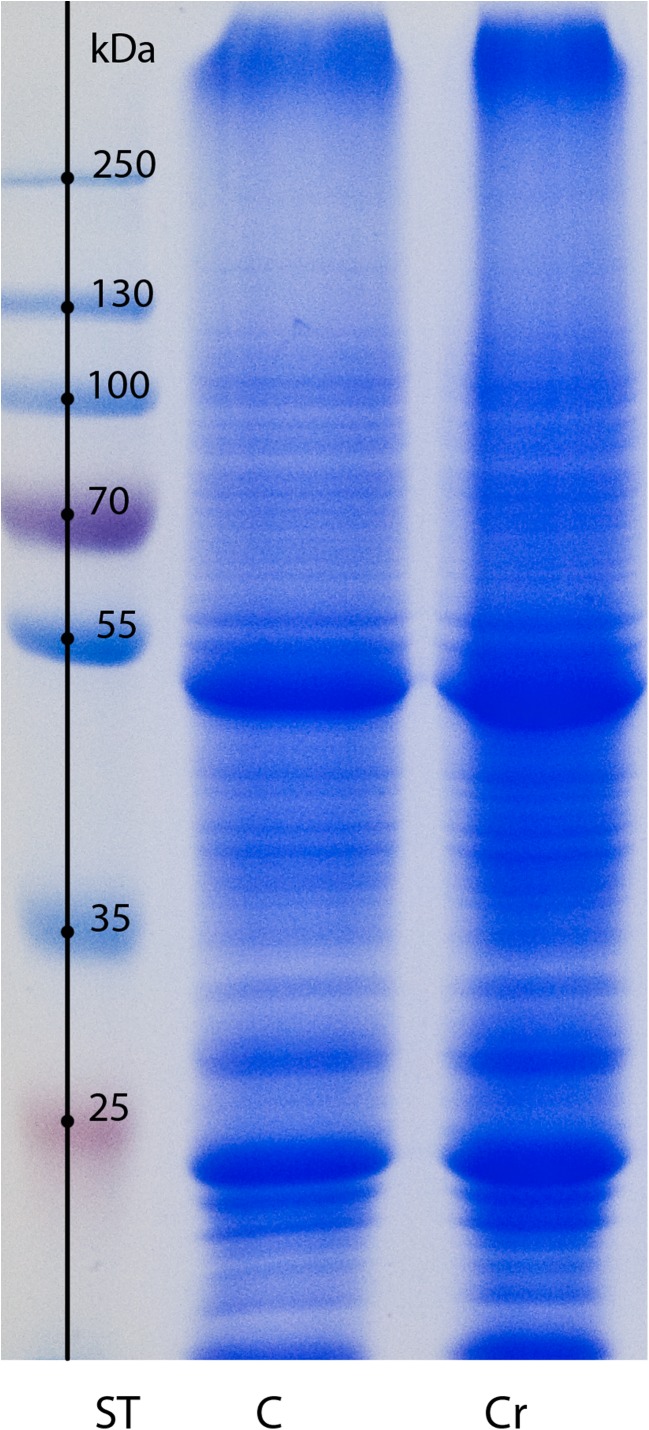
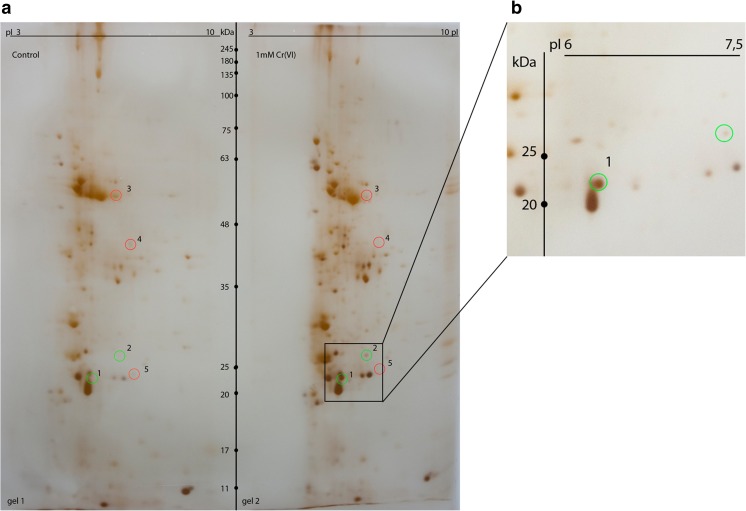
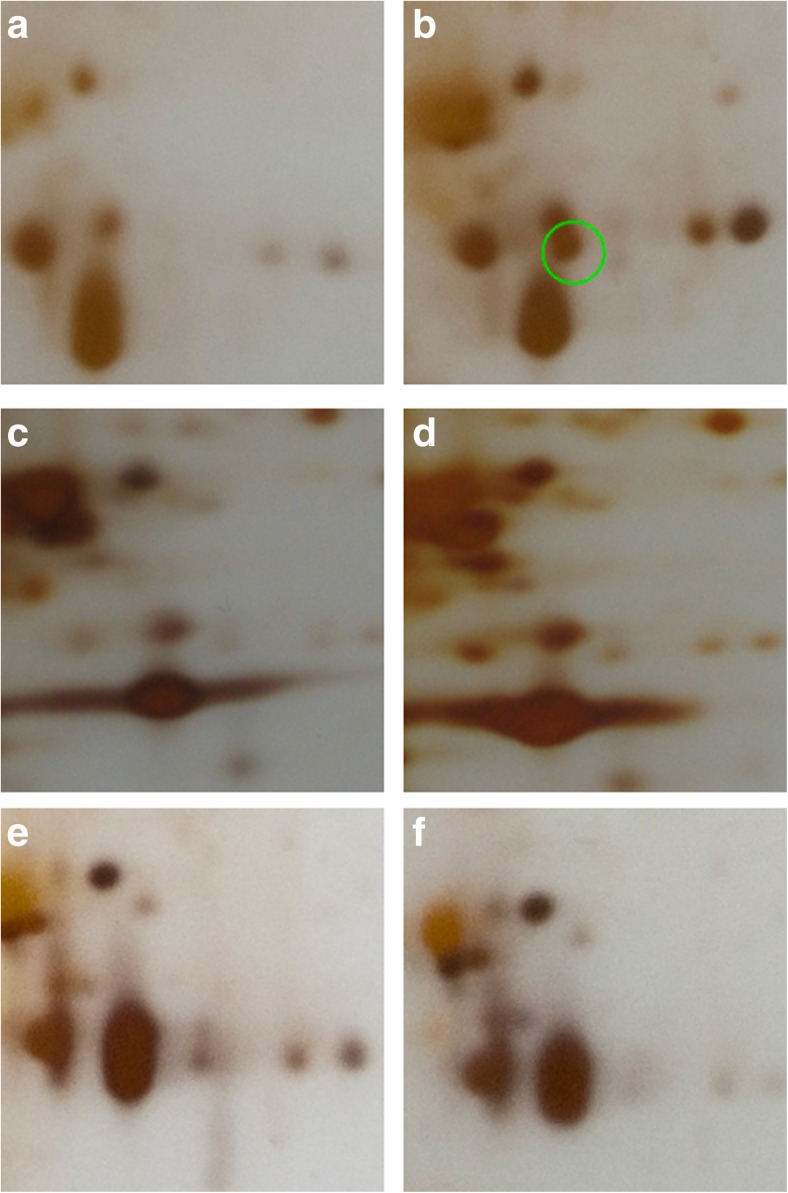
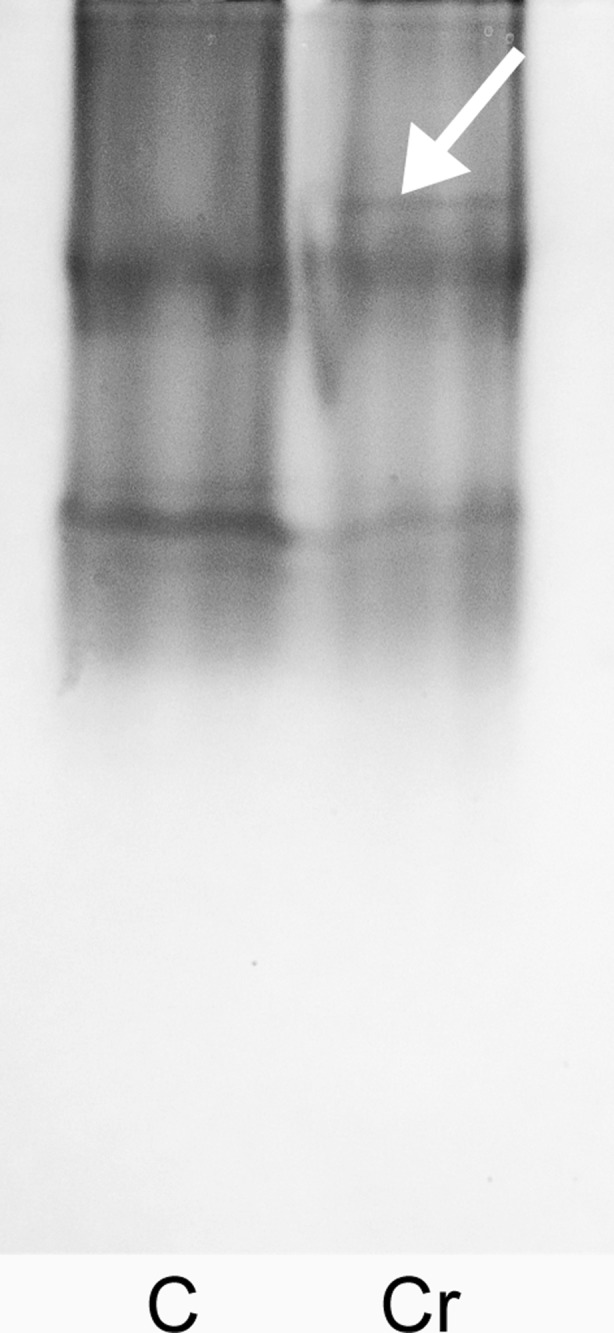
Chromate-induced physiological stress in a water-submerged macrophyte Callitriche cophocarpa Sendtn. (water starwort) was tested at the proteomic level. The oxidative stress status of the plant treated with 1 mM Cr(VI) for 3 days revealed stimulation of peroxidases whereas catalase and superoxide dismutase activities were similar to the control levels. Employing two-dimensional electrophoresis, comparative proteomics enabled to detect five differentiating proteins subjected to identification with mass spectrometry followed by an NCBI database search. Cr(VI) incubation led to induction of light harvesting chlorophyll a/b binding protein with a concomitant decrease of accumulation of ribulose bisphosphate carboxylase (RuBisCO). The main finding was, however, the identification of an NAD(P)H-dependent dehydrogenase FQR1, detectable only in Cr(VI)-treated plants. The FQR1 flavoenzyme is known to be responsive to oxidative stress and to act as a detoxification protein by protecting the cells against oxidative damage. It exhibits the in vitro quinone reductase activity and is capable of catalyzing two-electron transfer from NAD(P)H to several substrates, presumably including Cr(VI). The enhanced accumulation of FQR1 was chromate-specific since other stressful conditions, such as salt, temperature, and oxidative stresses, all failed to induce the protein. Zymographic analysis of chromate-treated Callitriche shoots showed a novel enzymatic protein band whose activity was attributed to the newly identified enzyme. We suggest that Cr(VI) phytoremediation with C. cophocarpa can be promoted by chromate reductase activity produced by the induced quinone oxidoreductase which might take part in Cr(VI) → Cr(III) bioreduction process and thus enable the plant to cope with the chromate-generated oxidative stress.
采用蛋白质组学方法研究了铬酸盐对水下大型植物水马齿(Callitriche cophocarpa Sendtn.)的生理胁迫作用。用 1 mM 的 Cr(VI) 处理 3 天后,该植物的氧化应激状态显示过氧化物酶被激活,而过氧化氢酶和超氧化物歧化酶的活性与对照水平相似。利用二维电泳技术,比较蛋白质组学能够检测到 5 种差异表达蛋白,通过质谱分析和 NCBI 数据库搜索对这些蛋白进行鉴定。Cr(VI)孵育导致光捕获叶绿素 a/b 结合蛋白的诱导,同时伴随着核酮糖二磷酸羧化酶(RuBisCO)积累的减少。然而,主要发现是鉴定出一种仅在 Cr(VI)处理的植物中可检测到的 NAD(P)H 依赖性脱氢酶 FQR1。已知 FQR1 黄素酶对氧化应激有反应,并通过保护细胞免受氧化损伤作为解毒蛋白。它具有体外醌还原酶活性,并能够催化 NAD(P)H 向几种底物(可能包括 Cr(VI))的两电子转移。FQR1 的积累是铬酸盐特异性的,因为其他应激条件,如盐、温度和氧化应激,都不能诱导该蛋白的产生。对铬酸盐处理的水马齿茎进行的同工酶分析显示出一种新的酶蛋白带,其活性归因于新鉴定的酶。我们认为,铬酸盐的水马齿修复可以通过诱导的醌氧化还原酶产生的铬酸盐还原酶活性来促进,该酶可能参与 Cr(VI)→Cr(III)生物还原过程,从而使植物能够应对铬酸盐产生的氧化应激。