Liu Jianxia, Wang Runmei, Liu Wenying, Zhang Hongli, Guo Yaodong, Wen Riyu
College of Life Science, Datong University, Datong 037009, China.
Maize Research Institute, Shanxi Academy of Agricultural Sciences, Xinzhou 034000, China.
Genes (Basel). 2018 Jan 23;9(2):35. doi: 10.3390/genes9020035.
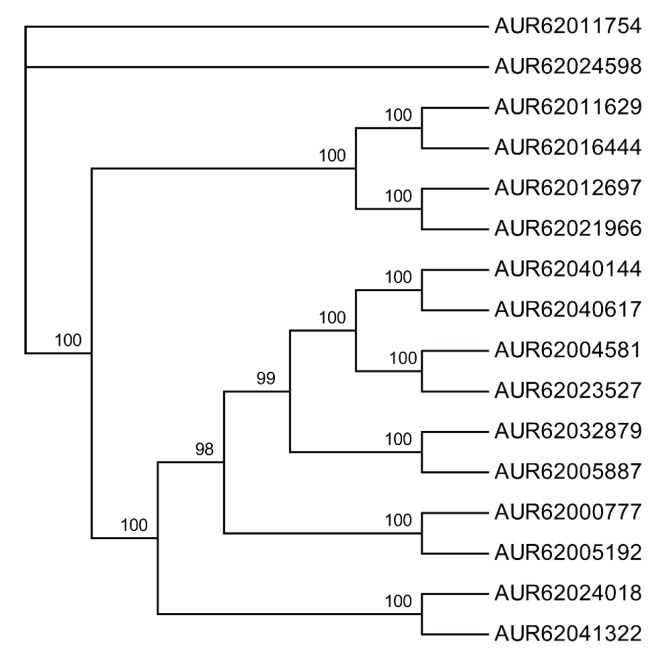
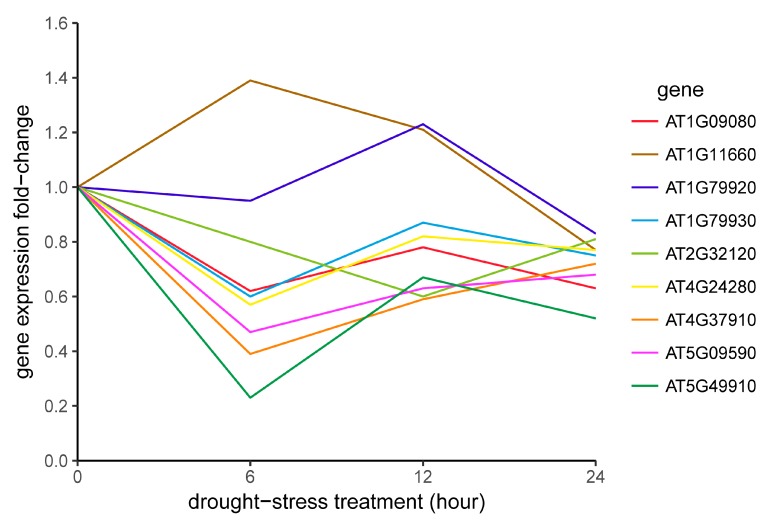
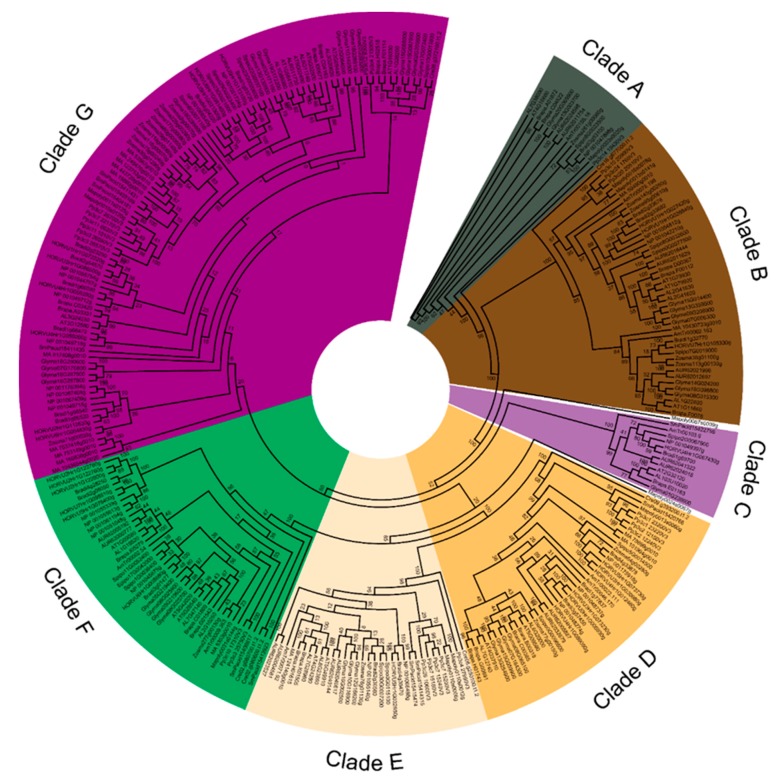
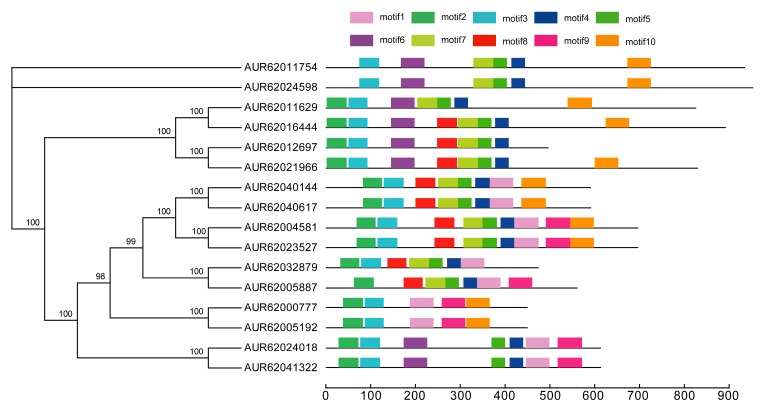
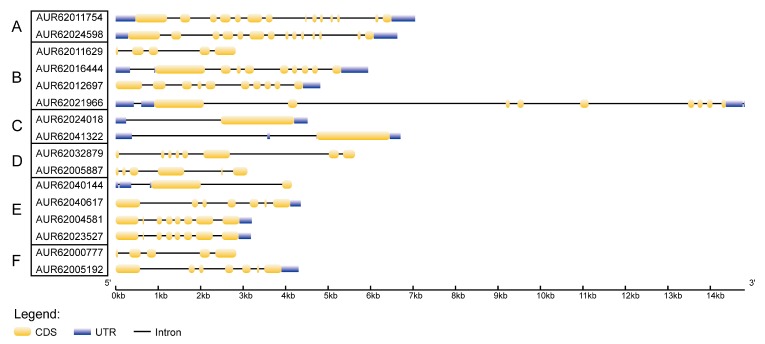
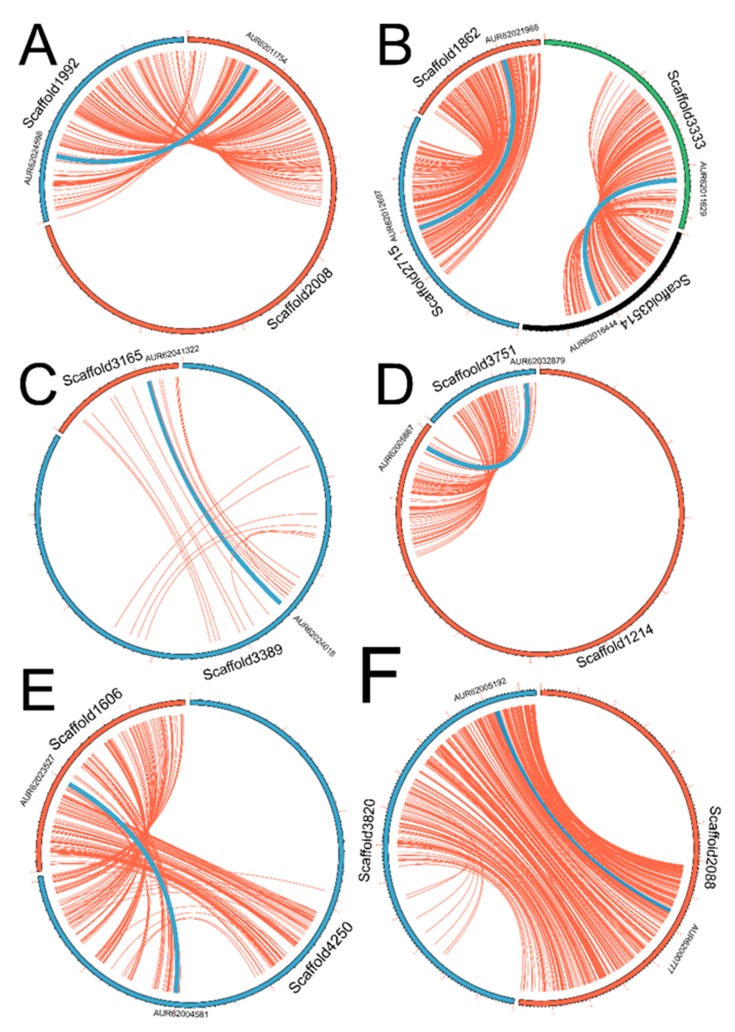
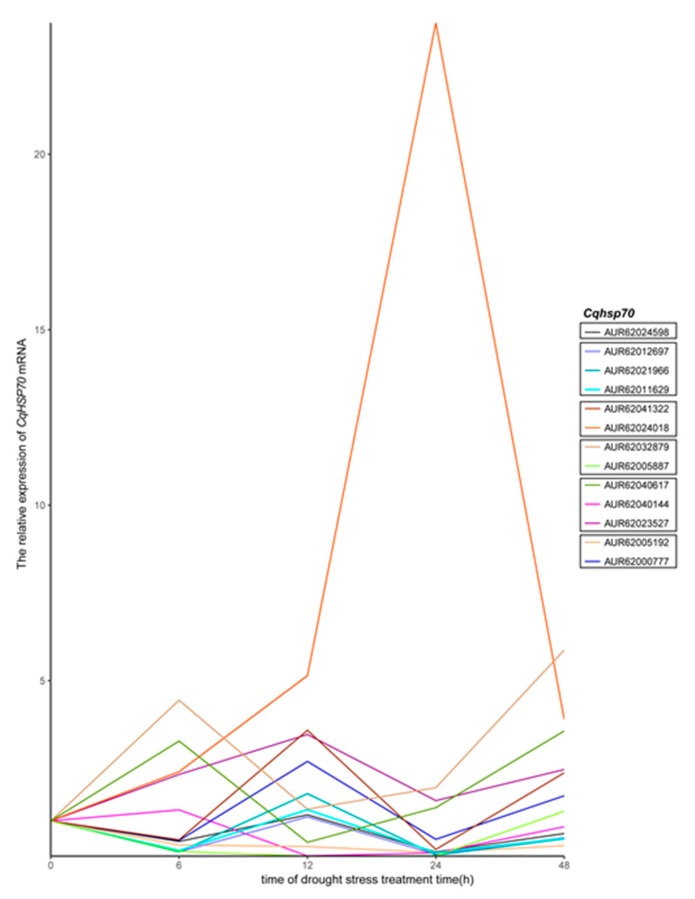
Heat-shock proteins (HSPs) are ubiquitous proteins with important roles in response to biotic and abiotic stress. The 70-kDa heat-shock genes () encode a group of conserved chaperone proteins that play central roles in cellular networks of molecular chaperones and folding catalysts across all the studied organisms including bacteria, plants and animals. Several involved in drought tolerance have been well characterized in various plants, whereas no research on HSPs has been completed. Here, we analyzed the genome of and identified sixteen members in quinoa genome. Phylogenetic analysis revealed the independent origination of those members, with eight paralogous pairs comprising the family in quinoa. While the gene structure and motif analysis showed high conservation of those paralogous pairs, the synteny analysis of those paralogous pairs provided evidence for expansion coming from the polyploidy event. With several subcellular localization signals detected in CqHSP70 protein paralogous pairs, some of the paralogous proteins lost the localization information, indicating the diversity of both subcellular localizations and potential functionalities of those HSP70s. Further gene expression analyses revealed by quantitative polymerase chain reaction (qPCR) analysis illustrated the significant variations of in response to drought stress. In conclusion, the sixteen s undergo lineage-specific expansions and might play important and varied roles in response to drought stress.
热休克蛋白(HSPs)是普遍存在的蛋白质,在应对生物和非生物胁迫中发挥着重要作用。70-kDa热休克基因()编码一组保守的伴侣蛋白,这些蛋白在包括细菌、植物和动物在内的所有研究生物体的分子伴侣和折叠催化剂的细胞网络中发挥核心作用。在各种植物中,一些与耐旱性有关的基因已得到充分表征,而关于热休克蛋白的研究尚未完成。在这里,我们分析了藜麦的基因组,并在藜麦基因组中鉴定出16个热休克蛋白成员。系统发育分析揭示了这些成员的独立起源,藜麦中有8对旁系同源基因构成了热休克蛋白家族。虽然基因结构和基序分析显示这些旁系同源对具有高度保守性,但这些旁系同源对的共线性分析为多倍体事件导致的基因扩张提供了证据。在CqHSP70蛋白旁系同源对中检测到几个亚细胞定位信号,一些旁系同源蛋白失去了定位信息,这表明这些热休克蛋白70的亚细胞定位和潜在功能具有多样性。通过定量聚合酶链反应(qPCR)分析进行的进一步基因表达分析表明,热休克蛋白在干旱胁迫下存在显著差异。总之,这16个热休克蛋白经历了谱系特异性扩张,可能在应对干旱胁迫中发挥重要且多样的作用。