Gómez-Ruiz Santiago, García-Peñas Alberto, Prashar Sanjiv, Rodríguez-Diéguez Antonio, Fischer-Fodor Eva
Departamento de Biología y Geología, Física y Química Inorgánica, ESCET, Universidad Rey Juan Carlos, Calle Tulipán s/n, E-28933 Móstoles (Madrid), Spain.
College of Materials Science and Engineering, Shenzhen Key Laboratory of Polymer Science and Technology, Guangdong Research Center for Interfacial Engineering of Functional Materials, Nanshan District Key Laboratory for Biopolymers and Safety Evaluation, Shenzhen University, Shenzhen 518060, China.
Materials (Basel). 2018 Jan 31;11(2):224. doi: 10.3390/ma11020224.
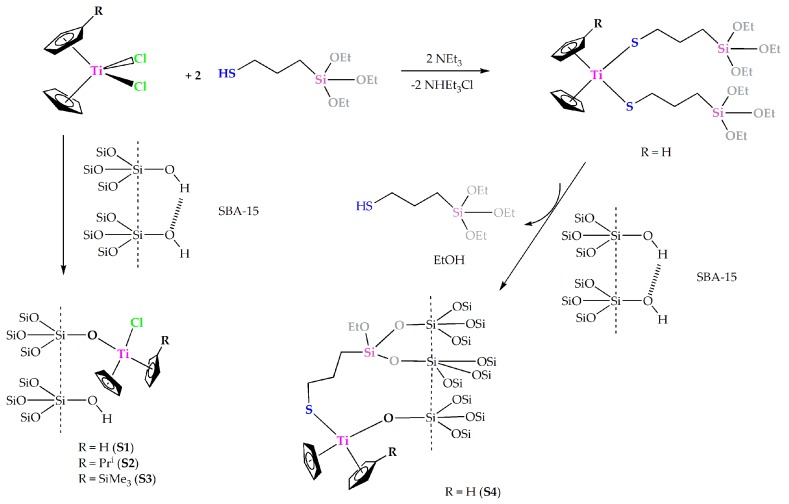
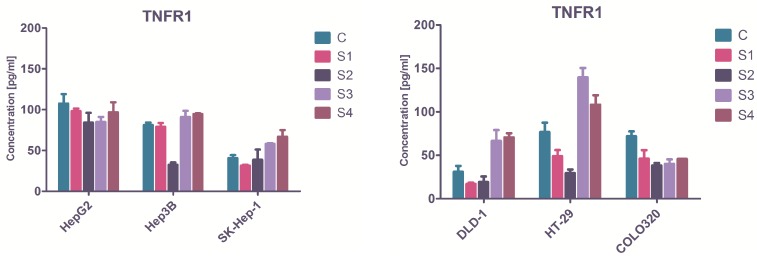
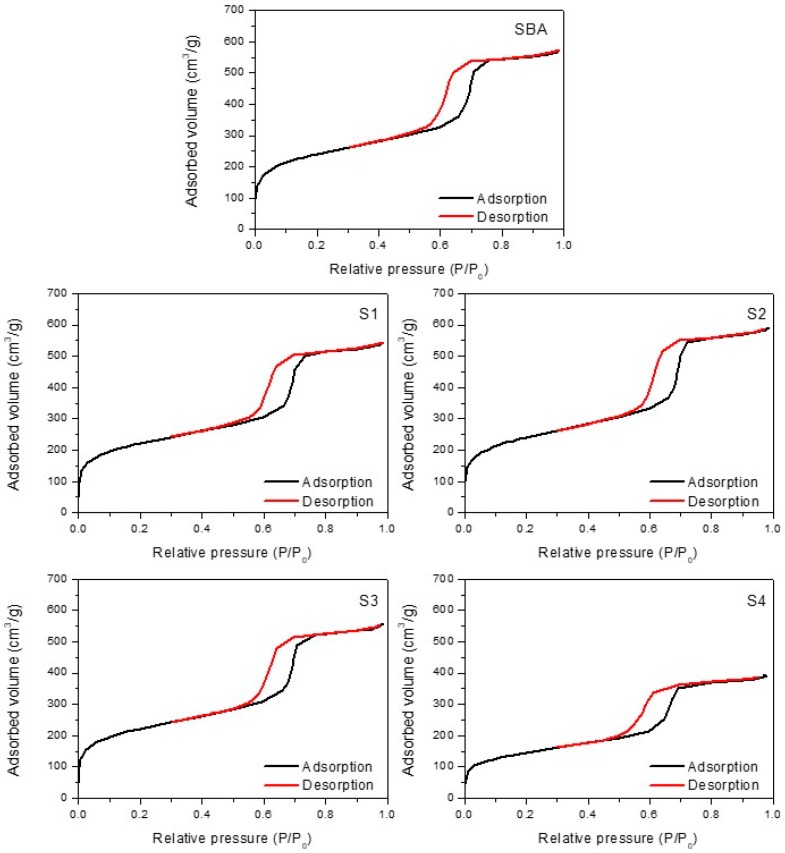
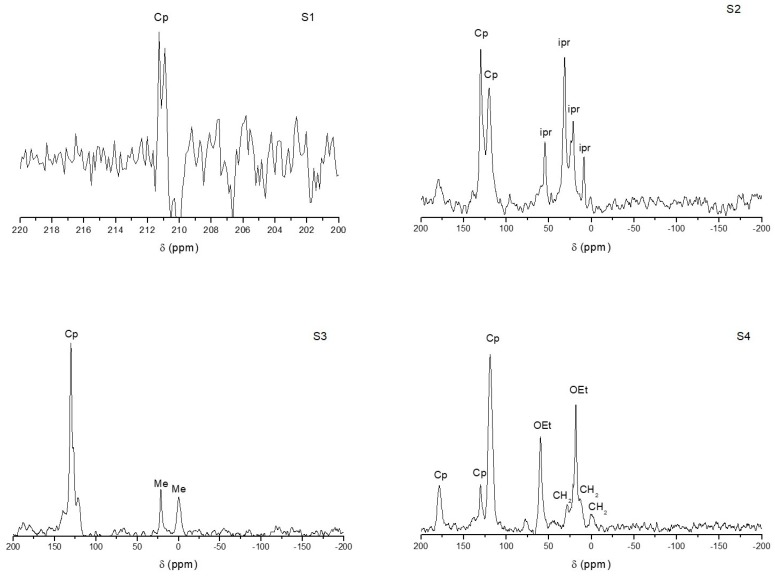
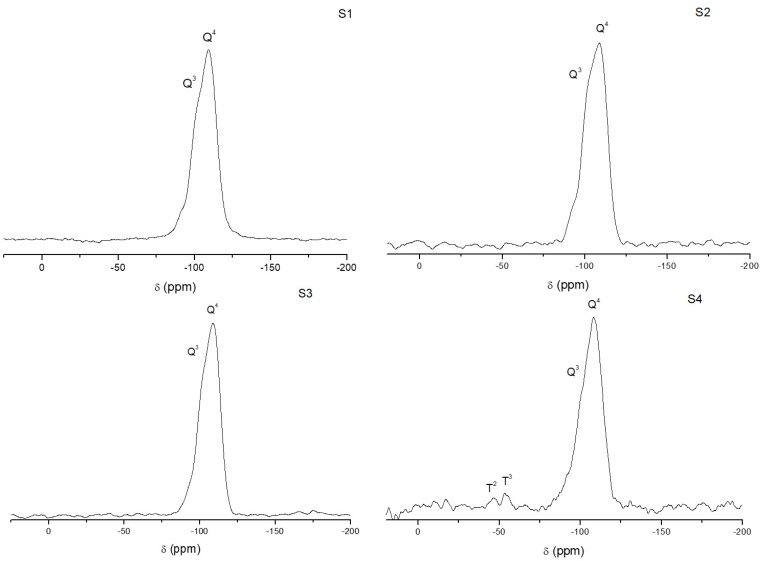
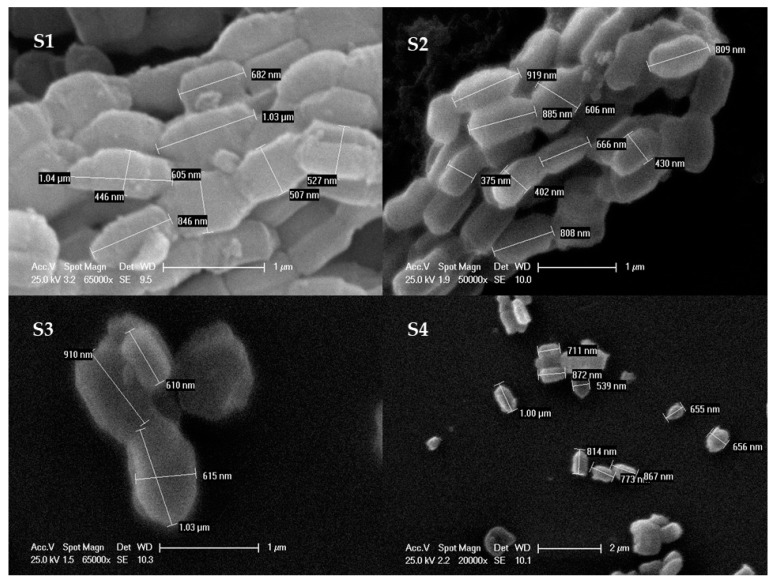
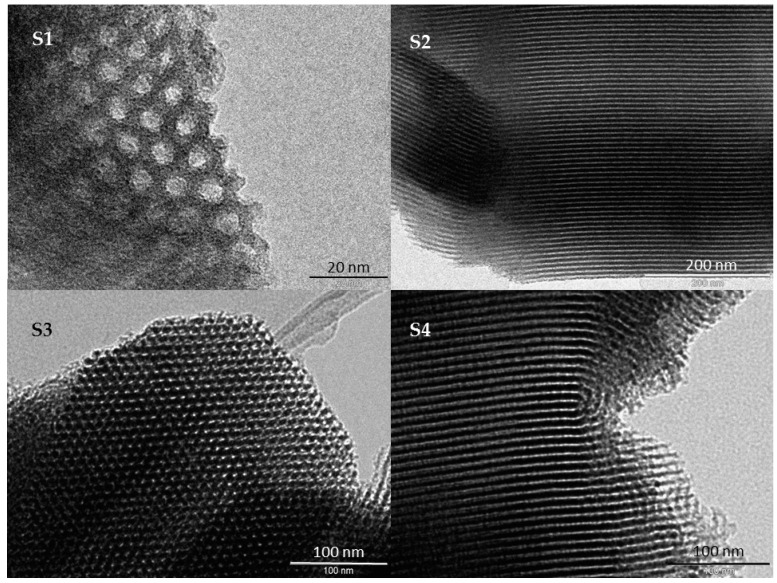
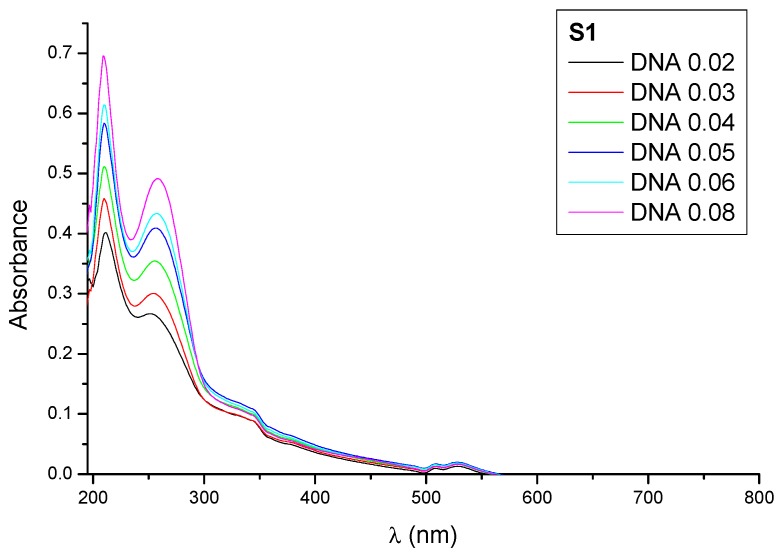
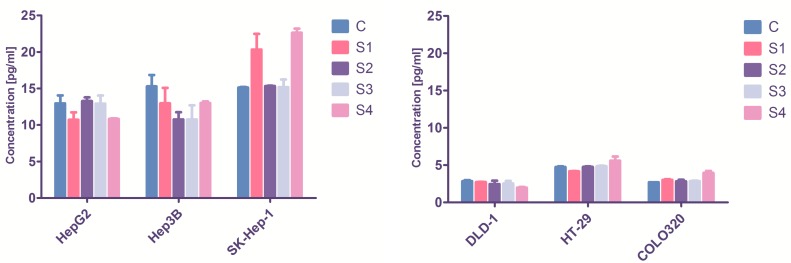
A series of cytotoxic titanocene derivatives have been immobilized onto nanostructured silica-based materials using two different synthetic routes, namely, (i) a simple grafting protocol via protonolysis of the Ti-Cl bond; and (ii) a tethering method by elimination of ethanol using triethoxysilyl moieties of thiolato ligands attached to titanium. The resulting nanostructured systems have been characterized by different techniques such as XRD, XRF, DR-UV, BET, SEM, and TEM, observing the incorporation of the titanocene derivatives onto the nanostructured silica and slight changes in the textural features of the materials after functionalization with the metallodrugs. A complete biological study has been carried out using the synthesized materials exhibiting moderate cytotoxicity in vitro against three human hepatic carcinoma (HepG2, SK-Hep-1, Hep3B) and three human colon carcinomas (DLD-1, HT-29, COLO320) and very low cytotoxicity against normal cell lines. In addition, the cells' metabolic activity was modified by a 24-h exposure in a dose-dependent manner. Despite not having a significant effect on TNFα or the proinflammatory interleukin 1α secretion, the materials strongly modulated tumor necrosis factor (TNF) signaling, even at sub-cytotoxic concentrations. This is achieved mainly by upregulation of the TNFR1 receptor production, something which has not previously been observed for these systems.
一系列具有细胞毒性的二茂钛衍生物已通过两种不同的合成路线固定在纳米结构的二氧化硅基材料上,即:(i)通过Ti-Cl键的质子olysis进行简单的接枝协议;和(ii)通过使用连接到钛的硫醇盐配体的三乙氧基硅基部分消除乙醇的拴系方法。所得的纳米结构系统已通过XRD、XRF、DR-UV、BET、SEM和TEM等不同技术进行了表征,观察到二茂钛衍生物掺入纳米结构的二氧化硅中,并且在用金属药物功能化后材料的纹理特征略有变化。使用合成材料进行了完整的生物学研究,该材料在体外对三种人肝癌(HepG2、SK-Hep-1、Hep3B)和三种人结肠癌(DLD-1、HT-29、COLO320)表现出中等细胞毒性,而对正常细胞系的细胞毒性非常低。此外,细胞的代谢活性在24小时暴露后以剂量依赖的方式发生了改变。尽管对TNFα或促炎白细胞介素1α的分泌没有显著影响,但这些材料即使在亚细胞毒性浓度下也能强烈调节肿瘤坏死因子(TNF)信号传导。这主要是通过上调TNFR1受体的产生来实现的,这是这些系统以前从未观察到的。