State Key Laboratory of Cell Biology, CAS Center for Excellence in Molecular Cell Science, Shanghai Institute of Biochemistry and Cell Biology, Chinese Academy of Sciences, Shanghai, People's Republic of China.
CAS Key Laboratory of Systems Biology, CAS Center for Excellence in Molecular Cell Science, Shanghai Institute of Biochemistry and Cell Biology, Chinese Academy of Sciences, Shanghai, People's Republic of China.
PLoS Genet. 2018 Feb 8;14(2):e1007211. doi: 10.1371/journal.pgen.1007211. eCollection 2018 Feb.
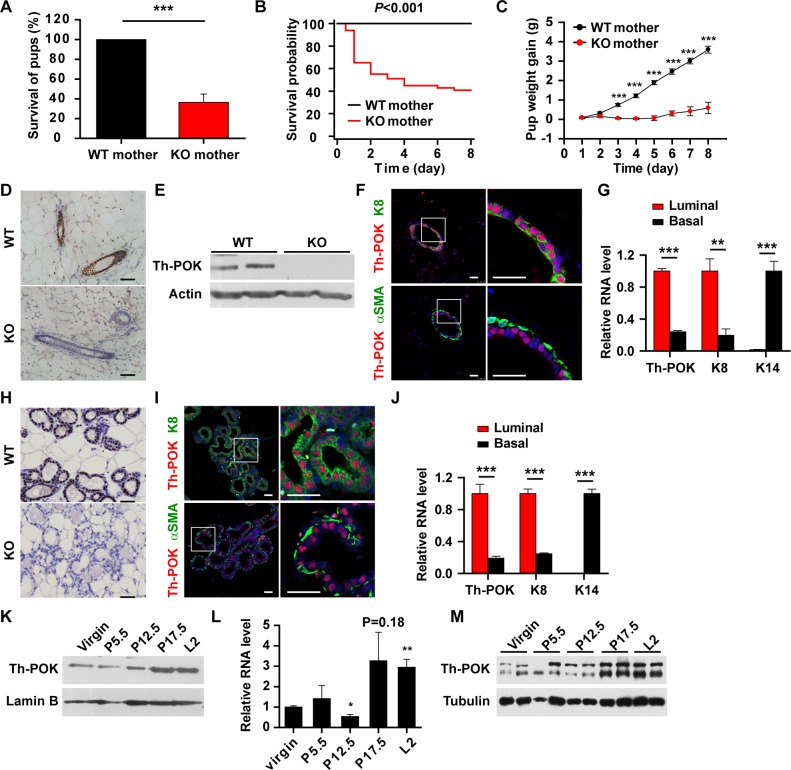
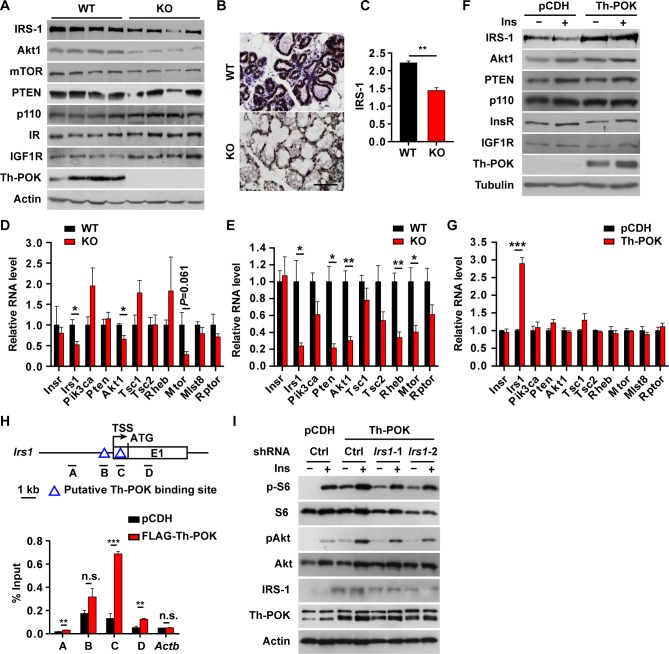
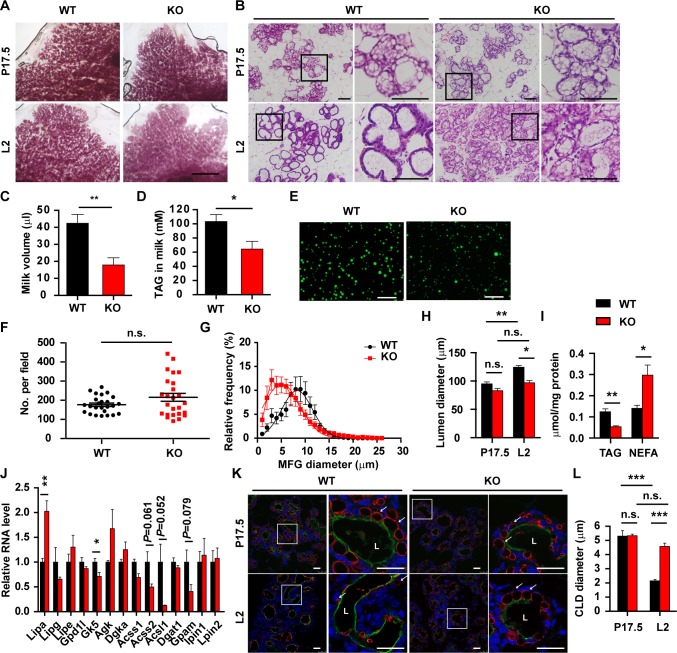
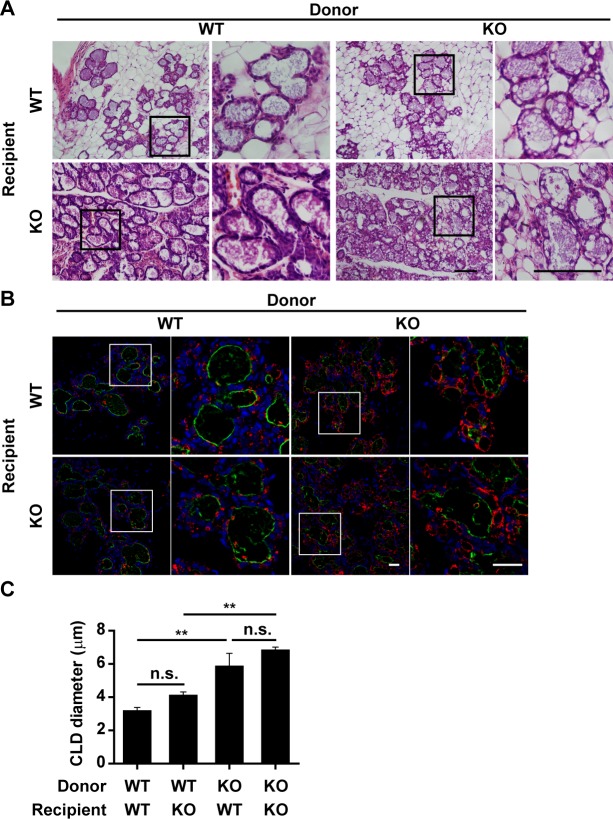
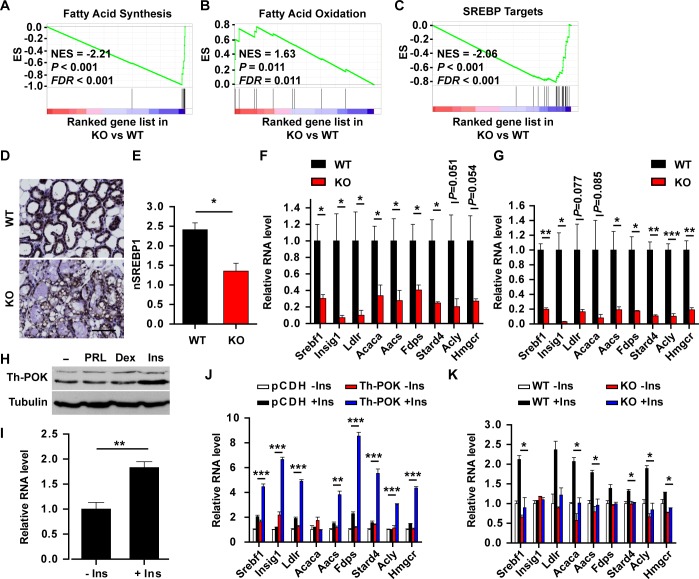
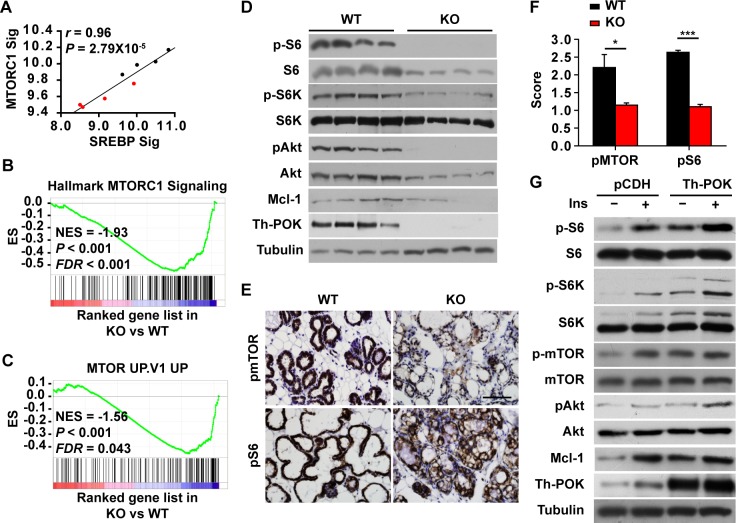
The Th-inducing POK (Th-POK, also known as ZBTB7B or cKrox) transcription factor is a key regulator of lineage commitment of immature T cell precursors. It is yet unclear the physiological functions of Th-POK besides helper T cell differentiation. Here we show that Th-POK is restrictedly expressed in the luminal epithelial cells in the mammary glands that is upregulated at late pregnancy and lactation. Lineage restrictedly expressed Th-POK exerts distinct biological functions in the mammary epithelial cells and T cells in a tissue-specific manner. Th-POK is not required for mammary epithelial cell fate determination. Mammary gland morphogenesis in puberty and alveologenesis in pregnancy are phenotypically normal in the Th-POK-deficient mice. However, Th-POK-deficient mice are defective in triggering the onset of lactation upon parturition with large cellular lipid droplets retained within alveolar epithelial cells. As a result, Th-POK knockout mice are unable to efficiently secret milk lipid and to nurse the offspring. Such defect is mainly attributed to the malfunctioned mammary epithelial cells, but not the tissue microenvironment in the Th-POK deficient mice. Th-POK directly regulates expression of insulin receptor substrate-1 (IRS-1) and insulin-induced Akt-mTOR-SREBP signaling. Th-POK deficiency compromises IRS-1 expression and Akt-mTOR-SREBP signaling in the lactating mammary glands. Conversely, insulin induces Th-POK expression. Thus, Th-POK functions as an important feed-forward regulator of insulin signaling in mammary gland lactation.
诱导 Th 细胞的 POK(Th-POK,也称为 ZBTB7B 或 cKrox)转录因子是未成熟 T 细胞前体谱系定向的关键调节因子。除了辅助 T 细胞分化之外,Th-POK 的生理功能尚不清楚。在这里,我们显示 Th-POK 在乳腺的腔上皮细胞中特异性表达,在妊娠晚期和哺乳期上调。在组织特异性的方式下,谱系特异性表达的 Th-POK 在乳腺上皮细胞和 T 细胞中发挥独特的生物学功能。Th-POK 对于乳腺上皮细胞命运的决定不是必需的。青春期乳腺形态发生和妊娠期间的肺泡发生在 Th-POK 缺陷小鼠中表型正常。然而,Th-POK 缺陷小鼠在分娩时不能触发泌乳的开始,肺泡上皮细胞内保留大量细胞脂质滴。结果,Th-POK 敲除小鼠不能有效地分泌乳脂和哺乳后代。这种缺陷主要归因于乳腺上皮细胞的功能障碍,而不是 Th-POK 缺陷小鼠的组织微环境。Th-POK 直接调节胰岛素受体底物-1(IRS-1)和胰岛素诱导的 Akt-mTOR-SREBP 信号的表达。Th-POK 缺陷会损害泌乳期乳腺中的 IRS-1 表达和 Akt-mTOR-SREBP 信号。相反,胰岛素诱导 Th-POK 的表达。因此,Th-POK 作为乳腺泌乳中胰岛素信号的重要前馈调节因子发挥作用。