Affiliated Bayi Brain Hospital, General Army Hospital, Southern Medical University, Beijing, People's Republic of China.
Department of Neurosurgery, Peking University People's Hospital, Peking University, Beijing, People's Republic of China.
Neurochem Res. 2018 Mar;43(3):760-774. doi: 10.1007/s11064-018-2478-y. Epub 2018 Feb 8.
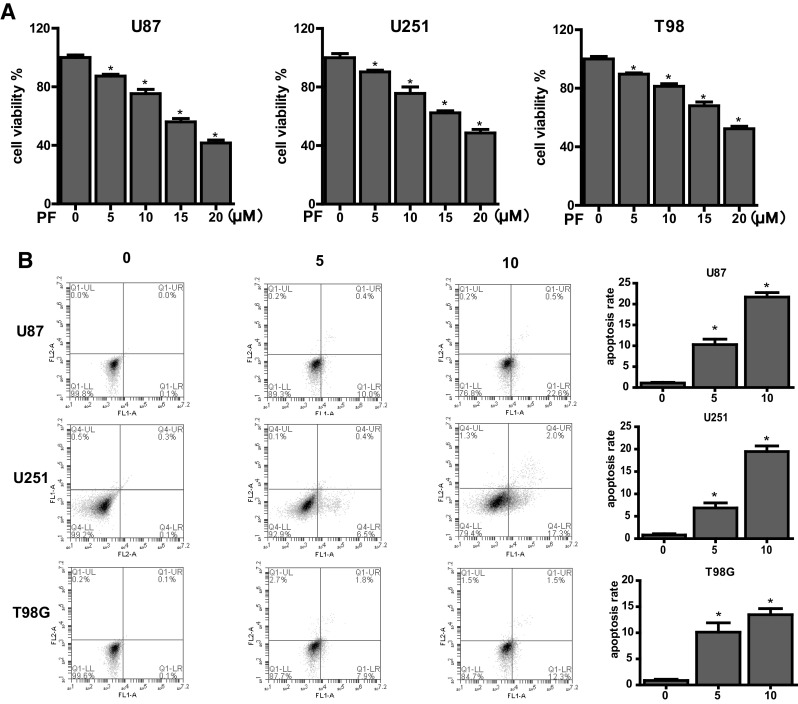
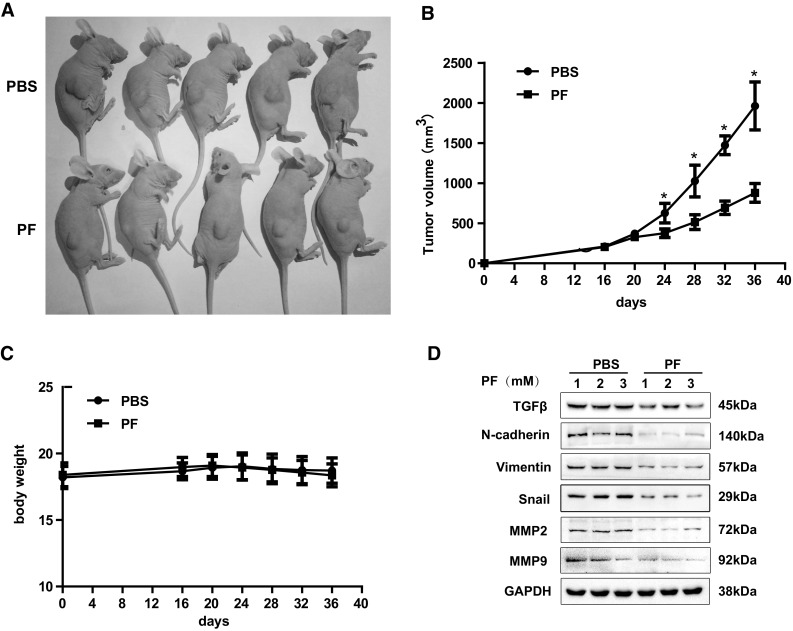
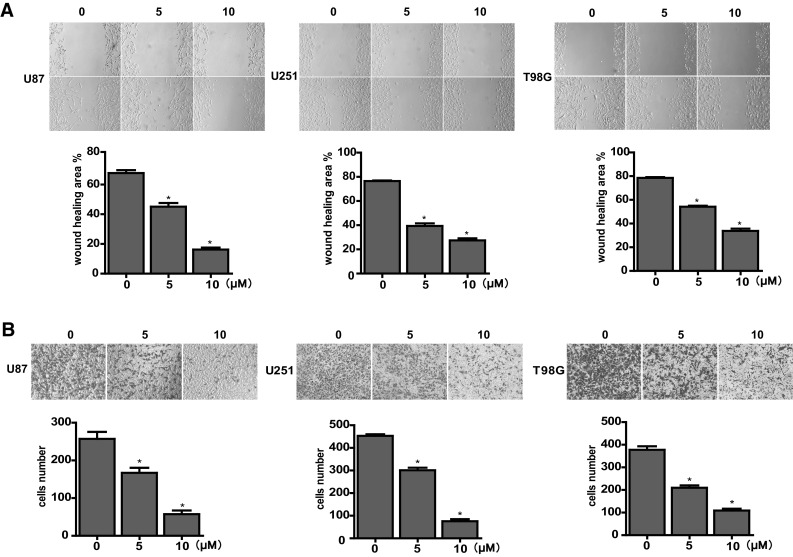
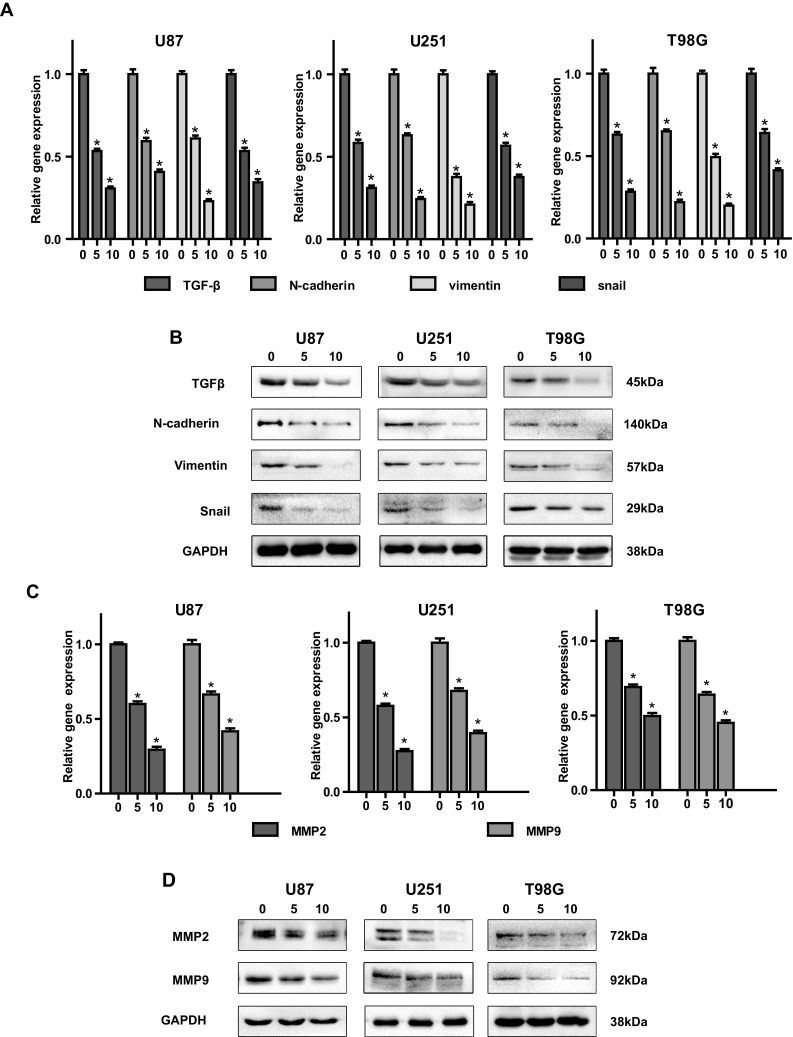
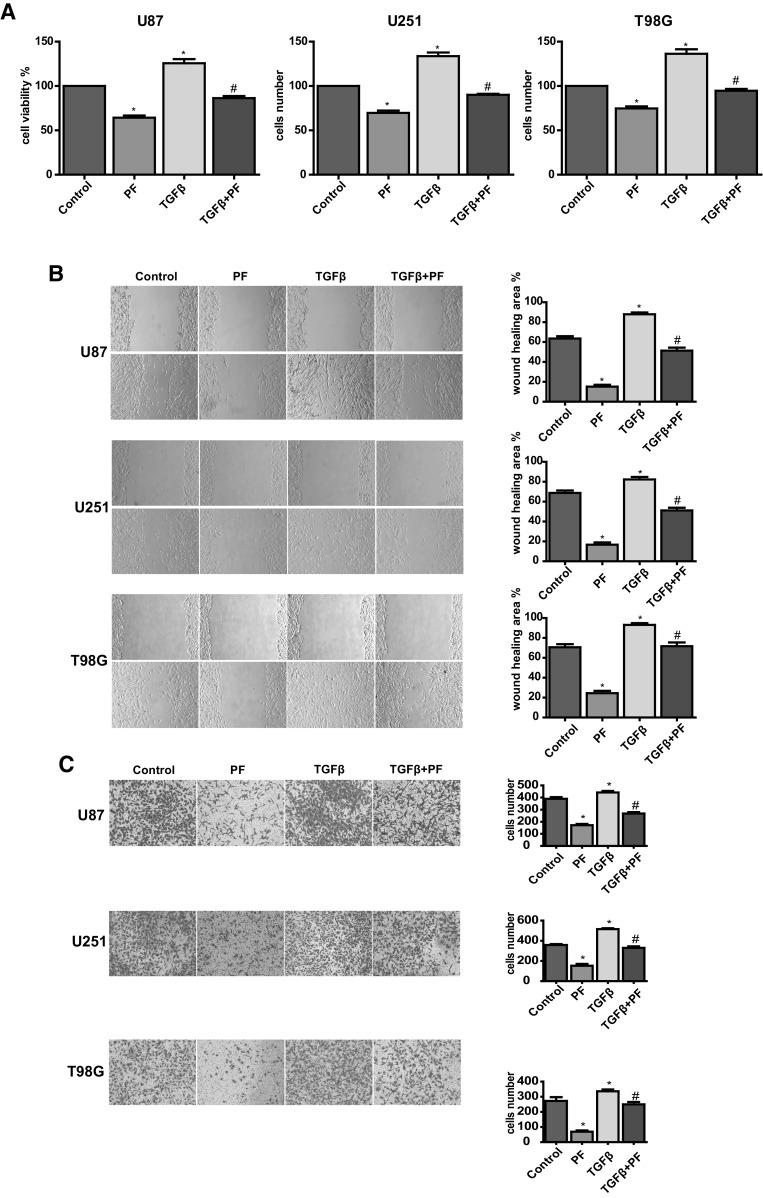
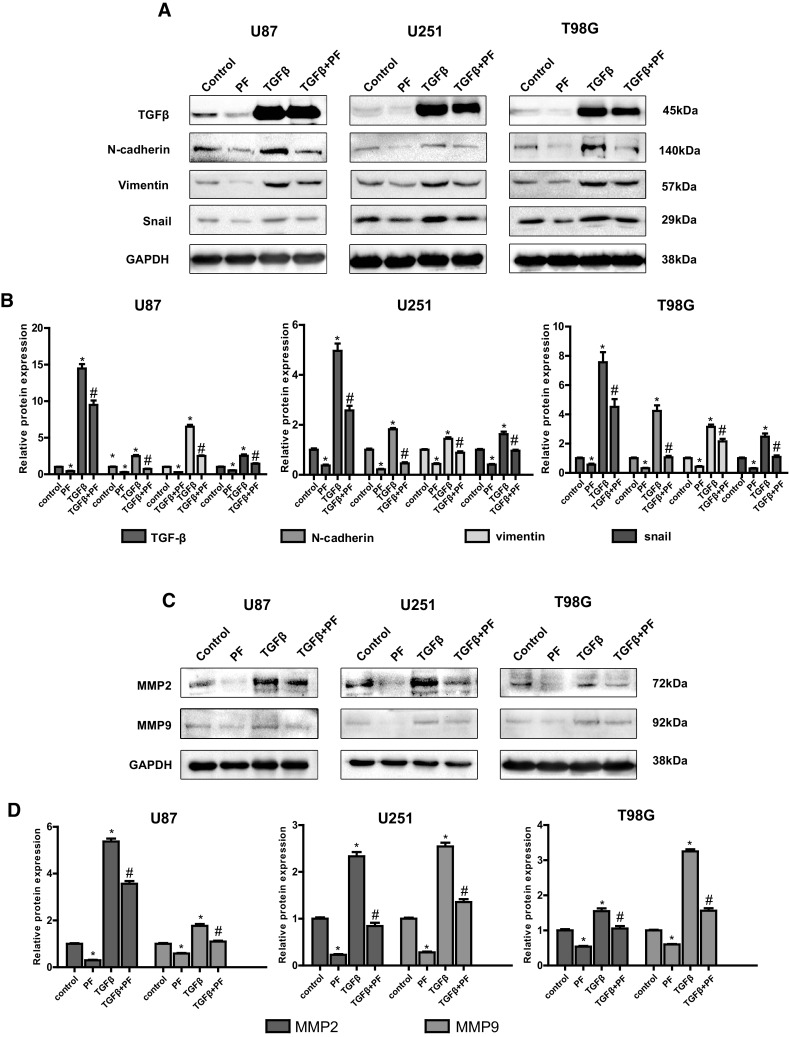
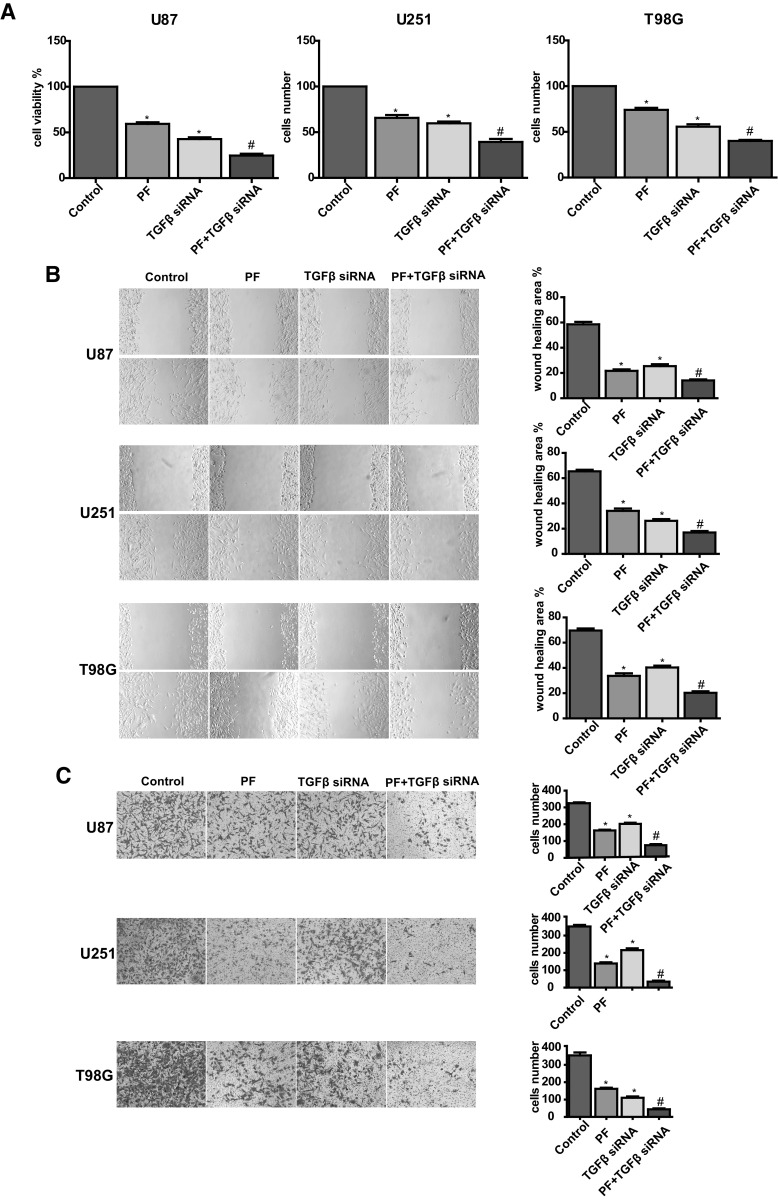
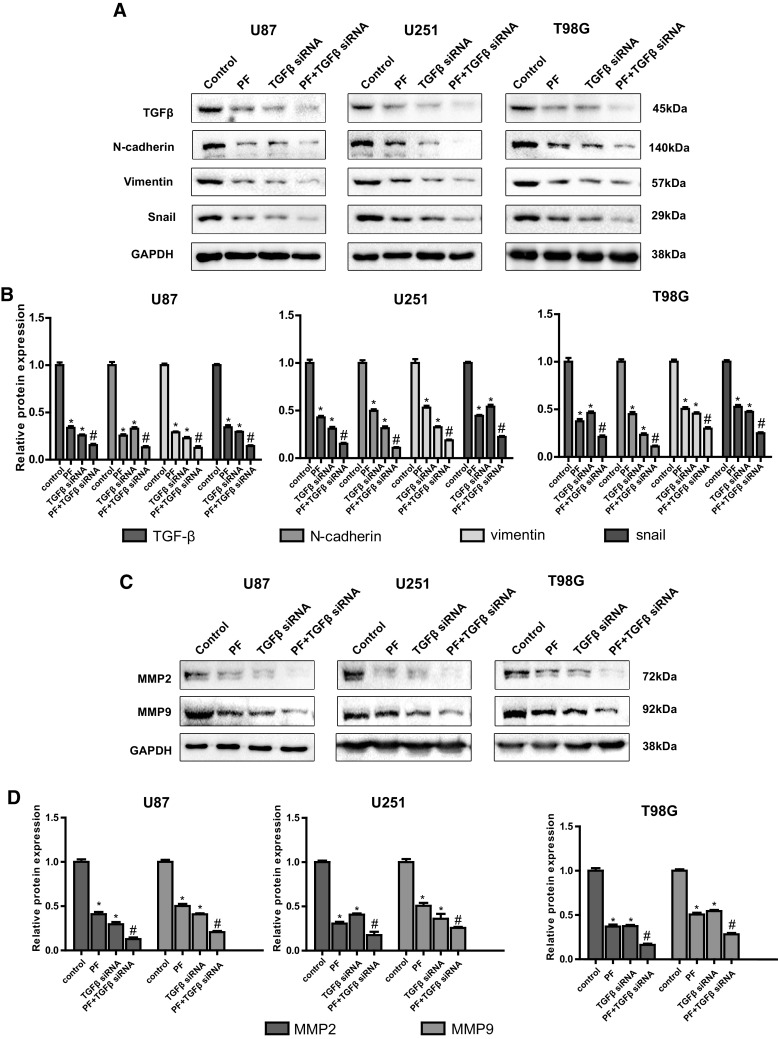
Paeoniflorin (PF) is a polyphenolic compound derived from Radix Paeoniae Alba thathas anti-cancer activities in a variety of human malignancies including glioblastoma. However, the underlying mechanisms have not been fully elucidated. Epithelial to mesenchymal transition (EMT), characterized as losing cell polarity, plays an essential role in tumor invasion and metastasis. TGFβ, a key member of transforming growth factors, has been demonstrated to contribute to glioblastoma aggressiveness through inducing EMT. Therefore, the present studies aim to investigate whether PF suppresses the expression of TGFβ and inhibits EMT that plays an important role in anti-glioblastoma. We found that PF dose-dependently downregulates the expression of TGFβ, enhances apoptosis, reduces cell proliferation, migration and invasion in three human glioblastoma cell lines (U87, U251, T98G). These effects are enhanced in TGFβ siRNA treated cells and abolished in cells transfected with TGFβ lentiviruses. In addition, other EMT markers such as snail, vimentin and N-cadherin were suppressed by PF in these cell lines and in BALB/c nude mice injected with U87 cells. The expression of MMP2/9, EMT markers, are also dose-dependently reduced in PF treated cells and in U87 xenograft mouse model. Moreover, the tumor sizes are reduced by PF treatment while there is no change in body weight. These results indicate that PF is a potential novel drug target for the treatment of glioblastoma by suppression of TGFβ signaling pathway and inhibition of EMT.
芍药苷(PF)是一种从白芍中提取的多酚类化合物,在多种人类恶性肿瘤中具有抗癌活性,包括脑胶质瘤。然而,其潜在的机制尚未完全阐明。上皮间质转化(EMT)是肿瘤侵袭和转移的重要过程,其特征为失去细胞极性。TGFβ是转化生长因子家族的关键成员,已被证明通过诱导 EMT 促进脑胶质瘤的侵袭性。因此,本研究旨在探讨 PF 是否能抑制 TGFβ的表达,并抑制 EMT, EMT 在抗脑胶质瘤中起着重要作用。我们发现 PF 呈剂量依赖性地下调 TGFβ的表达,增强凋亡,减少三种人脑胶质瘤细胞系(U87、U251、T98G)的细胞增殖、迁移和侵袭。在 TGFβ siRNA 处理的细胞中,这些作用增强,而在 TGFβ慢病毒转染的细胞中则被消除。此外,PF 还抑制了这些细胞系和 BALB/c 裸鼠注射 U87 细胞后的其他 EMT 标志物,如 snail、波形蛋白和 N-钙黏蛋白。MMP2/9 的表达,EMT 标志物,也呈剂量依赖性降低在 PF 处理的细胞和 U87 异种移植小鼠模型中。此外,PF 治疗可减少肿瘤体积,而体重无变化。这些结果表明,PF 通过抑制 TGFβ信号通路和 EMT 抑制,可能成为治疗脑胶质瘤的潜在新药物靶点。