Abdul Kayum Md, Nath Ujjal Kumar, Park Jong-In, Biswas Manosh Kumar, Choi Eung Kyoo, Song Jae-Young, Kim Hoy-Taek, Nou Ill-Sup
Department of Horticulture, Sunchon National University, 255 Jungang-ro, Suncheon, Jeonnam 57922, Korea.
Department of Genetics and Plant Breeding, Bangladesh Agricultural University, Mymensingh 2202, Bangladesh.
Genes (Basel). 2018 Feb 10;9(2):84. doi: 10.3390/genes9020084.
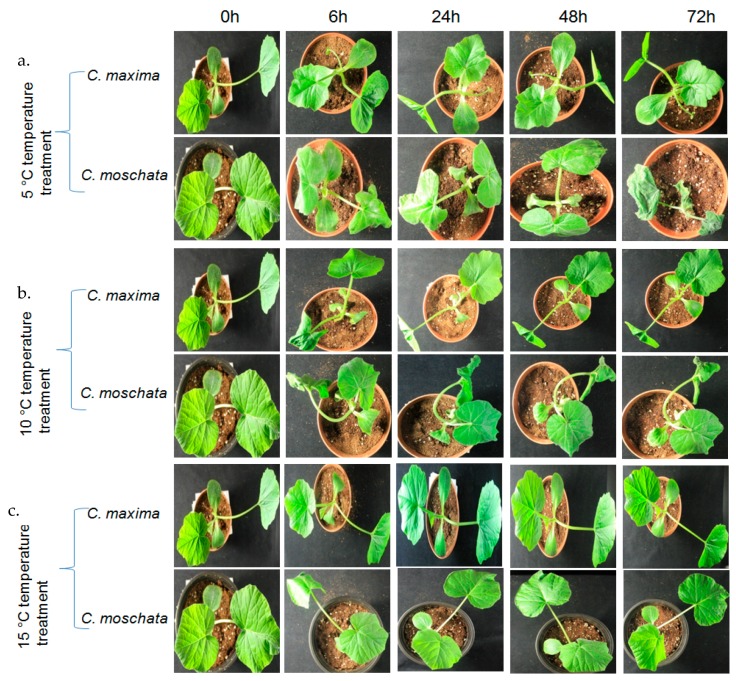
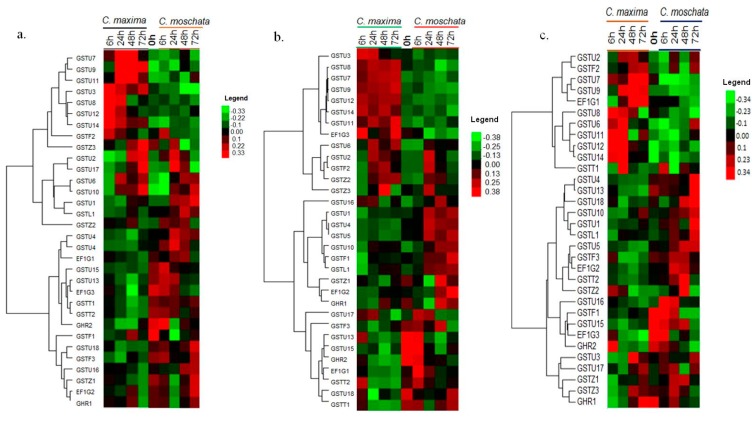
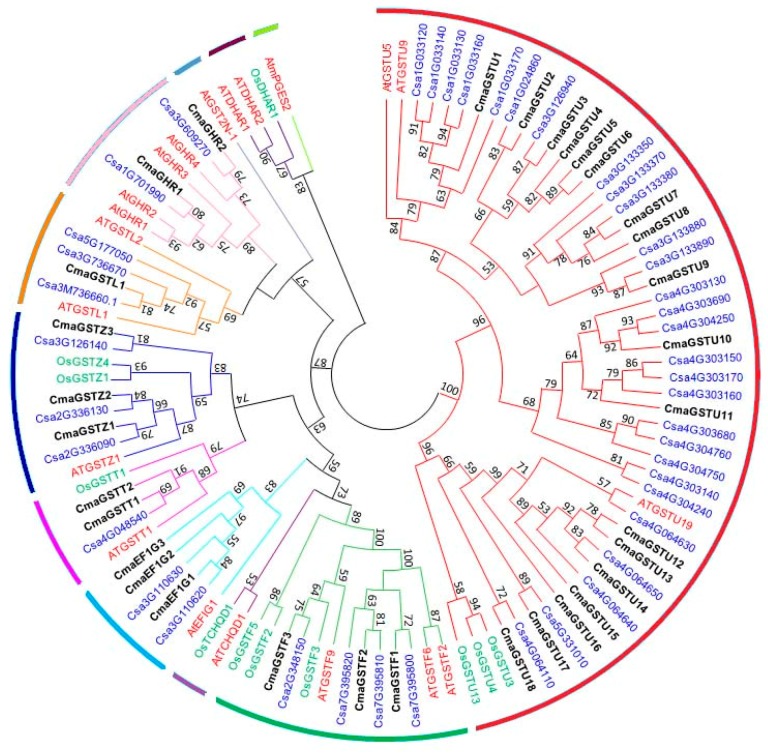
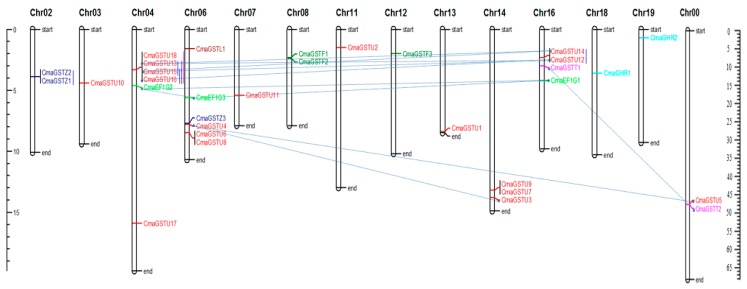
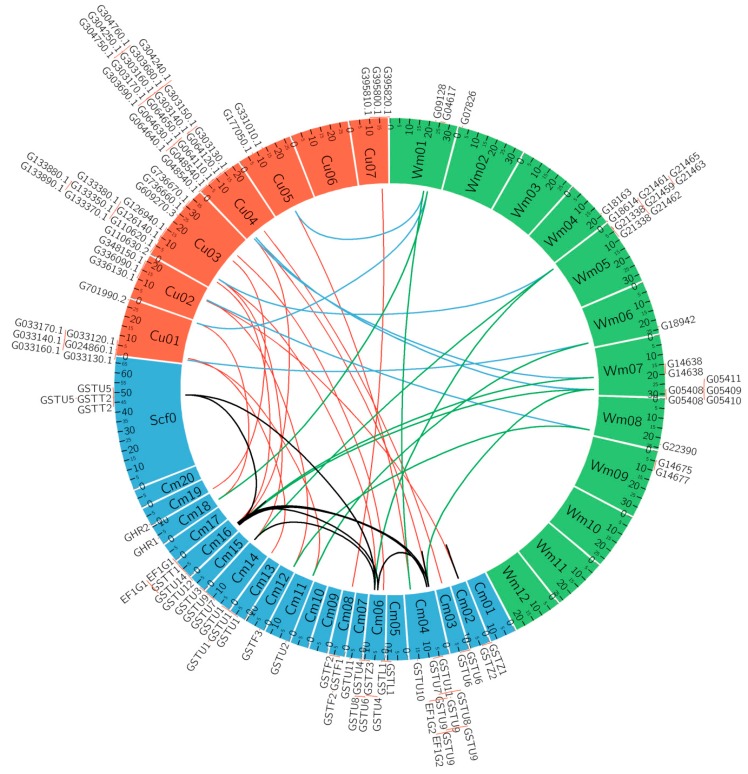
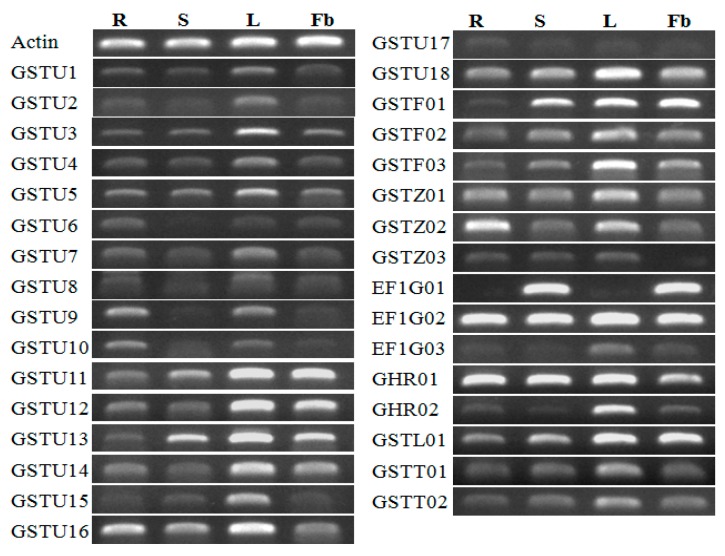
Plant growth and development can be adversely affected by cold stress, limiting productivity. The glutathione -transferase (GST) family comprises important detoxifying enzymes, which play major roles in biotic and abiotic stress responses by reducing the oxidative damage caused by reactive oxygen species. Pumpkins () are widely grown, economically important, and nutritious; however, their yield can be severely affected by cold stress. The identification of putative candidate genes responsible for cold-stress tolerance, including the GST family genes, is therefore vital. For the first time, we identified 32 () genes using a combination of bioinformatics approaches and characterized them by expression profiling. These genes represent seven of the 14 known classes of plant , with 18 s categorized into the tau class. The s were distributed across 13 of pumpkin's 20 chromosomes, with the highest numbers found on chromosomes 4 and 6. The large number of genes resulted from gene duplication; 11 and 5 pairs of genes were segmental- and tandem-duplicated, respectively. In addition, all genes showed organ-specific expression. The expression of the putative genes in pumpkin was examined under cold stress in two lines with contrasting cold tolerance: cold-tolerant CP-1 () and cold-susceptible EP-1 (). Seven genes (, , , , , , and ) were highly expressed in the cold-tolerant line and are putative candidates for use in breeding cold-tolerant crop varieties. These results increase our understanding of the cold-stress-related functions of the GST family, as well as potentially enhancing pumpkin breeding programs.
低温胁迫会对植物的生长和发育产生不利影响,从而限制生产力。谷胱甘肽 -S-转移酶(GST)家族包含重要的解毒酶,通过减少活性氧引起的氧化损伤,在生物和非生物胁迫反应中发挥主要作用。南瓜广泛种植,具有重要经济价值且营养丰富;然而,其产量会受到低温胁迫的严重影响。因此,鉴定包括GST家族基因在内的与耐低温胁迫相关的假定候选基因至关重要。我们首次结合生物信息学方法鉴定出32个南瓜GST基因,并通过表达谱对其进行了表征。这些GST基因代表了植物GST 14个已知类别中的7个类别,其中18个被归类为tau类。这些GST基因分布在南瓜20条染色体中的13条上,在第4号和第6号染色体上数量最多。大量的GST基因是基因复制的结果;分别有11对和5对GST基因发生了片段重复和串联重复。此外,所有GST基因均表现出器官特异性表达。在低温胁迫下,对两个耐冷性不同的南瓜品系进行了研究:耐冷的CP-1(南瓜品种)和冷敏感的EP-1(南瓜品种)。七个基因(GSTU5、GSTU10、GSTU11、GSTU12、GSTU13、GSTF8和GSTF12)在耐冷品系中高表达,是培育耐冷作物品种的假定候选基因。这些结果增进了我们对GST家族与低温胁迫相关功能的理解,也可能会加强南瓜育种计划。