State Key Laboratory of Natural Medicines, School of Life Science and Technology, China Pharmaceutical University, Nanjing, 210029, China.
Department of General Surgery, Ruijin Hospital, Research Institute of Pancreatic Diseases, School of Medicine, Shanghai JiaoTong University, Shanghai, 200025, China.
Cell Death Dis. 2018 Feb 13;9(2):217. doi: 10.1038/s41419-017-0223-0.
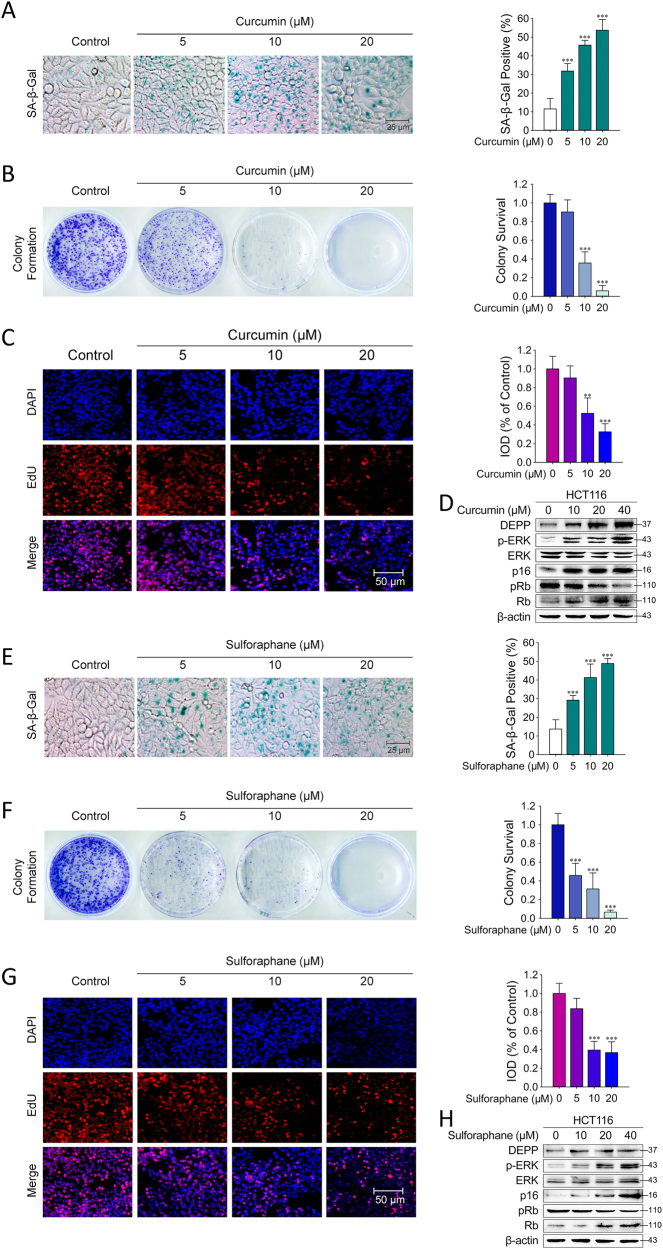
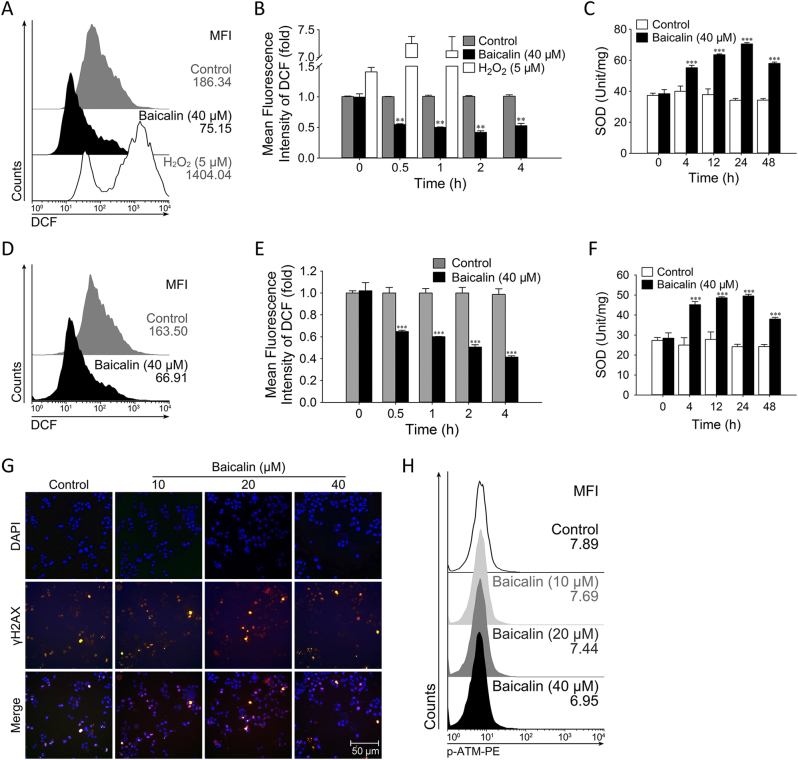
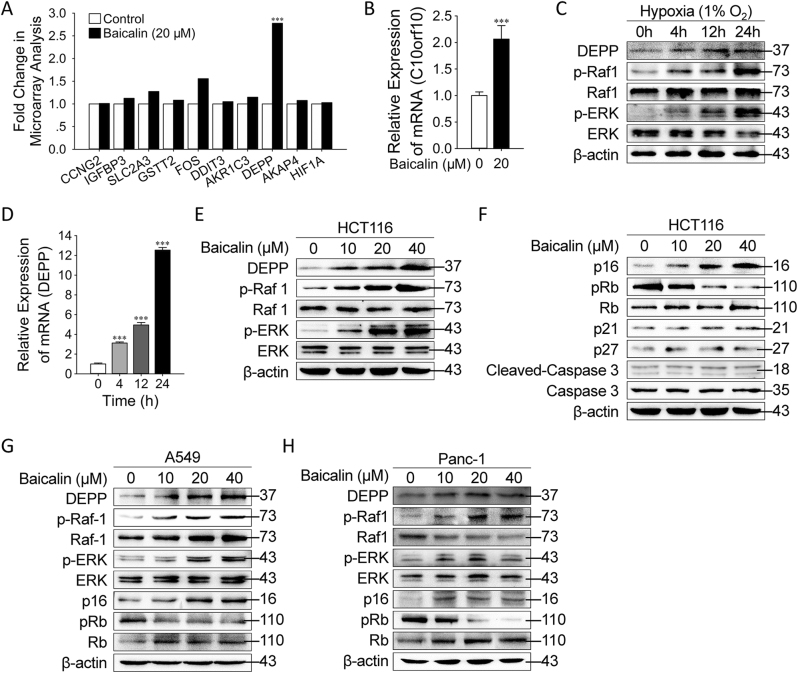
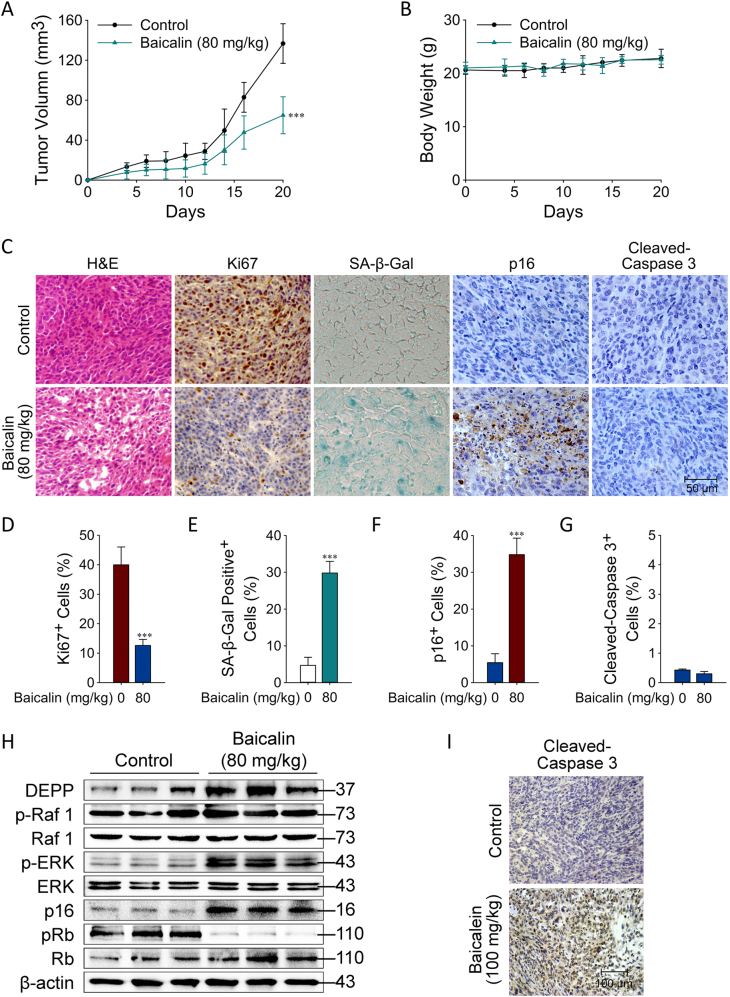
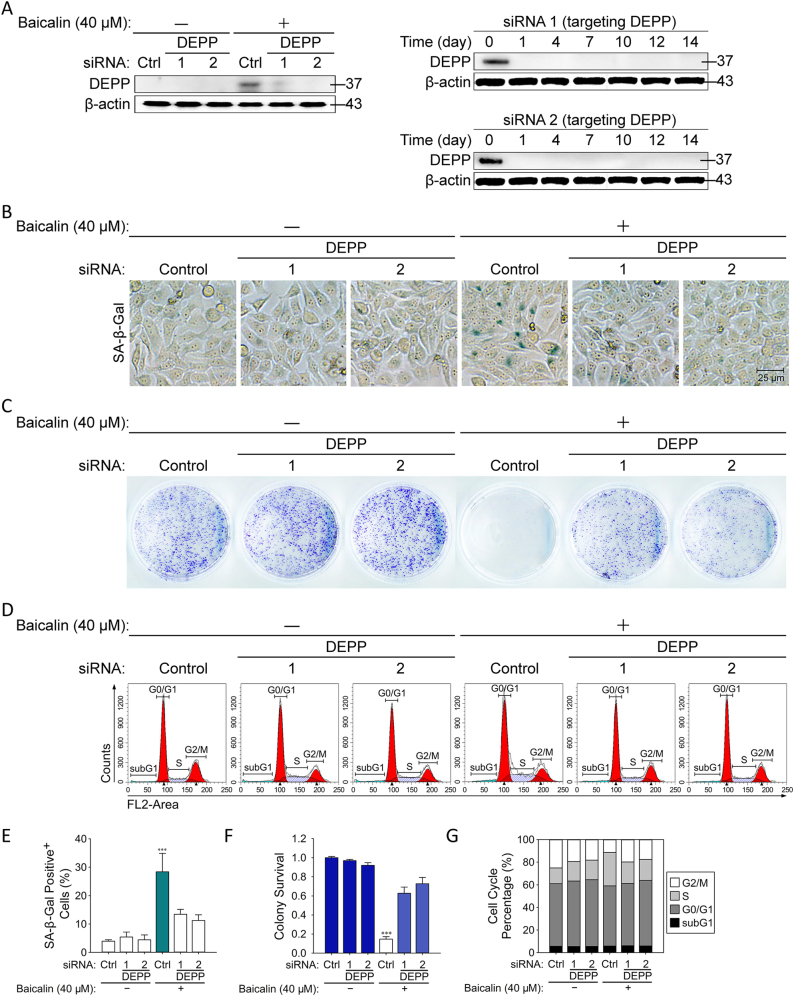
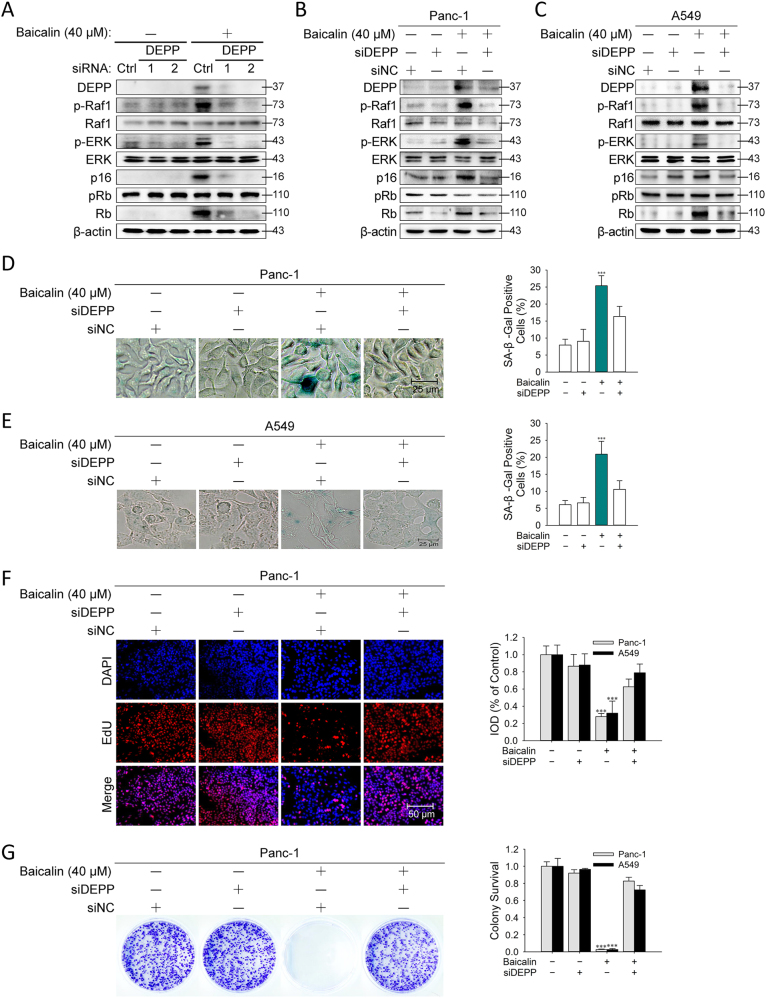
Baicalin is a natural flavonoid glycoside which has potent anti-tumor and antioxidant activity in cancer cells. In the present study, we found that baicalin treatment significantly induced senescence in colon cancer cells. Furthermore, baicalin upregulated the expression of decidual protein induced by progesterone (DEPP) in HCT116 colon cancer cells, which accompanied with the activation of Ras/Raf/MEK/ERK and p16/Rb signaling pathways. Meanwhile, these phenomena also appeared under the anti-oxidation effect exerted by baicalin. In addition, ectopic expression of DEPP in HCT116 cells significantly induced the activity of senescence-associated β-galactosidase (SA-β-Gal) in tumor cells regulated by Ras/Raf/MEK/ERK signaling pathway. Knockdown of DEPP by RNA interference efficiently counteracted the baicalin-mediated growth inhibition, senescence and cell cycle arrest in cancer cells. Importantly, in a xenograft mouse model of human colon cancer, we further confirmed that baicalin treatment dramatically inhibited tumor growth, which was due to the induction of tumor cellular senescence via the upregulation of DEPP and the activation of Ras/Raf/MEK/ERK signaling in vivo. In addition to baicalin treatment, we found that the hypoxia-response protein DEPP functions as a positive regulator involving the regulations of Ras/Raf/MEK/ERK signaling pathway and inhibition of human colon cancer by other anti-oxidative drugs, such as curcumin and sulforaphane, resulting in tumor cellular senescence. These results collectively suggest that baicalin upregulates the expression of DEPP and activates its downstream Ras/Raf/MEK/ERK and p16/Rb pathways by acting as an antioxidant, leading to senescence in colon cancer cells.
黄芩苷是一种天然黄酮类糖苷,在癌细胞中具有很强的抗肿瘤和抗氧化活性。在本研究中,我们发现黄芩苷处理显著诱导结肠癌细胞衰老。此外,黄芩苷上调了孕激素诱导的蜕膜蛋白(DEPP)在 HCT116 结肠癌细胞中的表达,同时伴随着 Ras/Raf/MEK/ERK 和 p16/Rb 信号通路的激活。同时,这些现象也出现在黄芩苷的抗氧化作用下。此外,DEPP 在 HCT116 细胞中的异位表达显著诱导了 Ras/Raf/MEK/ERK 信号通路调控的肿瘤细胞衰老相关β-半乳糖苷酶(SA-β-Gal)的活性。通过 RNA 干扰敲低 DEPP 可有效抵消黄芩苷介导的癌细胞生长抑制、衰老和细胞周期停滞。重要的是,在人结肠癌的异种移植小鼠模型中,我们进一步证实黄芩苷治疗可显著抑制肿瘤生长,这是由于 DEPP 的上调和 Ras/Raf/MEK/ERK 信号的激活诱导了肿瘤细胞衰老。除了黄芩苷处理,我们还发现缺氧反应蛋白 DEPP 作为一种正调控因子,参与 Ras/Raf/MEK/ERK 信号通路的调节,并抑制其他抗氧化药物如姜黄素和萝卜硫素对人结肠癌的作用,导致肿瘤细胞衰老。这些结果共同表明,黄芩苷作为一种抗氧化剂,通过上调 DEPP 的表达并激活其下游的 Ras/Raf/MEK/ERK 和 p16/Rb 通路,导致结肠癌细胞衰老。