Centre for Functional MRI of the Brain, Wellcome Centre for Integrative Neuroimaging, Nuffield Department of Clinical Neurosciences, University of Oxford, Oxford, United Kingdom.
Centre for Human Brain Activity, Wellcome Centre for Integrative Neuroimaging, Department of Psychiatry, University of Oxford, Oxford, United Kingdom.
Elife. 2018 Feb 16;7:e32992. doi: 10.7554/eLife.32992.
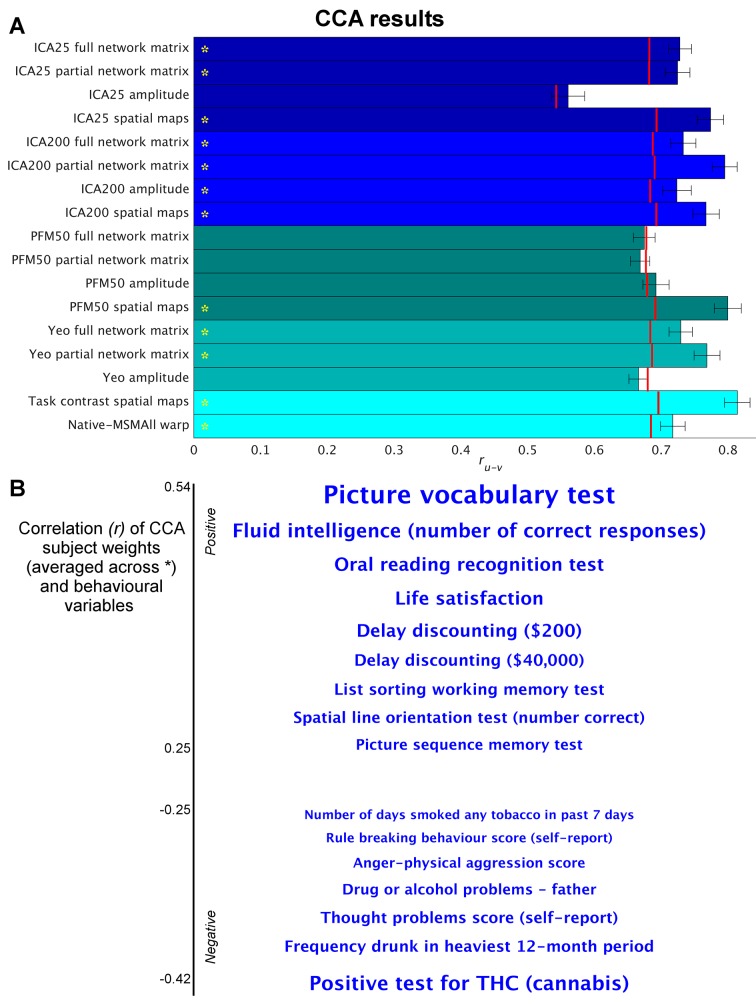
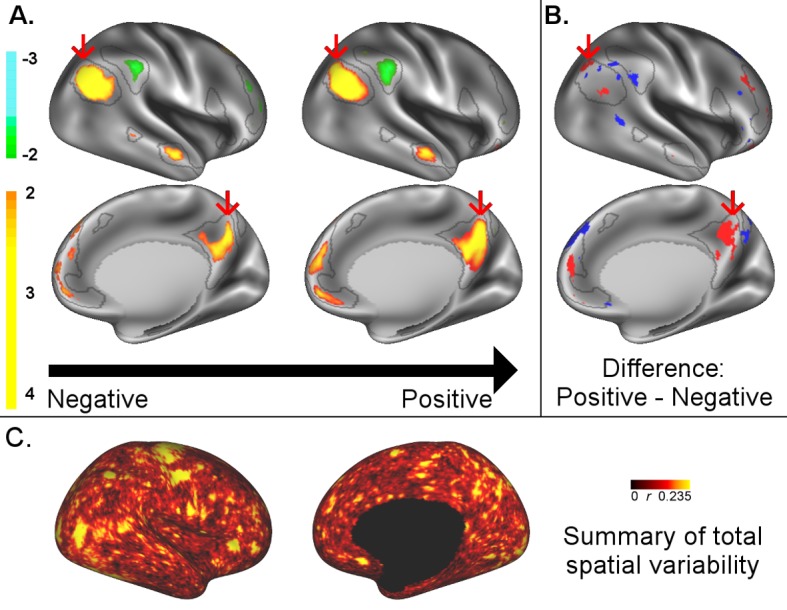
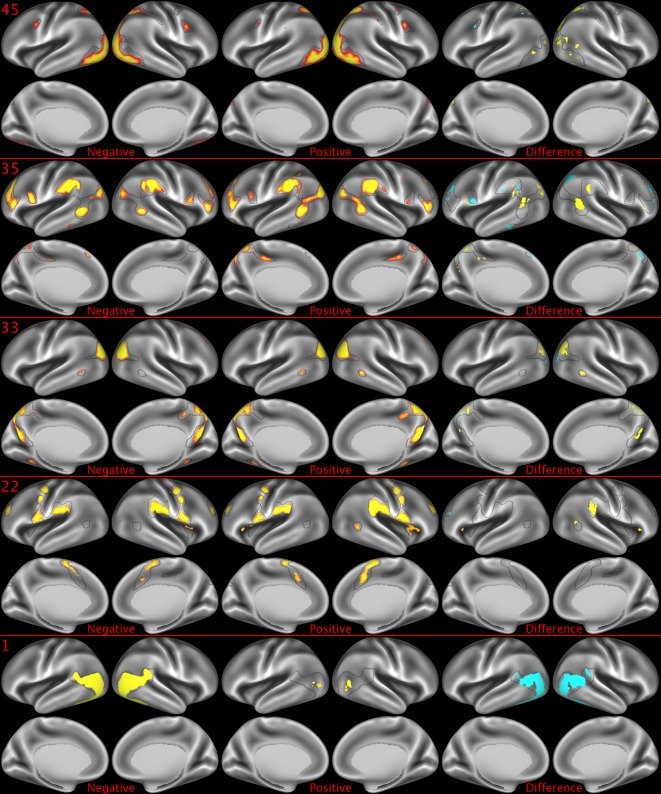
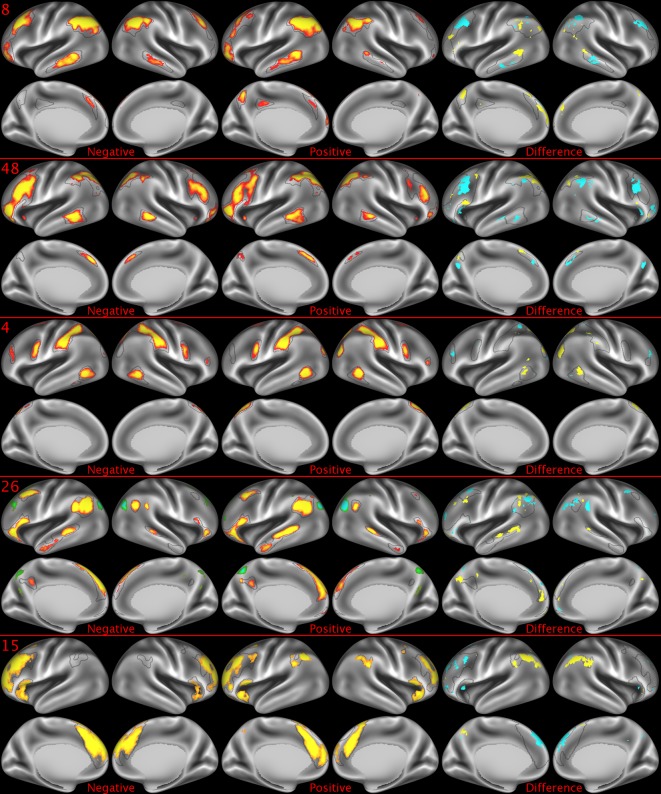
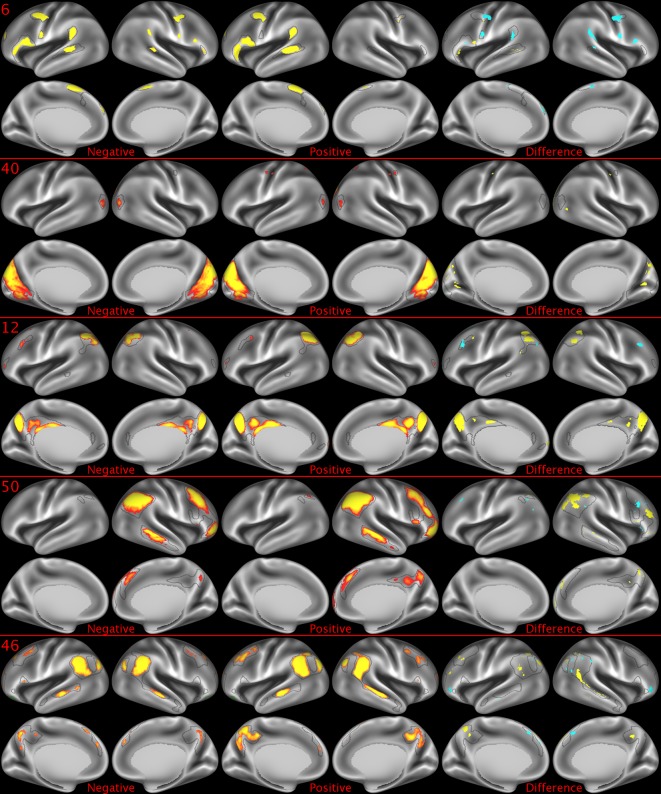
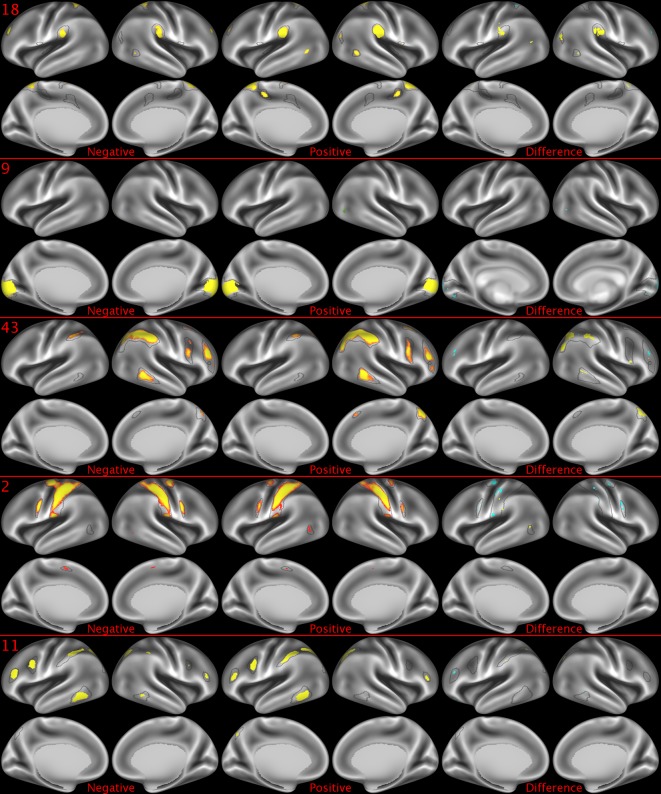
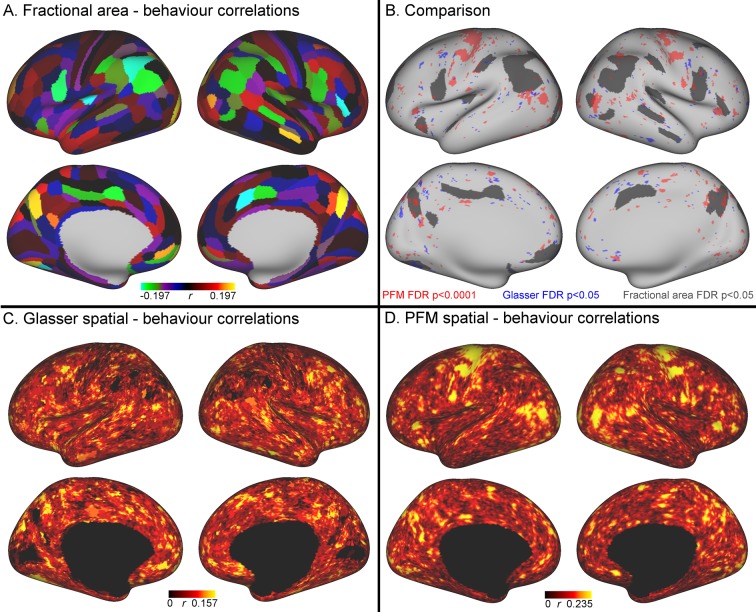
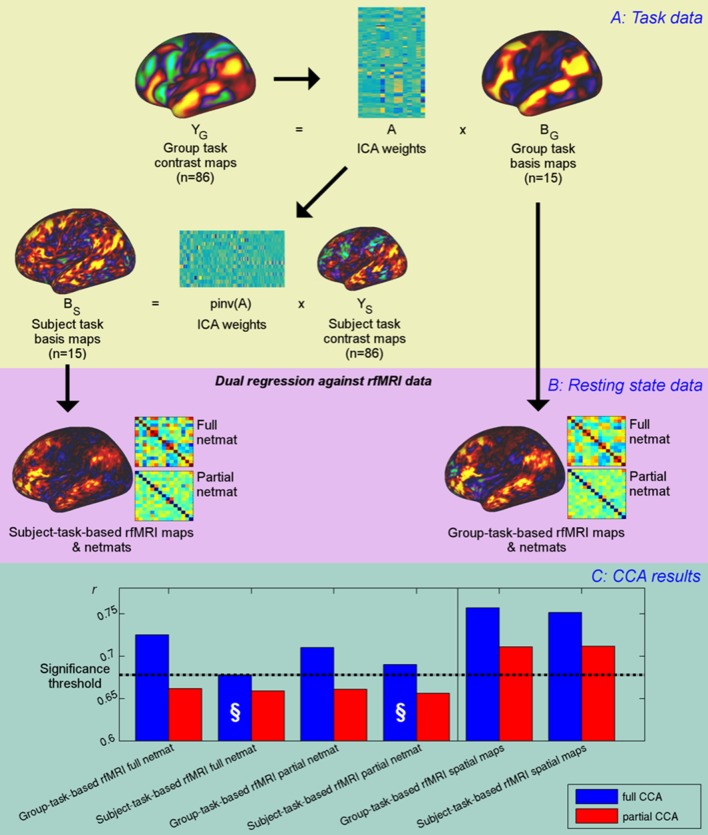
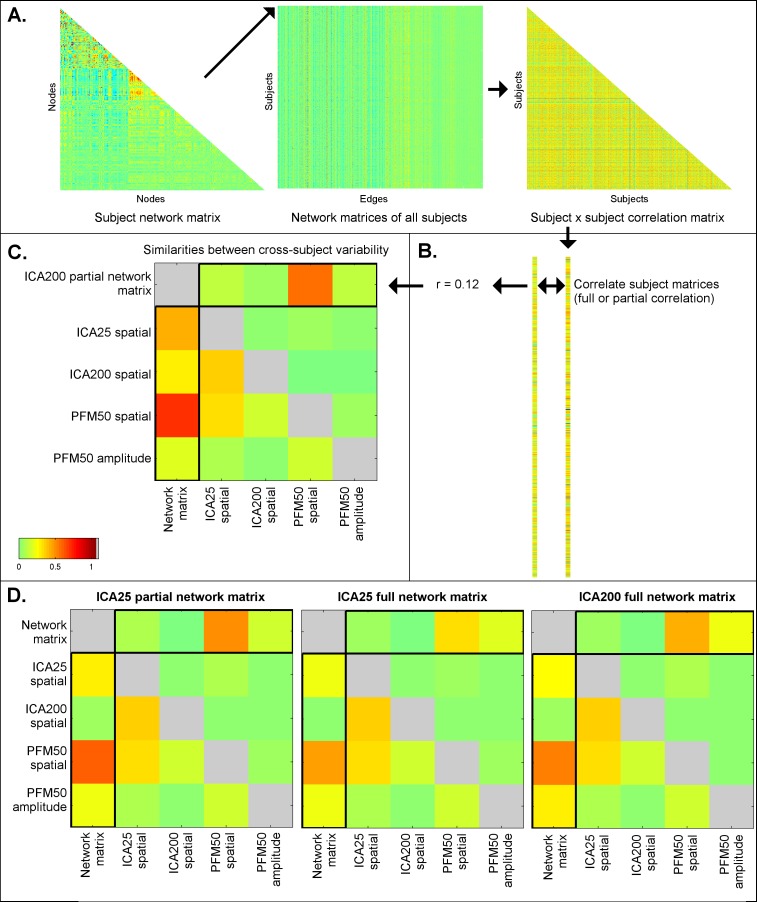
Brain connectivity is often considered in terms of the communication between functionally distinct brain regions. Many studies have investigated the extent to which patterns of coupling strength between multiple neural populations relates to behaviour. For example, studies have used 'functional connectivity fingerprints' to characterise individuals' brain activity. Here, we investigate the extent to which the exact spatial arrangement of cortical regions interacts with measures of brain connectivity. We find that the shape and exact location of brain regions interact strongly with the modelling of brain connectivity, and present evidence that the spatial arrangement of functional regions is strongly predictive of non-imaging measures of behaviour and lifestyle. We believe that, in many cases, cross-subject variations in the spatial configuration of functional brain regions are being interpreted as changes in functional connectivity. Therefore, a better understanding of these effects is important when interpreting the relationship between functional imaging data and cognitive traits.
脑连接通常被认为是功能不同的脑区之间的通讯。许多研究已经调查了多个神经元群体之间的耦合强度模式与行为之间的关系。例如,研究人员使用“功能连接指纹”来描述个体的大脑活动。在这里,我们研究了皮质区域的精确空间排列与脑连接测量相互作用的程度。我们发现,大脑区域的形状和确切位置与脑连接的建模强烈相互作用,并提供了证据表明,功能区域的空间排列强烈预测行为和生活方式的非成像测量。我们认为,在许多情况下,功能脑区的空间配置在跨个体之间的变化被解释为功能连接的变化。因此,当解释功能成像数据与认知特征之间的关系时,更好地理解这些影响是很重要的。