Hu Jinguang, Tian Dong, Renneckar Scott, Saddler Jack N
Department of Wood Science, Forest Products Biotechnology/Bioenergy Group, Faculty of Forestry, University of British Columbia, 2424 Main Mall, Vancouver, British Columbia, V6T 1Z4, Canada.
Institute of Ecological and Environmental Sciences, Sichuan Agricultural University, Chengdu, Sichuan, 611130, PR China.
Sci Rep. 2018 Feb 16;8(1):3195. doi: 10.1038/s41598-018-21016-6.
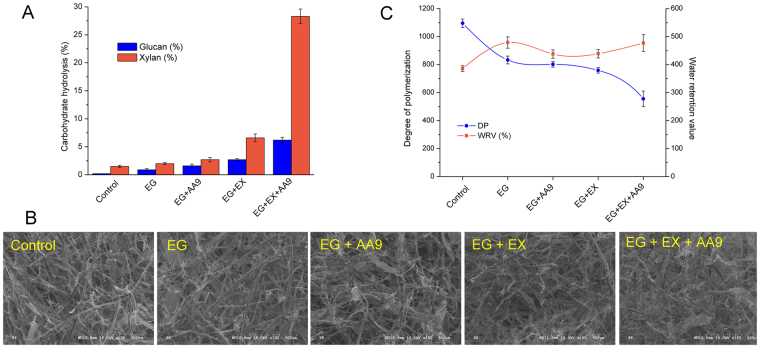
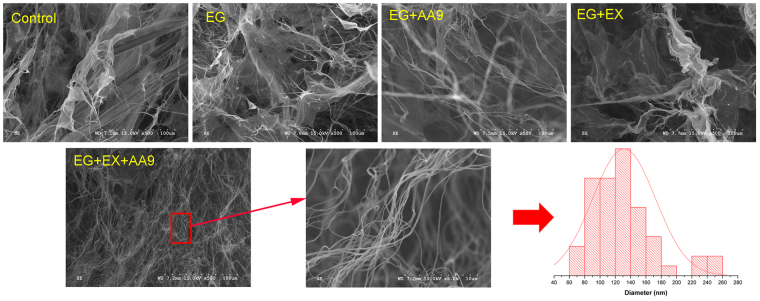
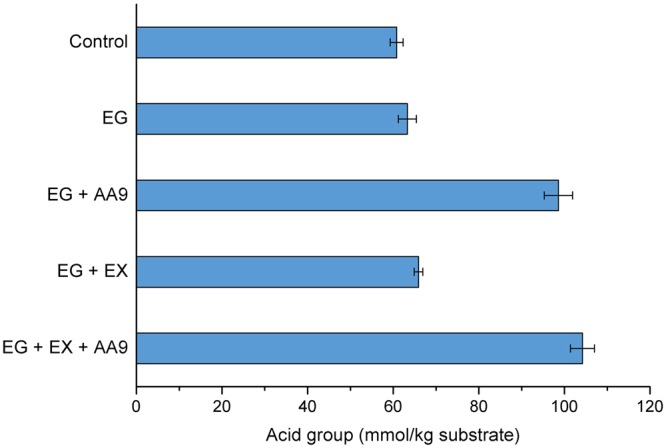
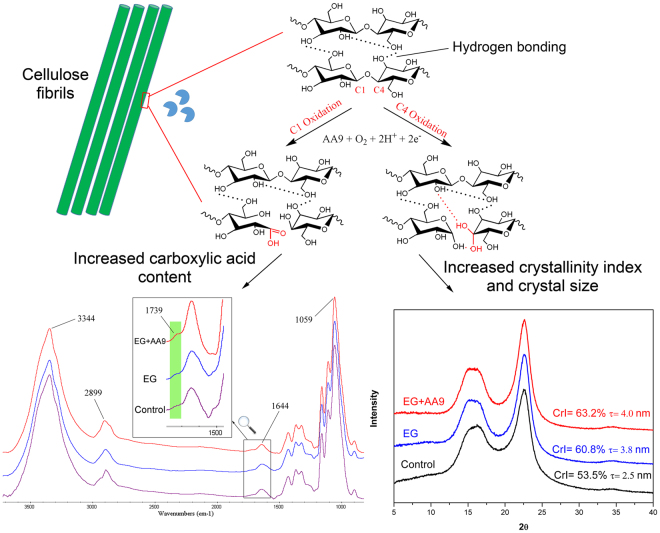
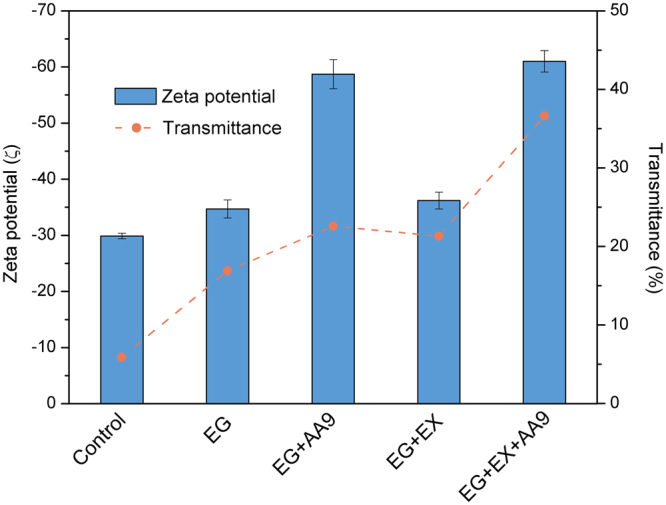
Physiochemical methods have generally been used to "open-up" biomass substrates/pulps and have been the main method used to fibrillate cellulose. However, recent work has shown that canonical cellulase enzymes such as endoglucanases, in combination with "amorphogenesis inducing" proteins such as lytic polysaccharide monooxygenases (LPMO), swollenin and hemicellulases, are able to increase cellulose accessibility. In the work reported here different combinations of endoglucanase, LPMO and xylanase were applied to Kraft pulps to assess their potential to induce fibrillation at low enzyme loading over a short time period. Although gross fiber properties (fiber length, width and morphology) were relatively unchanged, over a short period of time, the intrinsic physicochemical characteristics of the pulp fibers (e.g. cellulose accessibility/DP/crystallinity/charge) were positively enhanced by the synergistic cooperation of the enzymes. LPMO addition resulted in the oxidative cleavage of the pulps, increasing the negative charge (~100 mmol kg) on the cellulose fibers. This improved cellulose nanofibrilliation while stabilizing the nanofibril suspension (zeta potential ζ = ~60 mV), without sacrificing nanocellulose thermostability. The combination of endoglucanase, LPMO and xylanases was shown to facilitate nanofibrillation, potentially reducing the need for mechanical refining while resulting in a pulp with a more uniform nanofibril composition.
物理化学方法通常用于“打开”生物质底物/纸浆,并且一直是使纤维素原纤化的主要方法。然而,最近的研究表明,诸如内切葡聚糖酶等典型的纤维素酶,与诸如裂解多糖单加氧酶(LPMO)、膨胀素和半纤维素酶等“无定形诱导”蛋白相结合,能够提高纤维素的可及性。在本文报道的工作中,将内切葡聚糖酶、LPMO和木聚糖酶的不同组合应用于牛皮纸浆,以评估它们在低酶负载量下短时间内诱导原纤化的潜力。尽管粗纤维特性(纤维长度、宽度和形态)相对未变,但在短时间内,纸浆纤维的内在物理化学特性(例如纤维素可及性/聚合度/结晶度/电荷)通过酶的协同作用得到了积极增强。添加LPMO导致纸浆的氧化裂解,增加了纤维素纤维上的负电荷(约100 mmol/kg)。这改善了纤维素纳米原纤化,同时稳定了纳米原纤悬浮液(ζ电位ζ = 约60 mV),而不牺牲纳米纤维素的热稳定性。内切葡聚糖酶、LPMO和木聚糖酶的组合被证明有助于纳米原纤化,可能减少机械精磨的需求,同时得到具有更均匀纳米原纤组成的纸浆。