Panthi Sandesh, Manandhar Sumeet, Gautam Kripa
1Otago School of Biomedical Sciences, University of Otago, Dunedin, New Zealand.
2Department of Pharmacy, Chosun University, Gwangju, South Korea.
Transl Neurodegener. 2018 Feb 13;7:3. doi: 10.1186/s40035-018-0108-x. eCollection 2018.
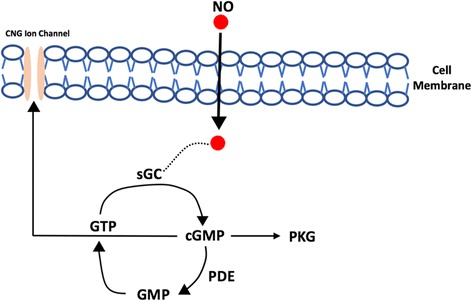
Hydrogen Sulfide (HS) and Nitric Oxide (NO) have become recognized as important gaseous signaling molecules with enormous pharmacological effects, therapeutic value, and central physiological roles. NO is one of the most important regulators of the pathophysiological condition in central nervous system (CNS). It is critical in the various functioning of the brain; however, beyond certain concentration/level, it is toxic. HS was regarded as toxic gas with the smell like rotten egg. But, it is now regarded as emerging neuroprotectant and neuromodulator. Recently, the use of donors and inhibitors of these signaling molecules have helped us to identify their accurate and precise biological effects. The most abundant neurotransmitter of CNS (glutamate) is the initiator of the reaction that forms NO, and HS is highly expressed in brain. These molecules are shedding light on the pathogenesis of various neurological disorders. This review is mainly focused on the importance of HS and NO for normal functioning of CNS.
硫化氢(HS)和一氧化氮(NO)已被公认为重要的气体信号分子,具有巨大的药理作用、治疗价值和核心生理作用。NO是中枢神经系统(CNS)病理生理状态最重要的调节因子之一。它对大脑的各种功能至关重要;然而,超过一定浓度/水平时,它是有毒的。HS曾被视为具有臭鸡蛋气味的有毒气体。但是,它现在被视为新兴的神经保护剂和神经调节剂。最近,这些信号分子的供体和抑制剂的使用帮助我们确定了它们准确而精确的生物学效应。中枢神经系统中最丰富的神经递质(谷氨酸)是形成NO的反应的启动剂,并且HS在大脑中高度表达。这些分子正在为各种神经系统疾病的发病机制提供线索。本综述主要关注HS和NO对中枢神经系统正常功能的重要性。