Burton Kathryn J, Pimentel Grégory, Zangger Nadine, Vionnet Nathalie, Drai Jocelyne, McTernan Philip G, Pralong François P, Delorenzi Mauro, Vergères Guy
Service of Endocrinology, Diabetes and Metabolism, Lausanne University Hospital, Lausanne, Switzerland.
Federal Department of Economic Affairs, Education and Research EAER, Agroscope, Berne, Switzerland.
PLoS One. 2018 Feb 28;13(2):e0192947. doi: 10.1371/journal.pone.0192947. eCollection 2018.
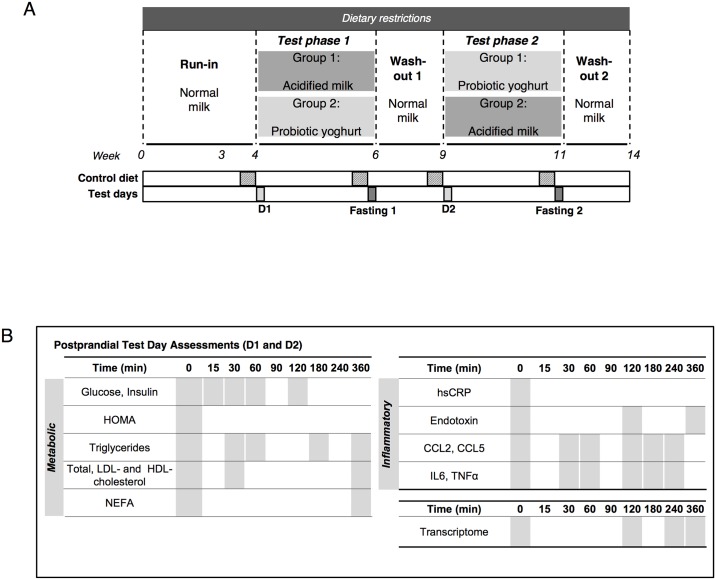
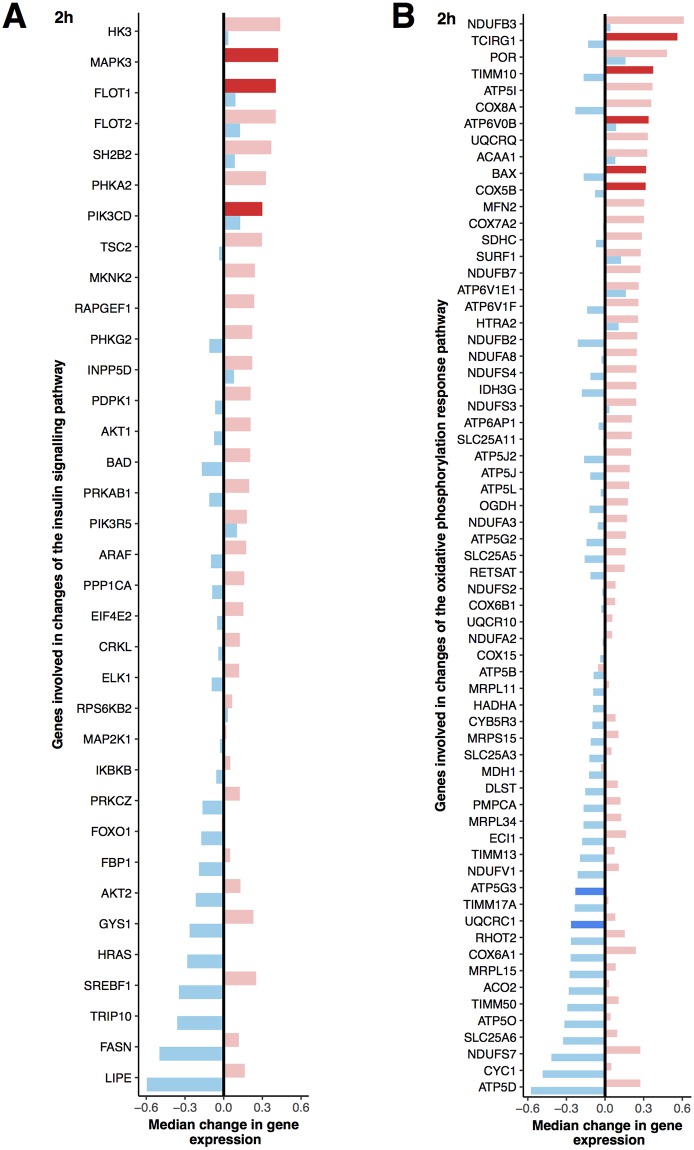
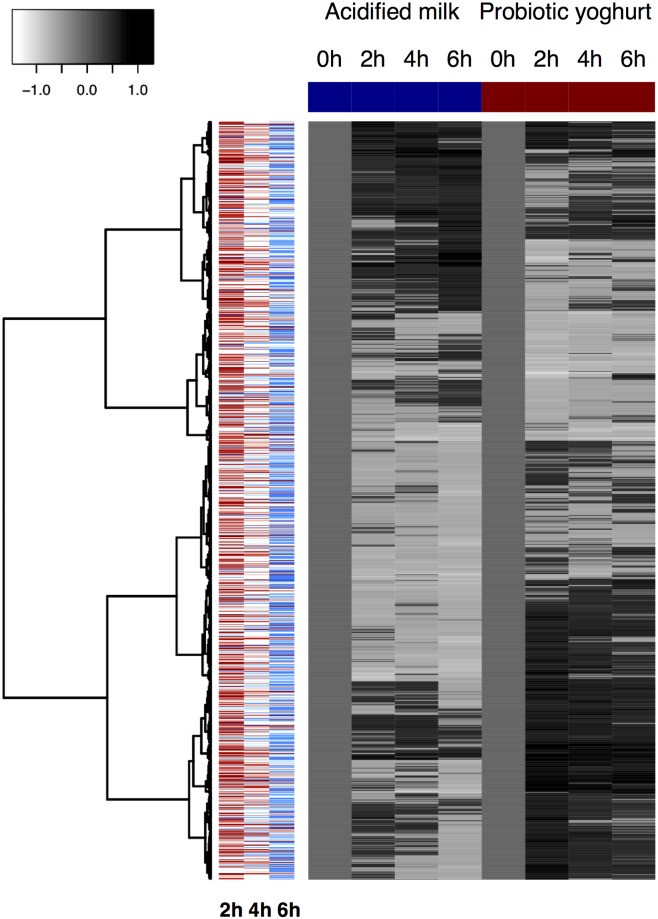
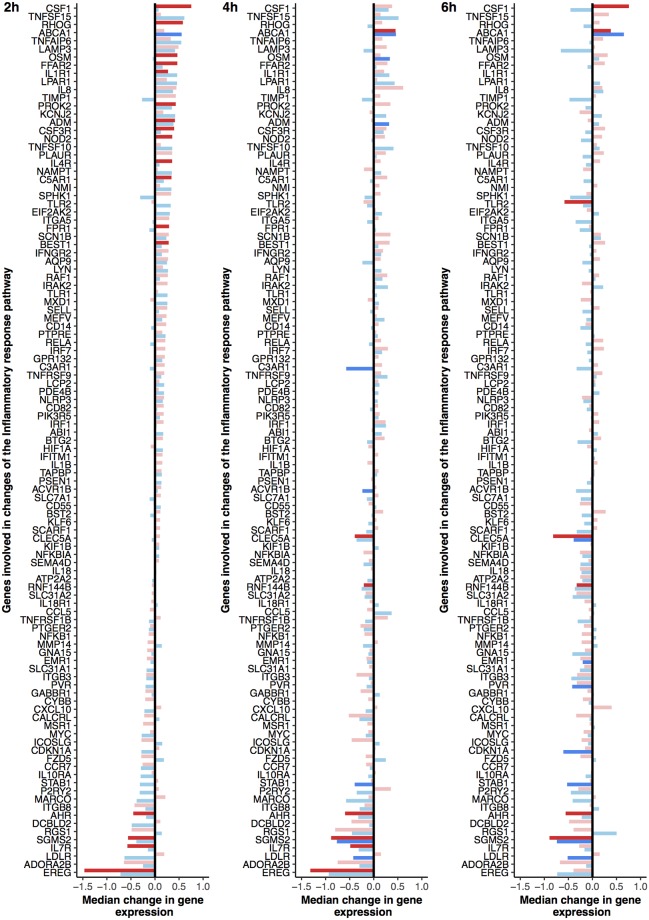
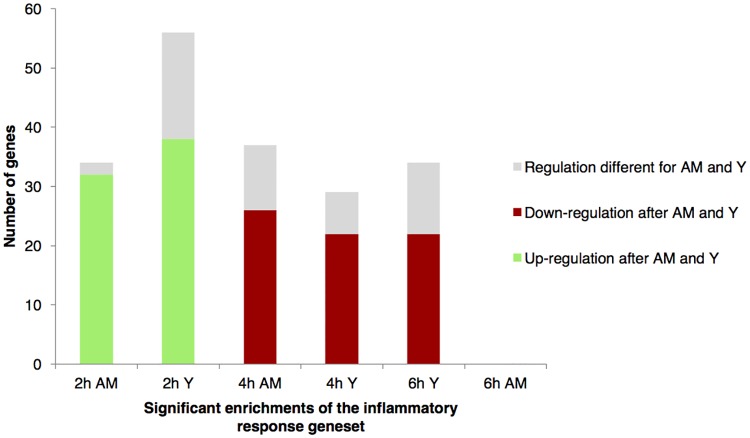
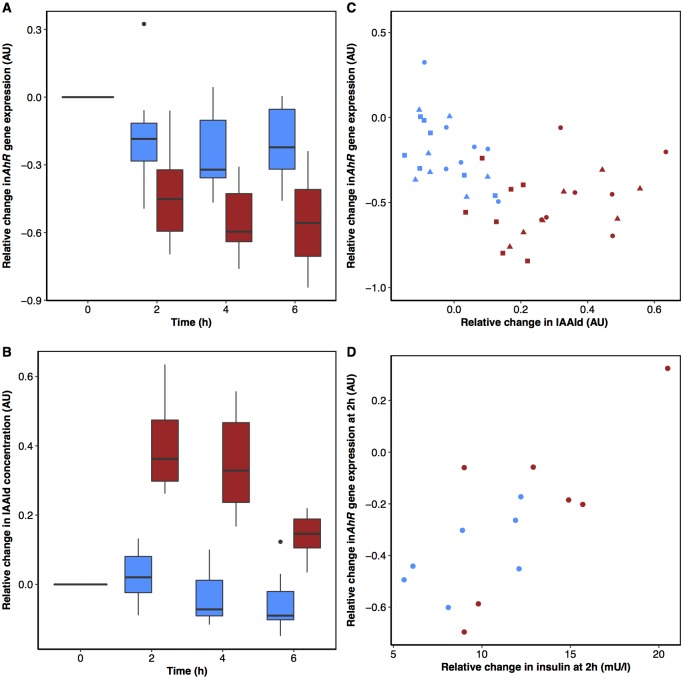
The metabolic health benefits of fermented milks have already been investigated using clinical biomarkers but the development of transcriptomic analytics in blood offers an alternative approach that may help to sensitively characterise such effects. We aimed to assess the effects of probiotic yoghurt intake, compared to non-fermented, acidified milk intake, on clinical biomarkers and gene expression in peripheral blood. To this end, a randomised, crossover study was conducted in fourteen healthy, young men to test the two dairy products. For a subset of seven subjects, RNA sequencing was used to measure gene expression in blood collected during postprandial tests and after two weeks daily intake. We found that the postprandial response in insulin was different for probiotic yoghurt as compared to that of acidified milk. Moreover changes in several clinical biomarkers were associated with changes in the expression of genes representing six metabolic genesets. Assessment of the postprandial effects of each dairy product on gene expression by geneset enrichment analysis revealed significant, similar modulation of inflammatory and glycolytic genes after both probiotic yoghurt and acidified milk intake, although distinct kinetic characteristics of the modulation differentiated the dairy products. The aryl hydrocarbon receptor was a major contributor to the down-regulation of the inflammatory genesets and was also positively associated with changes in circulating insulin at 2h after yoghurt intake (p = 0.05). Daily intake of the dairy products showed little effect on the fasting blood transcriptome. Probiotic yoghurt and acidified milk appear to affect similar gene pathways during the postprandial phase but differences in the timing and the extent of this modulation may lead to different physiological consequences. The functional relevance of these differences in gene expression is supported by their associations with circulating biomarkers.
发酵乳对代谢健康的益处已通过临床生物标志物进行了研究,但血液转录组分析的发展提供了一种替代方法,可能有助于灵敏地表征此类效应。我们旨在评估摄入益生菌酸奶(与未发酵的酸化牛奶相比)对外周血临床生物标志物和基因表达的影响。为此,对14名健康的年轻男性进行了一项随机交叉研究,以测试这两种乳制品。对于7名受试者的子集,使用RNA测序来测量餐后测试期间和每日摄入两周后采集的血液中的基因表达。我们发现,与酸化牛奶相比,益生菌酸奶的餐后胰岛素反应有所不同。此外,几种临床生物标志物的变化与代表六个代谢基因集的基因表达变化相关。通过基因集富集分析评估每种乳制品对基因表达的餐后效应,结果显示,摄入益生菌酸奶和酸化牛奶后,炎症和糖酵解基因均有显著且相似的调节,尽管调节的动力学特征不同,这区分了这两种乳制品。芳烃受体是炎症基因集下调的主要贡献者,并且还与酸奶摄入后2小时循环胰岛素的变化呈正相关(p = 0.05)。每日摄入这些乳制品对空腹血液转录组几乎没有影响。益生菌酸奶和酸化牛奶在餐后阶段似乎影响相似的基因途径,但这种调节的时间和程度差异可能导致不同的生理后果。这些基因表达差异的功能相关性得到了它们与循环生物标志物关联的支持。