Islamoglu Hicret, Cao Ruoqiong, Teskey Garrett, Gyurjian Karo, Lucar Sebastian, Fraix Marcel P, Sathananthan Airani, Chan John K, Venketaraman Vishwanath
Department of Biological Sciences, California State Polytechnic University, Pomona, CA 91768, USA.
College of life Sciences, Hebei University, Baoding 071000, China.
J Clin Med. 2018 Mar 1;7(3):40. doi: 10.3390/jcm7030040.
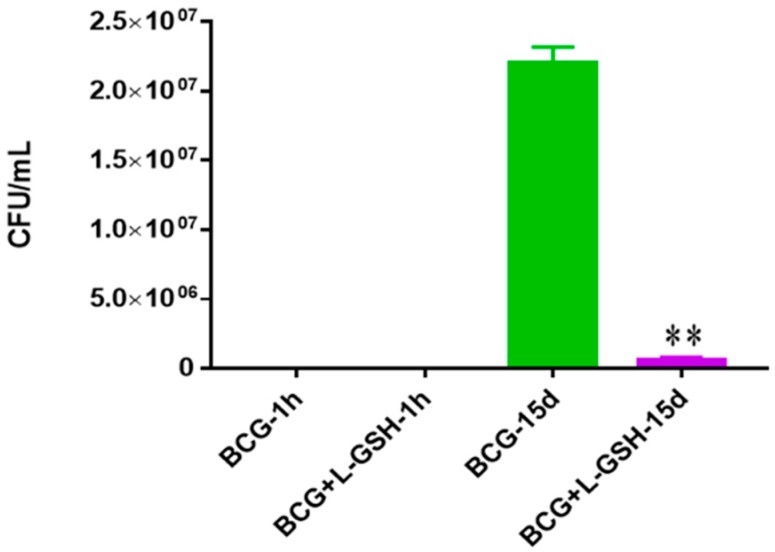
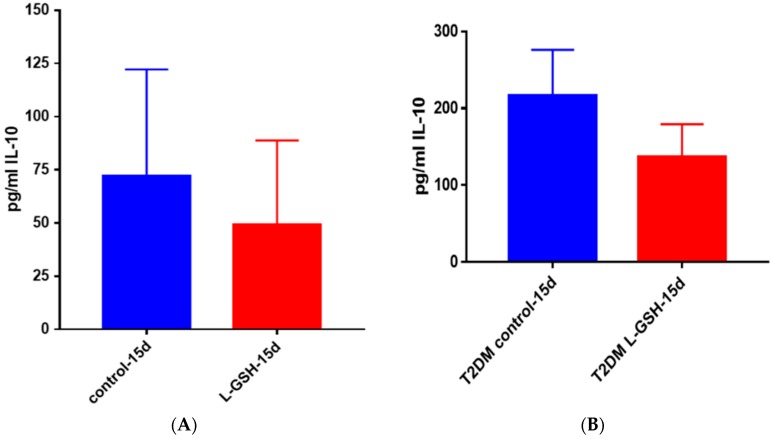
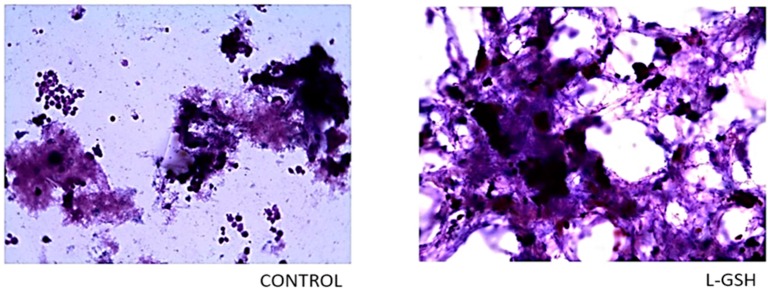
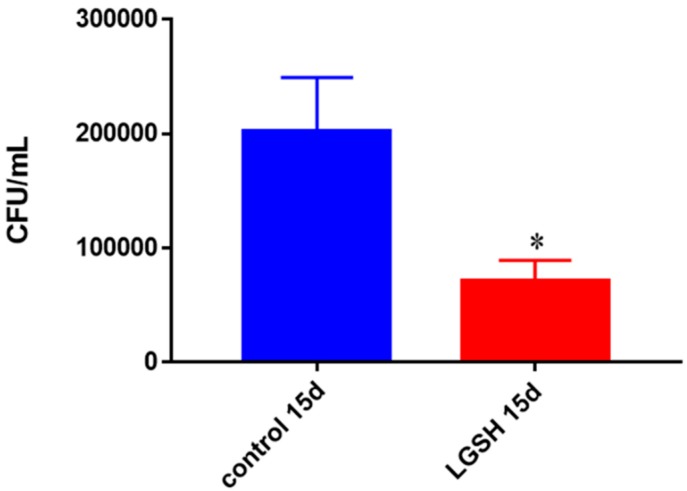
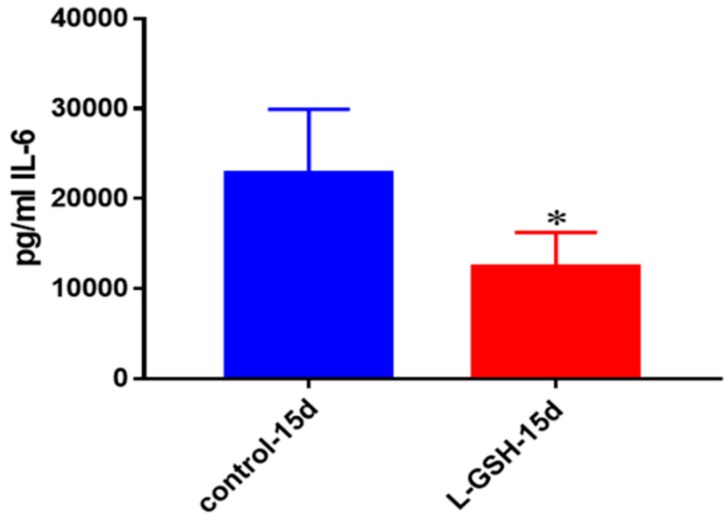
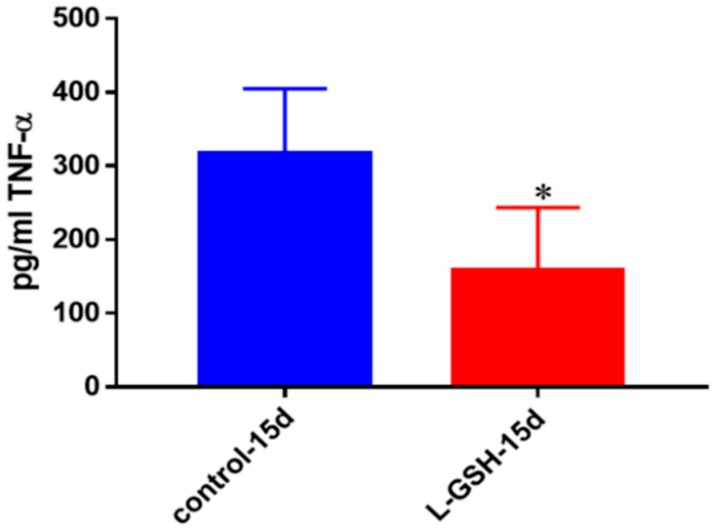
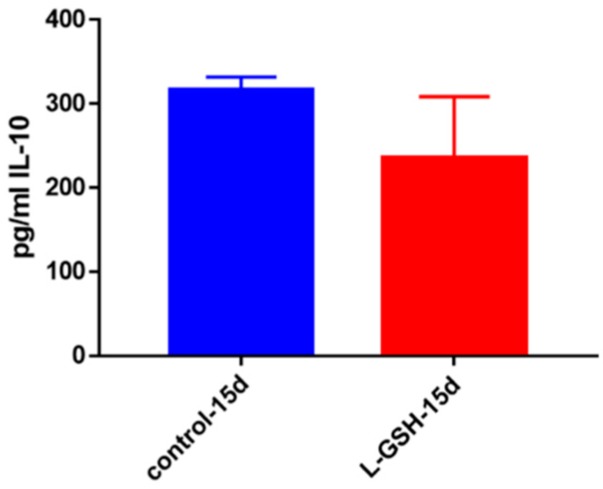
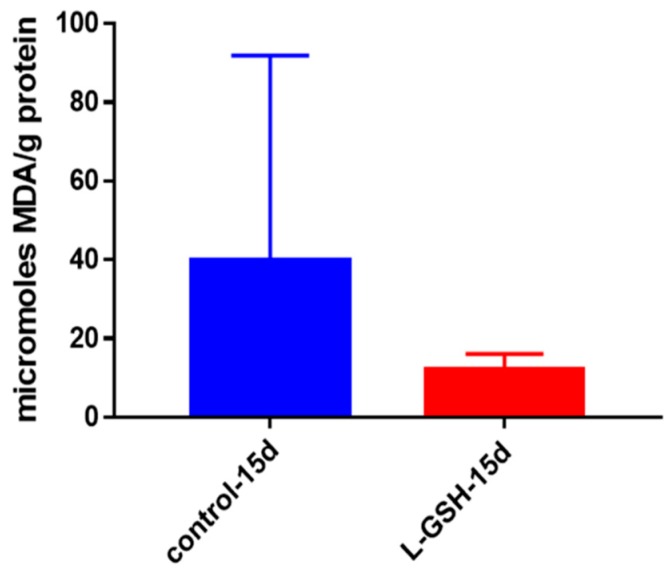
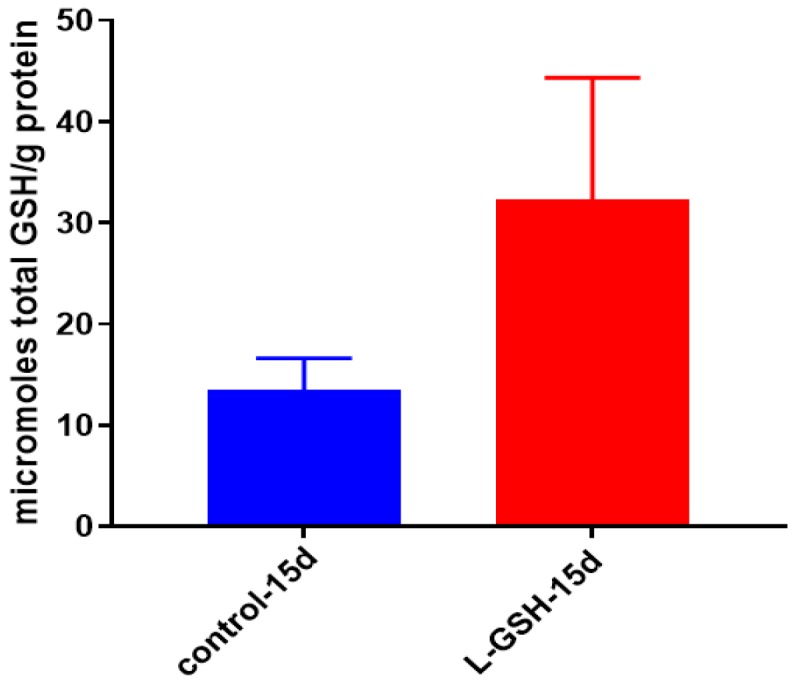
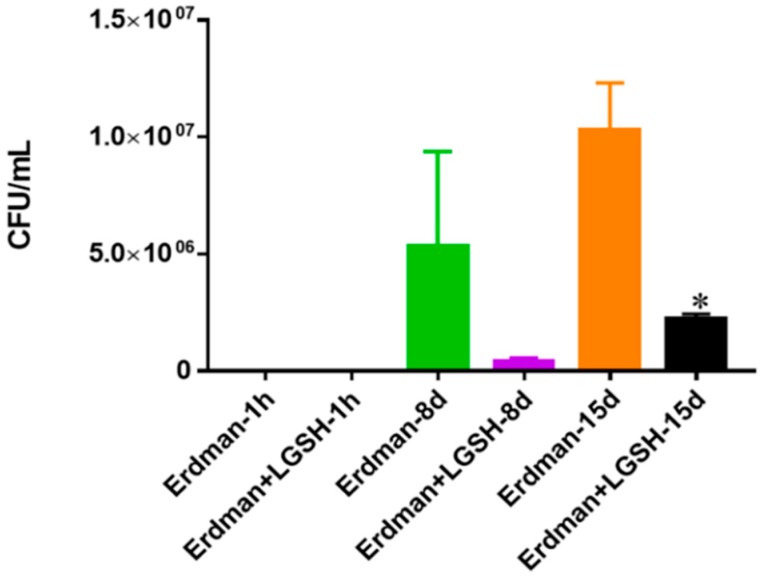
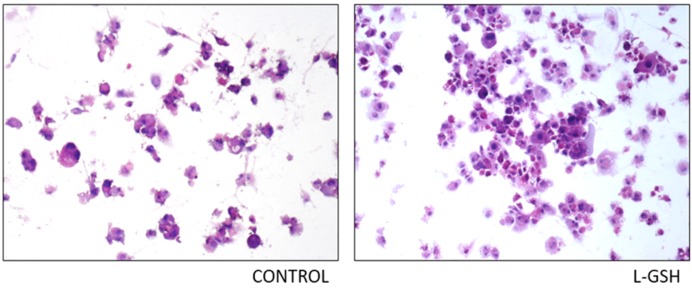
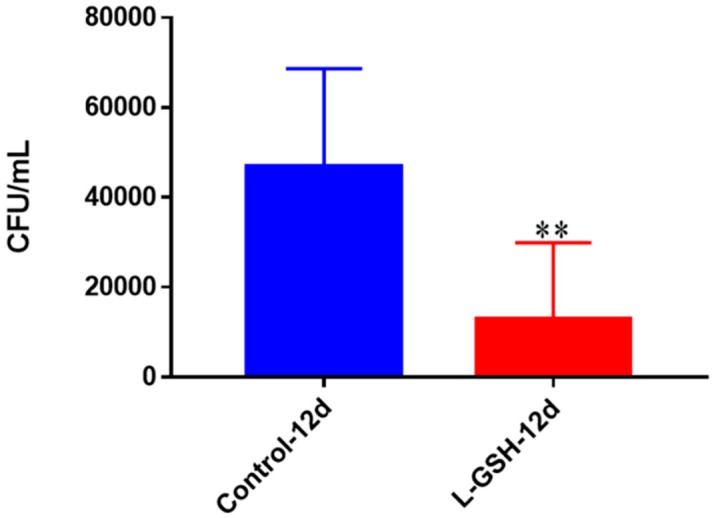
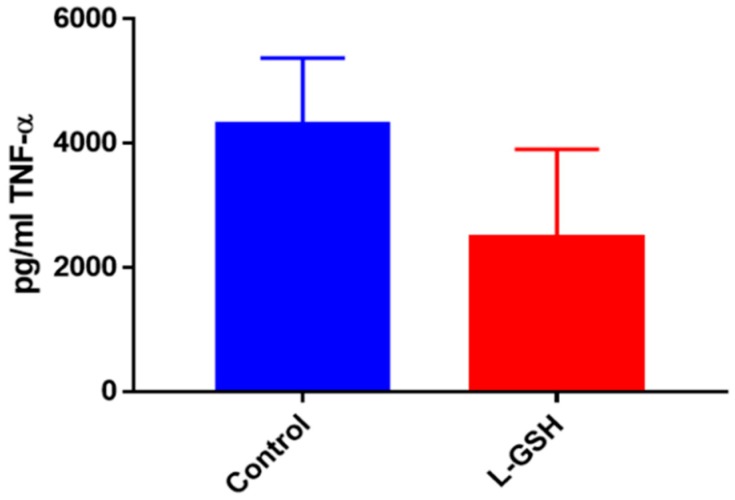
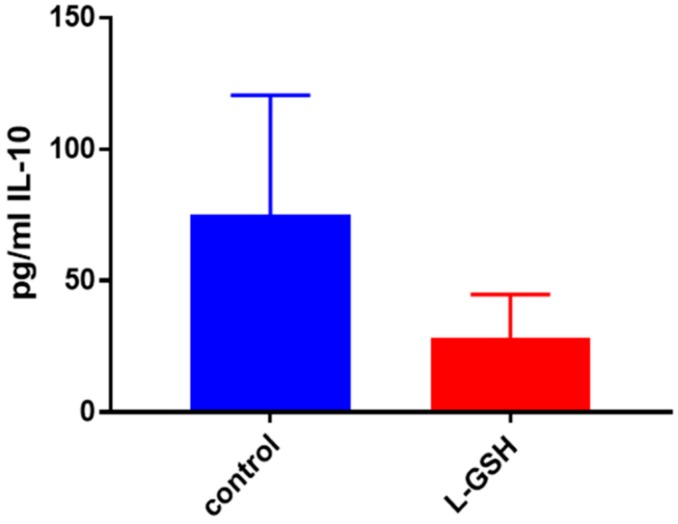
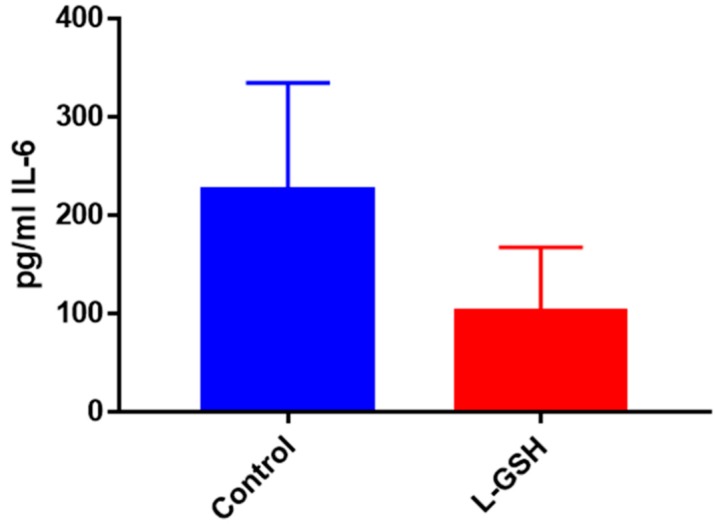
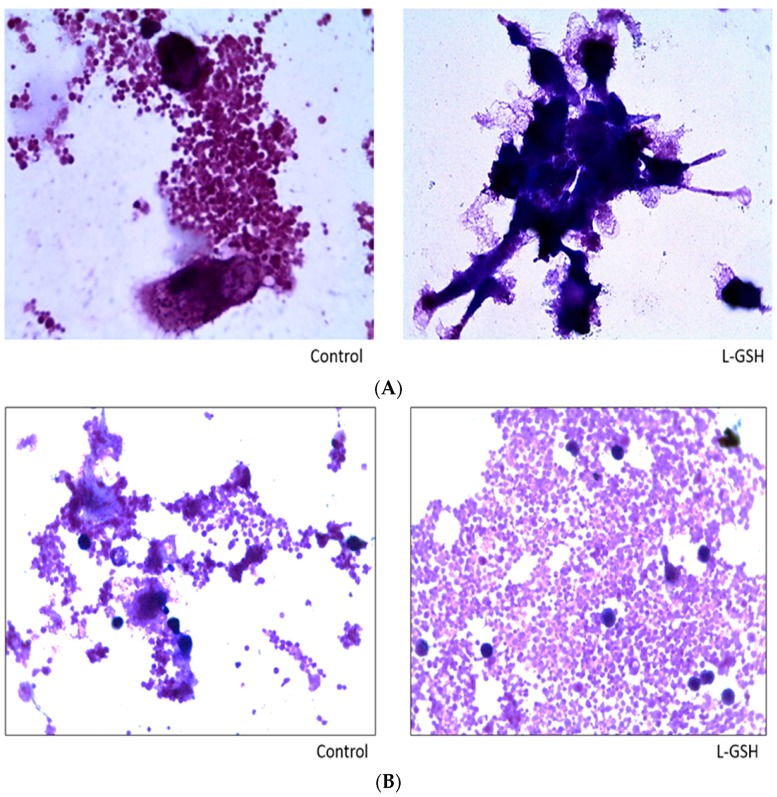
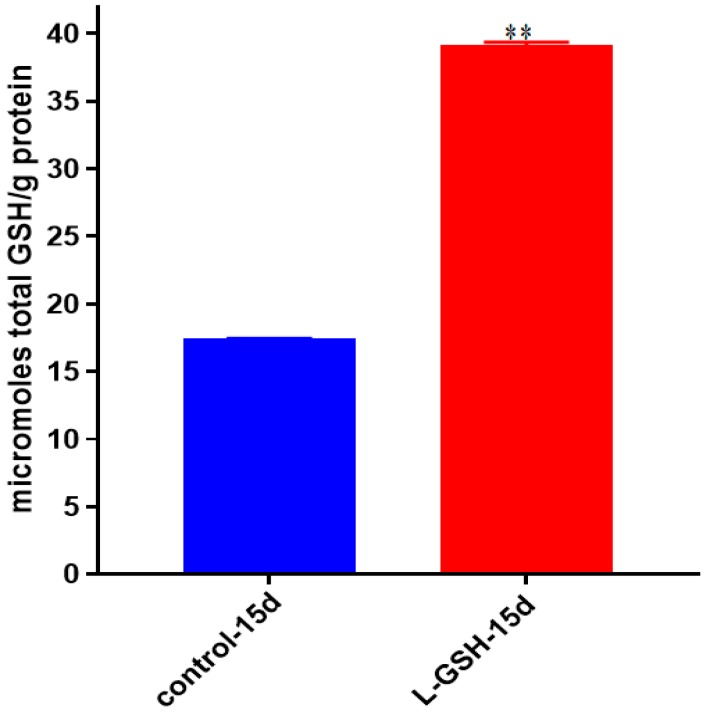
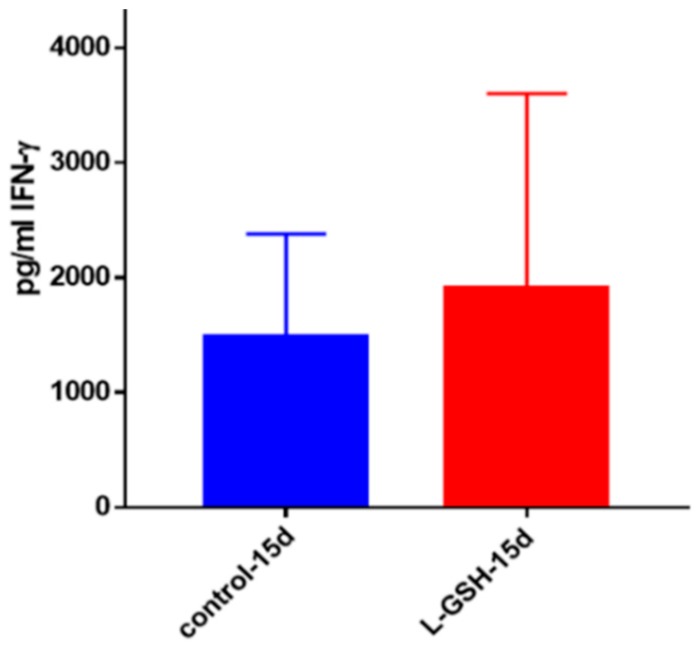
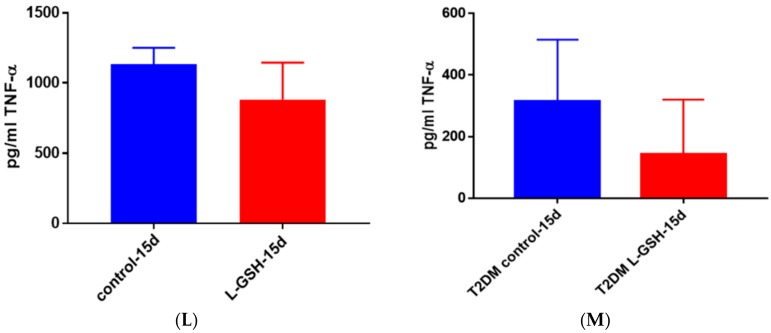
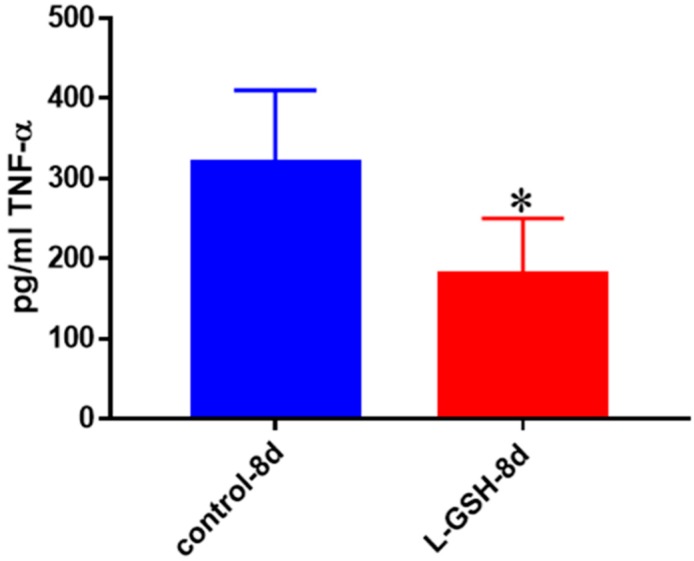
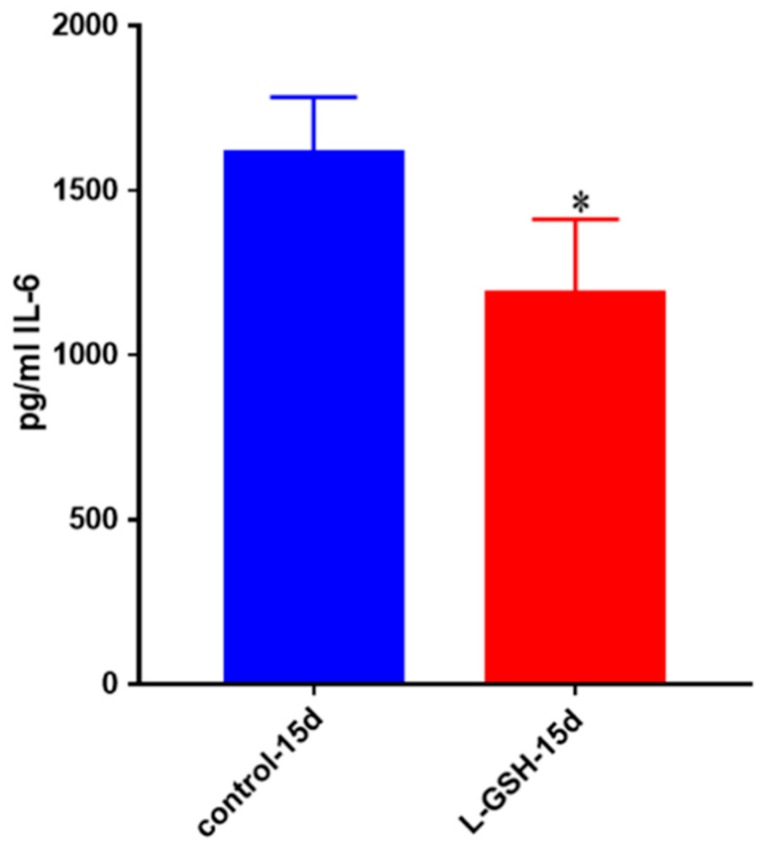
(), a rod-shaped acid-fast bacterium, is the causative agent of tuberculosis (TB). TB remains one of the leading causes of morbidity and mortality worldwide. Additionally, approximately one-third of the world's population has latent tuberculosis infection (LTBI) as a result of the body's primary mechanism of defense against infection, the formation of a granuloma. A granuloma is the aggregation of immune cells that encapsulate the bacteria to keep them localized to prevent further infection and thus the bacteria become quiescent. However, if an individual becomes immunocompromised, they become more susceptible to , which may lead to bacterial reactivation and an active infection, because the host is no longer able to generate adequate immune responses. In this study, we examined liposomal glutathione's (L-GSH) effectiveness in promoting the formation of solid, stable granulomas. We assessed this ability by generating in vitro human granulomas constructed from peripheral blood mononuclear cells (PBMCs) that were derived from healthy subjects and testing their granulomatous effector responses against both bacille Calmette-Guérin (BCG) and the highly virulent Erdman strain of . Additionally, we measured the survival and immune characteristics of the Erdman strain of in THP-1 originated macrophages as well as in vitro granulomas generated from individuals from type 2 diabetes (T2DM). Our results demonstrate that L-GSH treatment can decrease the intracellular survival of both BCG and virulent , as well as downregulate the levels of overexpressed proinflammatory cytokines delegated from the granulomas derived from not only healthy subjects but also individuals with T2DM.
结核分枝杆菌是一种杆状抗酸菌,是结核病(TB)的病原体。结核病仍然是全球发病和死亡的主要原因之一。此外,由于人体抵御感染的主要防御机制——肉芽肿的形成,全球约三分之一的人口患有潜伏性结核感染(LTBI)。肉芽肿是免疫细胞的聚集物,它包裹细菌,使其局限在局部以防止进一步感染,从而使细菌进入静止状态。然而,如果个体免疫功能低下,他们就更容易感染结核分枝杆菌,这可能导致细菌重新激活并引发活动性感染,因为宿主不再能够产生足够的免疫反应。在本研究中,我们检测了脂质体谷胱甘肽(L-GSH)在促进形成坚实、稳定肉芽肿方面的有效性。我们通过用来自健康受试者的外周血单核细胞(PBMC)构建体外人肉芽肿,并测试它们对卡介苗(BCG)和高毒力结核分枝杆菌埃尔德曼菌株的肉芽肿效应反应来评估这种能力。此外,我们还测量了结核分枝杆菌埃尔德曼菌株在THP-1来源的巨噬细胞以及2型糖尿病(T2DM)患者体外肉芽肿中的存活情况和免疫特征。我们的结果表明,L-GSH处理可以降低BCG和有毒力结核分枝杆菌的细胞内存活率,并下调不仅来自健康受试者而且来自T2DM患者的肉芽肿中过度表达的促炎细胞因子水平。