Department of Environmental & Molecular Toxicology, Environmental Health Sciences Center, Sinnhuber Aquatic Research Laboratory, Oregon State University, Corvallis, OR, United States of America.
College of Veterinary Medicine, Oregon State University, Corvallis, OR, United States of America.
PLoS One. 2018 Mar 1;13(3):e0193484. doi: 10.1371/journal.pone.0193484. eCollection 2018.
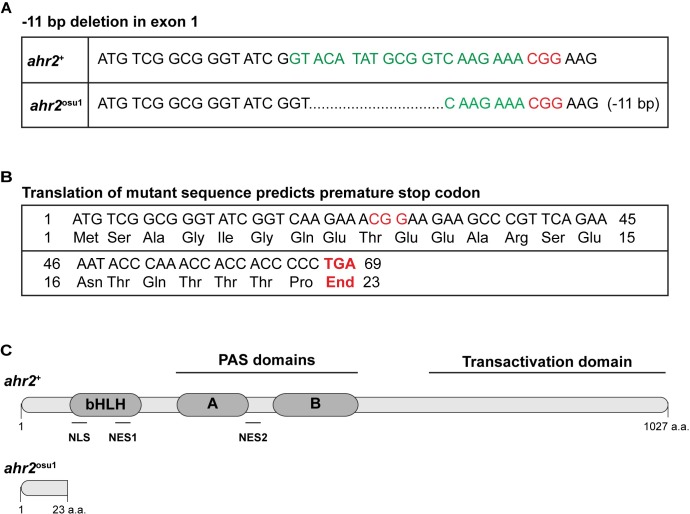
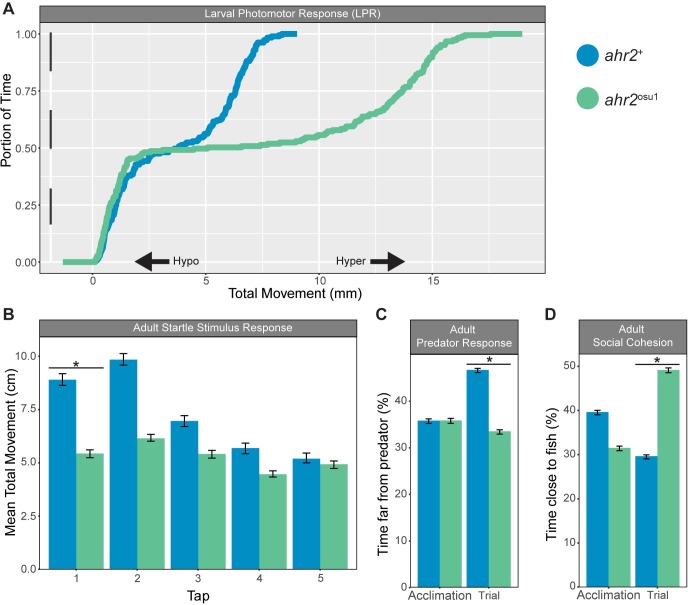
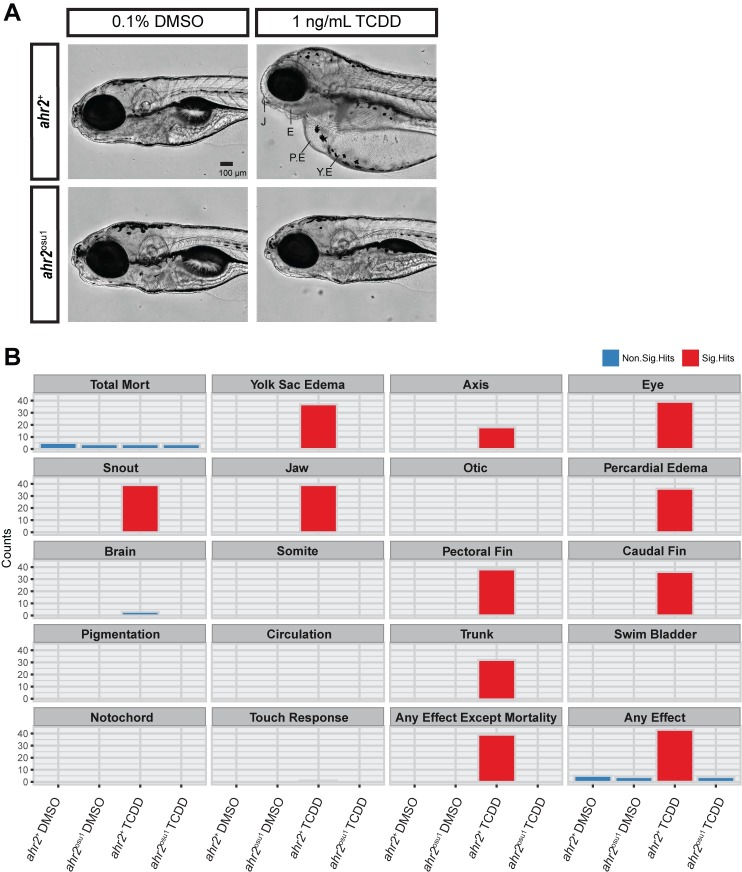
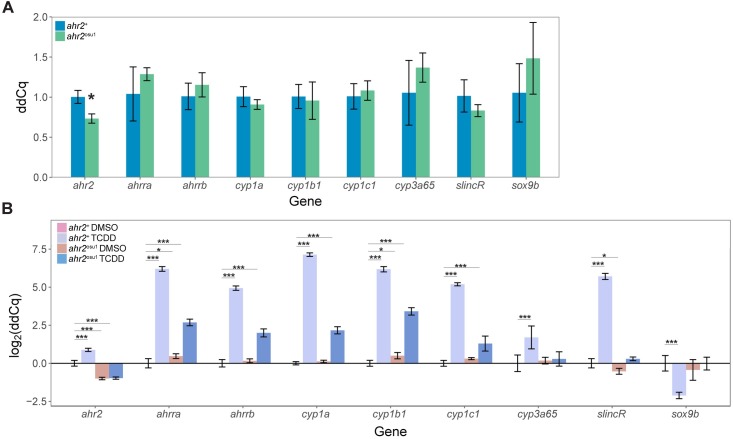
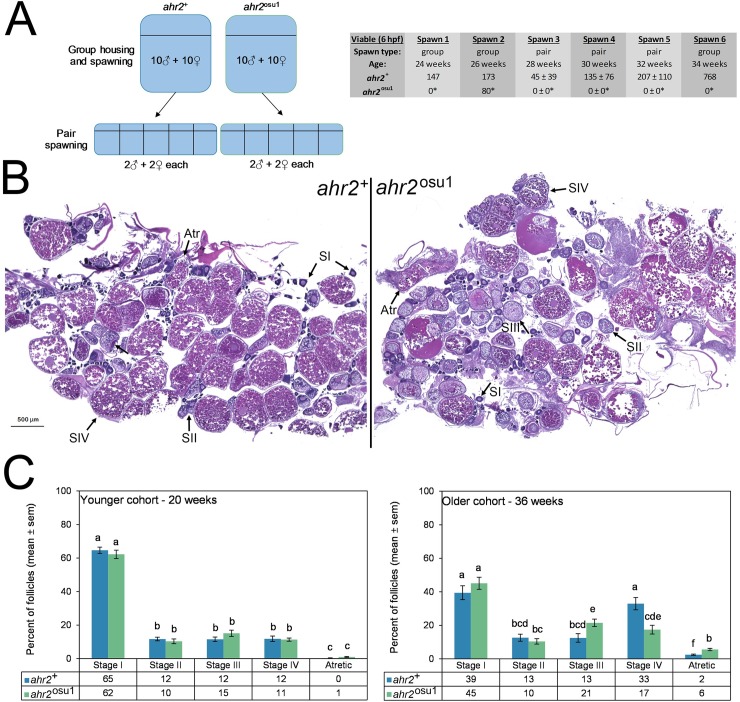
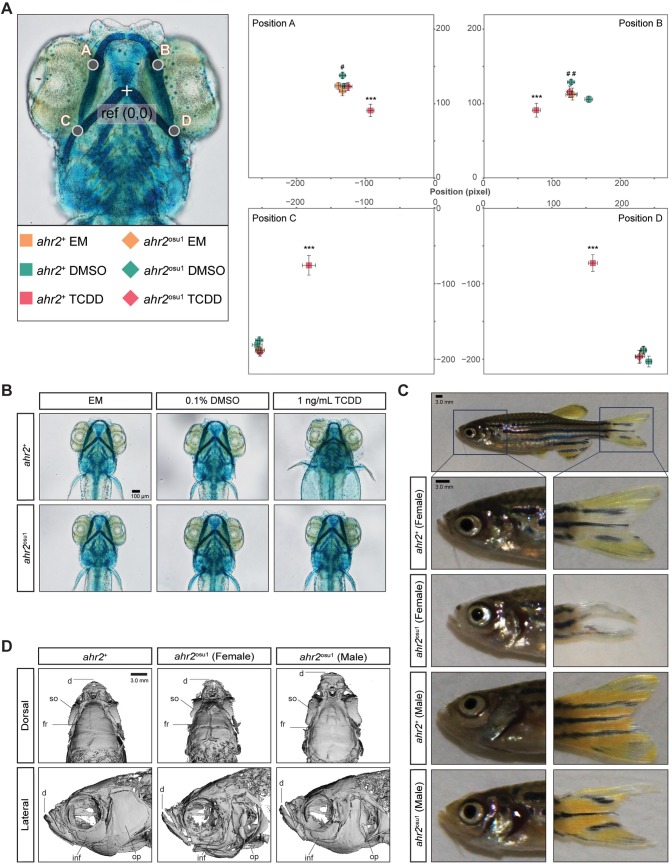
The aryl hydrocarbon receptor (AHR) is a conserved ligand-activated transcription factor required for proper vertebrate development and homeostasis. The inappropriate activation of AHR by ubiquitous pollutants can lead to adverse effects on wildlife and human health. The zebrafish is a powerful model system that provides a vertebrate data stream that anchors hypothesis at the genetic and cellular levels to observations at the morphological and behavioral level, in a high-throughput format. In order to investigate the endogenous functions of AHR, we generated an AHR2 (homolog of human AHR)-null zebrafish line (ahr2osu1) using the clustered, regulatory interspaced, short palindromic repeats (CRISPR)-Cas9 precision genome editing method. In zebrafish, 2,3,7,8-tetrachlorodibenzo-p-dioxin (TCDD) mediated toxicity requires AHR2. The AHR2-null line was resistant to TCDD-induced toxicity, indicating the line can be used to investigate the biological and toxicological functions of AHR2. The AHR2-null zebrafish exhibited decreased survival and fecundity compared to the wild type line. At 36 weeks, histological evaluations of the AHR2-null ovaries revealed a reduction of mature follicles when compared to wild type ovaries, suggesting AHR2 regulates follicle growth in zebrafish. AHR2-null adults had malformed cranial skeletal bones and severely damaged fins. Our data suggests AHR2 regulates some aspect(s) of neuromuscular and/or sensory system development, with impaired behavioral responses observed in larval and adult AHR2-null zebrafish. This study increases our understanding of the endogenous functions of AHR, which may help foster a better understanding of the target organs and molecular mechanisms involved in AHR-mediated toxicities.
芳香烃受体(AHR)是一种保守的配体激活转录因子,对于脊椎动物的正常发育和内稳态至关重要。无处不在的污染物对 AHR 的不适当激活可能会对野生动物和人类健康产生不利影响。斑马鱼是一种强大的模型系统,它提供了一个脊椎动物数据流,将遗传和细胞水平的假设与形态和行为水平的观察联系起来,以高通量的格式进行。为了研究 AHR 的内源性功能,我们使用聚类、调节间隔短回文重复序列(CRISPR)-Cas9 精确基因组编辑方法生成了 AHR2(人类 AHR 的同源物)缺失斑马鱼系(ahr2osu1)。在斑马鱼中,2,3,7,8-四氯二苯并-p-二恶英(TCDD)介导的毒性需要 AHR2。AHR2 缺失系对 TCDD 诱导的毒性具有抗性,表明该系可用于研究 AHR2 的生物学和毒理学功能。与野生型系相比,AHR2 缺失斑马鱼的存活率和繁殖力下降。在 36 周时,与野生型卵巢相比,AHR2 缺失卵巢的组织学评估显示成熟卵泡减少,表明 AHR2 调节斑马鱼卵泡生长。AHR2 缺失的成年鱼有畸形的颅骨骨骼和严重受损的鳍。我们的数据表明 AHR2 调节了神经肌肉和/或感觉系统发育的某些方面,在 AHR2 缺失的斑马鱼幼鱼和成年鱼中观察到行为反应受损。这项研究增加了我们对 AHR 内源性功能的理解,这可能有助于更好地理解 AHR 介导的毒性的靶器官和分子机制。