Sunil M A, Sunitha V S, Radhakrishnan E K, Jyothis M
School of Biosciences, Mahatma Gandhi University, Kottayam 686560, Kerala, India.
School of Biosciences, Mahatma Gandhi University, Kottayam 686560, Kerala, India.
J Ayurveda Integr Med. 2019 Jul-Sep;10(3):185-191. doi: 10.1016/j.jaim.2017.10.010. Epub 2018 Aug 30.
Acacia catechu has been widely used in Ayurveda for treating many diseases. Its heartwood extract is used in asthma, cough, bronchitis, colic, diarrhea, dysentery, boils, skin afflictions, sores and for stomatitis. The decoction of heartwood is used for drinking purpose in southern part of India especially in Kerala.
The current study was carried out to evaluate immunomodulatory effects of heartwood extracts of A. catechu in Swiss albino mice.
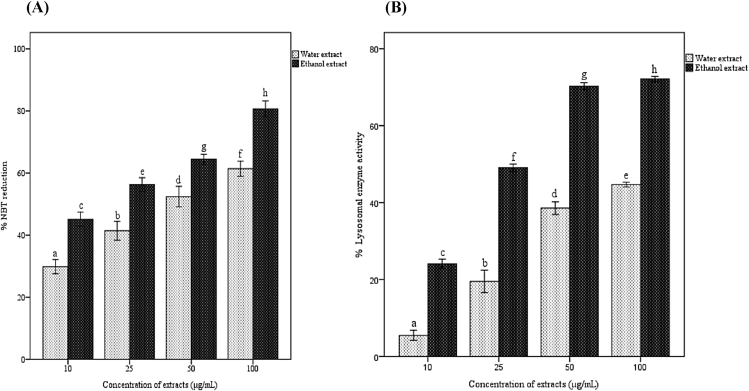
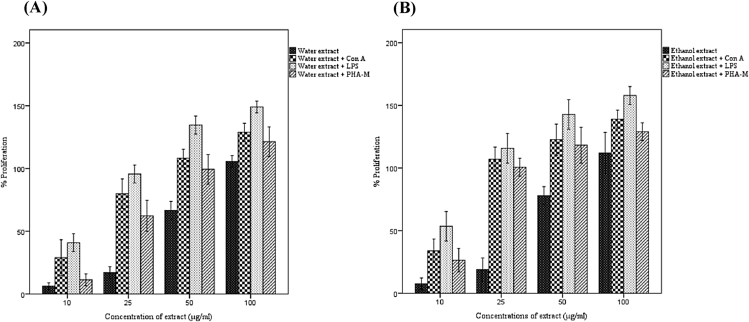
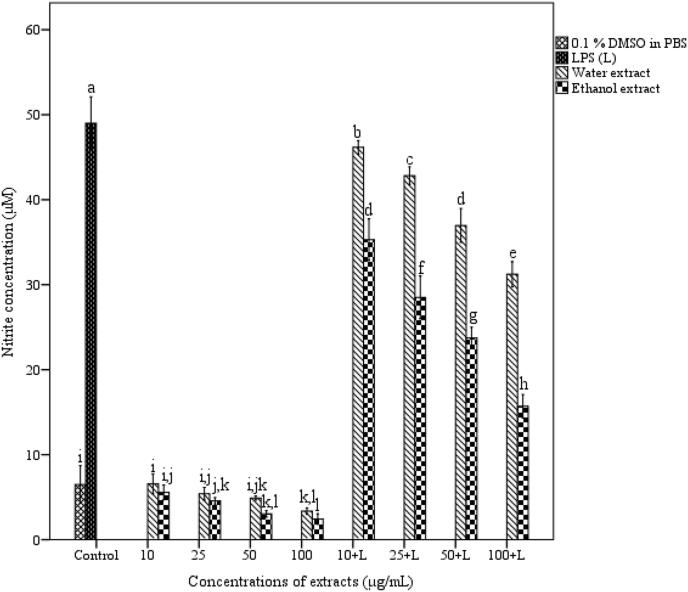
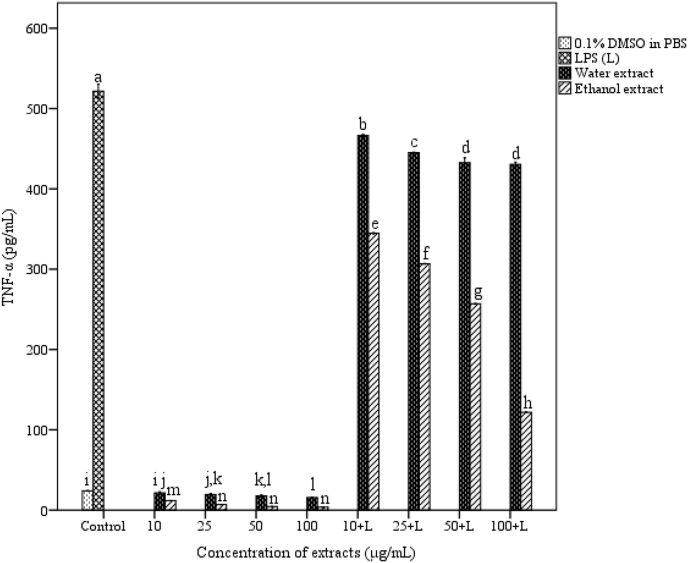
In vivo immunomodulatory activity was analyzed by hemagglutinating antibody (HA) titer, plaque forming cell assay and delayed type hypersensitivity (DTH). In vitro immunomodulatory potential of the extracts was studied using peritoneal macrophages and splenocytes from mice. Effect of extracts on phagocytic activity of macrophages was analyzed by nitroblue tetrazolium (NBT) reduction assay and cellular lysosomal enzyme assay. Anti-inflammatory activity was studied by nitric oxide (NO) assay and production of TNF-α and IL-10.
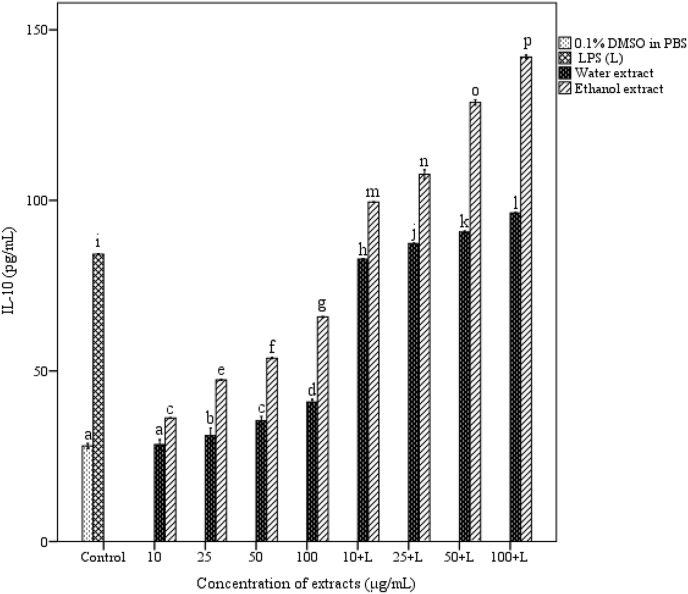
A dose dependent increase in antibody titer was observed with extracts treatment. Treatment with extracts produced an enhancement in the number of antibody producing cells in the spleen. DTH reaction was significantly decreased with extracts treatment. An increased phagocytic response was shown by peritoneal macrophages on treatment with the extracts as evidenced by its effect on NBT reduction and cellular lysosomal enzyme activity. The extracts inhibited the release of pro-inflammatory cytokine TNF-α and the production of NO. IL-10 production was significantly increased after extract treatment.
The results of the present study indicate the immunomodulatory effects of A. catechu extracts on humoral, cell mediated and non-specific immune functions.
儿茶在阿育吠陀医学中已被广泛用于治疗多种疾病。其心材提取物用于治疗哮喘、咳嗽、支气管炎、绞痛、腹泻、痢疾、疖子、皮肤病、溃疡以及口腔炎。在印度南部,尤其是喀拉拉邦,心材煎剂被用作饮品。
开展本研究以评估儿茶心材提取物对瑞士白化小鼠的免疫调节作用。
通过血凝抗体(HA)滴度、空斑形成细胞测定和迟发型超敏反应(DTH)分析体内免疫调节活性。使用小鼠的腹腔巨噬细胞和脾细胞研究提取物的体外免疫调节潜力。通过硝基蓝四氮唑(NBT)还原测定和细胞溶酶体酶测定分析提取物对巨噬细胞吞噬活性的影响。通过一氧化氮(NO)测定以及肿瘤坏死因子-α(TNF-α)和白细胞介素-10(IL-10)的产生研究抗炎活性。
提取物处理后观察到抗体滴度呈剂量依赖性增加。提取物处理使脾脏中产生抗体的细胞数量增加。提取物处理后DTH反应显著降低。提取物处理后腹腔巨噬细胞的吞噬反应增强,这通过其对NBT还原和细胞溶酶体酶活性的影响得以证明。提取物抑制促炎细胞因子TNF-α的释放和NO的产生。提取物处理后IL-10的产生显著增加。
本研究结果表明儿茶提取物对体液免疫、细胞介导免疫和非特异性免疫功能具有免疫调节作用。