Xiong Sang, Xiao Gong-Wei
Department of Oncology, Xuhui District Central Hospital, Shanghai 200031, P.R. China.
Exp Ther Med. 2018 Apr;15(4):3751-3758. doi: 10.3892/etm.2018.5912. Epub 2018 Feb 28.
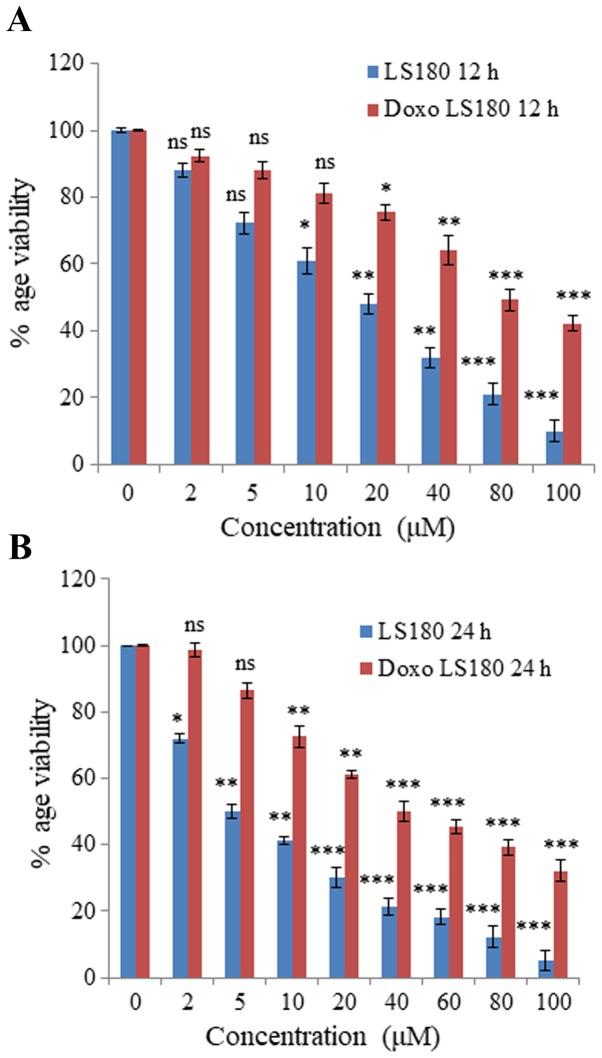
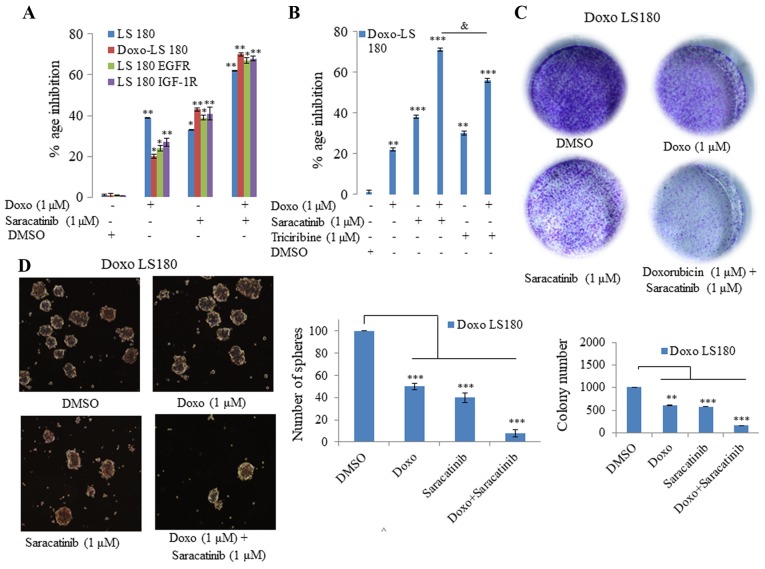
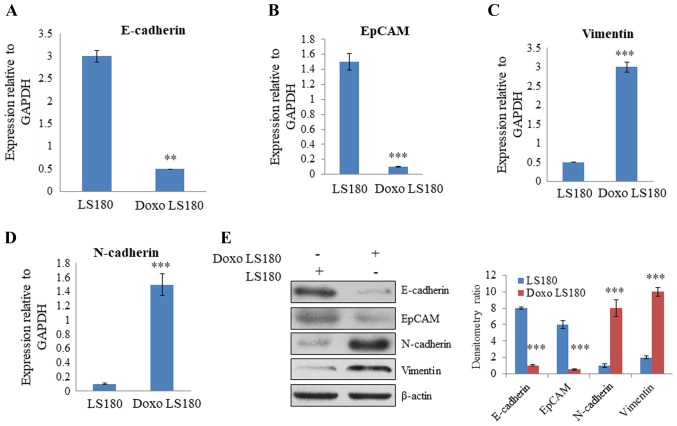
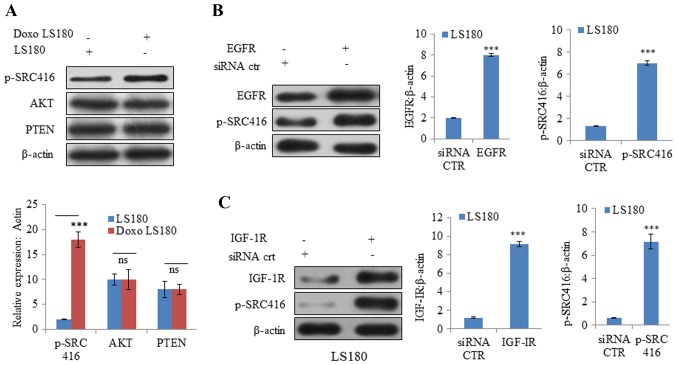
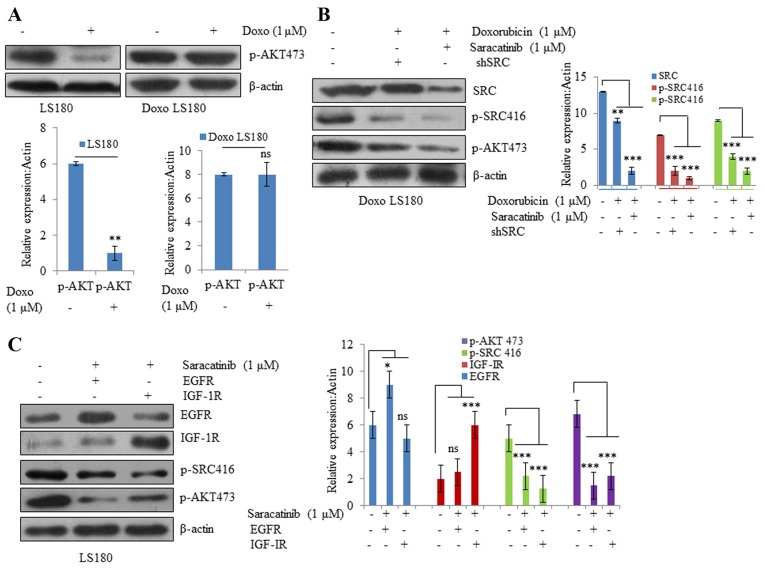
Although there have been notable improvements in treatments against cancer, further research is required. In colon cancer, nearly all patients eventually experience drug resistance and stop responding to the approved drugs, making treatment difficult. Steroid receptor coactivator (SRC) is an oncogenic nuclear receptor coactivator that serves an important role in drug resistance. The present study generated a doxorubicin-resistant colon cancer cell line, in which the upregulation/activation of SRC was responsible for drug resistance, which in turn activated AKT. Overexpression of receptor tyrosine kinase-like epidermal growth factor receptor and insulin-like growth factor 1 receptor also induced SRC expression. It was observed that doxorubicin resistance in colon cancer also induced epithelial to mesenchymal transition, a decrease in expression of epithelial marker E-cadherin and an increase in the expression of mesenchymal markers, including N-cadherin and vimentin. Additionally, the present study indicated that SRC acts as a common signaling node, and inhibiting SRC in combination with doxorubicin treatment in doxorubicin-resistant cells aids in reversing the resistance. Thus, the present study suggests that activation of SRC is responsible for doxorubicin resistance in colon cancer. However, further research is required to understand the complete mechanism of how drug resistance occurs and how it may be tackled to treat patients.
尽管在癌症治疗方面已有显著改善,但仍需进一步研究。在结肠癌中,几乎所有患者最终都会产生耐药性,不再对获批药物产生反应,这使得治疗变得困难。类固醇受体共激活因子(SRC)是一种致癌性核受体共激活因子,在耐药性中起重要作用。本研究构建了一种阿霉素耐药的结肠癌细胞系,其中SRC的上调/激活导致耐药性,进而激活AKT。受体酪氨酸激酶样表皮生长因子受体和胰岛素样生长因子1受体的过表达也诱导了SRC的表达。研究发现,结肠癌中的阿霉素耐药性还诱导上皮-间质转化,上皮标志物E-钙黏蛋白表达降低,间质标志物包括N-钙黏蛋白和波形蛋白的表达增加。此外,本研究表明SRC作为一个共同的信号节点,在阿霉素耐药细胞中抑制SRC并联合阿霉素治疗有助于逆转耐药性。因此,本研究表明SRC的激活是结肠癌阿霉素耐药的原因。然而,需要进一步研究以了解耐药性产生的完整机制以及如何解决耐药性问题来治疗患者。