Chancellery, Macquarie University, Sydney, NSW 2109, Australia.
Institute for Systems Genetics and Department of Biochemistry and Molecular Pharmacology, NYU Langone Health, New York, NY 10016, USA.
FEMS Yeast Res. 2018 Jun 1;18(4). doi: 10.1093/femsyr/foy032.
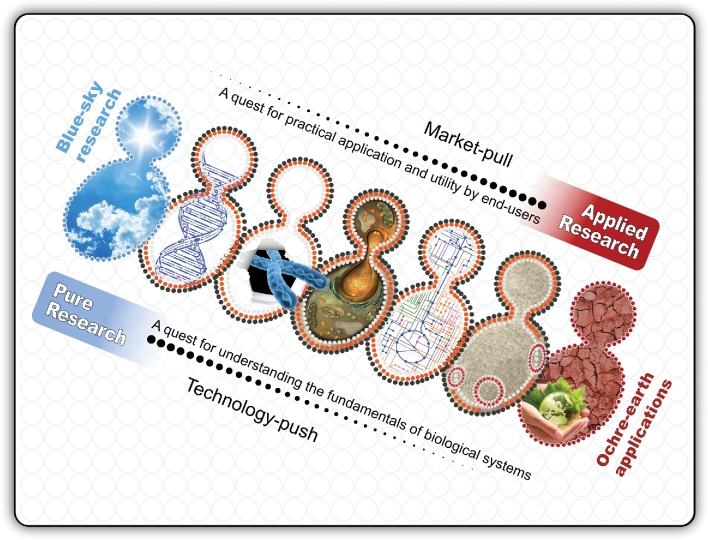
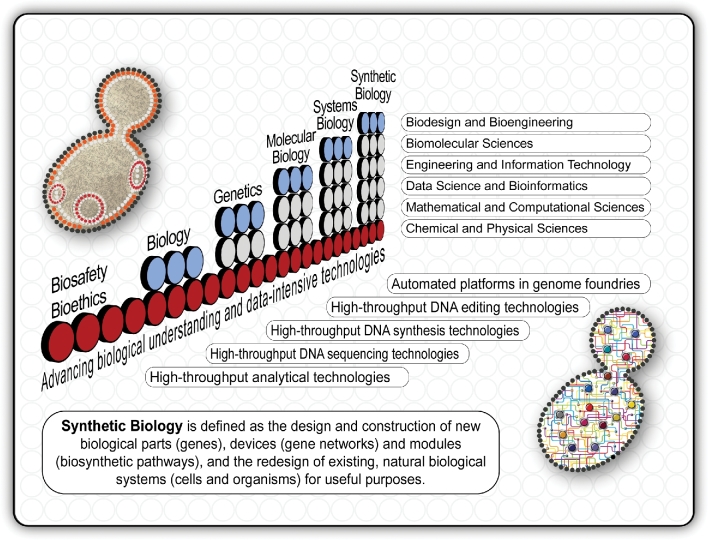
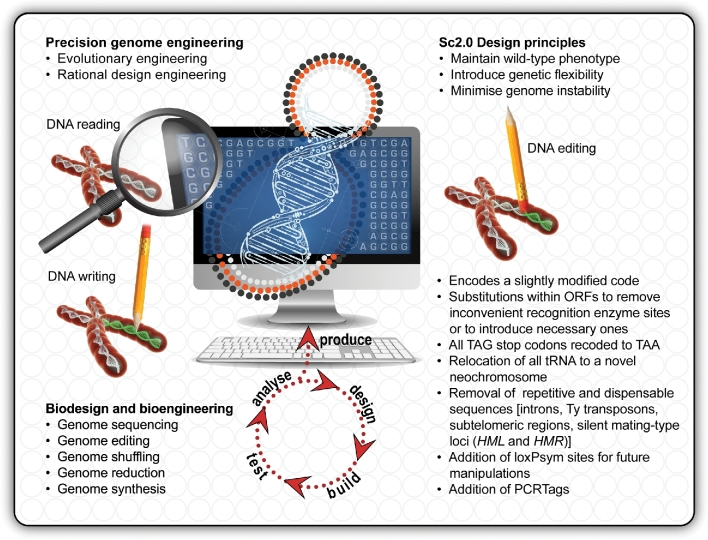
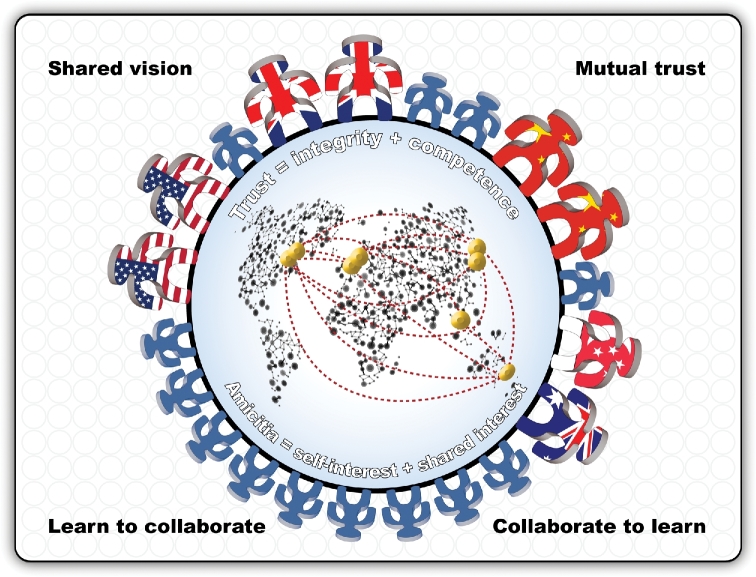
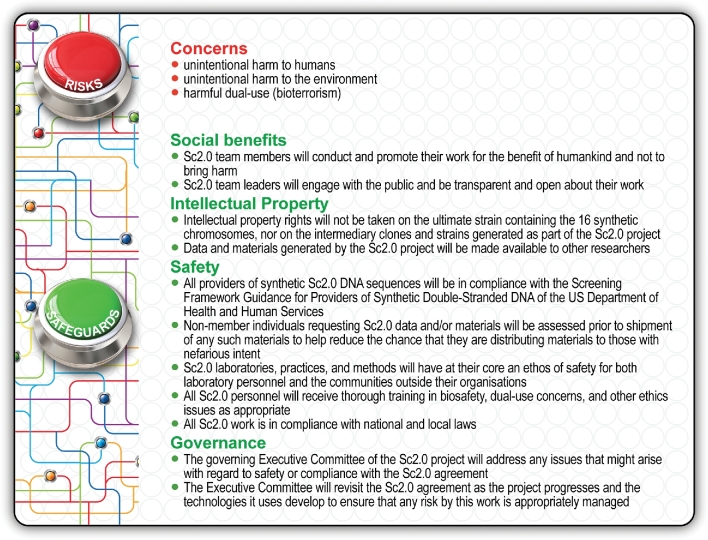
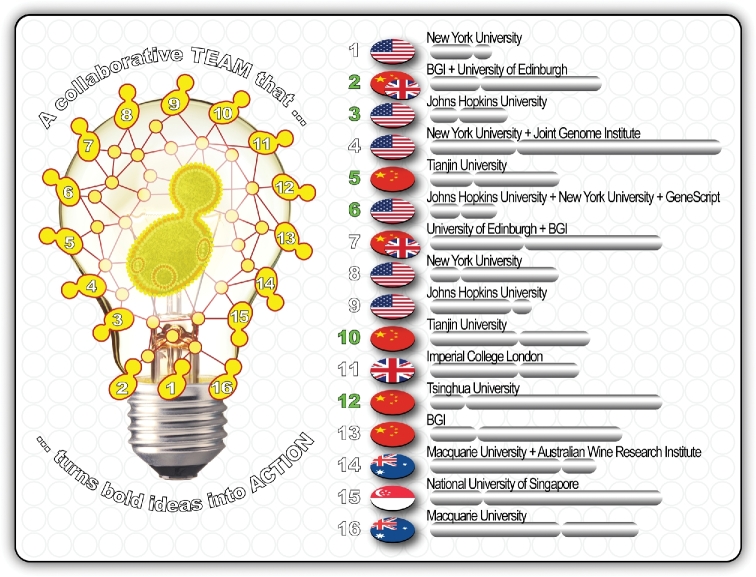
Historians of the future may well describe 2018 as the year that the world's first functional synthetic eukaryotic genome became a reality. Without the benefit of hindsight, it might be hard to completely grasp the long-term significance of a breakthrough moment in the history of science like this. The role of synthetic biology in the imminent birth of a budding Saccharomyces cerevisiae yeast cell carrying 16 man-made chromosomes causes the world of science to teeter on the threshold of a future-defining scientific frontier. The genome-engineering tools and technologies currently being developed to produce the ultimate yeast genome will irreversibly connect the dots between our improved understanding of the fundamentals of a complex cell containing its DNA in a specialised nucleus and the application of bioengineered eukaryotes designed for advanced biomanufacturing of beneficial products. By joining up the dots between the findings and learnings from the international Synthetic Yeast Genome project (known as the Yeast 2.0 or Sc2.0 project) and concurrent advancements in biodesign tools and smart data-intensive technologies, a future world powered by a thriving bioeconomy seems realistic. This global project demonstrates how a collaborative network of dot connectors-driven by a tinkerer's indomitable curiosity to understand how things work inside a eukaryotic cell-are using cutting-edge biodesign concepts and synthetic biology tools to advance science and to positively frame human futures (i.e. improved quality of life) in a planetary context (i.e. a sustainable environment). Explorations such as this have a rich history of resulting in unexpected discoveries and unanticipated applications for the benefit of people and planet. However, we must learn from past explorations into controversial futuristic sciences and ensure that researchers at the forefront of an emerging science such as synthetic biology remain connected to all stakeholders' concerns about the biosafety, bioethics and regulatory aspects of their pioneering work. This article presents a shared vision of constructing a synthetic eukaryotic genome in a safe model organism by using novel concepts and advanced technologies. This multidisciplinary and collaborative project is conducted under a sound governance structure that does not only respect the scientific achievements and lessons from the past, but that is also focussed on leading the present and helping to secure a brighter future for all.
未来的历史学家很可能将 2018 年描述为世界上第一个功能性合成真核基因组成为现实的一年。没有后见之明,人们可能很难完全理解科学史上这样一个突破时刻的长期意义。合成生物学在即将诞生的携带 16 个人造染色体的酿酒酵母细胞中的作用使科学世界处于定义未来的科学前沿的门槛上。目前正在开发的基因组工程工具和技术将不可逆转地将我们对包含其 DNA 的复杂细胞的基本原理的理解与设计用于有益产品的先进生物制造的生物工程真核生物联系起来。通过连接国际合成酵母基因组计划(称为 Yeast 2.0 或 Sc2.0 项目)的发现和学习以及生物设计工具和智能数据密集型技术的同时进展,一个由蓬勃发展的生物经济驱动的未来世界似乎是现实的。这个全球项目展示了一群由创新者的不屈不挠的好奇心驱动的点连接者,他们渴望了解真核细胞内部的工作原理,如何利用最先进的生物设计概念和合成生物学工具来推进科学,并在行星背景下(即可持续环境)积极构建人类的未来(即提高生活质量)。这样的探索有着丰富的历史,为人类和地球带来了意想不到的发现和意想不到的应用。然而,我们必须从过去对有争议的未来科学的探索中吸取教训,并确保处于合成生物学等新兴科学前沿的研究人员与所有利益相关者就其开创性工作的生物安全、生物伦理和监管方面的问题保持联系。本文提出了在安全的模式生物中构建合成真核基因组的共享愿景,使用新颖的概念和先进的技术。这个多学科和协作的项目是在健全的治理结构下进行的,不仅尊重过去的科学成就和经验教训,而且还专注于引领现在,为所有人创造更美好的未来。