Research Institute of Molecular Pathology, Vienna, Austria.
Elife. 2018 Apr 13;7:e30187. doi: 10.7554/eLife.30187.
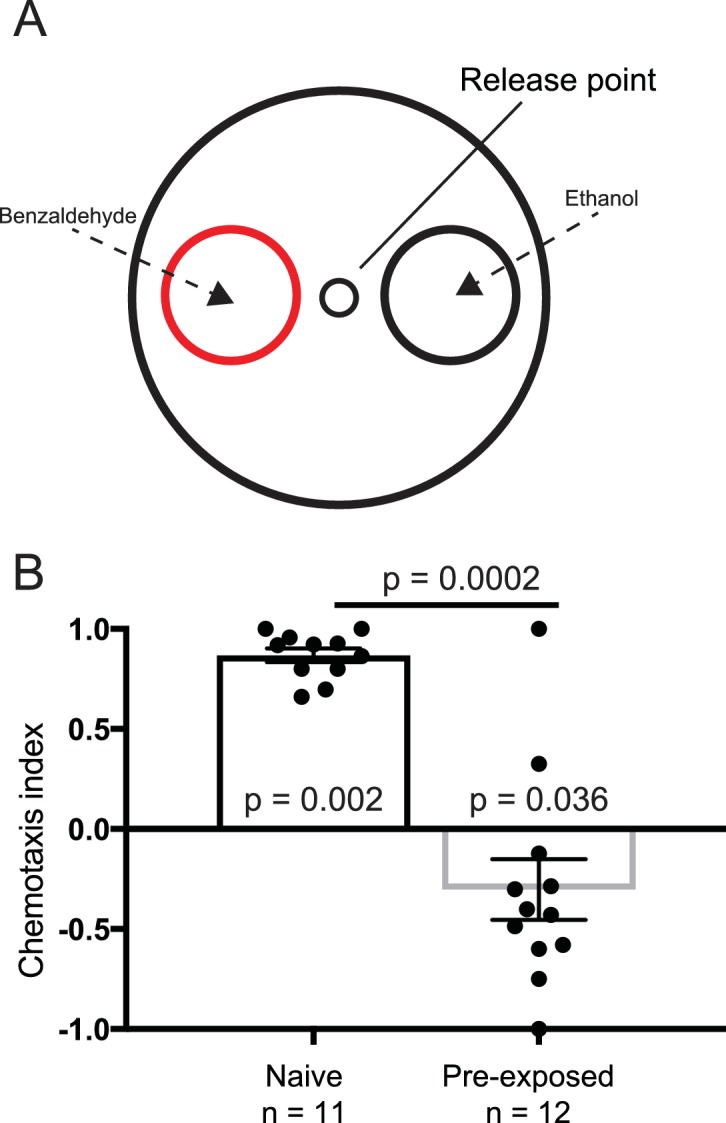
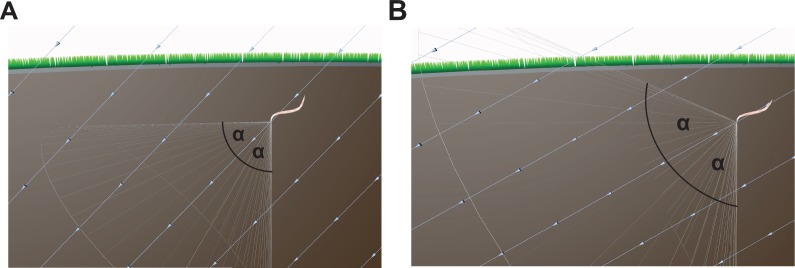
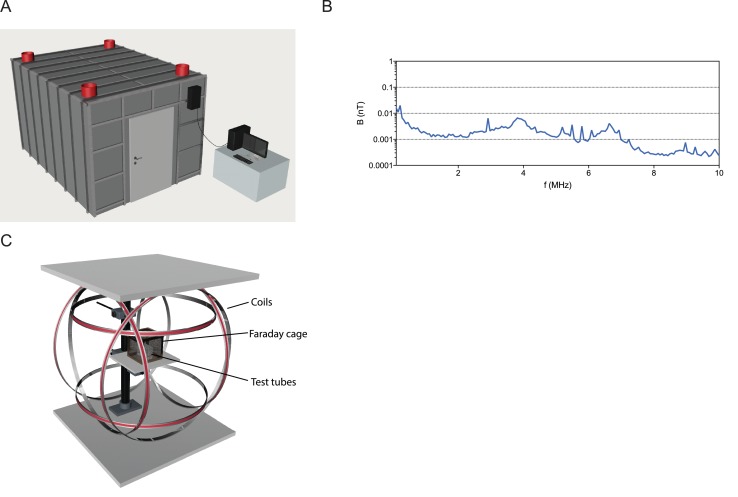
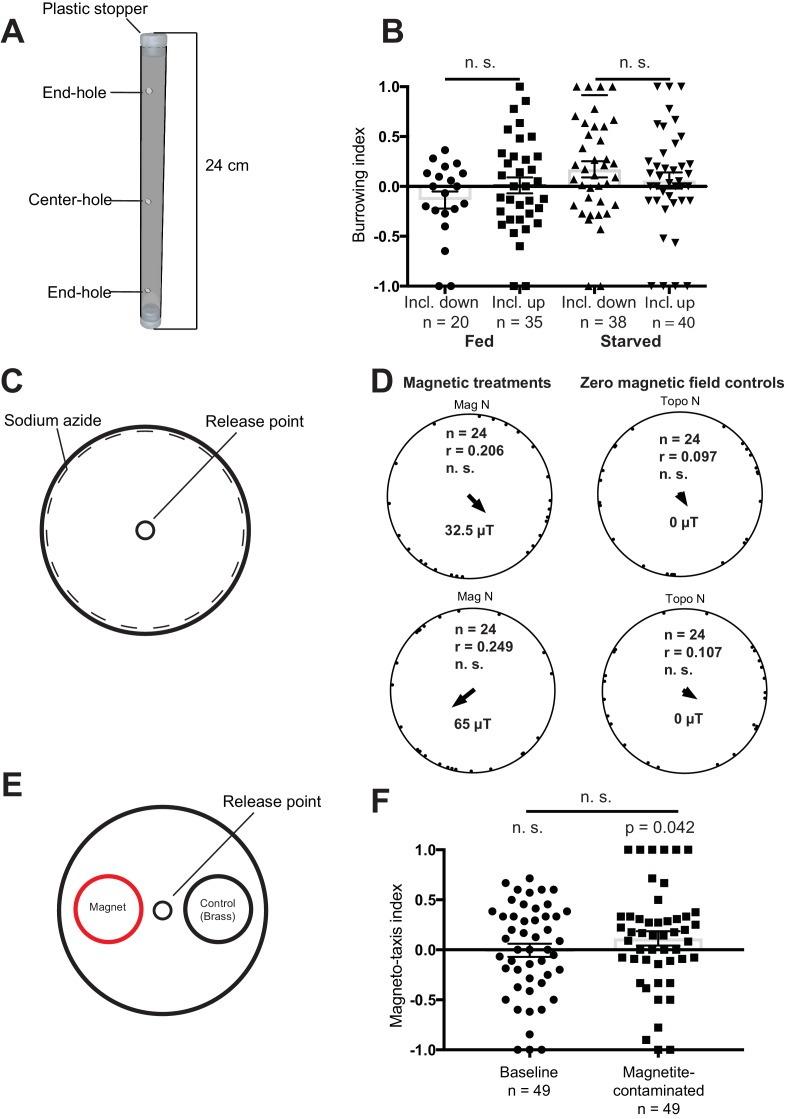
A diverse array of species on the planet employ the Earth's magnetic field as a navigational aid. As the majority of these animals are migratory, their utility to interrogate the molecular and cellular basis of the magnetic sense is limited. Vidal-Gadea and colleagues recently argued that the worm possesses a magnetic sense that guides their vertical movement in soil. In making this claim, they relied on three different behavioral assays that involved magnetic stimuli. Here, we set out to replicate their results employing blinded protocols and double wrapped coils that control for heat generation. We find no evidence supporting the existence of a magnetic sense in . We further show that the Vidal-Gadea hypothesis is problematic as the adoption of a correction angle and a fixed trajectory relative to the Earth's magnetic inclination does not necessarily result in vertical movement.
地球上的许多物种都利用地球磁场作为导航辅助。由于这些动物大多数是迁徙动物,因此它们在探究磁场感应的分子和细胞基础方面的作用有限。Vidal-Gadea 及其同事最近提出,蠕虫具有一种可以引导其在土壤中垂直运动的磁场感应。在提出这一说法时,他们依赖于三个不同的行为测试,这些测试都涉及磁场刺激。在这里,我们使用盲法方案和双层缠绕线圈来控制热量产生,以复制他们的结果。我们没有发现任何证据支持在 中存在磁场感应。我们进一步表明,Vidal-Gadea 的假设存在问题,因为相对于地球磁场倾斜度采用校正角度和固定轨迹并不一定会导致垂直运动。