Comparative Immunogenetics Laboratory, Department of Veterinary Pathobiology, College of Veterinary Medicine and Biomedical Sciences, Texas A&M University, Texas, United States.
Department of Microbiology and Immunology, University of Maryland at Baltimore, Baltimore, United States.
Elife. 2018 Apr 17;7:e28477. doi: 10.7554/eLife.28477.
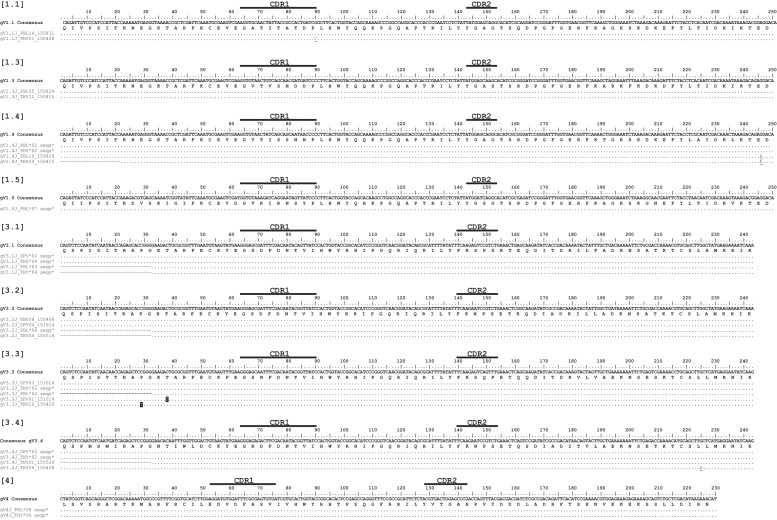
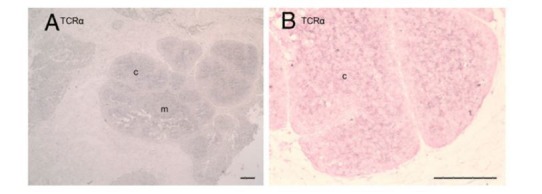
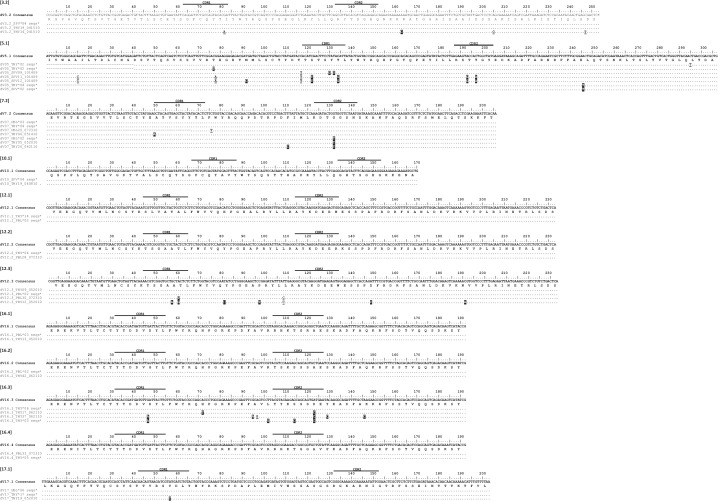
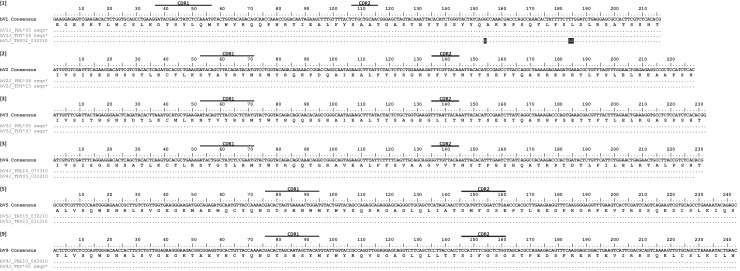
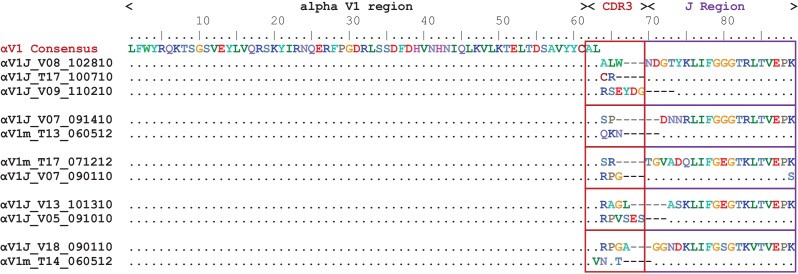
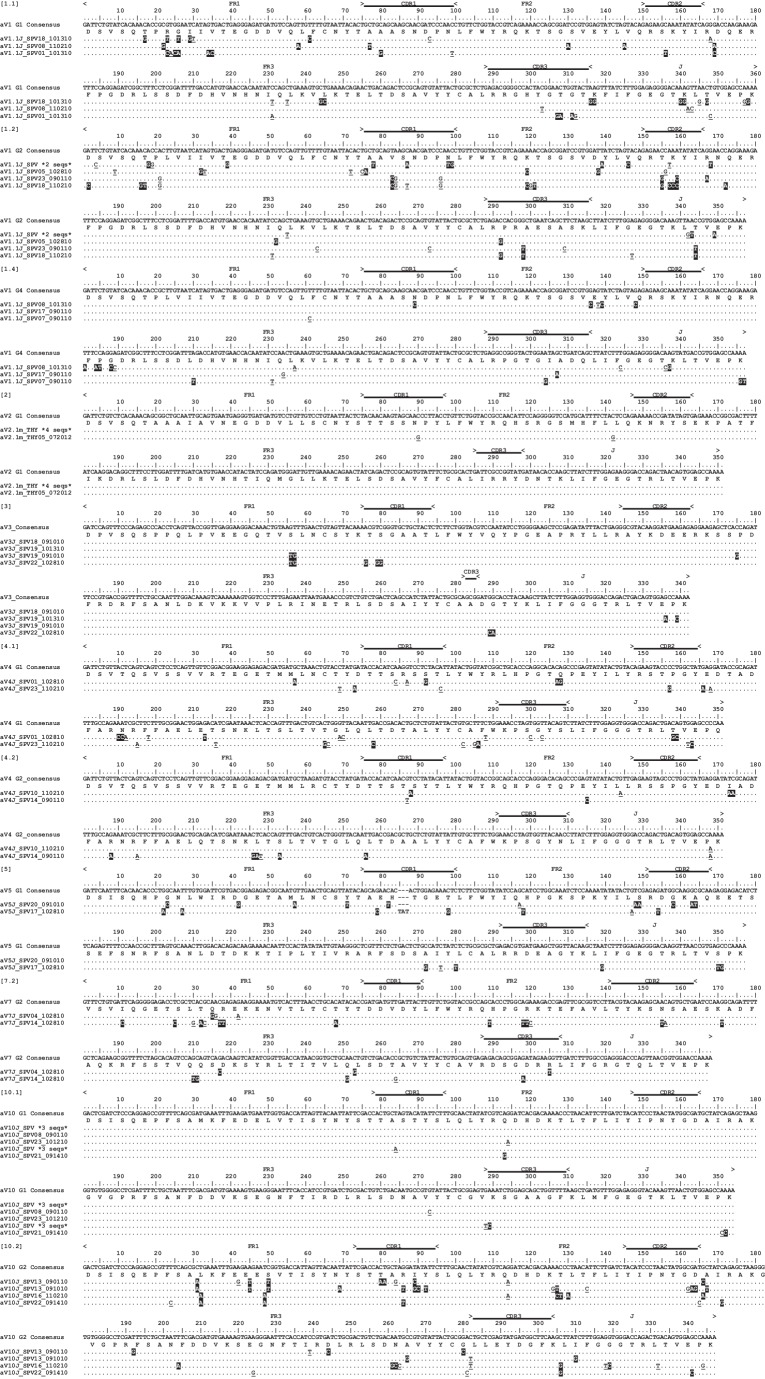
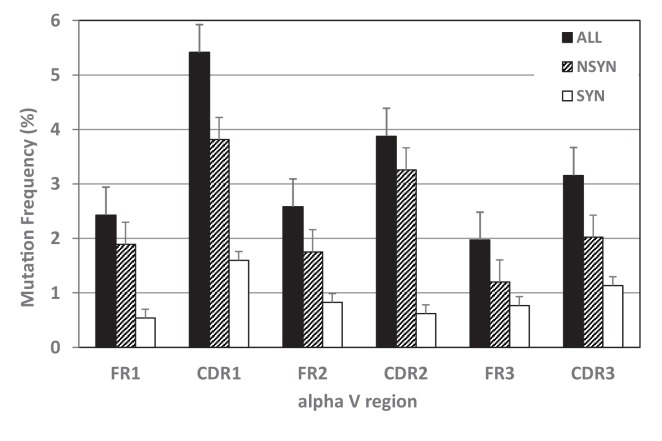
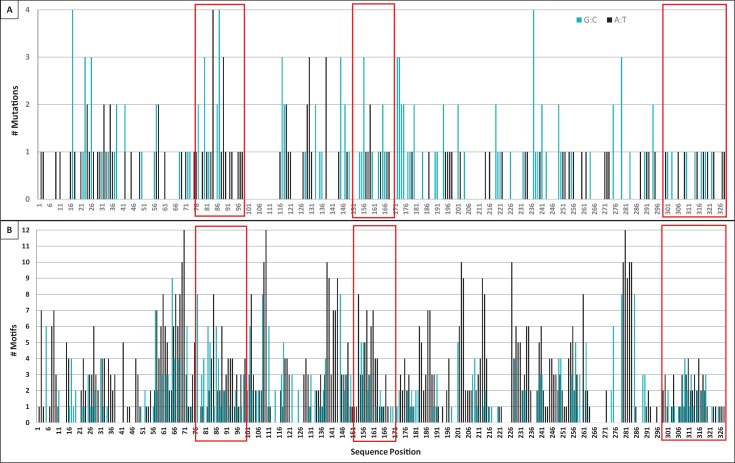
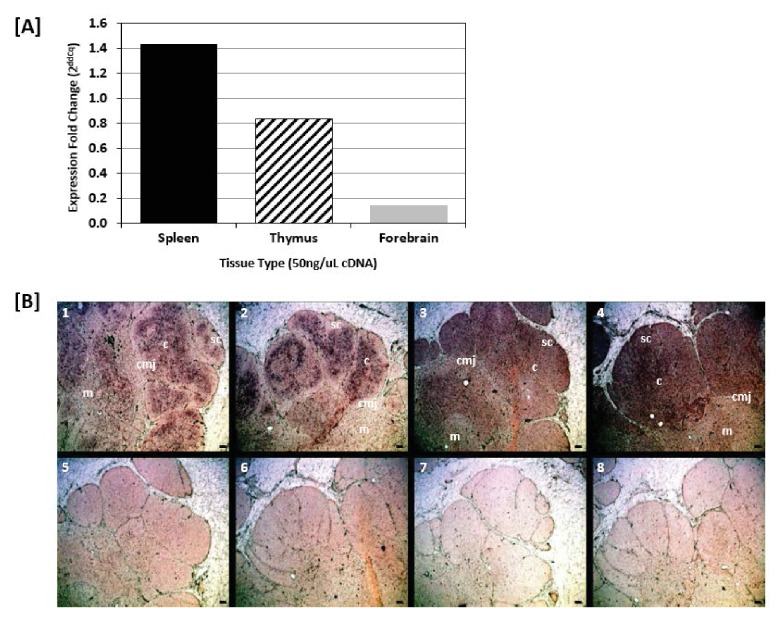
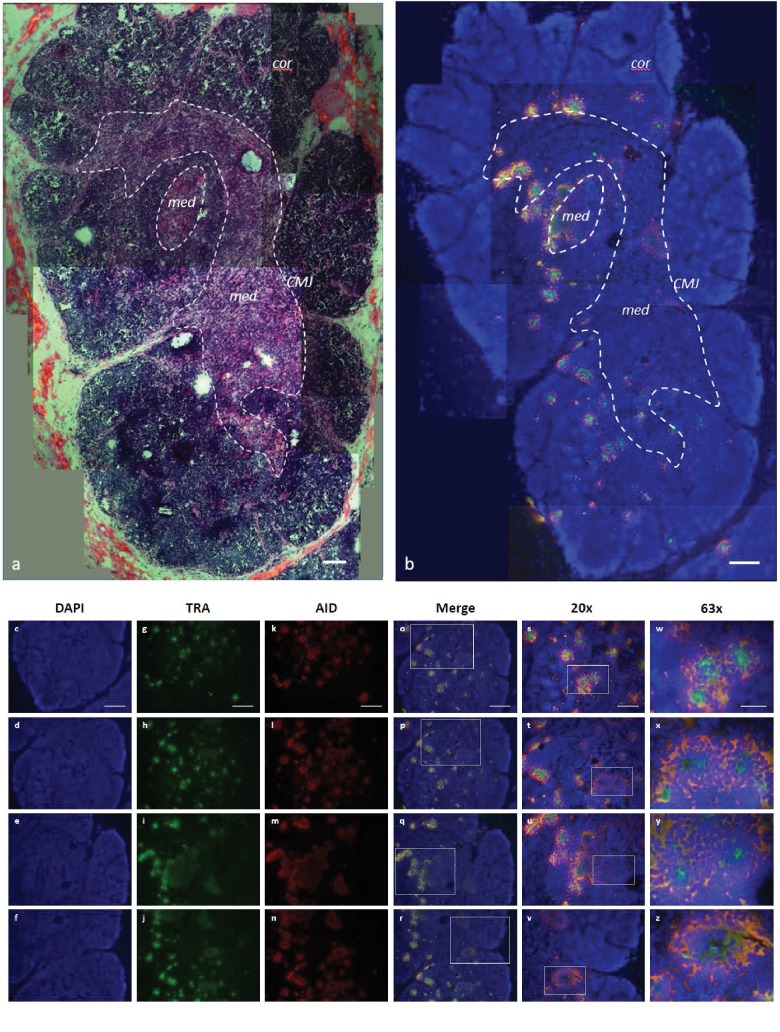
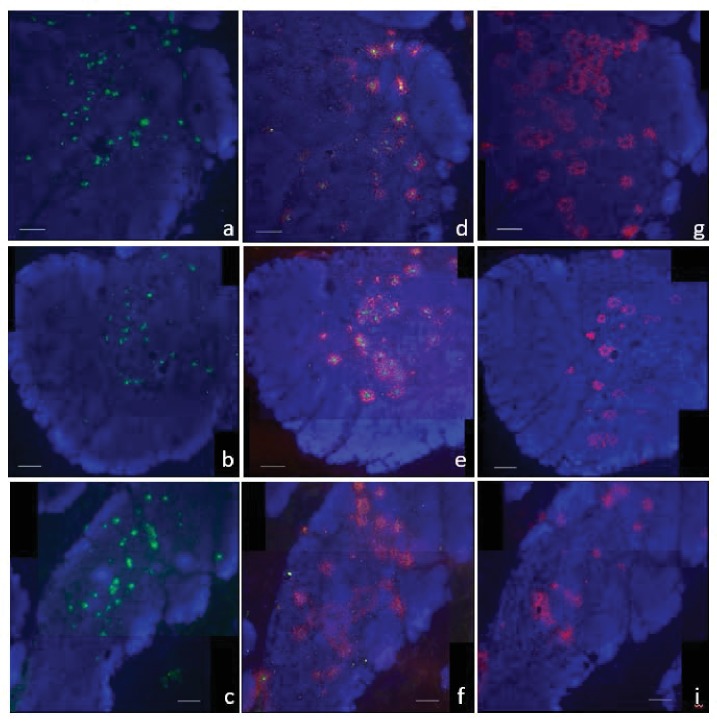
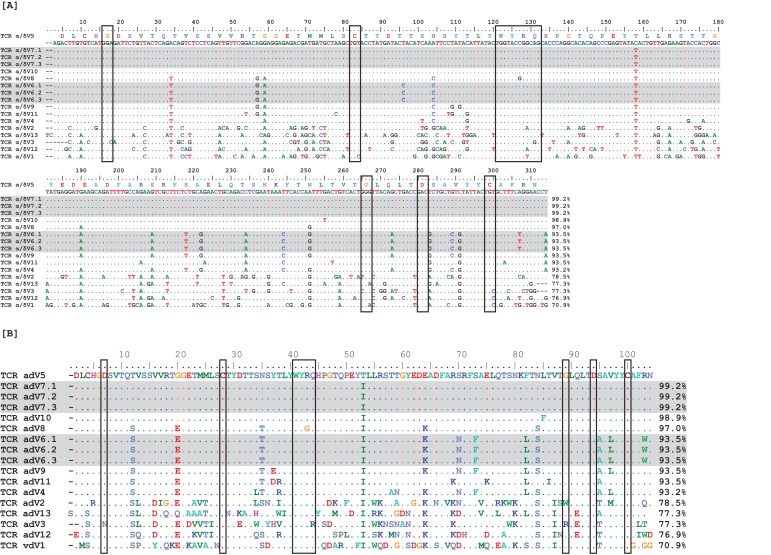
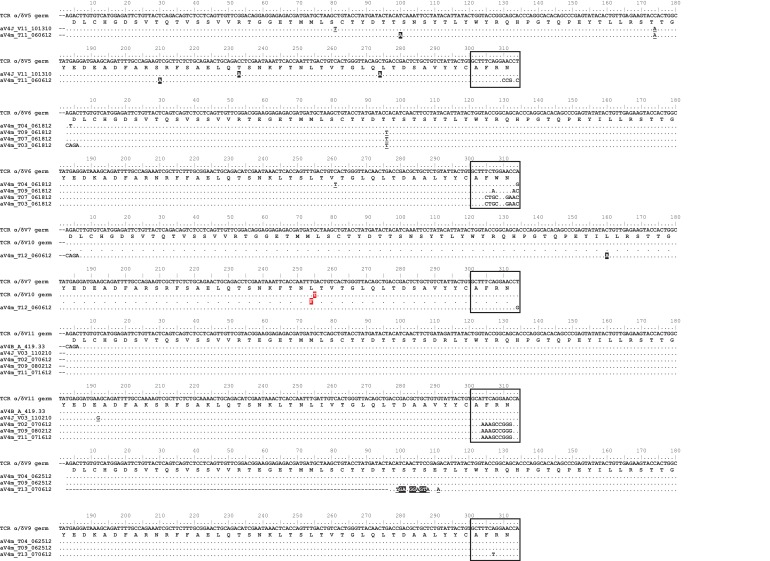
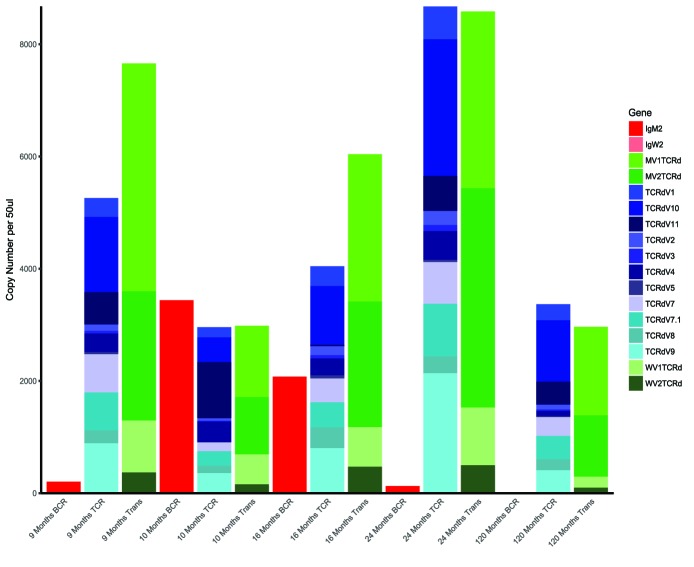
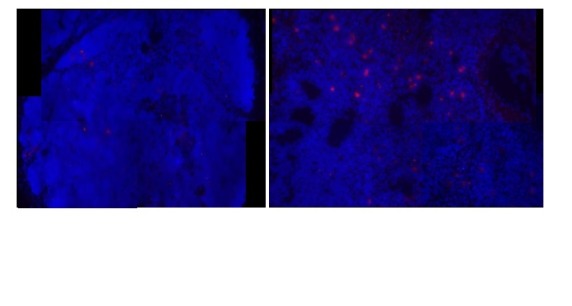
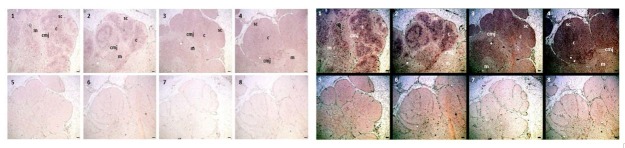
Since the discovery of the T cell receptor (TcR), immunologists have assigned somatic hypermutation (SHM) as a mechanism employed solely by B cells to diversify their antigen receptors. Remarkably, we found SHM acting in the thymus on α chain locus of shark TcR. SHM in developing shark T cells likely is catalyzed by activation-induced cytidine deaminase (AID) and results in both point and tandem mutations that accumulate non-conservative amino acid replacements within complementarity-determining regions (CDRs). Mutation frequency at TcRα was as high as that seen at B cell receptor loci (BcR) in sharks and mammals, and the mechanism of SHM shares unique characteristics first detected at shark BcR loci. Additionally, fluorescence in situ hybridization showed the strongest AID expression in thymic corticomedullary junction and medulla. We suggest that TcRα utilizes SHM to broaden diversification of the primary αβ T cell repertoire in sharks, the first reported use in vertebrates.
自 T 细胞受体 (TcR) 被发现以来,免疫学家将体细胞高频突变 (SHM) 视为 B 细胞用来多样化其抗原受体的唯一机制。值得注意的是,我们发现 SHM 在鲨鱼 TcR 的α 链基因座上在胸腺中发挥作用。发育中的鲨鱼 T 细胞中的 SHM 可能由激活诱导的胞嘧啶脱氨酶 (AID) 催化,并导致在互补决定区 (CDR) 内积累非保守氨基酸取代的点突变和串联突变。在 TcRα 上的突变频率与鲨鱼和哺乳动物的 B 细胞受体 (BcR) 位点所见的一样高,并且 SHM 的机制具有在鲨鱼 BcR 位点首先检测到的独特特征。此外,荧光原位杂交显示最强的 AID 表达在胸腺皮质髓质交界处和髓质。我们认为 TcRα 利用 SHM 来拓宽鲨鱼中原始 αβ T 细胞库的多样化,这是在脊椎动物中首次报道的用途。